
Navigating the path to a well-lit home involves balancing aesthetic desires with structural realities. When planning the lighting layout for a Singapore apartment, step lights offer an elegant way to illuminate hallways, staircases, and transition zones safely at night. However, the fundamental decision of whether to install wired or battery-powered step lights depends heavily on your property type, current renovation phase, and long-term maintenance preferences.
Wired step lights are the ideal choice for homeowners undergoing a major renovation or moving into a new Build-To-Order (BTO) flat, where wall hacking, conduit laying, and plastering are already part of the construction schedule. Conversely, battery-powered or rechargeable step lights provide a highly practical, non-destructive alternative for completed, move-in-ready HDB flats or condominiums where structural hacking is restricted, too costly, or prohibited by building regulations. Choosing the right option requires understanding how these physical and regulatory boundaries apply to your specific living situation.
Installation Realities for HDB and Condo Owners
Installing light fixtures in Singapore’s residential properties requires navigating specific structural guidelines and estate management rules. For Housing & Development Board (HDB) flats, the type of wall you wish to mount your step lights on dictates the feasibility of a wired installation. Many modern HDB flats utilize pre-cast concrete panels and structural shear walls to support the building’s weight. Hacking into these reinforced concrete shear walls is strictly illegal under housing regulations, as it compromises structural integrity. Consequently, running concealed conduits for wired recessed step lights in these areas is physically and legally impossible. If you must have wired lighting on a shear wall, you are limited to surface-mounted trunking, which often disrupts the clean, minimalist aesthetic most homeowners desire.
Products mentioned in this guide
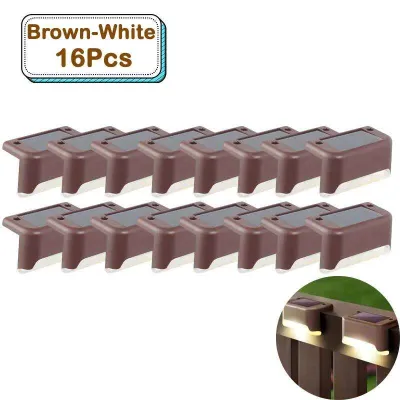
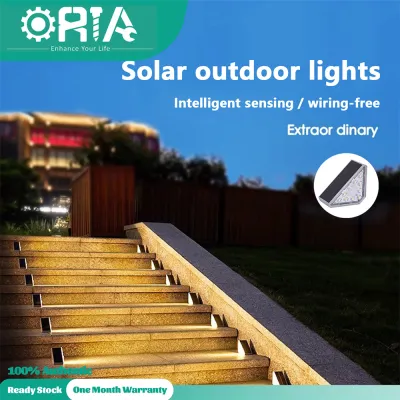
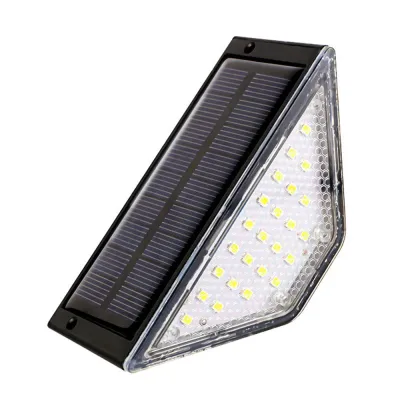
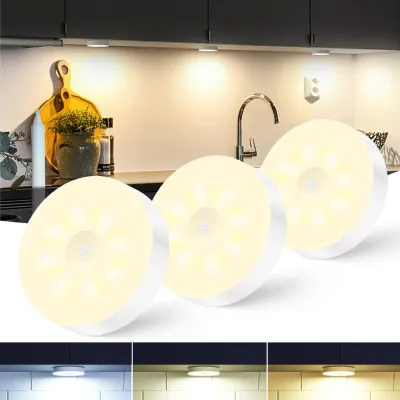
Prices are valid at publication and may change. Please refer to the product page for the latest price.
Condominium owners face a different set of challenges regulated by their respective Management Corporation Strata Title (MCST) guidelines. MCST by-laws frequently restrict any drilling, hacking, or modification of common property, shared corridor walls, or external facades. Even within the strata unit, drilling into certain structural columns or post-tensioned slabs is highly restricted. To safeguard security deposits and ensure compliance with estate rules, condo residents often favor non-destructive installation methods. Battery-powered step lights, which utilize high-strength adhesive backings or magnetic mounts, bypass these regulatory hurdles entirely, allowing you to add functional illumination without drilling a single hole.
The timing of your lighting project is the ultimate deciding factor between a seamless installation and a highly disruptive ordeal. Integrating wired step lights during the initial electrical planning phase of a full home renovation is highly efficient. Electricians can easily route conduits through false ceilings or non-structural brick walls, and plasterers can patch the surfaces before the final paint coats are applied. If your home is already fully furnished, painted, and occupied, retrofitting wired step lights becomes a major disruption. It involves significant dust from wall cutting, drywall patching, repainting entire walls to match the existing color, and coordinating multiple tradespeople, which drastically inflates the overall project cost.
Core Comparison: Wired vs Battery-Powered Step Lights
Evaluating step lights requires looking closely at how each installation type performs under daily use. The choice between wired and wireless systems affects everything from visual appeal to how much time you will spend maintaining the fixtures over the coming years.

Brightness and Consistency
Wired step lights deliver a constant, flicker-free, and high-lumen output because they draw power directly from your home’s electrical grid. They maintain their set brightness indefinitely, making them highly reliable for safety-critical pathways. This consistent power supply also allows for advanced dimming capabilities, enabling you to integrate them into smart home scenes where they dim to a soft 10% glow late at night.
Battery-powered step lights must balance illumination with power conservation. To prevent rapid battery drain, they typically operate at lower lumen levels and rely heavily on motion sensors to turn on only when activity is detected. As the battery charge depletes, the light output gradually dims, which can leave pathways unevenly lit. High-traffic areas can accelerate this decline, causing the lights to lose their peak brightness within a few weeks of fresh battery installation.
Maintenance and Upkeep
The primary benefit of wired step lights is their “install and forget” nature. Once wired into your home’s electrical system, they require virtually no day-to-day maintenance beyond occasional dusting. High-quality LED step lights are built to last tens of thousands of hours, meaning you rarely have to worry about replacing the light source.
Battery-powered models introduce an ongoing maintenance cycle. Depending on whether they use replaceable alkaline batteries or built-in rechargeable lithium-ion cells, you will need to replace or recharge them periodically. For a hallway featuring six to eight step lights, detaching every unit to plug it into a USB-C charger or swapping out multiple AA batteries can quickly become a tedious household chore. If the lights are placed near floor level, this maintenance also requires constant bending or kneeling.
Aesthetics and Placement Flexibility
Aesthetic integration is where wired step lights excel. Because the electrical connections and drivers are hidden behind the drywall or plaster, these fixtures can sit completely flush with the wall surface. This creates a clean, architectural finish that blends seamlessly into modern interior designs.
Battery-powered lights are inherently bulkier because their chassis must accommodate the light source, a battery compartment, and often a passive infrared (PIR) motion sensor. Because they are surface-mounted, they protrude slightly from the wall, which makes them more visible during the day. However, this surface-mount design offers unmatched placement flexibility. Without the need for electrical outlets or wall cavities, you can mount them on glass panels, wooden cabinet bases, tiled steps, or even inside wardrobes using simple peel-and-stick adhesive pads.
Upfront vs. Long-Term Costs
The financial profile of these two options represents a classic trade-off between initial capital outlay and long-term operational costs. Wired setups carry high upfront costs. You must purchase the recessed fixtures, compatible low-voltage drivers, conduits, and switches, and pay for professional installation by a licensed electrician, alongside plastering and painting services. However, their long-term running costs are incredibly low, consuming minimal grid electricity.
Battery-powered step lights are highly affordable upfront. You can purchase multi-packs of sensor lights for a fraction of the cost of a single wired fixture, and there are zero installation fees since you can mount them yourself. Over time, however, the cost of replacement batteries or the gradual degradation of rechargeable lithium cells—which eventually require the entire unit to be replaced—can add up, making them less cost-effective over a five-to-ten-year span.
| Feature | Wired Step Lights | Battery-Powered Step Lights |
|---|---|---|
| Brightness & Output | High, consistent, non-dimming | Moderate, dims as battery drains |
| Maintenance | Virtually zero (occasional cleaning) | High (regular recharging or replacement) |
| Installation Effort | High (requires hacking, plastering, painting) | Low (peel-and-stick adhesive, magnetic) |
| Aesthetic Finish | Seamless, flush-mounted, premium | Slightly bulkier, surface-mounted |
| Upfront Cost | High (requires professional labor) | Low to moderate |
| Long-Term Cost | Low (minimal energy consumption) | Moderate (battery replacement/wear) |
| Ideal Scenario | New BTO/Condo major renovation | Completed home, rental, minor upgrade |
| Power Source | 230V AC mains (often stepped down to DC) | Alkaline batteries or rechargeable Lithium-ion |
| Control Options | Wall switches, smart dimmers, sensors | Built-in motion and light sensors |
Decision Framework: Which Installation Type Fits Your Home?
Selecting the right step light system requires analyzing your current living situation, your budget, and who will be using the space daily. Use this structured framework to determine the most practical path forward.
Choose Wired Step Lights If:
- You are in the midst of a major renovation: If you have already engaged an interior designer and main contractor for a new BTO flat or a resale condo overhaul, adding wired step lights to the electrical schedule is highly straightforward.
- Continuous safety lighting is a priority: If you have elderly family members or young children who wake up frequently during the night, you need reliable, continuous path lighting without the risk of dead batteries or sensor delays.
- You want a premium, flush-mounted aesthetic: If your design style leans toward high-end minimalism, flush-recessed wired lights offer a clean, high-end look that surface-mounted battery units cannot match.
- You plan to integrate lighting into a smart home system: Wired lights can be connected to central smart switches, motion sensors, or home automation hubs, allowing them to coordinate with other lights in your home.
Choose Battery-Powered Step Lights If:
- Your home is already fully renovated and painted: If you want to avoid the mess, dust, and high labor costs of retrofitting wires through finished walls, battery-powered models offer an instant solution.
- You are renting your property: Tenants can install adhesive-mounted battery lights along dark hallways or staircases and easily remove them without damaging the walls when their lease ends.
- Your walls are made of structural concrete: If HDB or MCST guidelines prohibit hacking the specific walls where you want lighting, adhesive battery lights bypass these structural limitations.
- You want a quick, budget-friendly DIY project: If you want to improve your home's safety over a weekend without coordinating with contractors or spending hundreds of dollars on electrical labor.
Verify First If:
Before making any purchases, perform a few essential checks to avoid compatibility issues. If you are leaning toward wired recessed lights, verify the depth clearance of your walls. Recessed fixtures often require a wall cavity depth of 50mm to 80mm; if you have solid concrete walls, you will need to build out a false wall partition or a drywall feature wall to house them.
Next, check the electrical specifications. Many LED step lights run on low-voltage DC (usually 12V or 24V) and require a compatible LED driver to convert Singapore’s standard 230V AC power. You must plan where to conceal this driver—such as inside an accessible ceiling access panel or DB box—so it can be serviced if it fails. Finally, if you are opting for battery-powered models, check the mounting mechanism. Ensure the adhesive is suitable for your wall texture (paint, wallpaper, or tile) so the fixture does not fall and damage your flooring.
Safety, Compliance, and Professional Boundaries
Working with electrical systems in Singapore requires strict adherence to safety standards and legal frameworks to prevent accidents, short circuits, and fire hazards.
For any wired lighting installation, safety begins with proper power isolation. Before touching any electrical wires, replacing a fixture, or opening a junction box, you must switch off the main power supply at your home’s distribution board (DB) and verify that the circuit is completely dead using a reliable voltage tester. Never rely solely on the wall switch to isolate the power, as incorrect wiring elsewhere in the circuit can leave wires live even when the switch is turned off.
In Singapore, any modification, extension, or installation of fixed electrical wiring must be carried out by a Licensed Electrical Worker (LEW) registered with the Energy Market Authority (EMA). DIY electrical work on fixed wiring is illegal and poses severe safety risks, including electrical fires and fatal shocks. Furthermore, uncertified electrical work can void your home insurance policy if a fire is later traced back to non-compliant installations. Always ensure your contractor engages an LEW to certify the electrical works in your home.
When purchasing step lights and their associated power adapters or LED drivers, look for recognized local safety certifications. In Singapore, controlled electrical goods must carry the SAFETY Mark, which indicates that the product has been tested and certified to meet local safety standards. Avoid buying unbranded, extremely cheap electrical components from unregulated online marketplaces, as they often lack proper thermal protection and short-circuit safeguards, posing a significant fire risk.
Lastly, match your step lights to their physical installation environment. If you plan to install step lights in damp areas—such as bathrooms, sheltered balconies, or outdoor garden steps—you must check the Ingress Protection (IP) rating on the product label. Indoor hallways and bedrooms can safely use standard IP20-rated fixtures. However, areas exposed to moisture or splashing water require at least an IP44 rating, while fully outdoor steps exposed to tropical rain demand an IP65 or IP67 weather-proof rating to prevent water ingress and electrical failure.
Frequently Asked Questions (FAQ)
Can I convert my existing wired step lights to battery-powered?
Yes, you can transition from wired to battery-powered step lights, but you must handle the existing electrical infrastructure safely. Before mounting your new battery-powered lights over the old locations, the live wires from the old fixtures must be safely decommissioned. A Licensed Electrical Worker (LEW) must isolate the circuit, cap the wires using proper connectors, and seal them inside a compliant junction box flush with the wall. Once the live wiring is safely terminated and covered, you can apply adhesive-mounted or magnetic battery-powered step lights directly over the old wall plates.
Do motion sensor step lights drain batteries quickly?
Battery consumption in motion-activated step lights depends on traffic volume, sensor range, and active run-time settings. In a high-traffic hallway where family members or pets trigger the sensor dozens of times a night, standard alkaline batteries may drain within a few weeks. To maximize battery life, look for step lights equipped with adjustable passive infrared (PIR) sensors, ambient light sensors that prevent the light from activating during daylight hours, and adjustable timers that turn the light off after 15 to 30 seconds of inactivity. Opting for high-quality rechargeable lithium-ion models with USB-C ports is also highly recommended to eliminate the ongoing cost of disposable batteries.
Community discussion
Share your experience or ask a question. Comments are reviewed before publication.