
Selecting the ideal wood carving decor for a home in Singapore requires balancing artistic detail with the realities of a tropical climate. As homeowners look to add warmth, texture, and organic beauty to modern apartments, wooden sculptures and wall panels have grown increasingly popular. While teak, rosewood, and mahogany are all highly regarded for fine carvings, there is no single absolute winner for every household. The optimal choice depends on the specific carving style, where the piece will be displayed indoors, and how well the wood was seasoned and sealed before reaching your home. By evaluating these materials based on their moisture resistance, structural density, and maintenance needs, you can select a piece that remains stable and beautiful for years.
How Humidity Affects Wood Carving Decor
Singapore’s tropical climate maintains a consistently high relative humidity, often averaging between 70% and 90% throughout the year. Wood is a natural, hygroscopic material, meaning it acts like a sponge, constantly absorbing and releasing moisture to reach equilibrium with the surrounding air. This phenomenon is known as equilibrium moisture content (EMC). When indoor spaces alternate between humid ambient air and dry, air-conditioned environments, wood undergoes constant dimensional changes that can stress the material over time.
When wood absorbs moisture, its cellular structure expands, and when the air dries out, it contracts. This continuous cycle of expansion and contraction puts immense physical stress on the wood fibers. If the movement is uneven or too rapid, it leads to warping, bowing, or cracking. Intricate carvings are particularly vulnerable because the carving process exposes different grain directions, creating uneven rates of moisture absorption across the piece.
Products mentioned in this guide
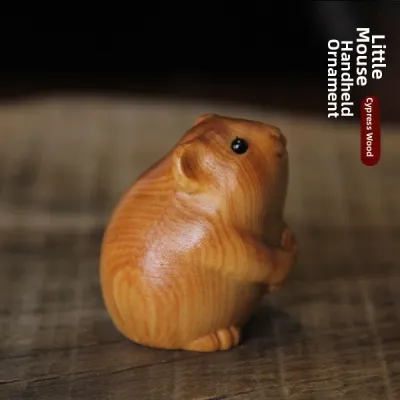
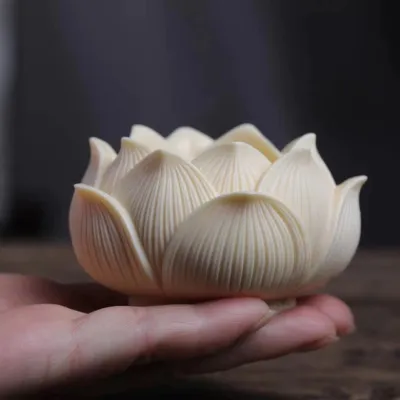

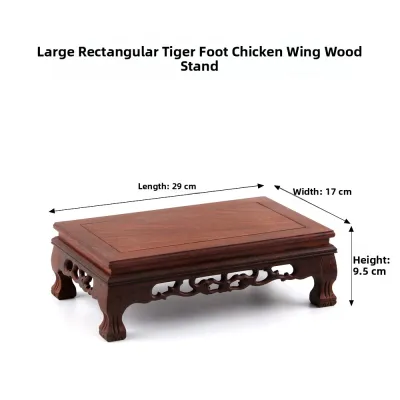
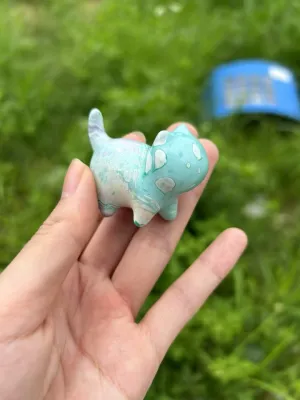
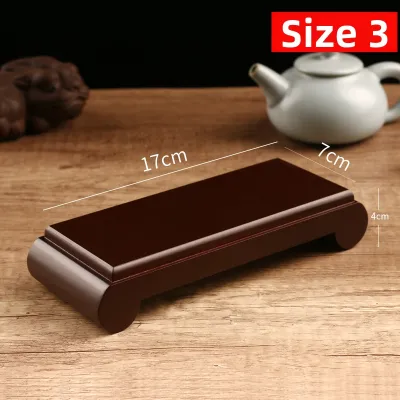
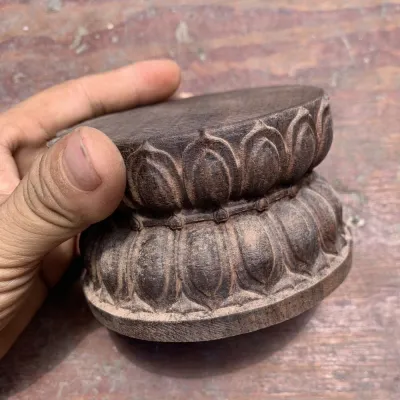
Prices are valid at publication and may change. Please refer to the product page for the latest price.
To withstand these forces, wood relies on two primary natural defenses: organic oil content and physical density. Natural oils and resins act as built-in hydrophobic barriers, slowing down the rate at which wood fibers absorb water vapor from the air. High physical density, on the other hand, provides the structural strength needed to resist warping and bending under stress. Dense woods can hold sharp, delicate details without shearing, though they may still require careful sealing to prevent surface checking.
Regardless of the wood species, proper seasoning is the most critical factor in long-term stability. Raw timber must undergo a controlled kiln-drying process to reduce its internal moisture content to a stable level before carving begins. If a carving is made from green or poorly seasoned wood, it will inevitably warp or split as it adjusts to Singapore’s indoor climate. A high-quality protective sealant then locks in this stability, preventing rapid moisture exchange with the humid tropical air.
Teak, Rosewood, and Mahogany: Core Traits for Tropical Climates
These three premium hardwoods are highly sought after for wood carving decor, but each possesses distinct characteristics that dictate how they perform in a humid environment. Understanding these traits allows you to match the wood type to your specific aesthetic preferences and environmental conditions.

Teak is renowned for its exceptional natural oil and silica content, which makes it highly resistant to moisture, rot, and pests. These natural oils provide an inherent moisture barrier, making teak one of the most stable woods available for tropical climates. Because of its slightly oily surface and moderately coarse grain, teak is highly forgiving of humidity swings. However, these same oils can make it challenging to apply high-gloss lacquers, so teak is typically finished with natural oils or waxes, lending itself beautifully to bold, organic, or rustic carving styles that highlight the wood’s natural grain.
Rosewood is an extremely dense, heavy hardwood characterized by its rich, dark hues and dramatic grain patterns. This high density allows master carvers to execute incredibly fine, paper-thin details and deep undercuts without the wood chipping or crumbling. However, rosewood’s dense structure means it does not absorb or release moisture easily; if exposed to sudden, drastic changes in humidity, the outer layers can dry faster than the core, leading to fine cracks known as checking. It requires a meticulous sealing process to remain stable in Singapore’s climate.
Mahogany offers a superb balance of workability, uniform grain, and dimensional stability. It is highly stable once dried, meaning it resists warping and shrinking better than many other hardwoods. While mahogany lacks the high natural oil content of teak, its uniform pore structure allows it to absorb protective sealants, lacquers, and stains exceptionally well. This makes it a highly versatile choice for elegant, polished wall panels and detailed figurines, provided it is kept indoors and finished with a consistent protective coating.
| Wood Type | Dimensional Stability | Natural Moisture Resistance | Carving Detail Suitability | Typical Maintenance Needs |
|---|---|---|---|---|
| Teak | High | Excellent (High Oil) | Moderate (Bold/Sweeping) | Low (Occasional oiling/waxing) |
| Rosewood | Moderate to High | Moderate | Excellent (Intricate/Fine) | Moderate (Requires stable climate) |
| Mahogany | High | Moderate | High (Smooth/Detailed) | Moderate (Requires intact sealant) |
What to Inspect Before Buying Wood Carvings
A high-quality protective finish is the primary line of defense against Singapore’s ambient moisture. When browsing wood carving decor, examine the surface closely to verify that the piece is properly sealed with polyurethane, lacquer, shellac, or a specialized hardwax oil. The sealant should feel smooth and uniform, covering the entire piece, including deep carved recesses, undersides, and the back. Raw or poorly finished wood will quickly absorb ambient moisture unevenly, leading to rapid warping and structural damage.
Carefully inspect the carving under bright, angled light to check for existing stress and structural defects. Look for hairline cracks, particularly at the end-grain, which are the ends of the wood fibers often found at the top, bottom, or edges of a piece. Check for any pre-existing warping by placing flat-backed wall decor against a flat surface; any bowing or rocking indicates the wood was not seasoned correctly or has already suffered from poor storage conditions.
Delicate, thin, or highly detailed elements that protrude from the main body of the carving are highly susceptible to damage from humidity-induced movement. Ensure these elements are thick enough to maintain structural integrity or are carved from a single, stable block of wood. Furthermore, because high-density woods like rosewood and teak can be exceptionally heavy, verify the mounting points on wall decor. For heavy pieces, ensure they feature robust, integrated hanging hardware and plan for secure installation into wall studs or concrete using appropriate anchors, consulting a qualified professional if necessary to prevent fall hazards.
Placement and Care to Prevent Warping
The key to preserving wood carving decor in Singapore is maintaining a stable microclimate. Avoid placing carvings directly under or opposite air conditioning vents, where cold, dry air will blow directly onto the wood. Similarly, keep them away from dehumidifier exhausts, kitchen steam, and areas that receive intense, direct afternoon sunlight. Rapid transitions between cool, dry air-conditioned drafts and warm, humid ambient air cause rapid localized moisture fluctuations, which are the primary cause of wood splitting.
Dust can attract moisture and fungal spores, so regular cleaning is essential to protect the wood and its finish. Use a dry, soft microfiber cloth or a soft-bristled brush to gently clean intricate carvings. Avoid using water-saturated cloths, multi-purpose household sprays, or water-based wood polishes, as excess moisture can seep into microscopic cracks in the finish, causing the wood fibers underneath to swell and lift the protective coating.
Over time, even the best finishes can wear thin or dry out. Periodically inspect your wood decor for a dull, dry appearance. If the wood begins to look parched, reapply a thin coat of high-quality furniture wax or specialized wood oil, following the manufacturer’s specific instructions. This simple maintenance step restores the hydrophobic barrier, keeping ambient humidity from penetrating the wood and ensuring the carving retains its luster.
Final Decision Guide: Matching Wood to Your Space
Choose teak if you prioritize natural moisture resistance and prefer a warm, golden-brown, or rustic aesthetic. It is the most forgiving option for spaces that are not constantly air-conditioned, such as well-ventilated living rooms, hallways, or sheltered patios, requiring minimal maintenance to stay beautiful.
Choose rosewood if you appreciate highly intricate, traditional, or fine-detailed craftsmanship and prefer a heavy, dark-toned wood. Because of its sensitivity to rapid humidity shifts, rosewood is best suited for strictly climate-controlled indoor spaces where temperature and humidity remain relatively constant.
Choose mahogany if you want a classic, reddish-brown carving with excellent dimensional stability and clean details. It offers a superb balance of workability and strength at a more accessible weight than rosewood, provided it is kept indoors and its protective sealant is maintained.
Regardless of the wood type you select, always verify with the seller that the piece has been properly kiln-dried and sealed. Avoid buying raw, unfinished carvings unless you plan to apply a high-quality protective sealant yourself before displaying the piece in Singapore’s humid climate.
Community discussion
Share your experience or ask a question. Comments are reviewed before publication.