
The choice between a wood and marble pooja chowki depends heavily on your daily worship habits, maintenance capacity, and spatial constraints. Rather than a single universally superior material, the ideal choice aligns with your willingness to perform specific cleaning routines, the weight-bearing capacity of your home setup, and your aesthetic preferences. This guide breaks down the practical characteristics of both materials to help you make an informed decision for your daily rituals.
Selecting the right pedestal for your deities or sacred items is not merely an aesthetic decision; it directly impacts the longevity of the altar and the ease of your daily spiritual routine. Daily rituals often involve elements like water, oil, heat, and colorful powders, all of which interact differently with organic wood and porous stone. By understanding the physical properties of each material, you can select a chowki that remains beautiful and structurally sound for years to come.
Key Factors for Choosing a Pooja Chowki Material
When selecting a pooja chowki, your daily maintenance capacity is one of the most critical factors to evaluate. Daily worship often involves offerings of water, milk, honey, ghee, and kumkum or turmeric. Some materials require immediate cleanup to prevent permanent staining or structural degradation, while others are more forgiving of delayed maintenance. If your daily schedule allows only a quick wipe-down, you will need a material that matches this level of upkeep.
Products mentioned in this guide
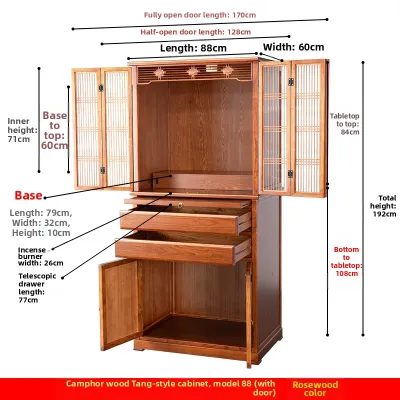
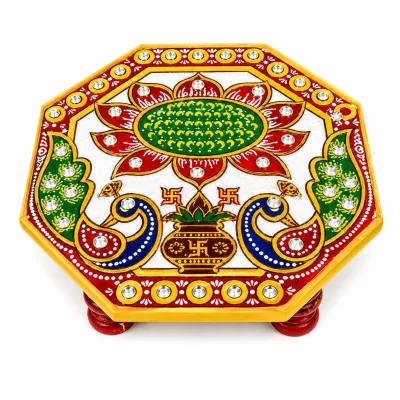
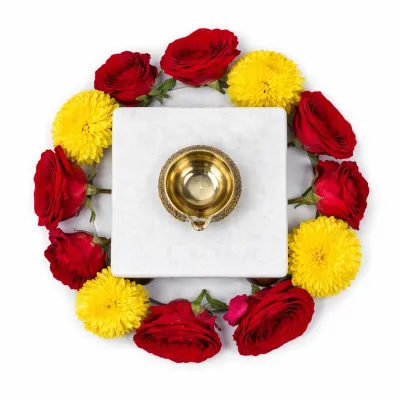
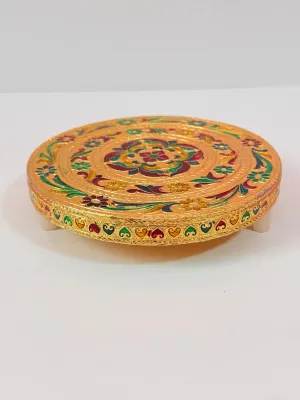
![[HOMIEST] ORATE 2FT Altar Cabinet Prayer Cabinet Religious Worship Natural/Walnut](https://img.lazcdn.com/g/p/cfaa0a6f73682165358fbd07edf06f9b.jpg_400x400q80.jpg_.webp)
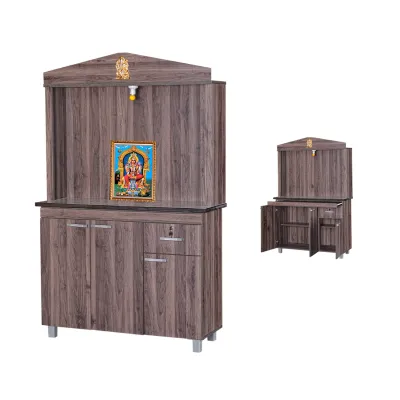

Prices are valid at publication and may change. Please refer to the product page for the latest price.
Physical space and the structural limits of your home environment also play a major role in this decision. A heavy stone chowki requires a highly stable, load-bearing surface, whereas a lightweight wooden alternative offers greater portability and flexibility. You must assess where the chowki will rest—whether on a dedicated wooden cabinet, a floating glass shelf, or directly on the floor—to ensure the underlying structure can safely support the weight.
Finally, aesthetic preferences and traditional significance shape the overall atmosphere of your prayer space. Wood brings a warm, organic, and deeply traditional feel to an altar, often featuring intricate hand-carved patterns that reflect heritage craftsmanship. Marble, on the other hand, offers a serene, clean, and luminous appearance that complements modern minimalist interiors while maintaining a sense of sacred purity.
Wood Pooja Chowki: Characteristics and Care
Wooden pooja chowkis are highly favored for their traditional warmth and the organic connection they bring to a sacred space. Each wooden piece is unique, showcasing natural grain variations, knots, and color tones that cannot be replicated by synthetic materials. Artisans often carve intricate floral, geometric, or deity-inspired motifs into the legs and borders of wooden chowkis, making them standout pieces of cultural craftsmanship.

However, wood is an organic material that remains sensitive to its surrounding environment. In tropical climates with high humidity, such as Singapore, wood naturally absorbs and releases moisture from the air. This continuous cycle can lead to swelling, warping, or even cracking over time if the wood is not properly seasoned or sealed. Additionally, untreated or poorly maintained wood can be vulnerable to pest exposure, including termites or wood-boring beetles, which compromise its structural integrity.
To preserve a wooden chowki, you must follow strict cleaning protocols. Avoid exposing the wood to excess water or soaking it during rituals. Instead, prioritize dry dusting with a soft microfiber cloth to remove incense ash and dust. If a spill occurs, wipe it immediately with a damp, well-wrung cloth and dry the surface thoroughly. Avoid harsh household chemical cleaners, which can strip away the protective varnish or natural oils, leaving the wood dull and unprotected.
Periodically inspect the structural integrity of your wooden chowki. Check the joints, legs, and adhesive points to ensure they remain stable and do not wobble. Over time, the heat from nearby diyas or humidity fluctuations can weaken traditional wood glues, requiring minor repairs or reinforcement to prevent the chowki from tipping during use.
Marble Pooja Chowki: Characteristics and Care
Marble pooja chowkis are renowned for their substantial weight, structural stability, and cool, luminous aesthetic. The solid nature of stone provides a highly secure foundation for heavy brass or stone idols, ensuring that the altar remains completely stable during daily rituals. The natural veining of marble adds a touch of understated elegance, creating a serene backdrop that enhances the focus of your prayer room.
Despite its tough appearance, marble is a highly porous natural stone that requires careful handling. It is highly susceptible to staining from common worship items such as sesame oil, ghee, turmeric, kumkum, and acidic offerings like lemon juice or yogurt. If these substances are allowed to sit on the marble surface, they penetrate the microscopic pores of the stone, leaving deep, stubborn stains that are incredibly difficult to remove without professional assistance.
Cleaning a marble chowki requires specialized care to protect its polished finish. You should only use pH-neutral, stone-safe cleaners recommended by the manufacturer. Avoid using common household acids like vinegar, lemon juice, or abrasive scrubbing pads, as these will chemically react with the calcium carbonate in the marble, causing permanent etching, dull spots, and rough textures on the surface.
To maintain the protective barrier of the stone, you must inspect the finish and sealant condition periodically. A simple way to check this is by placing a few drops of water on the surface; if the water beads up, the sealant is intact. If the water quickly soaks into the stone and darkens it, it is time to reapply a food-safe, penetrating stone sealer according to the manufacturer’s instructions to prevent future staining.
Direct Comparison: Wood vs. Marble for Daily Worship
To help you decide which material best fits your daily routine and home setup, it is helpful to compare their physical properties and maintenance needs side by side.
| Feature | Wood Pooja Chowki | Marble Pooja Chowki |
|---|---|---|
| Weight | Lightweight to moderate; highly portable | Heavy and solid; difficult to move frequently |
| Moisture Sensitivity | High; prone to warping, swelling, and rot | Low; structurally unaffected by water but prone to surface etching |
| Stain Management | Moderate; spills must be wiped to protect varnish | High; highly porous stone stains easily from oils and pigments |
| Routine Maintenance | Easy dry dusting; occasional polishing | Regular wiping; periodic sealing and pH-neutral cleaning |
| Ideal Placement | Shelves, consoles, or dry raised platforms | Sturdy ground-level altars or heavy-duty furniture |
This comparison leads to a clear, conditional decision framework. You should choose a wood pooja chowki if you value traditional hand-carved craftsmanship, prefer a lightweight and portable setup, and can maintain a dry environment free from excessive moisture. Conversely, you should choose a marble pooja chowki if you prioritize heavy, unyielding stability for large idols, prefer a bright and modern aesthetic, and are committed to wiping up spills immediately after every ritual.
Before making your final purchase, always run through this quick verification checklist:
- Verify the weight limit: Check the maximum load capacity of the table, shelf, or console where the chowki will be placed.
- Check the manufacturer care label: Ensure you have the correct cleaning products on hand, especially for stone-safe or wood-specific finishes.
- Measure the clearance: Confirm that the dimensions of the chowki allow for safe clearance from walls and surrounding decor.
Placement and Safety Considerations
Proper placement of your pooja chowki is essential to ensure both the safety of your household and the preservation of your altar. Because marble chowkis are exceptionally heavy, you must verify the load-bearing capacity of the furniture or shelf where it will rest. Placing a heavy stone chowki on a weak glass shelf or a lightweight particleboard console can lead to structural failure, sagging, or sudden collapse.
Ensure that the chowki is placed on a completely level and stable surface. Any wobbling or unevenness can cause the chowki to tip, potentially spilling hot oil from diyas, scattering burning incense, or damaging delicate idols. If you are placing the chowki on a slightly uneven floor or wooden surface, use non-slip, heat-resistant silicone pads underneath the legs to level the platform and protect the underlying furniture from scratches.
Fire safety is paramount during daily worship. Both wood and stone surfaces require protection from the intense heat generated by oil lamps (diyas) and incense sticks. While marble does not burn, extreme localized heat can cause the stone to crack or discolor permanently. Wood, being flammable, can easily scorch, char, or ignite if exposed to open flames. Always maintain a safe clearance of at least 10 to 15 centimeters between open flames and any wooden surfaces, and use a heat-resistant metal, ceramic, or glass coaster beneath all lamps and incense holders.
Always consult the manufacturer’s specific installation and placement instructions. Some high-end chowkis come with dedicated padding, heat shields, or clearance guidelines that must be followed to maintain product warranties and ensure safe daily operation within your home.
Frequently Asked Questions (FAQ)
Can I place a wood pooja chowki directly on the floor?
Placing a wooden pooja chowki directly on the floor is generally not recommended, especially in ground-level rooms or areas prone to dampness. Direct contact with the floor exposes the wood to rising dampness, floor-cleaning moisture, and spills, which can cause the legs to rot, swell, or split over time. Furthermore, floor-level placement increases the risk of pest exposure, making it easier for termites or ants to access the wood. If you must place it on the floor, use a protective raised platform, a water-resistant mat, or manufacturer-approved rubber feet to create a barrier against moisture and pests.
How do I remove oil stains from a marble pooja chowki?
If oil or ghee spills on your marble chowki, act immediately by blotting the spill with a soft, clean, absorbent microfiber cloth. Do not rub or scrub the spill, as this will push the oil deeper into the porous stone. For stubborn stains, consult the manufacturer’s stain removal guide for a recommended stone-safe poultice. Never use acidic household cleaners, vinegar, baking soda, or abrasive scrubs, as these will etch the polished surface of the marble, leaving permanent dull marks. If the stain remains deep within the stone, consult a professional stone restoration specialist to safely draw out the oil without damaging the marble.
Which material is more suitable for a compact apartment in Singapore?
For a compact apartment in Singapore, wood is often the more practical choice due to its lightweight nature, portability, and smaller spatial footprint. Apartment living often requires flexible furniture layouts or occasional moving, and a wooden chowki can be easily relocated or stored without strain. Additionally, many apartments utilize floating shelves or wall-mounted altars, which have strict weight limits that cannot safely support a heavy marble piece. However, if you have a dedicated, sturdy floor-standing cabinet and prefer a permanent, stationary altar, a small marble chowki can work beautifully, provided you verify the furniture’s load limits beforehand.
Community discussion
Share your experience or ask a question. Comments are reviewed before publication.