
Quick Answer: Matching Altar Materials to Your Worship Routine
Selecting a hindu pooja altar is a deeply personal decision that balances spiritual devotion, practical home logistics, and long-term upkeep. There is no universally superior material; rather, the ideal choice depends on your daily worship habits, the physical space available in your home, and your willingness to perform regular maintenance.
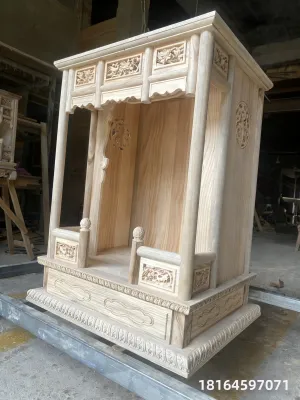
Choose Wood if:
- You desire a traditional, warm aesthetic with intricate hand-carved details.
- You plan to place the altar on a wall-mounted shelf or within a flexible living space.
- You are committed to regular dusting, humidity monitoring, and immediate cleanup of oil or water spills to protect the wood's finish.
Choose Marble if:
Products mentioned in this guide
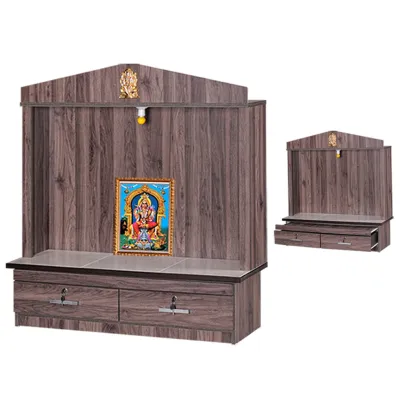
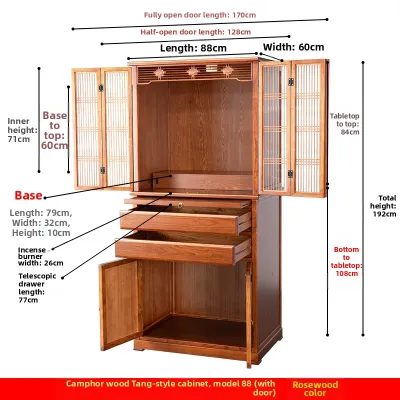
![[HOMIEST] ORATE 2FT Altar Cabinet Prayer Cabinet Religious Worship Natural/Walnut](https://img.lazcdn.com/g/p/cfaa0a6f73682165358fbd07edf06f9b.jpg_400x400q80.jpg_.webp)

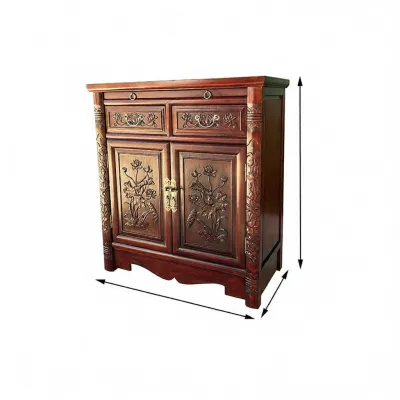
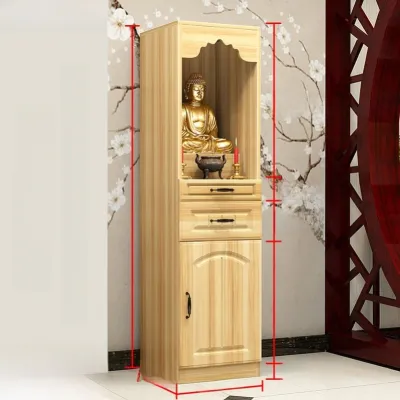
Prices are valid at publication and may change. Please refer to the product page for the latest price.
- You want a permanent, highly durable, and premium floor-standing sanctuary that evokes the sacred atmosphere of a temple.
- You have a dedicated prayer room or a stable, heavy-duty floor space.
- You are prepared to seal the stone periodically and wipe away ritual liquids immediately to prevent permanent stains.
Choose Metal if:
- You require a highly portable, compact altar or prefer a classic metallic finish like brass, copper, or silver.
- You want a material that is exceptionally sturdy and naturally fire-resistant.
- You do not mind periodic polishing to maintain the altar's luster and prevent natural oxidation.
Spiritual Significance and Traditional Material Preferences
In Hindu traditions, the design and material of a home mandir are believed to influence the energetic flow and sanctity of the worship space. Vastu Shastra, the traditional system of architecture, offers guidelines on materials to foster positive energy, peace, and prosperity within the household.

Wood is highly revered in traditional texts, often associated with natural grounding, organic warmth, and life-giving energy. Hardwoods such as teak or rosewood are historically preferred for their purity and durability. The organic nature of wood is thought to create a serene, welcoming environment that harmonizes with the spiritual vibrations of daily prayers.
Stone and marble represent permanence, purity, and temple-like sanctity. Historically, grand temples are constructed from stone to withstand the elements and maintain a clean, unyielding space for the deities. Having a marble altar at home mirrors this temple architecture, symbolizing an unchanging, eternal devotion. White marble, in particular, is associated with peace, clarity, and mental tranquility.
Metals, such as brass, copper, and bronze, are traditionally valued for their conductivity. In ritual contexts, metal is believed to absorb and radiate spiritual energies generated during the chanting of mantras and the lighting of lamps. While entire altars made of metal are less common for large setups, they are highly favored for compact shrines, intricate backdrops, and the sacred idols housed within the altar.
It is common to combine these materials to balance practical and spiritual needs. For instance, a beautifully carved wooden mandir might house a marble base plate to catch oil spills, alongside brass idols and copper ritual vessels. Because family lineages, regional customs, and specific deity traditions vary widely, always consult your family elders or trusted spiritual guides to align your choice with your personal Vastu or ritual requirements.
Durability and Climate Resilience: What to Verify Before Buying
In tropical or humid climates, such as Singapore’s year-round warmth and moisture, the physical durability of your hindu pooja altar depends heavily on material resilience. Understanding how each material reacts to environmental factors will prevent premature wear and damage.
Wood: While high-quality hardwood is structurally strong, raw or poorly treated wood is highly susceptible to environmental damage. High humidity can cause wood to swell, warp, or crack over time, while dry, air-conditioned environments may cause it to shrink. Furthermore, wood is vulnerable to wood-boring pests and termites. Before purchasing a wooden altar, verify the manufacturer’s specifications to ensure the timber has been thoroughly kiln-dried to stabilize moisture levels. Check if the product has received anti-termite treatments and is finished with high-quality, moisture-resistant protective sealants.
Marble: Marble offers unmatched structural permanence and will not warp, rot, or attract pests. However, marble is a porous natural stone, meaning it can easily absorb liquids. If left unsealed, oil from diyas (lamps), turmeric paste, kumkum (vermilion), and water can penetrate the surface, leaving permanent, deep-seated stains. When shopping for a marble mandir, ask the retailer if the stone has been pre-sealed with a professional-grade impregnating sealer. You should also verify the recommended resealing schedule—typically every twelve to twenty-four months—to maintain its stain-resistant barrier.
Metal: Metal altars made of brass, copper, bronze, or silver-plated alloys are highly durable and completely immune to warping or cracking. However, they are highly reactive to their environment. Exposure to moisture, air, and the acidic soot from incense smoke and oil lamps triggers natural oxidation. This process leads to tarnishing, green patina, or dark spots. To minimize this, check if the metal altar features a protective lacquer coating, which seals the metal from air exposure, or if it is raw metal that will require regular manual polishing to retain its original shine.
Ultimately, a material’s name alone does not guarantee long-term performance. Always review the specific product labels, care instructions, and manufacturer warranties. If the product includes integrated electrical components, such as LED spotlights or backlighting, ensure the wiring is fully insulated and compatible with your local electrical standards to prevent safety hazards.
Aesthetics, Weight, and Space Integration
The visual design of your hindu pooja altar should complement your home’s interior while respecting the spatial limitations of your living area. Weight and structural placement are critical factors when integrating an altar into your home.
Craftsmanship and Detailing: Wood is highly versatile, allowing for deep, intricate hand-carvings of deities, floral patterns, and traditional pillars. It can be stained in various shades—from light oak to deep mahogany—to match your existing furniture. Marble, by contrast, offers a clean, polished, and minimalist elegance. Its natural veining ensures that every altar is unique, providing a bright, luminous focal point that reflects light beautifully. Metal altars, often crafted from cast brass or sheet metal, feature embossed patterns, delicate filigree, and a lustrous, antique finish that brings a classic, regal atmosphere to the prayer space.
Weight and Structural Placement: The physical weight of the material dictates where and how the altar can be installed. Marble is exceptionally heavy; a medium-sized floor-standing marble mandir can easily weigh over a hundred kilograms. This requires a dedicated, stable floor space and careful consideration of floor load limits, making it difficult to relocate. Wood and metal are significantly lighter. Their manageable weight makes them ideal for wall-mounted setups, floating shelves, or integration into existing cabinetry. If you are living in a compact apartment or rental home, a wall-mounted wooden or metal altar saves valuable floor space and offers greater portability.
Visual and Lighting Integration: Think about how the altar integrates with your room’s overall aesthetic and lighting. A warm wooden mandir blends seamlessly with traditional, cozy home decors, while a white marble altar creates a striking, modern contrast in contemporary minimalist spaces. If your chosen altar features built-in lighting, verify the electrical specifications carefully. Ensure any integrated LED strips or spotlights operate on safe voltages, utilize appropriate base interfaces, and do not exceed the recommended wattage limits. For fixed electrical connections, always isolate the power source before installation or consult a qualified professional to ensure a safe, compliant setup.
Daily Maintenance: Managing Oil, Soot, and Moisture
Daily Hindu worship involves rituals that expose the altar to heat, oil, water, milk, and soot. Managing these elements is crucial to preserving the beauty and integrity of your altar over time.
Wood Maintenance: Wooden surfaces require gentle, dry care. Dust the altar regularly with a soft microfiber cloth to prevent soot from settling into the carved crevices. Avoid using harsh chemical cleaners, abrasive pads, or excessive water, as moisture can penetrate the finish and cause the wood to rot or discolor. If oil from a diya spills onto the wood, wipe it off immediately with a dry cloth, followed by a slightly damp cloth with mild, diluted soap, then dry the area completely. Never allow standing liquids to remain on a wooden surface.
Marble Maintenance: To preserve the pristine look of a marble mandir, immediate cleanup is vital. Acidic substances, colored powders, and oils can etch the polished surface or leave deep stains within minutes. Always use a soft cloth to wipe away spills immediately. Clean the marble using only pH-neutral, stone-safe cleaners; avoid household vinegar, lemon juice, or bleach, which will chemically erode the calcium carbonate in the stone. Before applying any commercial stone polishes or sealants, check the manufacturer’s care label to ensure compatibility.
Metal Maintenance: Metal altars require dedicated cleaning to manage soot and oxidation. If the metal is lacquered, clean it gently with a soft, dry cloth; do not use metal polishes or acidic solutions, as these will strip away the protective lacquer and expose the raw metal to rapid tarnishing. For raw, unlacquered brass or copper, you can use specialized commercial metal polishes or traditional natural cleaners, such as a paste of tamarind or lemon mixed with salt, provided the manufacturer’s care instructions permit it. Always rinse thoroughly with clean water and dry completely with a soft towel to prevent water spotting.
Regardless of the material, never use highly abrasive scrubbing tools or untested chemical solvents on your altar. If the manufacturer’s care instructions are unavailable or conflict with general cleaning advice, perform a small test in an inconspicuous area first, or consult a professional conservator to avoid irreversible damage to your sacred space.
Wood, Marble, and Metal: Feature Comparison
The following table summarizes the key practical differences between wood, marble, and metal to help you evaluate which material best aligns with your home environment and lifestyle.
| Material | Weight & Placement | Humidity & Moisture Reaction | Maintenance Effort | Aesthetic Style |
|---|---|---|---|---|
| Wood | Light to moderate; suitable for wall-mounting, shelving, or floor-standing. | Moderate to high; prone to warping or swelling without proper kiln-drying and sealants. | Moderate; requires regular dry dusting and immediate spill cleanup to protect the finish. | Warm, traditional, and highly detailed with intricate hand-carvings. |
| Marble | Extremely heavy; requires dedicated floor space and structural stability. | Low structural reaction, but highly porous; prone to deep staining and chemical etching if unsealed. | High; demands immediate cleanup of ritual liquids and periodic resealing with stone-safe products. | Luxurious, bright, and minimalist with unique natural veining. |
| Metal | Light to moderate; highly portable and ideal for compact spaces or tabletops. | Immune to warping, but highly prone to surface oxidation, tarnishing, and soot buildup. | Moderate to high; requires regular polishing for raw metals, or gentle wiping for lacquered finishes. | Classic, antique, or highly polished with detailed embossed work. |
Final Checklist for Selecting Your Pooja Altar
To ensure a successful and safe purchase, use this step-by-step checklist to guide your final decision:
- Measure and Verify Weight Capacity: Carefully measure the designated area in your home, keeping in mind the clearance needed for doors, drawers, and ritual activities. If you are opting for a wall-mounted wooden or metal altar, verify the weight limit of your wall brackets and the load-bearing capacity of the wall itself. For heavy marble altars, ensure your flooring can safely support the concentrated weight.
- Confirm Material Specifications with the Seller: Do not rely solely on generic material names. Ask the seller for specific details: Is the wood kiln-dried and treated against termites? Is the marble pre-sealed, and what is its country of origin? Is the metal lacquered or raw? Requesting these specifications ensures you know exactly what you are bringing into your home.
- Assess Your Daily Ritual Habits: Be realistic about your daily worship routine. If your rituals involve frequent use of oil lamps, water offerings, or incense, a highly porous marble or untreated wood altar may require more maintenance than you can manage. A well-sealed wooden altar with a protective glass top or a compact metal altar might offer a more practical, stress-free solution.
- Check Electrical and Safety Standards: If the altar features integrated lighting or power outlets, verify that all electrical components are certified for safety in your region. Ensure the voltage matches your home's electrical supply, and always consult a licensed electrician for any fixed wiring installations.
By carefully balancing these physical, practical, and spiritual considerations, you can select a hindu pooja altar that serves as a beautiful, safe, and enduring sanctuary for your daily devotion.
Community discussion
Share your experience or ask a question. Comments are reviewed before publication.