
Selecting the perfect photo frame involves balancing visual appeal with the physical environment of your home. The right frame does more than hold a picture; it bridges the gap between your artwork and your interior design, while protecting your memories from environmental wear. Whether you are decorating a cozy apartment in Singapore or a spacious modern home, understanding how wood, metal, and acrylic frames perform is essential for making a lasting choice.
Each material brings a distinct weight, texture, and style to a room. Wood offers classic warmth, metal provides sleek modernism, and acrylic delivers a minimalist, floating aesthetic. By evaluating your home’s humidity levels, wall types, and design themes, you can select frames that preserve your art and elevate your living space.
Aesthetic and Style Profiles of Each Material
The material of a photo frame acts as an extension of the artwork itself, shaping how the piece is perceived within a room. Wood frames are celebrated for their organic textures, natural grain patterns, and inherent warmth. They are highly versatile, ranging from rustic, unfinished barn wood to highly polished mahogany or oak. This natural quality makes wood frames an excellent match for traditional, rustic, bohemian, or Scandinavian interiors, where organic elements and cozy textures are prioritized. A light oak frame, for instance, complements the clean lines and neutral tones of Scandi-chic decor, while a dark walnut frame adds a sense of history and gravity to classic portraits or certificates.
Products mentioned in this guide
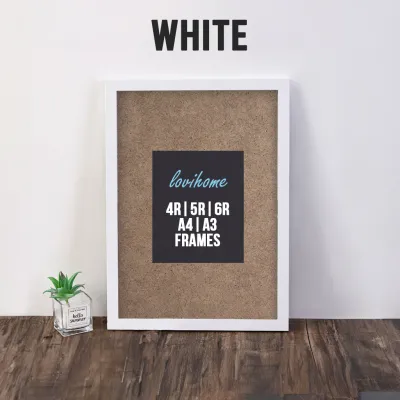
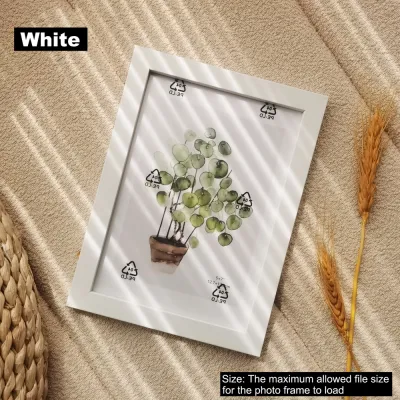
![[SG Stock]4R/5R/6R/A4 Wooden Photo Frame Picture Frame Wood White Black Simple Picture Frame Birthday Gift present Christmas gift](https://img.lazcdn.com/g/p/18a672b2ee155101dfd5e3af7b150d07.jpg_400x400q80.jpg_.webp)
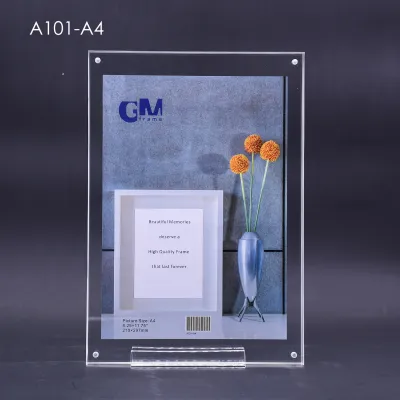
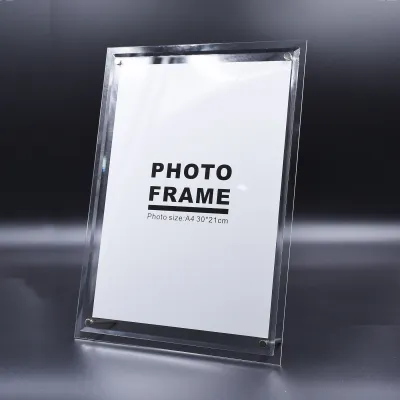



Prices are valid at publication and may change. Please refer to the product page for the latest price.
Metal frames, by contrast, offer clean lines, thin profiles, and a distinctly modern edge. Typically constructed from aluminum or brass, these frames provide exceptional structural strength without the bulk, allowing for incredibly narrow borders. This minimalist profile draws the eye directly to the artwork, making metal frames a favorite for industrial, contemporary, or gallery-style spaces. Matte black metal frames deliver a sharp, graphic contrast that suits black-and-white photography, while brushed brass or gold finishes introduce a touch of refined elegance to modern minimalist settings.
Acrylic frames offer a completely different visual dynamic by emphasizing transparency and lightness. Often designed as frameless or floating displays, acrylic frames sandwich the artwork between two clear panels, secured by metal standoffs. This design creates the illusion that the image is suspended in mid-air, allowing the wall color and texture to show through the borders. Acrylic frames are highly suited for ultra-modern, eclectic, or contemporary interiors where a heavy border might disrupt the visual flow. They excel at showcasing vibrant, colorful prints, modern abstract art, and double-sided documents, offering a clean, unobstructed view that maximizes the impact of the display.
Practical Durability and Environmental Checks
Beyond aesthetics, the physical characteristics of each material dictate how well a frame will perform over time under specific household conditions. Weight is a primary consideration when planning your wall decor. Wood and metal frames, particularly larger sizes fitted with traditional glass glazing, can be remarkably heavy. Before hanging these frames, it is crucial to verify the weight limits of your wall hardware and understand your wall construction. For example, solid concrete or masonry walls, common in many Singapore apartments, require masonry drills and wall plugs to support heavy frames safely. Conversely, partition walls made of drywall require specialized hollow-wall anchors or stud-location to prevent the hardware from pulling through the plaster.

Environmental factors like humidity and temperature also play a significant role in frame longevity. High humidity levels, typical in tropical climates or specific household zones like kitchens and bathrooms, can severely affect certain materials. Solid wood is porous and can warp, expand, or develop mold if exposed to persistent moisture without proper sealing. Metal frames are generally more stable in humid conditions, but you must check the manufacturer’s specifications to ensure they have been treated with corrosion-resistant coatings to prevent rust or tarnishing over time. Acrylic is highly resistant to moisture damage, making it a durable choice for humid zones, though it can warp if exposed to extreme, direct heat sources.
Light exposure is another critical factor that affects both the frame and the artwork inside. Standard glass or acrylic inserts do not inherently protect against ultraviolet (UV) light, which can cause photos to fade and paper to yellow. When placing frames in areas that receive direct sunlight, do not rely on the frame material itself for protection. Instead, look for specific product specifications indicating the use of UV-filtering or anti-reflective glazing. These specialized inserts are designed to block harmful rays and reduce glare, ensuring your artwork remains vibrant and visible from all angles.
Routine Maintenance and Cleaning Guidelines
To keep your photo frames looking pristine, regular and material-specific maintenance is required. Wood frames should be dusted regularly with a dry, soft microfiber cloth to prevent dust buildup in the grain. Avoid using liquid cleaners, aerosol sprays, or harsh household chemicals, as these can strip away natural oils, varnishes, or painted finishes. If a wood frame requires a deeper clean, use a slightly damp cloth followed immediately by a dry cloth to ensure no moisture lingers on the surface.
Metal frames are highly durable but are prone to showing fingerprints, smudges, and oil from hands, especially on polished or glossy finishes. To clean metal, wipe the surface gently with a dry microfiber cloth. For stubborn smudges, a cloth lightly dampened with water or a mild, pH-neutral soap solution is usually sufficient. Always check the manufacturer’s care instructions before applying any metal polishes or solvents, as some frames feature protective lacquer coatings that can be easily damaged or stripped by abrasive cleaners.
Acrylic frames require the most delicate care to prevent surface damage. Acrylic is highly susceptible to scratching and static buildup, which attracts dust. Never use paper towels, tissues, or rough cloths, as their fibers can leave fine scratches on the plastic surface. Instead, use a clean, dedicated microfiber cloth and a specialized, non-ammonia acrylic cleaner. Standard glass cleaners containing ammonia or alcohol must be avoided, as they can chemically react with the acrylic, causing it to craze, crack, or develop a cloudy, yellowed appearance over time.
Decision Framework: Choosing the Right Frame
Selecting the right frame material can be simplified by matching your specific practical needs and design preferences to the unique strengths of each material. Use the following guidelines to help finalize your decision:
Choose Wood if:
- You want to introduce natural warmth, texture, and organic character to your living space.
- Your home features Scandinavian, rustic, traditional, or bohemian design elements.
- You are framing classic portraits, family photos, certificates, or traditional artwork that benefits from a substantial, classic border.
- The installation area is well-ventilated and free from extreme humidity fluctuations.
Choose Metal if:
- You prefer a sleek, minimalist, or industrial aesthetic with clean, sharp lines.
- You are creating a large gallery wall and need thin, lightweight yet structurally strong frames to keep the focus on the images.
- You are framing modern black-and-white photography, architectural prints, or abstract art.
- You require a highly durable frame that resists warping in moderately humid environments.
Choose Acrylic if:
- You want a contemporary, frameless, or floating look that makes your artwork appear suspended.
- You want to maximize the color vibrancy and modern appeal of your prints or posters.
- You need a lightweight framing option for areas where heavy glass frames pose a safety concern.
- You want a material that is highly resistant to moisture damage in humid rooms.
Before making your final purchase, always verify the archival quality of the framing components if you are framing valuable or irreplaceable artwork. Ensure the matboards and backing materials are acid-free to prevent chemical damage to the paper over time. Additionally, assess the installation environment for direct sunlight or high moisture levels, and select specialized glazing or protective coatings accordingly.
Sizing, Matting, and Gallery Wall Placement
The visual impact of your framed artwork depends heavily on how you manage proportions, matting, and layout. Frame thickness and depth should scale appropriately with the size of the artwork and the available wall space. Large, dramatic prints often require wider, deeper frames to provide adequate structural support and visual balance. Conversely, smaller prints can look incredibly elegant when placed in thin, delicate frames, or conversely, in oversized frames with wide mats to draw focus to the small image.
Matting is a crucial element that serves both an aesthetic and a protective function. A matboard creates a border of visual breathing room around the artwork, separating it from the frame and drawing the viewer’s eye inward. Practically, the mat acts as a spacer, preventing the surface of the artwork from coming into direct contact with the glass or acrylic glazing. This gap is essential for preventing moisture condensation from trapping between the art and the glazing, which can cause the image to stick and ruin the print over time.
When planning a gallery wall, you can choose between a uniform or an eclectic layout. A uniform layout uses identical frames—same material, color, and size—arranged in a precise grid to create a clean, formal, and organized look. This approach works exceptionally well with metal or minimalist wood frames. An eclectic layout allows you to mix different frame materials, colors, and sizes for a curated, collected-over-time feel. To keep a mixed gallery wall cohesive, establish a unifying element, such as using the same color matboard for all pieces, keeping a consistent spacing between frames, or sticking to a defined color palette in the artwork itself.
Frequently Asked Questions (FAQ)
Can I mix wood and metal photo frames on the same gallery wall?
Yes, mixing wood and metal frames can create a dynamic and visually rich gallery wall. To prevent the arrangement from looking cluttered, establish a sense of balance and cohesion. You can achieve this by using consistent matting across all frames, maintaining a unified color palette in the artwork, or keeping the spacing between frames uniform. Distribute the visual weight evenly by scattering the heavier wood frames and the sleeker metal frames throughout the layout rather than grouping all of one type in a single section.
How do I safely hang heavy wood or metal frames on drywall?
To safely hang heavy frames on drywall, you must first determine the weight of the framed piece and locate the studs behind the wall using a stud finder. Whenever possible, secure your hanging hardware directly into a wooden stud for maximum support. If a stud is not available at your desired placement, use high-quality hollow-wall anchors, such as toggle bolts or self-drilling drywall anchors, that are rated for the specific weight of your frame. Always verify the weight capacity of both the wall anchors and the frame’s built-in hanging hardware before completing the installation.
Community discussion
Share your experience or ask a question. Comments are reviewed before publication.