
Choosing the right wooden oil diffuser brand depends on balancing your aesthetic preferences with your functional needs, such as room size and maintenance tolerance. In Singapore’s humid climate, selecting a brand that offers robust moisture protection and reliable local support is essential. By understanding the key differences in technology, materials, and design, you can find a model that seamlessly integrates into your home while delivering a consistent aromatherapy experience.
While many brands offer beautiful designs, their performance can vary significantly based on the underlying technology and build quality. This guide will help you navigate the technical specifications, material choices, and safety considerations so you can make an informed decision.
Quick Answer: Which Wooden Diffuser Profile Fits Your Space?
If you want to scent a large, open-concept living room or dining area, look for high-capacity ultrasonic wooden diffuser brands. These models use water to disperse a fine mist, adding a touch of moisture to air-conditioned spaces while gently distributing your favorite essential oils.
Products mentioned in this guide

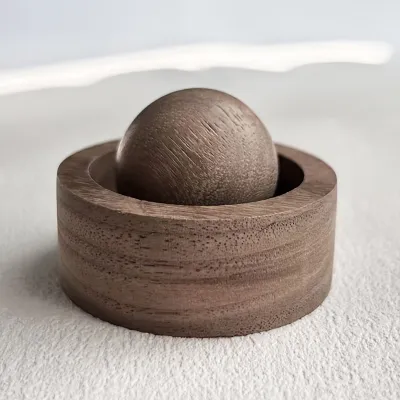
![[SG Seller] Essential Oil Diffused Wood Aroma Essential Oils Diffuser Wooden Essential Oil Aromatherapy Diffuser](https://img.lazcdn.com/g/p/7d9d516a223080d3a0d24d9aa764023f.jpg_400x400q80.jpg_.webp)
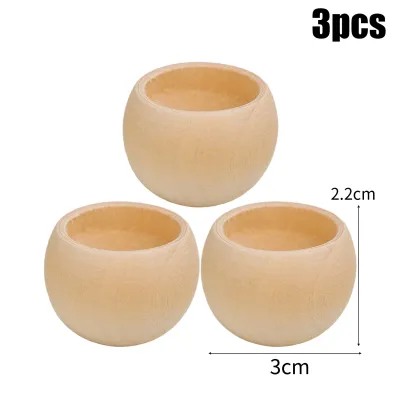
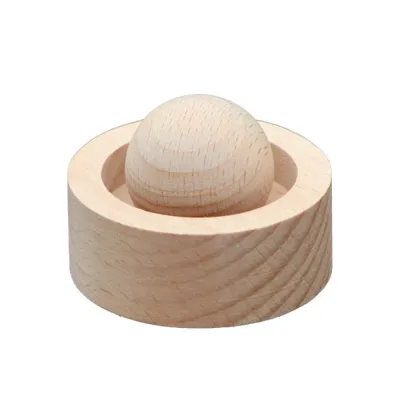

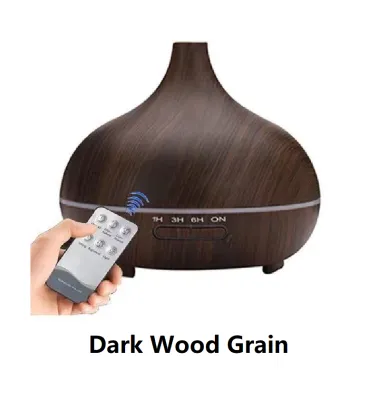
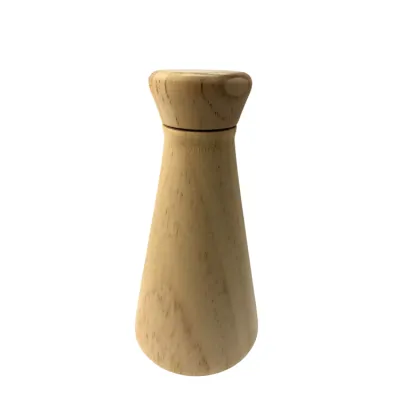
Prices are valid at publication and may change. Please refer to the product page for the latest price.
If you prefer a highly concentrated, pure aromatherapy experience without adding humidity to an already damp room, waterless nebulizing wooden diffuser brands are the ideal choice. These devices use pressurized air to atomize pure essential oils directly from the bottle, often housed in hand-turned hardwood bases.
To make a final decision, always verify current local stock, the availability of a local warranty in Singapore, and your specific room dimensions. A brand that offers a local service center or clear return policy provides peace of mind that overseas-only sellers cannot match.
Comparing Mist Output, Runtime, and Coverage Across Brands
When comparing different brands, the specification sheet is your best tool for ensuring the device matches your spatial and scheduling needs. Manufacturers often list coverage in square meters or square feet, which you should cross-reference with your actual room dimensions.

For a standard Singapore bedroom (typically 9 to 12 square meters), a compact diffuser with a mist output of 15 to 30 milliliters per hour is usually sufficient. For larger living areas or high-ceiling apartments, prioritize brands specifying coverage up to 30 or 40 square meters, which typically require a higher mist output of 50 milliliters per hour or more.
The relationship between tank size and runtime determines how often you need to refill the device. A small 100ml reservoir generally runs for 3 to 5 hours continuously, making it suitable for a quick evening relaxation session. If you plan to run the diffuser overnight while sleeping, look for brands offering a 300ml to 500ml capacity, or those featuring intermittent mist modes (such as 30 seconds on, 30 seconds off) which can extend a smaller tank’s runtime up to 8 or 10 hours.
Because diffusers are frequently placed on bedside tables or in quiet study rooms, motor noise is a critical factor. Ultrasonic brands typically operate below 35 decibels, producing a faint, soothing water-dripping sound and a low electrical hum. Nebulizing brands, which rely on mechanical air pumps, tend to be slightly louder and may produce a more noticeable vibration; look for brands that include rubberized feet or padded bases to dampen this sound.
Additionally, evaluate the lighting options before purchasing. Some brands feature bright, non-adjustable LED bands that can disrupt sleep, while others offer dimmable, warm-toned lights or a complete “light-off” mode for undisturbed rest.
Assessing Wood Authenticity, Build Quality, and Aesthetics
Many budget-friendly options on the market use acrylonitrile butadiene styrene (ABS) or polypropylene (PP) plastic printed with a wood-grain pattern. While these are highly durable and water-resistant, they lack the tactile warmth and unique grain variations of genuine timber. To identify authentic wood brands, check the product weight and material disclosures; real wood diffusers are significantly heavier and will explicitly list the species used, such as sustainably sourced rubberwood, beech, oak, or walnut.
Wood is naturally porous and susceptible to damage when exposed to constant moisture and highly concentrated essential oils. Premium brands address this by engineering a dual-layer structure: an inner reservoir made of medical-grade PP plastic or hand-blown glass, completely isolated from the outer wooden sleeve. This design prevents water from seeping into the wood grain, which can cause swelling, warping, or unsightly mold growth over time. When evaluating a brand, inspect the seam where the wood meets the plastic or glass components to ensure a tight, secure seal.
The choice of wood species should complement your existing interior design. Light-colored woods like bamboo, beech, or maple align beautifully with Scandinavian, Japandi, or minimalist aesthetics, reflecting light and keeping spaces feeling airy. Darker woods, such as walnut or mahogany, add a sense of warmth and sophistication, making them excellent matches for mid-century modern, industrial, or classic interior styles.
Decision Framework: Choose This Brand Type If…
To finalize your selection, consider how each brand type aligns with your lifestyle, maintenance tolerance, and space constraints.
Choose high-capacity ultrasonic wood brands if:
- You want a gentle, continuous scent dispersion paired with a mild humidifying effect for air-conditioned rooms.
- You prefer a low-maintenance device that is easy to clean with basic household items.
- You want a budget-friendly entry point, as ultrasonic models are widely available across various price tiers, starting from under S$40 to over S$120 for premium designs.
Choose waterless nebulizing wood brands if:
- You seek the most potent, therapeutic aromatherapy experience with undiluted essential oils.
- You want to avoid adding any extra moisture to your room, which is particularly beneficial during Singapore's humid monsoon seasons.
- You appreciate artisanal craftsmanship, as these models often feature hand-blown glass flutes paired with solid, heavy wood bases, typically positioned in the premium price range of S$80 to S$200+.
Before finalizing your purchase from any brand, verify three critical local factors. First, ensure the brand provides a local warranty valid in Singapore, which protects you against manufacturing defects or premature motor failure. Second, check if replacement parts—such as glass nebulizer flutes, power cords, or rubber seals—are easily accessible locally. Finally, confirm that the device comes with a compatible power adapter suitable for Singapore’s 230V electrical system and standard three-pin plug configuration, or can be safely powered via a standard USB connection.
Setup, Electrical Safety, and Wood Maintenance Checks
Always place your wooden diffuser on a flat, stable, and water-resistant surface, away from edge hazards and delicate electronics. Ensure the power cord is routed safely to prevent accidental trips. Because these devices combine water and electricity, verify that the power adapter carries recognized safety certifications, and never plug or unplug the device with wet hands.
To maintain optimal performance and preserve the wood’s natural finish, establish a regular cleaning routine. For the inner plastic or glass tank, empty any remaining water and wipe it down with a soft cloth dipped in a mixture of warm water and mild dish soap, or run a cycle with a small amount of white vinegar to descale mineral buildup. For the exterior wood shell, never submerge it in water or use harsh chemical cleaners; instead, gently wipe it with a dry or slightly damp microfiber cloth, and occasionally apply a food-safe wood conditioner or mineral oil to maintain its luster and moisture resistance.
Regularly inspect your diffuser for signs of wear. If you notice any warping or cracking of the outer wood, water leaking from the base, persistent internal mold that cannot be cleaned, or an unusual burning smell from the motor, stop using the device immediately. Unplug it from the wall and consult the manufacturer’s customer service or a qualified professional to assess whether it can be repaired or needs replacement.
Frequently Asked Questions (FAQ)
Can I use tap water in a wooden oil diffuser?
While many manufacturers state that tap water is acceptable, using it can lead to faster mineral buildup, especially in areas with harder water. Over time, these minerals can clog the ultrasonic membrane, reducing mist output and requiring more frequent cleaning. For the best performance and longevity of your diffuser’s internal components, using filtered or distilled water is highly recommended.
Do wooden diffusers mold or warp over time?
Genuine wooden diffusers can mold or warp if they are subjected to prolonged moisture exposure or if water leaks from the inner reservoir. To prevent this structural damage, always keep the exterior wood shell dry, avoid overfilling the water tank, and wipe away any spills immediately. When storing the device for an extended period, ensure all components are completely dry and store it in a cool, well-ventilated space.
Community discussion
Share your experience or ask a question. Comments are reviewed before publication.