
Finding a high-quality wooden table clock in Singapore requires balancing aesthetic appeal with structural durability, especially given the local tropical climate. While many brands claim to offer premium wood craftsmanship, true value lies in the choice of timber, the precision of the internal movement, and the protective finishes applied to the exterior. By understanding how to evaluate these components, you can select a timepiece that serves as both a reliable instrument and a beautiful decor accent for your home or office.
How to Assess Wood Quality and True Value
To make an informed purchase, you must first learn to distinguish between different types of wood construction. Solid wood clocks are crafted from single pieces of timber, such as oak, walnut, teak, or maple. These clocks are characterized by their substantial weight, unique grain patterns that flow continuously around the corners, and natural variations in color. Solid wood is highly durable and can be sanded down and refinished if it sustains surface damage over the years, making it a long-term investment.
Engineered wood, such as Medium-Density Fibreboard (MDF), is a more budget-friendly alternative. It is made by compressing wood fibers with adhesive under high pressure. While MDF is highly stable and less prone to warping than solid wood, it lacks the natural beauty of real grain. To bridge this gap, manufacturers often apply a wood veneer—a thin layer of real hardwood glued onto the MDF core. This provides the appearance of premium solid wood at a lower weight and cost. When evaluating a veneered clock, inspect the edges closely; poorly made veneers will show visible seams, bubbling, or peeling, especially in humid environments.
Products mentioned in this guide
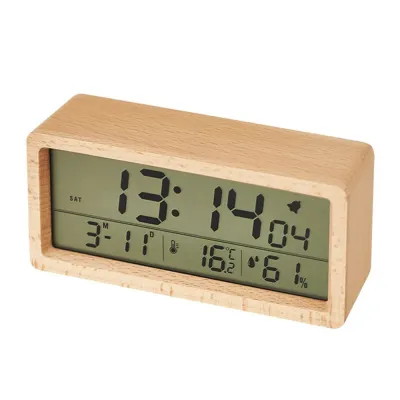
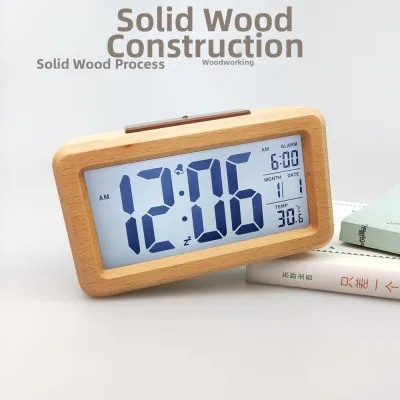
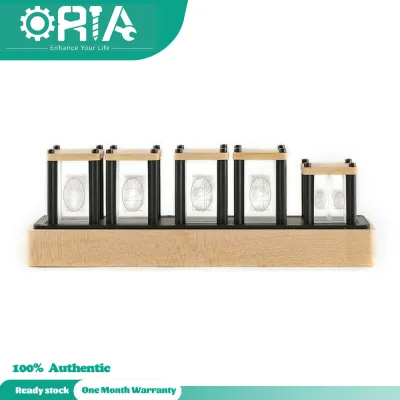
Prices are valid at publication and may change. Please refer to the product page for the latest price.
Price tiers in the Singapore market generally reflect these material differences. Budget options, typically priced under S$40, almost exclusively use engineered wood, plastic with wood-grain prints, or very thin veneers with basic, mass-produced quartz movements. The mid-tier range, spanning S$40 to S$120, offers a mix of high-quality veneers, lighter solid woods like rubberwood or pine, and more reliable, quieter movements. Premium wooden clocks, priced from S$120 to well over S$300, feature premium solid hardwoods, intricate hand-assembled joinery, and high-grade silent sweep or mechanical movements.
In Singapore’s humid climate, the stability of the wood finish is paramount. Unprotected wood absorbs moisture from the air, leading to swelling, warping, and potentially mold growth. High-quality brands apply protective coatings such as polyurethane, lacquer, or specialized wood oils that seal the pores of the timber. When shopping, look for a smooth, satin, or matte finish that feels dry and non-sticky to the touch, indicating that the protective sealant has cured properly and will shield the wood from ambient humidity.
Choosing the Right Style and Features for Your Space
A wooden table clock should complement the existing interior design of your room while serving its practical purpose. Minimalist and modern designs are characterized by clean lines, geometric shapes, and uncluttered clock faces. These clocks often omit traditional numbers in favor of simple linear markers or even completely blank faces, allowing the natural beauty of the wood grain to take center stage. Modern designs frequently utilize lighter-colored woods like ash, beech, or maple, which pair exceptionally well with contemporary Scandinavian, Japandi, or industrial workspaces and living rooms.

For more traditional, cozy, or rustic interior settings, classic wooden clocks are a perfect fit. These designs often feature richer, darker wood tones such as walnut, mahogany, or cherry, which add warmth and depth to a space. Classic styles may incorporate traditional elements like Roman numerals, ornate metal hands, or visible joinery techniques like box joints or dovetails. These timepieces look right at home on a study desk surrounded by books, on a living room mantelpiece, or on a wooden console table in an entryway, creating a sense of timeless elegance.
Beyond aesthetics, you should carefully evaluate the functional features of the clock based on where it will be placed. For bedside tables, a clock with an integrated alarm function is highly practical. Some modern wooden clocks feature digital LED displays that shine directly through a thin layer of wood veneer, presenting a seamless wooden block when inactive. If choosing a digital display, ensure it includes an adjustable dimming feature or an auto-off sensor so the light does not disrupt your sleep in a dark room. Other useful additions include built-in temperature and humidity sensors, which can help you monitor the comfort levels of your air-conditioned bedroom or study.
Inspecting Craftsmanship and Clock Movements Before You Buy
The heart of any clock is its movement, which determines its accuracy, noise level, and maintenance requirements. Quartz movements are the most common and practical choice for modern households. Powered by a small battery, quartz movements use a tiny synthetic crystal to keep highly accurate time, typically losing or gaining only a few seconds per month. They require virtually no maintenance other than a battery replacement every year or two.
Mechanical movements, which rely on a system of gears, springs, and pendulums, appeal to enthusiasts who appreciate traditional horology. These clocks do not use batteries and must be wound manually at regular intervals, typically every day or every eight days. While they possess immense character and craftsmanship, mechanical movements are less accurate than quartz, require periodic professional servicing to clean and oil the gears, and are significantly more expensive. Smart or digital movements offer advanced features like automatic time synchronization via Wi-Fi or Bluetooth, but they require more frequent battery charging or a continuous USB power connection.
For clocks intended for bedrooms, study rooms, or quiet offices, the noise level of the movement is a critical consideration. Traditional quartz movements use a “step” mechanism that moves the second hand once per second, producing a distinct ticking sound that can be highly distracting in a quiet room. To avoid this, look for clocks equipped with a “silent sweep” or “continuous sweep” movement. These mechanisms move the second hand in a smooth, uninterrupted motion, eliminating the ticking sound entirely. Always verify the product specifications or ask the seller directly if the clock features a silent sweep movement.
External craftsmanship is just as important as the internal mechanism. Inspect the physical joinery of the wooden casing; high-quality clocks feature tight, seamless joints without visible gaps, excess glue, or staples. Run your fingers along the edges, corners, and cutouts to ensure the wood has been thoroughly sanded and finished, with no rough patches or splinters. Finally, place the clock on a completely flat surface to verify its stability. The base should be perfectly flat and weighted appropriately so the clock does not wobble, slide, or tip over easily when touched or when the internal mechanism operates.
Where to Shop and How to Verify Sellers in Singapore
When looking to purchase a wooden table clock in Singapore, you have the choice between online marketplaces and physical retail stores. Online platforms offer unparalleled convenience, a vast selection of designs, and easy price comparisons. However, shopping online prevents you from physically inspecting the wood quality, feeling the weight of the clock, or listening to the movement to verify if it is truly silent. Physical home decor boutiques, furniture showrooms, and specialized lighting stores allow you to evaluate these physical attributes in person before making a decision.
To ensure you are buying a genuine, high-quality product, you must carefully verify the seller and the product details. When browsing online marketplaces, look for established sellers with high positive ratings and a history of reliable customer service. Read through customer reviews specifically looking for feedback on the packaging quality, as wooden items can easily be dented or scratched during transit. Check the warranty terms provided; reputable sellers should offer at least a 6-month to 1-year warranty on the electronic movement, even if the wooden casing itself is not covered.
Be alert to common red flags that may indicate a low-quality or counterfeit product. Avoid listings with vague or misleading material descriptions, such as “wooden style,” “wood-look,” or “natural finish” without explicitly stating the type of wood used (such as solid oak, MDF, or plastic). Be cautious of sellers who rely solely on highly edited, generic stock photos and do not provide close-up images of the wood grain, the back of the clock, or the battery compartment. A complete lack of information regarding the movement manufacturer, battery requirements, or return policies is another strong indicator that you should look elsewhere.
Maintaining Your Wooden Clock in a Humid Climate
Proper maintenance is essential to preserve the beauty and functionality of your wooden table clock, especially in Singapore’s tropical climate. Regular cleaning should be done using a dry, soft microfiber cloth to gently wipe away dust and fingerprints. Avoid using wet cloths, damp sponges, or harsh chemical household cleaners, as moisture and chemicals can strip away the protective wood finish, discolor the timber, or seep into the internal electronic movement, causing permanent damage.
The placement of your clock plays a vital role in its longevity. Keep the clock out of direct sunlight, as prolonged exposure to ultraviolet rays can cause the wood to fade, dry out, and crack over time. Additionally, avoid placing the clock directly in the path of air-conditioning vents or humidifiers. Rapid fluctuations in temperature and humidity can cause the wood to expand and contract too quickly, leading to warping of the casing or condensation forming inside the clock face, which can ruin the movement.
Battery maintenance is another crucial aspect of caring for quartz wooden clocks. Always replace the battery as soon as you notice the clock losing time or if the hands stop moving. Leaving a dead battery inside the clock for an extended period can lead to battery leakage, where corrosive acid escapes and destroys the metal terminals and electronic components. For mechanical wooden clocks, avoid over-winding the spring, and consider taking the clock to a professional horologist every few years for professional cleaning, oiling, and calibration to keep the gears running smoothly.
Frequently Asked Questions (FAQ)
Are wooden table clocks suitable for Singapore's humid climate?
Yes, wooden table clocks are perfectly suitable for Singapore’s climate, provided they are crafted from properly seasoned timber and treated with a high-quality protective sealant. Solid hardwoods like teak, oak, and walnut naturally resist moisture better than softer woods, while quality engineered woods with sealed veneers are also highly stable. To prevent moisture damage, avoid placing the clock in high-humidity areas like bathrooms or kitchens, and ensure the room has adequate ventilation or regular air conditioning to keep ambient humidity levels in check.
How do I fix a wooden clock that is running too fast or too slow?
For quartz wooden clocks, the most common cause of timing discrepancies is low battery voltage or dirty battery contacts. Start by removing the battery and inspecting the metal terminals for any signs of corrosion or dust; clean them gently with a dry cotton swab if necessary, then insert a fresh, high-quality battery. If the clock continues to run too fast or too slow after replacing the battery, the quartz movement itself may be faulty or worn out. In such cases, you can either consult a professional clock repair service or purchase a compatible replacement quartz movement kit to swap out the old mechanism.
Do wooden clocks require special batteries?
Many manufacturers of basic quartz clock movements recommend using standard carbon-zinc batteries rather than high-drain alkaline batteries. Alkaline batteries are designed for high-power devices and can sometimes deliver a stronger current than necessary, which may overheat or prematurely wear out the delicate electronic circuits and plastic gears inside a simple clock movement. Always check the manufacturer’s label, product manual, or the battery compartment itself for specific instructions regarding the recommended battery type to ensure the longevity of your clock.

Community discussion
Share your experience or ask a question. Comments are reviewed before publication.