
Choosing the right incense box is more than a matter of aesthetic preference; it directly impacts safety, ease of cleaning, and how well your unburned incense is preserved. The ideal material depends on your primary usage habits. If you prioritize natural warmth and lightweight portability, wood is an excellent choice. For those focusing on high heat resistance and effortless ash cleanup during stationary burning, ceramic stands out. Meanwhile, metal offers unmatched durability and a modern look, making it perfect for active households or travel.
Before evaluating materials, always verify that the box dimensions accommodate your specific incense stick lengths or cone sizes. A box that is too short will force you to trim your sticks, which can ruin the burning experience. By matching the material properties to your daily routine, you can ensure a safe, clean, and aromatic experience in your living space.
Quick Guide: Which Incense Box Material Fits Your Needs?
Selecting the right incense box requires balancing your lifestyle needs with the physical properties of each material. Here is a quick breakdown to help you identify the best option for your home:
Products mentioned in this guide
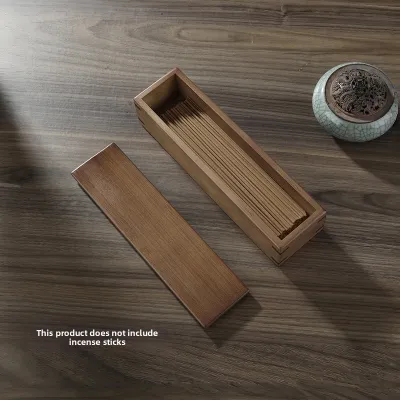
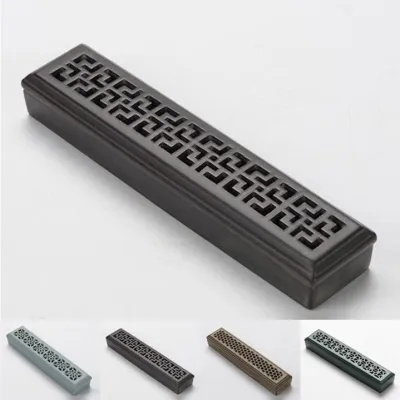
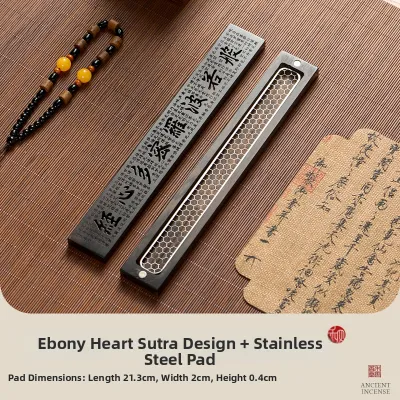
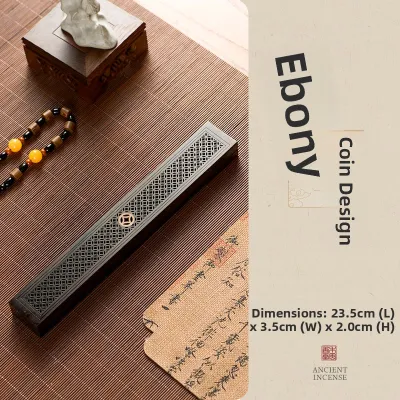
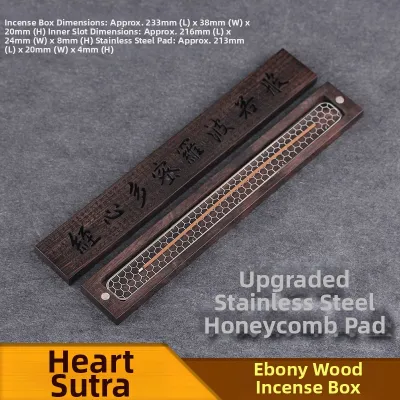
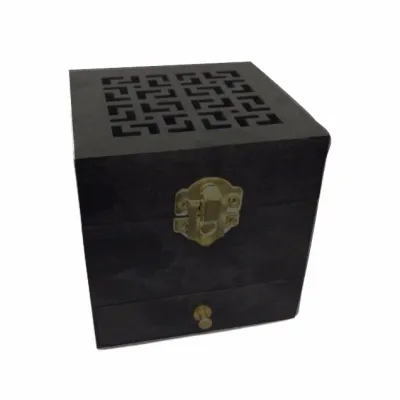
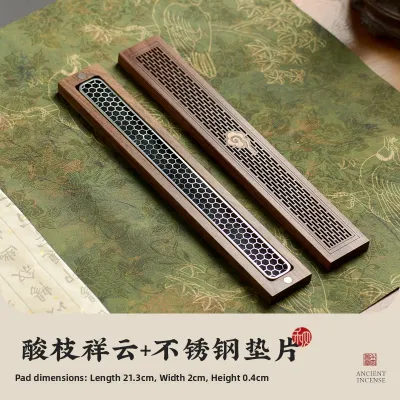
Prices are valid at publication and may change. Please refer to the product page for the latest price.
- Choose wood if you prioritize natural aesthetics, lightweight portability, and organic decor integration. Wooden boxes blend seamlessly with minimalist or rustic interiors and are easy to move from room to room.
- Choose ceramic if you focus on high heat resistance, easy ash containment, and traditional or artisanal styling. Ceramic burners are ideal for dedicated, stationary aromatherapy setups where safety and elegance are paramount.
- Choose metal if you need maximum drop resistance, travel-friendliness, and a modern minimalist look. Metal boxes withstand accidental drops and are highly durable for outdoor or high-traffic areas.
Regardless of your material preference, always verify the physical dimensions of the box before purchasing. Ensure the internal length matches your preferred incense sticks, as standard stick lengths can vary significantly.
Core Decision Factors for Incense Box Materials
To make an informed choice, you must weigh the practical trade-offs of each material across several key performance areas. These factors determine how well the box functions over years of daily use.

Durability and Drop Resistance Fragility is a major consideration depending on your household dynamic. Ceramic is highly susceptible to shattering if dropped on hard surfaces like tile or marble floors. Wood is much more resilient but can dent, scratch, or split if subjected to hard impacts. Metal offers the highest level of impact resistance, making it virtually immune to shattering, though it may dent or scratch over time.
Heat Resistance and Safety Boundaries Burning incense involves active embers that can reach high temperatures. Ceramic naturally excels at heat tolerance, absorbing and dissipating heat safely without structural damage. Wood is inherently combustible and requires specialized internal linings to prevent scorching or fire hazards. Metal conducts heat rapidly, meaning the exterior of a metal box can become hot to the touch during use, requiring careful placement on heat-resistant surfaces.
Incense Preservation Unburned incense sticks are highly sensitive to environmental factors, particularly moisture and humidity. In humid climates, porous materials like unsealed wood can absorb atmospheric moisture, causing the incense to damp or lose its fragrance. Metal and glazed ceramic provide excellent non-porous barriers, helping to keep stored incense dry and fresh, provided the box features a reasonably tight seal.
Ash Management and Cleaning Fine incense ash can easily stain or cling to certain surfaces. Glazed ceramic features a smooth, non-porous surface that allows you to wipe away ash with a damp cloth effortlessly. Wood is porous and can trap fine ash particles in its grain, making it harder to clean without causing water damage. Metal is easy to wipe down, but polished finishes may show fingerprint smudges and require regular buffing to maintain their luster.
Wooden Incense Boxes: Aesthetics, Care, and Limitations
Wooden incense boxes are highly favored for their organic warmth and traditional craftsmanship. They often feature intricate carvings, hollowed-out lids that allow smoke to drift out elegantly, and natural grain variations that make each piece unique. This organic look integrates beautifully with Scandinavian, Zen, or bohemian interior styles.
However, wood requires careful environmental management. In highly humid environments, unsealed wood is prone to warping, swelling, or even developing mold. If you live in a tropical climate, it is crucial to store your wooden box in a well-ventilated, climate-controlled room to preserve both the box and the incense stored inside.
Cleaning a wooden box requires a gentle touch. You should never soak a wooden burner in water or use harsh chemical cleaners, as this can strip the natural oils and cause the wood to crack. Instead, use a dry, soft-bristled brush to sweep out ash residue, or wipe the surface with a slightly damp microfiber cloth and dry it immediately.
Safety is the most critical check when choosing a wooden box. Because wood is combustible, you must verify that the box includes a heat-resistant lining, such as a black fireproof felt strip, or a designated metal burning tray. Never burn incense directly on bare wood, as this poses a severe scorching and fire hazard.
Ceramic Incense Boxes: Heat Resistance and Fragility Trade-offs
Ceramic incense boxes offer a beautiful blend of ancient artistry and practical heat safety. Because clay is fired at extremely high temperatures, ceramic burners can easily withstand the heat of burning incense cones, coils, or sticks without warping or scorching. Glazed ceramic options are particularly user-friendly, as the smooth finish prevents ash and oils from staining the material.
Despite their heat tolerance, ceramic boxes are heavy and fragile. If you have active pets, young children, or unstable shelving, a ceramic burner poses a safety risk if knocked over. A fall onto a hard floor will likely shatter the piece, creating sharp shards that must be cleaned up carefully.
From an aesthetic standpoint, ceramic offers incredible variety. You can find everything from minimalist matte finishes to vibrant celadon glazes and intricate hand-painted designs. This makes ceramic boxes highly decorative pieces that serve as focal points in living rooms, offices, or meditation spaces.
Before using a ceramic burner, always inspect it for micro-cracks or structural flaws that could expand under heat. Additionally, ensure the base of the burner is perfectly flat and stable. A wobbling burner can easily tip over during use, spilling hot ash onto your furniture.
Metal Incense Boxes: Durability and Modern Utility
Metal incense boxes, typically crafted from brass, copper, aluminum, or stainless steel, are built for longevity. Their high impact resistance makes them the ideal choice for high-traffic areas, outdoor patios, or for packing in a bag when traveling. They offer a sleek, modern, or antique industrial aesthetic that appeals to minimalist design preferences.
One major physical property of metal is its high heat conductivity. When incense burns inside a metal box, the heat transfers quickly to the exterior walls. To protect your wooden tables, veneered shelves, or delicate surfaces, always place a metal burner on a heat-resistant coaster, trivet, or stone tray, and avoid touching the box until it has fully cooled.
Depending on the specific alloy and finish, metal boxes can be prone to tarnishing, oxidation, or showing fingerprint smudges. Brass and copper will naturally develop a darker patina over time when exposed to air and moisture. While some appreciate this antique look, maintaining a bright shine requires periodic polishing with specialized metal cleaners.
When selecting a metal box designed for both storage and burning, verify the quality of the hardware. Check that the hinges move smoothly, the latches secure tightly, and the structural joints are solid. A secure latch is essential to prevent unburned incense or residual ash from spilling out while you are on the move.
Side-by-Side Material Comparison Matrix
To help you compare your options quickly, the table below summarizes how wood, ceramic, and metal perform across key decision dimensions:
| Material | Best For | Durability Profile | Heat Resistance | Maintenance Level | Ideal Setting |
|---|---|---|---|---|---|
| Wood | Natural decor & light storage | Moderate (can dent/warp) | Low (requires fireproof lining) | Moderate (dry wipe only) | Dry, climate-controlled rooms |
| Ceramic | Stationary burning & easy cleanup | Low (fragile/shatters) | High (excellent heat tolerance) | Low (easy to wipe clean) | Stable indoor tables & shelves |
| Metal | Travel, outdoors & modern style | High (impact-resistant) | Moderate (conducts heat quickly) | Moderate (may tarnish/smudge) | High-traffic areas & travel bags |
Please note that specific performance, safety limits, and humidity resistance depend heavily on the manufacturer’s exact build quality, material thickness, and protective coatings. Always refer to the product specifications for precise care instructions.
Final Decision Framework: Matching Material to Your Routine
To finalize your decision, consider how you plan to integrate incense into your daily routine and home environment:
- Choose Wood if your primary goal is aesthetic storage, or if you plan to burn incense in a dry, climate-controlled room using a box with a verified, pre-installed fireproof lining or a removable metal tray.
- Choose Ceramic if you want a permanent, stationary indoor burner where easy ash cleanup, high heat safety, and artistic design are your top priorities.
- Choose Metal if you need a highly resilient burner that can be transported frequently, used outdoors on a patio, or placed in a busy household where accidental bumps are common.
If you require a completely airtight, humidity-proof vault to protect rare, highly expensive agarwood or sandalwood incense from moisture, standard wooden, ceramic, or metal boxes may not suffice. In such cases, consider storing your premium incense in specialized glass jars with airtight silicone seals or sealed acrylic containers, using your decorative box strictly for the burning process.
Frequently Asked Questions (FAQ)
Can I burn incense directly inside a wooden box without a tray?
No, you should never burn incense directly on bare wood. Wood is a combustible material, and placing hot embers or burning sticks directly on it poses a serious fire hazard and will scorch or ruin the box. Always check the manufacturer’s instructions to verify if the box features a pre-installed heat-resistant lining, such as fireproof felt. If no lining is present, you must use a dedicated ceramic or metal ash catcher tray inside the wooden box to isolate the heat safely.
How do I remove stubborn ash stains from a ceramic incense box?
For glazed ceramic surfaces, you can easily remove stubborn ash stains by wiping the area with a soft microfiber cloth dampened with warm water and a drop of mild dish soap. Avoid using abrasive scrubbers, steel wool, or harsh chemical cleaners, as these can permanently scratch or dull the protective glaze. For unglazed, porous ceramic surfaces, avoid wet washing, as the porous clay can absorb dirty water and stain permanently; instead, gently use a soft eraser or a dry, stiff-bristled brush to lift the residue, and always check the product care label for approved cleaning methods.
Will a metal incense box rust if used in a humid environment?
Whether a metal incense box rusts depends entirely on the specific alloy and protective coatings used by the manufacturer. Untreated iron or low-grade steel boxes are highly prone to rust in humid climates, whereas stainless steel, solid brass, copper, and anodized aluminum are highly resistant to corrosion. To prevent oxidation and tarnish, keep your metal box dry, wipe away any moisture or sweat after handling, and avoid leaving it in damp areas like bathrooms. Always check the manufacturer’s material specifications to confirm the box’s suitability for high-humidity environments.
Community discussion
Share your experience or ask a question. Comments are reviewed before publication.