
A wrap blanket is more than a simple home accessory; it is a personal microclimate that you wear. Whether you are seeking refuge from the aggressive air conditioning of a Singapore office or settling down for a rainy evening at home, the material of your wrap blanket directly dictates how comfortable you will feel. Selecting the wrong fabric can turn a cozy moment into a sweaty, static-filled, or scratchy experience.
To make an informed purchase, you must look past generic marketing buzzwords and evaluate how different fibers perform across three core dimensions of comfort: softness, warmth, and drape. By understanding the physical characteristics of natural, semi-synthetic, and synthetic fibers, you can select a wrap blanket that perfectly aligns with your skin sensitivity, local climate, and lifestyle needs.
Defining Comfort: How Softness, Warmth, and Drape Interact
When evaluating a wrap blanket, comfort is often treated as a single, subjective quality. However, textile experts analyze comfort through three distinct, measurable physical properties that interact constantly. Understanding these dimensions allows you to predict how a blanket will feel against your skin and how it will behave when draped over your shoulders.
Products mentioned in this guide
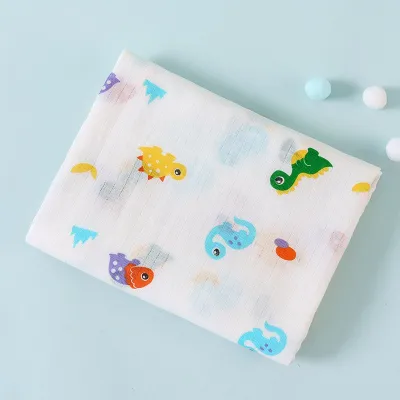
![[SG Local Seller] Muslin Swaddle / Blanket/Baby Swaddle/ Towel/muslin blanket/swaddle wrap/stroller blanket](https://img.lazcdn.com/g/p/8c00ecaa5ce7f0e870371df9d2bc832e.jpg_400x400q80.jpg_.webp)
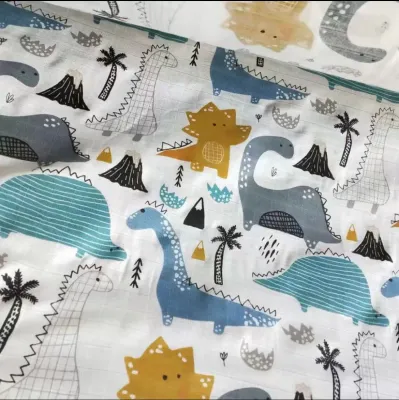
![[New Arrival] Baby Newborn Swaddle Wrap Sleeping Bag Infant Swaddle Blanket 100% Cotton](https://img.lazcdn.com/g/p/1a898c63dc07f158209dee3a81e024a5.jpg_400x400q80.jpg_.webp)
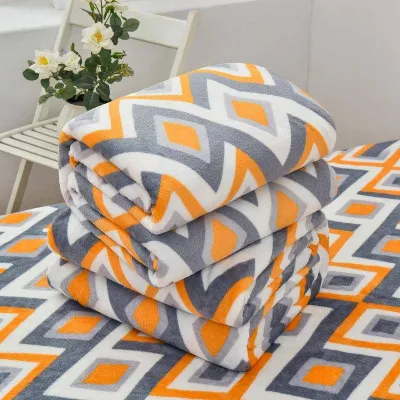
Prices are valid at publication and may change. Please refer to the product page for the latest price.
Softness refers to the tactile sensation of the fabric against your skin, determined primarily by fiber fineness and surface friction. Coarse fibers with high surface friction can irritate the skin, causing itching or redness, particularly during prolonged contact. In contrast, ultra-fine fibers like cashmere or bamboo viscose feel exceptionally smooth because their individual filaments are round, long, and flexible, minimizing mechanical irritation on the skin’s surface.
Warmth is not generated by the fabric itself but is a measure of how effectively the material traps still air, which acts as an insulator. At the same time, a blanket must offer adequate breathability to allow metabolic heat and moisture vapor to escape. In tropical climates like Singapore, where indoor air conditioning creates a stark contrast with outdoor humidity, finding a balance between insulation and breathability is crucial. A blanket that traps too much heat without breathing will quickly feel stifling and clammy.
Drape describes how a fabric falls, bends, and conforms to the contours of your body. A blanket with excellent drape will wrap snugly around your shoulders and torso without leaving large gaps where cold air can enter. Stiff, rigid materials tend to stand away from the body, creating drafts and feeling restrictive. Conversely, a fabric with a fluid, heavy drape moves naturally with your body, providing a secure, comforting sensation of being gently enclosed.
These three comfort dimensions often involve physical trade-offs. For instance, high-pile synthetic materials like sherpa fleece provide exceptional warmth and initial plushness, but their bulkiness can significantly compromise their drape, making them feel stiff and unwieldy. On the other hand, a lightweight bamboo wrap blanket offers an incredibly fluid drape and silky softness, but it may not provide enough insulation if you are sitting directly under a cold air-conditioning vent. Recognizing these trade-offs is the first step toward choosing the ideal material.
Common Wrap Blanket Fabrics and Their Comfort Profiles
To find the perfect balance of these comfort dimensions, you must examine the specific fiber groups used to manufacture wrap blankets. Each material category possesses a unique molecular structure and physical profile that influences how it feels, washes, and wears over time.

Cotton, Bamboo, and Modal Blends
Natural and semi-synthetic cellulosic fibers are highly regarded for their skin-friendliness, exceptional breathability, and ease of maintenance. Cotton, a natural seed fiber, is a staple in home textiles due to its durability and hypoallergenic properties. Bamboo and modal are semi-synthetic fibers derived from plant cellulose (bamboo grass and beechwood trees, respectively) processed through a chemical spinning method to create incredibly smooth, silk-like filaments.
In terms of softness, bamboo and modal are virtually unmatched among plant-based fibers. Their fibers are naturally round and smooth, resulting in a silky, low-friction texture that feels cool to the touch and is highly gentle on sensitive skin. Cotton also offers excellent softness, especially when processed as combed or long-staple varieties (such as Egyptian or Supima cotton), which remove shorter, scratchier fibers before spinning.
The warmth profile of cellulosic fibers is characterized by high breathability and moderate insulation. These materials excel at moisture absorption, drawing sweat away from the body and allowing it to evaporate into the air. This makes cotton, bamboo, and modal blankets highly suitable for tropical climates or moderately air-conditioned rooms, as they prevent the hot, humid “greenhouse effect” that often occurs under synthetic blankets.
When it comes to drape, these fabrics are exceptionally fluid and heavy. A bamboo or modal wrap blanket will contour closely to your body, mimicking the elegant fall of a high-quality shawl. However, pure cotton can sometimes feel slightly stiff initially and is prone to wrinkling. Blending cotton with modal or a small percentage of polyester can enhance its elasticity, reduce wrinkling, and improve the overall fluid quality of the drape.
Fleece, Microfiber, and Sherpa
Synthetic plush fabrics, primarily made from polyester, are engineered to maximize loft, warmth, and tactile coziness at an accessible price point. Fleece is a napped polyester fabric, microfiber refers to ultra-fine synthetic yarns woven tightly, and sherpa is a crimped polyester knit designed to mimic the curly texture of natural sheep’s wool.
The initial softness of these synthetic plush fabrics is remarkably high, offering a velvety, cloud-like sensation that many associate with immediate comfort. However, because polyester is a synthetic plastic fiber, these fabrics are prone to static electricity, which can attract dust, pet hair, and lint. Over time and through multiple wash cycles, the fine synthetic fibers can tangle and fuse, leading to pilling and a loss of that original plush texture.
The primary strength of fleece, microfiber, and sherpa lies in their warmth profile. Their high-loft, brushed surfaces trap a significant volume of dead air, providing excellent insulation while remaining incredibly lightweight. The major drawback, however, is their low breathability. Polyester does not absorb moisture well; instead, it traps humidity close to the skin. If the ambient temperature rises slightly, or if you tend to run warm, a heavy fleece or sherpa blanket can quickly make you feel sweaty and overheated.
The drape of synthetic plush blankets varies widely based on weight and pile height. Lightweight microfleece can drape reasonably well, but thick sherpa or heavy double-sided fleece blankets tend to be bulky and rigid. They do not contour easily around the shoulders, often bunching up or sliding off when you move, which can make them feel more like a structured layer than a fluid, wearable wrap.
Wool, Cashmere, and Alpaca
Premium animal protein fibers represent the pinnacle of luxury, durability, and natural thermal performance. Wool is harvested from sheep, cashmere from the soft undercoat of cashmere goats, and alpaca from the fleece of alpacas. These natural fibers have evolved over millennia to protect animals from extreme temperature fluctuations, making them highly sophisticated performance materials.
The softness of animal fibers is highly dependent on fiber diameter, measured in microns. Standard sheep’s wool can have a high micron count, resulting in coarse fibers that prickle the skin and cause itching. However, merino wool is much finer and significantly softer. Cashmere and alpaca fibers are exceptionally fine (typically under 19 microns), yielding an incredibly luxurious, cloud-soft texture that can be worn directly against bare skin without any discomfort.
The warmth profile of these luxury fibers is extraordinary. They possess a natural crimp that creates millions of microscopic air pockets, offering superior insulation. More importantly, wool, cashmere, and alpaca are highly breathable and naturally thermoregulating. They can absorb up to 30% of their weight in moisture vapor without feeling damp, actively wicking sweat away from your body and releasing it into the atmosphere. This unique property keeps you warm in a cold room while preventing overheating if the temperature fluctuates.
These premium fibers deliver a heavy, elegant drape that holds its shape beautifully. A wool or cashmere wrap blanket falls with a satisfying weight, hugging the body securely without feeling restrictive. While these blankets represent a significant financial investment, often costing upwards of S$150 to S$400, their structural integrity and comfort performance can last for decades with proper care.
Acrylic and Polyester Blends
Acrylic and polyester blends are widely used in mass-market wrap blankets to replicate the look and feel of natural wool or cotton at a fraction of the cost. Acrylic is a synthetic fiber designed specifically to mimic the crimp, loft, and warmth of natural wool, while polyester adds strength, wrinkle resistance, and colorfastness to the blend.
These blends can achieve a wide variety of textures, from soft, wool-like knits to smooth, cotton-like weaves. While they feel reasonably soft to the touch initially, they lack the natural elasticity and silkiness of high-end fibers. They are also highly susceptible to static buildup and can develop unsightly pills in high-friction areas, such as under the arms or along the edges, after only a few weeks of regular use.
From a thermal perspective, acrylic-polyester blends are highly effective at trapping heat, making them feel warm immediately. However, like pure polyester, they have poor moisture-wicking capabilities. If you use an acrylic wrap blanket in a humid environment or a room with fluctuating air conditioning, you may experience a clammy, uncomfortable warmth as moisture becomes trapped between your skin and the fabric.
The drape of these synthetic blends is highly versatile because they can be manufactured in almost any weight or weave structure. Woven acrylic wraps can mimic the elegant drape of a wool shawl, while knit polyester blends offer excellent stretch and flexibility. They hold their shape well after washing and resist wrinkling, making them a practical, low-maintenance choice for daily use, even if they do not match the long-term comfort of natural fibers.
Choosing the Right Material for Your Environment and Lifestyle
Selecting the ideal wrap blanket requires matching fabric properties to your specific daily routines, physical environment, and personal comfort preferences. In Singapore, where we constantly navigate the transition between humid outdoor air and chilly, air-conditioned indoor spaces, finding a versatile material is key to long-term satisfaction.
To help you navigate these choices, consider how different materials perform across common household and lifestyle scenarios:
| Scenario | Recommended Materials | Materials to Avoid | Key Decision Factors |
|---|---|---|---|
| Chilly Office Air-Conditioning | Merino Wool, Cotton-Modal Blends, Bamboo | Heavy Polyester Sherpa, Coarse Acrylic | Needs high breathability to prevent sweating, combined with moderate insulation to block cold drafts. |
| Sensitive Skin & Allergies | Organic Cotton, Bamboo Viscose, Pure Cashmere | Coarse Wool, High-Pile Fleece (traps dust) | Low surface friction is essential; hypoallergenic, smooth fibers prevent mechanical skin irritation. |
| Low-Maintenance Daily Use | Cotton-Polyester Blends, Microfleece | Pure Cashmere, Heavy Alpaca, Fine Merino | Requires machine-washable, quick-drying fabrics that resist pilling and wrinkling. |
| Outdoor Evening Breeze | Tight-Weave Cotton, Acrylic-Polyester Blends | Open-Weave Bamboo, Ultra-Lightweight Modal | Requires a denser weave to block light wind while maintaining comfortable warmth. |
When choosing a wrap blanket for prolonged indoor use in Singapore, prioritizing breathability over maximum heat retention is generally the most comfortable approach. A blanket made of bamboo, modal, or lightweight cotton will keep you comfortable in a room cooled to 22°C without causing you to overheat when the air conditioning cycles off. If you prefer a warmer feel, a lightweight merino wool or cashmere wrap provides excellent insulation without the clamminess associated with heavy synthetic plush fabrics.
Fabric weight and blanket dimensions also play a crucial role in how a material performs as a wrap. A wrap blanket is designed to be worn around the body, meaning it must be large enough to cover your shoulders and lap but not so oversized that it drags on the floor or feels heavy and restrictive. For a standard adult, a size of approximately 100 cm by 150 cm to 130 cm by 170 cm offers the perfect balance. If you choose a heavy material like wool or thick fleece, look for a smaller size to prevent the blanket from feeling like a heavy weight on your shoulders. Conversely, lightweight fabrics like bamboo or thin cotton can be larger, as their fluid drape allows them to bunch up comfortably without adding unnecessary bulk.
If you are looking for a balance between natural comfort and practical durability, blended fabrics are an excellent option. A cotton-polyester blend, for example, combines the breathability and softness of cotton with the strength, wrinkle resistance, and quick-drying properties of polyester. Similarly, a wool-acrylic blend can offer the warmth and texture of natural wool while being much easier to care for and significantly more affordable. When selecting a blend, aim for a natural fiber content of at least 60% to ensure the blanket retains its breathable, skin-friendly qualities.
Verifying Fabric Claims and Care Requirements Before Purchase
Before purchasing a wrap blanket, it is essential to look past creative marketing terminology and verify the actual material composition and care requirements. Manufacturers often use trade names or descriptive terms that can mislead consumers about what they are actually buying.
Always locate and read the textile composition label, which is legally required to list the exact percentages of each fiber used in the product. For example, products marketed as “mink velvet,” “flannel,” “crystal velvet,” or “plush fleece” are almost always made of 100% polyester. While these terms describe the texture or finish of the fabric, they do not indicate a premium or natural material. If a blanket claims to be a “bamboo wrap,” verify that the label specifies “bamboo viscose” or “rayon from bamboo” rather than a synthetic polyester blend with only a trace amount of bamboo fiber.
Care requirements are another critical factor that can affect the longevity and comfort of your blanket. Before buying, check the manufacturer’s washing instructions to ensure they fit your lifestyle. Synthetic materials like polyester, acrylic, and cotton blends are typically machine-washable and can be tumble-dried on low heat, making them highly convenient for busy households. However, premium natural fibers like cashmere, alpaca, and structured wool often require hand washing in cold water with a specialized wool detergent, followed by flat drying, or professional dry cleaning.
To protect your investment and prevent damage, always check the applied product’s label and the treated item’s manufacturer instructions first. If instructions conflict, the item is unidentified, or the use is not covered, stop and consult the manufacturer or a qualified professional. Attempting to machine-wash a dry-clean-only cashmere blanket can cause extreme shrinkage, felting, and permanent damage to the delicate fibers.
Additionally, be aware of the inherent risks associated with different materials. Cotton and bamboo are prone to moderate shrinkage during their first few washes, especially if exposed to hot water or high dryer heat. Synthetics like acrylic and low-grade polyester are highly susceptible to pilling in areas subject to friction. If a product claims to be hypoallergenic, antibacterial, or made from organic materials, look for recognized independent textile standards such as OEKO-TEX Standard 100 or the Global Organic Textile Standard (GOTS). These certifications verify that the fabric has been rigorously tested for harmful substances and meets strict environmental and safety criteria, giving you peace of mind before you wrap yourself in its warmth.
Frequently Asked Questions (FAQ)
What is the best material for a wrap blanket if I have sensitive skin?
If you have sensitive skin, the best materials for a wrap blanket are bamboo viscose, modal, or high-quality combed cotton. These plant-based fibers feature exceptionally smooth, long, and rounded filaments that minimize mechanical friction and irritation against the skin. They are also highly breathable and naturally hypoallergenic, which helps prevent heat and moisture from building up and triggering skin flare-ups. You should avoid coarse wools, unlined synthetic sherpa, and heavily chemically treated synthetics, as their rough textures and static retention can easily irritate delicate skin.
Will a fleece wrap blanket make me sweat in an air-conditioned room?
Yes, a fleece wrap blanket can easily make you sweat in an air-conditioned room, especially if the temperature fluctuates or if you tend to run warm. While polyester fleece is excellent at trapping body heat to keep you warm, it has very low breathability and poor moisture-wicking capabilities. This means that any sweat or humidity generated by your body becomes trapped beneath the blanket, creating a hot, clammy microclimate. If you want to avoid sweating, opt for a wrap blanket made of merino wool, bamboo, or cotton blends, which offer superior temperature regulation and moisture management.
Community discussion
Share your experience or ask a question. Comments are reviewed before publication.