
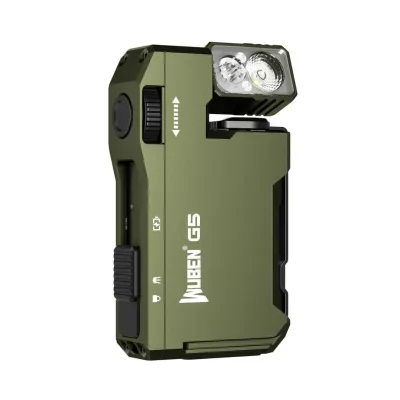
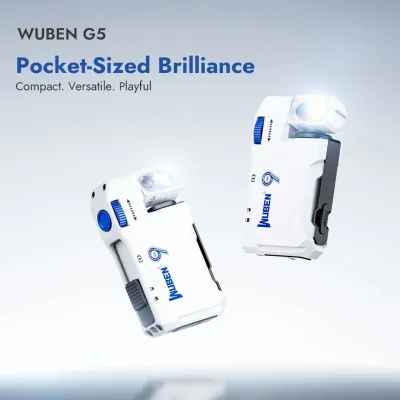
When the electricity suddenly cuts out in a high-rise residential estate, finding your way through a darkened home requires a dependable, immediate light source. The wuben g5, a highly compact and versatile everyday carry (EDC) flashlight, is frequently discussed as a modern alternative to traditional, bulky emergency lanterns. While it is not a dedicated, wall-mounted commercial emergency light that automatically switches on during a grid failure, its portable design, dual-light source, and flexible mounting options make it a compelling candidate for residential backup use.
Evaluating this compact tool for a Housing & Development Board (HDB) flat requires looking beyond standard marketing claims. Because Singaporean apartments feature unique architectural layouts—such as windowless concrete household shelters and compact distribution board (DB) closets—an emergency tool must offer specific practical benefits. Determining whether this model is right for your home involves analyzing how its physical specifications, battery performance, and light distribution patterns align with your household’s safety plans.
Quick Verdict: Evaluating the Wuben G5 for HDB Living
To understand if the wuben g5 fits your household emergency plan, you must first distinguish between a general-use pocket flashlight and a dedicated home emergency system. This device is designed primarily as a lightweight, portable key-ring light rather than a stationary ambient lamp. Its core strengths lie in its extreme portability, USB-C recharging capability, and hands-free mounting features, which allow you to carry it easily or stick it to metal surfaces while troubleshooting a tripped circuit breaker.
Products mentioned in this guide
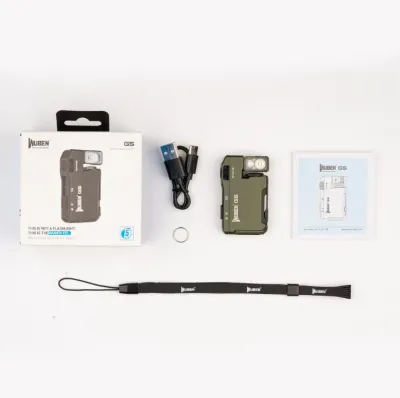
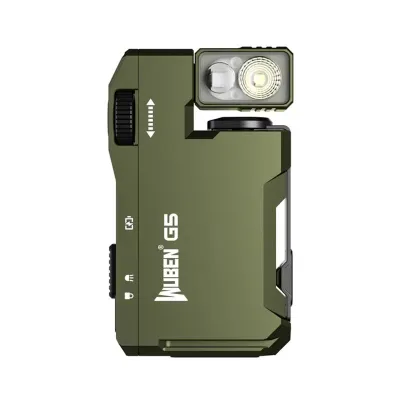
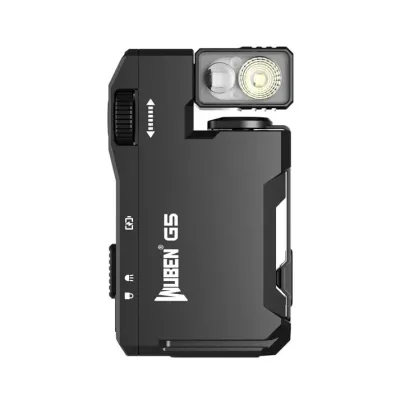
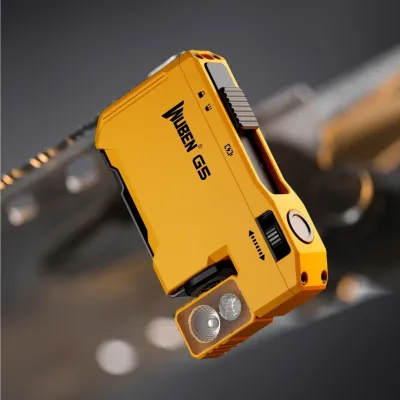
Prices are valid at publication and may change. Please refer to the product page for the latest price.
However, its compact size introduces clear engineering trade-offs that you must consider before relying on it as your sole emergency light. Because it lacks the wide, heavy base of a traditional room lantern, it cannot easily illuminate a large, open-concept living room for hours on end without careful placement. Its suitability ultimately depends on matching the manufacturer’s verified specifications to your specific room layouts, the size of your household, and your realistic expectations for power outages.
For most HDB homeowners, this device is best utilized as a personal “first-response” light. It is the tool you keep within arm’s reach to safely navigate dark corridors, access your main electrical DB box, or locate larger backup lanterns stored in utility closets. By framing its role as a tactical, highly mobile coordinator rather than a whole-house illuminator, you can build a more resilient emergency setup.
Brightness and Room Coverage of the Wuben G5 in HDB Layouts
When evaluating any light source for emergency use, you must verify its maximum lumen output and beam angle directly from the manufacturer’s official specification sheet. The wuben g5 features a dual-light design, typically combining a focused main beam with a softer, secondary side light. This dual-beam configuration is highly practical for navigating the distinct zones of a standard Singaporean apartment, where lighting needs can change from room to room.

Focused task lighting is essential for specific, high-precision actions during a blackout. If your flat experiences a sudden localized power trip, you will need to inspect your DB box to see if a residual current circuit breaker (RCCB) or miniature circuit breaker (MCB) has tripped. The focused main beam of this device allows you to direct a concentrated stream of light exactly onto the switches and labels, making it easy to identify the fault without casting distracting shadows.
Conversely, ambient room lighting is required to keep your family safe and comfortable in common areas like the living room or dining space. Because a compact keychain light naturally produces a relatively narrow beam, pointing it directly across a room can create harsh glare and deep, disorienting shadows. To mitigate this, you can employ the “ceiling bounce” technique: place the light on a stable surface and point the beam directly at your white plaster ceiling, which scatters the light to create a soft, even, and glare-free ambient glow throughout the room.
This ambient scatter is particularly crucial when dealing with an HDB household shelter, commonly referred to as the bomb shelter. These spaces are constructed with thick, reinforced concrete walls, heavy steel doors, and absolutely no windows or natural light sources. Because concrete surfaces absorb light more readily than standard painted drywall, a narrow flashlight beam can make the shelter feel incredibly confined and dark; utilizing the secondary side light or a physical diffuser is highly recommended to distribute light evenly across the shelter’s interior.
Battery Runtime and Blackout Readiness
An emergency light is only as reliable as its power source, making it critical to analyze the battery capacity and runtime limits of your device. Compact EDC lights rely on built-in lithium-ion batteries that offer high energy density but have physical size limitations. You should carefully review the manufacturer’s manual to understand how long the battery will last at various brightness levels, keeping in mind that maximum or “turbo” modes will deplete the battery within minutes due to high power draw.
Fortunately, power outages in Singapore are rarely widespread or prolonged, thanks to a highly robust and well-maintained underground electrical grid. Most blackouts in HDB flats are localized events caused by a faulty household appliance, water ingress in a balcony socket, or an overloaded multi-plug adapter. Because these incidents are usually resolved within a few hours—either by resetting the circuit breaker or waiting for an electrician—the moderate runtime of a compact rechargeable light is generally sufficient.
To maximize your readiness during an outage, you should avoid using the light on its highest brightness setting unless absolutely necessary. Running the device on its low or medium modes can extend the battery life from a few minutes to several hours, providing more than enough time to manage a standard electrical trip. Additionally, you should familiarize yourself with the device’s built-in battery level indicator lights so you can monitor your remaining power in real time.
Because this model utilizes a standard USB-C charging port, recharging it during an extended emergency is highly convenient. Instead of searching for rare replacement alkaline batteries in the dark, you can plug the device directly into standard USB-C wall adapters, laptop ports, or portable power banks that you likely already use for your mobile phones. Keeping a dedicated, fully charged power bank alongside your emergency light ensures you have a continuous power cycle even during multi-day outages.
Space-Saving Design and Placement Flexibility
Modern HDB apartments, particularly newer Build-To-Order (BTO) flats, are designed with space optimization in mind. Storing large, heavy emergency searchlights in small utility closets can contribute to household clutter and make the tools difficult to retrieve quickly. The miniature footprint of this pocket-sized light allows it to fit seamlessly into your existing home organization without taking up valuable real estate.
One of the most practical features of this device class is the inclusion of hands-free mounting mechanisms. Many pocket lights feature integrated magnetic bases, dual-way pocket clips, or small utility hooks. In an HDB context, these features allow you to mount the light securely in several key locations:
- The DB Box Door: Sticking the magnetic base directly to the metal casing of your electrical distribution board provides instant, hands-free illumination of the switches.
- Kitchen Hoods and Appliances: Magnets allow you to attach the light to steel cooker hoods or refrigerator doors, keeping your hands free to handle food or kitchen tools safely.
- Door Hinges and Metal Shelving: In narrow corridors or bomb shelters, clipping the light to a metal shelf unit or door hinge elevates the light source, improving overall room coverage.
This hands-free capability is incredibly valuable in tight spaces like HDB kitchens or narrow entryways. If you are trying to locate a tripped switch, carry a glass of water, or guide a family member through a dark hallway, holding a traditional flashlight in one hand significantly limits your mobility. A light that can be clipped to your clothing or stuck to a nearby metal surface ensures you can complete household tasks safely and efficiently.
Heat Dissipation and Indoor Safety Considerations
High-output LED lights packed into compact metal or polycarbonate bodies present unique thermal challenges. When operating at high lumen levels, these devices generate significant heat that must be dissipated through the body of the light. Because there is limited surface area for cooling, the exterior of the flashlight can become warm or even hot to the touch during extended use.
To prevent discomfort or accidental burns, you should consult the product manual to verify if the device features automatic thermal throttling or step-down protections. These safety systems automatically lower the lumen output when internal temperatures reach a certain threshold, protecting both the LED emitter and the internal lithium-ion battery. Understanding how and when your light steps down prevents surprise drops in brightness during an active emergency.
When positioning the light for ambient room illumination, you must observe basic fire safety protocols. Never place an active flashlight directly against flammable materials, such as polyester curtains, bedsheets, sofa cushions, or paper documents, as the intense light energy and localized heat can pose a fire hazard. Instead, ensure the light is placed on a flat, stable, non-flammable surface—such as a tiled floor, a quartz kitchen countertop, or a metal shelf—well out of reach of young children and curious pets.
Electrical safety is equally important when maintaining your emergency equipment within the flat’s electrical ecosystem. Always inspect your USB-C charging cables for fraying, exposed wires, or bent connectors before plugging them in. To prevent short circuits or electrical faults, always charge the device using a high-quality charging adapter that carries the Enterprise Singapore Safety Mark, ensuring it has been tested and certified for safe home use.
Maintenance and Storage Tips for Long-Term Readiness
Singapore’s tropical climate, characterized by high year-round humidity and ambient temperatures averaging around 30°C, can be harsh on stored electronic devices. High humidity can accelerate the corrosion of metal contacts and charging ports, while sustained heat can degrade lithium-ion batteries over time. To ensure your light operates perfectly when a blackout occurs, proper storage and routine maintenance are essential.
You should store your emergency light in a cool, dry, and easily accessible location within your flat. Avoid storing the device in areas prone to high humidity or direct sunlight, such as unshaded service yards, balconies, or cabinets directly adjacent to bathroom vents. Instead, choose a centralized spot, such as a drawer near the main entryway, a dedicated emergency grab-bag, or a shelf inside your household shelter, and make sure every member of the family knows exactly where it is kept.
Proper care of the internal lithium-ion battery will significantly extend the lifespan of your device. If you plan to keep the flashlight in long-term storage without daily use, do not store it completely empty or fully charged to 100%, as both extremes accelerate battery degradation. Instead, charge the battery to approximately 50% to 60% of its capacity before storing it, which is the optimal state for preserving chemical stability.
Finally, establish a simple quarterly maintenance schedule to verify the readiness of your emergency gear. Every three months, retrieve the light from its storage location, turn it on to check the beam functionality, inspect the charging port for dust or lint, and top up the battery charge if necessary. Taking five minutes to perform these basic checks guarantees that when the power suddenly goes out, you will not be left holding a dead flashlight in the dark.
Frequently Asked Questions (FAQ)
Can I use the Wuben G5 as a daily bedside lamp in my HDB bedroom?
While you can use the lowest brightness setting of this device for quick nighttime navigation, it is not ideal as a permanent bedside reading lamp. Its primary light source typically emits a cool-white color temperature, which can disrupt sleep hygiene by suppressing melatonin production compared to warm-white light. Additionally, because keychain lights are exceptionally lightweight and have small, rounded profiles, they can easily roll off a small bedside table or nightstand if bumped in the dark.
What should I do if the Wuben G5 gets too hot during a blackout?
If the device becomes uncomfortably warm during sustained use, you should immediately switch it to a lower brightness mode to reduce power consumption and heat generation. Place the flashlight on a highly heat-conductive, non-flammable surface—such as a ceramic floor tile, a granite kitchen counter, or a metal shelf—to help draw heat away from the body. Never cover the active light with cloth, paper, bedding, or any other insulating material, as this traps heat and can lead to thermal damage or safety hazards.
Community discussion
Share your experience or ask a question. Comments are reviewed before publication.