
Choosing between the Xiaomi Desk Lamp Pro, BenQ’s premium lighting range, and Philips’ advanced desk lamps comes down to balancing smart home integration, precise optical engineering, and your physical desk layout. While Xiaomi offers a highly connected, minimalist option that appeals to smart home enthusiasts, brands like BenQ and Philips focus heavily on specialized optical designs, such as asymmetric light distribution and advanced glare reduction. To find the right fit for your workspace, you must evaluate how each lamp’s physical footprint, adjustability, and lighting specifications align with your daily tasks and desk dimensions.
Core Comparison Dimensions for Premium Desk Lamps
The primary function of any premium desk lamp is to provide high-quality illumination that supports your daily activities without causing eye strain or physical discomfort. However, different brands approach this goal with distinct design philosophies. For instance, some models are engineered as general ambient lights that flood a wide area with soft illumination, making them ideal for reading physical books, sketching, or crafting. Other models are designed as highly targeted task lights, focusing a concentrated beam of light directly onto a specific work surface while keeping the surrounding areas relatively dim. Understanding whether your primary use case involves screen-based work, paper-based tasks, or a combination of both is the first step in narrowing down your options.
In many Singapore homes, study corners and home offices are set up in compact bedrooms or cozy living room alcoves where desk space is at a premium. The physical footprint of a desk lamp’s base plays a major role in how well it integrates into your setup. A lamp with a large, heavy base provides excellent stability but can dominate a shallow desk, leaving little room for a keyboard, mouse, monitor stand, and documents. Conversely, a lamp with a clamp-on base or a highly compact footprint frees up valuable desk real estate but may limit where you can position the light. When evaluating the Xiaomi Desk Lamp Pro against competitors from BenQ and Philips, pay close attention to the base dimensions and how they will fit alongside your existing desktop items.
Products mentioned in this guide
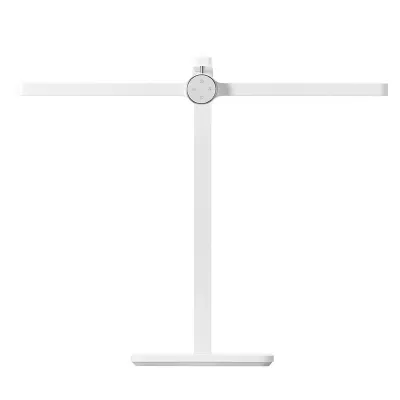
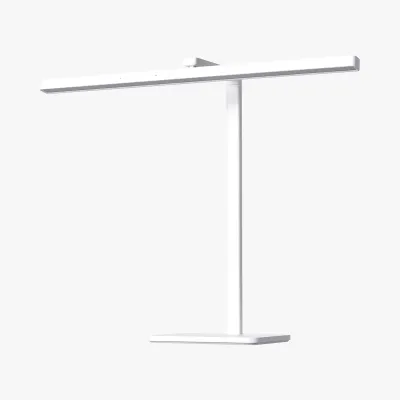
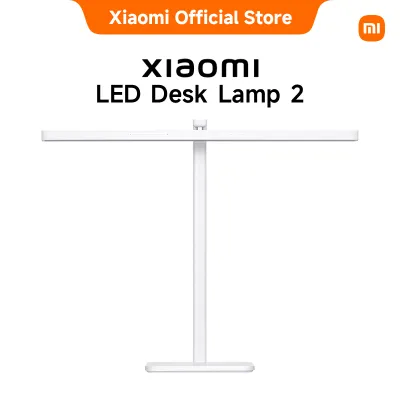
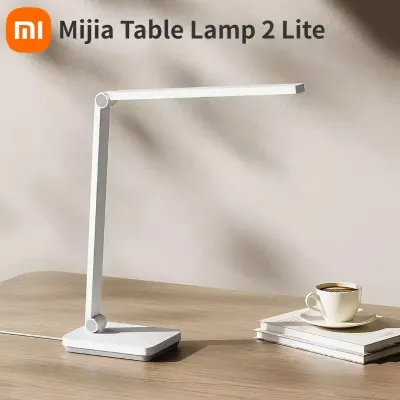
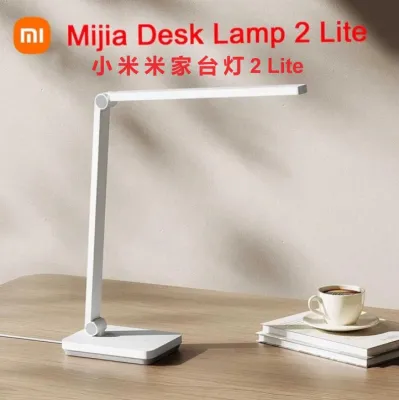
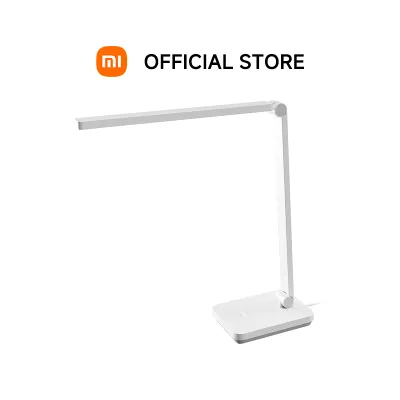
Prices are valid at publication and may change. Please refer to the product page for the latest price.
Arm reach and height adjustability are equally critical, especially if you use a large monitor or a dual-screen setup. A desk lamp with limited reach may end up casting shadows across your workspace or, worse, blocking your view of the screen. Premium lamps often feature multi-axis joints that allow you to extend, raise, lower, or tilt the light source to achieve the perfect angle. If your monitor is tall or if you use a monitor arm that elevates your screen, you will need a lamp with a long, flexible arm that can reach over the top of the display. Checking the maximum height and reach specifications in the manufacturer’s manual is essential to ensure the lamp can clear your screens without causing distracting reflections.
Before committing to any premium model, measure your desk depth and the height of your monitors to establish your physical clearance requirements. A shallow desk of 60 centimeters or less requires a highly adjustable lamp that can direct light downward without extending too far forward. If the lamp’s arm is too rigid, you may find yourself forced to sit in an awkward position to avoid the light shining directly into your eyes. By taking precise measurements of your workspace beforehand, you can avoid the frustration of purchasing a high-end lamp only to find that its physical dimensions are incompatible with your desk layout.
Illumination and Eye Comfort Standards
When evaluating eye comfort claims, it is important to look past marketing buzzwords and focus on verifiable technical specifications. The Color Rendering Index (CRI) is a critical metric that measures how accurately a light source reveals the true colors of objects compared to natural sunlight. For tasks that require high color accuracy, such as photo editing, graphic design, or color-matching materials, you should look for a lamp with a CRI rating of Ra 90 or higher. You can typically verify this rating by checking the product label, the technical specifications section of the user manual, or the manufacturer’s official product page.
Flicker-free certification is another vital specification to verify, as invisible high-frequency flickering can lead to headaches, eye strain, and fatigue during long study or work sessions. Reliable manufacturers often seek third-party certifications, such as IEEE standards or TÜV Rheinland certifications, to validate their flicker-free claims. Additionally, compare the adjustability ranges for color temperature and brightness dimming steps across the models you are considering. Some lamps offer continuous, stepless dimming and color temperature adjustment from warm white (around 2700K) to cool daylight (around 6500K), allowing you to customize the light to suit your circadian rhythm and the time of day.
Glare reduction mechanisms are where premium brands like BenQ and Philips often showcase their proprietary optical engineering. BenQ’s desk lamps, for example, frequently utilize asymmetric optical designs that direct light at a precise angle to illuminate the desk surface while completely avoiding the computer screen, thereby eliminating screen glare. Philips lamps often incorporate specialized diffusers, honeycomb lenses, or micro-prism arrays to distribute light evenly and reduce harsh shadows. When comparing these features, review the manufacturer’s optical design descriptions to understand how the lamp controls light distribution and whether it is optimized for screen-based work or traditional paper-based reading.
Smart Features and Build Quality
The physical durability and build quality of a desk lamp are directly related to its long-term reliability and ease of use. Premium lamps rely on robust materials, such as anodized aluminum alloys, steel hinges, and high-quality polymer joints, to ensure the lamp stays securely in place once adjusted. Check user reviews or product specifications for details on hinge tension and weight distribution; a well-balanced lamp should allow you to adjust the arm smoothly with one hand without the base lifting off the desk. Cheaply constructed joints can loosen over time, causing the lamp head to sag or droop, which compromises both safety and functionality.
Smart home integration is a key differentiator for the Xiaomi Desk Lamp Pro, which is designed to connect seamlessly with popular smart home ecosystems. If you already use Apple Home, Google Home, or Xiaomi’s Mi Home app, you can easily integrate the lamp into your existing automation routines. This allows you to set schedules, control the lamp remotely, or link it with motion sensors and other smart devices in your home. In contrast, many premium lamps from BenQ and Philips focus on physical control interfaces, such as touch-sensitive sliders, rotary dials, or ambient light sensors that automatically adjust brightness based on surrounding light levels, rather than extensive smart app connectivity.
If you choose a smart-enabled lamp, keep in mind that certain conditions must be met to enjoy its full functionality. You will typically need a stable 2.4GHz Wi-Fi network, as many smart home devices do not support 5GHz bands. Furthermore, regular firmware updates may be required to maintain compatibility with your smartphone’s operating system or smart home hub. If you prefer a simple, plug-and-play experience without the hassle of setting up accounts, configuring apps, or managing network connections, a lamp with robust physical controls and built-in auto-dimming sensors may be a more practical and reliable choice for your daily routine.
Verifiable Specifications and Feature Breakdown
To help you compare these premium desk lamps effectively, the table below outlines the key technical specifications and features you should verify before making a purchase. Always cross-reference these parameters with the official product listings or user manuals to ensure compatibility with your specific setup.

| Specification Category | Xiaomi Desk Lamp Pro (Typical Specs) | Premium Competitors (BenQ / Philips) | Verify Before Buying |
|---|---|---|---|
| Power Input & Voltage | Check for 12V/24V DC input via adapter; verify local 220V-240V AC compatibility. | Often uses dedicated power adapters; verify local voltage and plug type. | Ensure the power adapter carries local safety certifications (e.g., Safety Mark in Singapore). |
| Color Rendering Index (CRI) | Typically specifies Ra 90 or higher on official labels. | Often ranges from Ra 90 to Ra 95+ for high-end models. | Check the manual to confirm the exact CRI rating for color-critical work. |
| Color Temperature Range | Generally adjustable from 2500K (warm) to 4800K/5000K (cool). | Often ranges from 2700K (warm) up to 5700K/6500K (cool). | Verify if the range supports your preferred working light color. |
| Smart Home Protocols | Wi-Fi (2.4GHz), Bluetooth; compatible with Apple Home and Mi Home. | Often limited to physical controls or proprietary apps; check specific models. | Confirm compatibility with your existing smart home hub or router bands. |
| Physical Adjustability | Three-axis rotation; adjustable arm joints and rotating head. | Multi-jointed arms, ball joints, or counterbalanced designs. | Measure your monitor height to ensure the lamp arm can clear the screen. |
Pricing and Long-Term Value Considerations
When assessing the total cost of ownership, it is important to look beyond the initial purchase price and consider the long-term value of your investment. To get an accurate picture of the current market landscape, check the latest prices on official brand stores and authorized e-commerce platforms in Singapore, ensuring you compare listings in S$. While the Xiaomi Desk Lamp Pro is often positioned as a highly competitive, budget-friendly entry into the premium segment, specialized models from BenQ and Philips typically command a higher price due to their advanced optical engineering and premium materials.
Warranty terms and the availability of replacement parts are crucial factors that influence long-term value. Because desk lamps contain integrated LED modules that cannot be easily replaced by the user, a failure in the LED driver or the light source itself often means replacing the entire unit. Check whether the manufacturer offers a local warranty in Singapore and read the terms carefully to understand what is covered. A longer warranty period, such as two to three years, provides peace of mind and indicates the manufacturer’s confidence in the product’s durability and electrical safety.
Software support longevity is another critical consideration for smart lamps. A smart lamp is only as good as the software that controls it; if the manufacturer stops updating the companion app or firmware, you may lose access to smart integrations and automation features over time. Non-smart premium lamps, such as those from BenQ, avoid this issue entirely by relying on high-quality physical components and local sensors that do not depend on internet connectivity or software updates. Consider whether you prefer the convenience of smart automation or the long-term simplicity and reliability of a traditional, well-engineered physical interface.
Final Decision Framework: Which Lamp Fits Your Setup?
To finalize your decision, evaluate how each lamp’s unique features align with your specific workspace requirements, budget, and daily habits. The Xiaomi Desk Lamp Pro is an excellent choice if you are looking for a sleek, minimalist design that integrates seamlessly into an existing smart home ecosystem. Its ability to be controlled via apps, voice assistants, and automated schedules makes it highly convenient for users who enjoy customizing their environment digitally. If you want a highly connected lamp that offers solid overall performance without a premium price tag, this model is a strong contender.
On the other hand, you should consider premium models from BenQ or Philips if your daily routine involves long hours of intense screen-based work or tasks that demand exceptional visual comfort. If you frequently suffer from eye strain, headaches, or glare-related fatigue, the specialized asymmetric optical designs and advanced light diffusion technologies offered by these brands are well worth the extra investment. Additionally, if your desk setup features a large, high-resolution monitor or a complex multi-screen layout, the superior physical adjustability and longer arm reach of high-end task lamps will ensure your workspace is evenly illuminated without blocking your view.
However, neither option may be suitable if your physical workspace or existing infrastructure conflicts with the lamp’s requirements. For example, if your desk is exceptionally shallow or made of a fragile material that cannot support a heavy base or a clamp, you may need to look for alternative lighting solutions, such as a monitor-mounted light bar. Similarly, if your home network is restricted or if you do not wish to manage smart home apps, a highly connected smart lamp will add unnecessary complexity to your setup.
Before making your final purchase, always perform a few essential checks to guarantee compatibility and safety. Verify that the lamp’s power adapter is compatible with Singapore’s standard voltage (220V-240V) and carries the appropriate safety certifications. Double-check the physical dimensions, including the base footprint and the maximum arm extension, against your measured desk space. By taking the time to verify these technical and physical specifications, you can confidently choose a desk lamp that enhances your productivity, protects your eyes, and fits perfectly into your home.
Community discussion
Share your experience or ask a question. Comments are reviewed before publication.