
Quick Answer: Which Brand is Best for Student Eye Protection?
Choosing the ideal reading light for a student depends on desk size, study habits, and budget. There is no single universal winner, as Xiaomi, Philips, and BenQ each target distinct user needs with different design philosophies.
BenQ represents the premium tier, offering advanced optical engineering, wide light distribution, and smart ambient sensors that automatically adjust to changing room conditions. Philips occupies a reliable mid-range position, focusing on proven glare reduction, heavy ergonomic stands, and specialized physical study modes. Xiaomi provides the entry-level budget option, delivering essential eye-care certifications and smart home connectivity at a highly accessible price point.
To make the right choice for a study environment in Singapore, you must evaluate specific eye-care metrics, structural durability, and local safety certifications. This comparison breaks down these critical factors to help you identify the best fit for your home.
Products mentioned in this guide
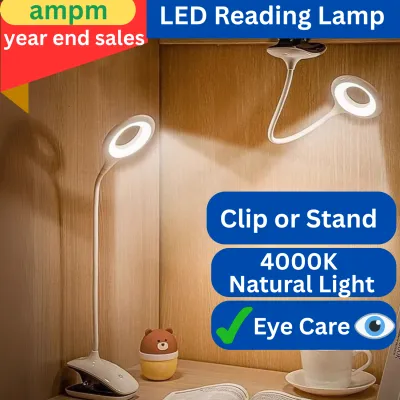
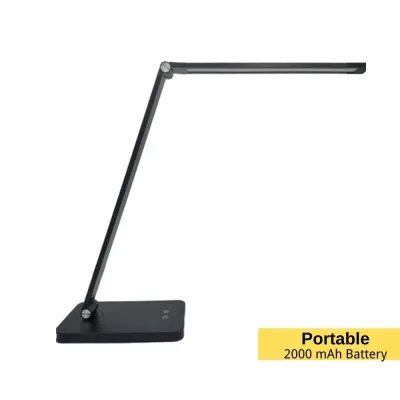
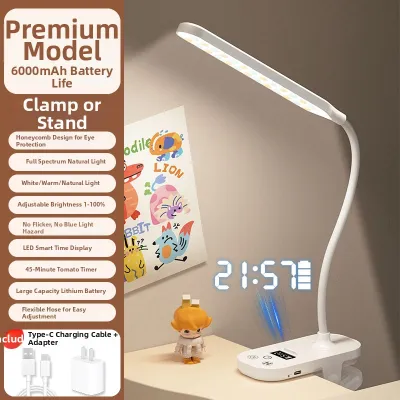
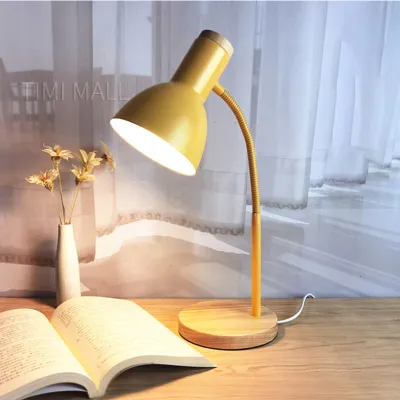

![[SG stock]Teacher day Gift Mini Book Light LED Night Light USB Rechargeable Clip On Reading Lamp Brightness Adjustable Bedroom Travel](https://img.lazcdn.com/g/p/158e98bcbacab16537c08ec35b24cce7.jpg_400x400q80.jpg_.webp)
![[SG SELLER] [FREE SHIPPING] Portable Clip On Reading Lights (Type B) Bendable Night Light On The Go](https://img.lazcdn.com/g/p/d9539bff27c468247a79fdc1ad237d65.jpg_400x400q80.jpg_.webp)
Prices are valid at publication and may change. Please refer to the product page for the latest price.
Core Eye Protection Features to Compare
Evaluating a reading light requires looking past marketing buzzwords to understand the technical specifications that directly impact visual comfort. When students spend hours reading textbooks, writing notes, or typing on screens, the quality of light determines how quickly their eyes fatigue.

Illuminance and Uniformity
Illuminance refers to the amount of light falling on a surface, measured in lux. For intense study sessions, a desk surface should ideally achieve an illuminance of at least 500 lux. However, sheer brightness is not enough; uniformity is equally critical.
If a lamp creates a bright hotspot directly underneath the bulb while leaving the rest of the desk in shadow, the pupil must constantly dilate and constrict as the student looks around. This continuous muscular adjustment leads to rapid eye strain and tension headaches. High-quality lamps utilize curved light guides or wide-angle diffusers to distribute light evenly across the entire working area.
Flicker-Free Technology and Blue Light Hazard
Many cheap LED lights exhibit rapid, invisible flickering caused by low-cost alternating current drivers. Although this strobing effect is often imperceptible to the naked eye, the optic nerve still detects it, resulting in physical fatigue, dry eyes, and difficulty focusing. Quality reading lights use high-frequency direct current (DC) dimming circuits to eliminate this flicker entirely.
Blue light hazard is another major concern for parents. High-energy blue light can disrupt circadian rhythms, making it harder for students to fall asleep after late-night study sessions. When shopping, look for products certified under the Risk Group 0 (RG0) exemption level, which verifies that the light source poses no photobiological blue light hazard even during prolonged exposure.
Color Rendering Index (CRI) and Color Temperature
The Color Rendering Index (CRI), measured as Ra, indicates how accurately a light source reveals the true colors of objects compared to natural sunlight. A low CRI makes colors look dull or distorted, which forces the eyes to work harder when reading colored diagrams or performing artistic tasks. For a student’s study lamp, a CRI of 90 or above is recommended to ensure clear, natural color definition.
Color temperature, measured in Kelvin (K), influences alertness and mood. Cooler light (around 5000K to 6500K) mimics daylight and promotes focus and attention during daytime studying. Warmer light (around 2700K to 3000K) reduces blue light emission and signals the body to relax, making it ideal for evening reading. An adjustable color temperature feature allows students to transition smoothly between these modes.
Glare Control and Optical Engineering
Direct glare occurs when the light source shines directly into the eyes, while indirect glare is caused by light reflecting off glossy paper, tablet screens, or polished desk surfaces. Both types of glare cause significant visual discomfort and force students into awkward postures to avoid the reflection. Advanced reading lights address this issue using physical honeycomb diffusers, polarization filters, or asymmetric optical designs that direct light onto the desk at an angle, keeping the source hidden from direct line of sight.
Brand Profiles: Xiaomi vs Philips vs BenQ
Each of these three brands approaches student lighting with a unique balance of technology, build materials, and pricing. Understanding their core design philosophies helps narrow down which brand aligns with your specific expectations.
Xiaomi: Smart Ecosystem and Budget Value
Xiaomi has built a reputation for delivering highly functional smart home appliances at entry-level prices. Their reading lights focus on sleek, minimalist aesthetics and deep integration with smart home ecosystems. Users can easily control brightness, set schedules, and adjust color temperatures via mobile apps or voice assistants.
Despite the budget-friendly pricing, Xiaomi does not compromise on baseline eye safety. Their flagship study lamps carry recognized certifications for low blue light emissions and flicker-free operation. However, to maintain these low price points, Xiaomi relies heavily on lightweight ABS plastics and simpler mechanical hinges. While functional, these joints may require more careful handling over years of daily adjustments.
- Best for: Tech-savvy students and budget-conscious households who want reliable baseline eye protection, automated scheduling, and smart home integration.
Philips: Reliable Optics and Ergonomic Build
Philips is an established giant in the global lighting industry, bringing decades of optical research to their consumer products. Their reading lights prioritize physical comfort and robust construction. Philips lamps often feature proprietary optical designs, such as honeycomb micro-lens arrays, which distribute light evenly and minimize harsh glare on physical paper.
In terms of build quality, Philips lamps generally feature heavy, stable bases that prevent accidental tipping and multi-axis adjustable arms that allow precise positioning. The controls are typically physical, intuitive buttons located on the base, making them easy for younger children to operate without needing a smartphone. Many models also include built-in, pre-configured study modes optimized for writing or screen reading.
- Best for: Parents seeking a durable, straightforward desk lamp with proven glare-reduction technology and simple physical controls for daily study.
BenQ: Premium Light Coverage and Advanced Sensors
BenQ positions itself at the premium end of the study lamp market, focusing heavily on cutting-edge optical engineering. Their signature WiT series features a distinctive curved head design that casts an exceptionally wide, arc-shaped pool of light. This design solves the common problem of dark corners on large desks, ensuring that textbooks, notebooks, and screens are all illuminated with equal intensity.
BenQ lamps are equipped with highly sensitive ambient light sensors. These sensors continuously monitor the surrounding room lighting and automatically adjust the lamp’s brightness to maintain a constant, optimal level of illumination on the desk surface. The physical build matches the premium price, utilizing high-grade aluminum alloy arms, counterbalanced bases, and heavy-duty friction joints that remain stiff and stable over years of use.
- Best for: Students with large study desks, those who regularly split their time between physical textbooks and computer screens, and buyers with a flexible budget who prioritize top-tier optical coverage.
Build Quality, Adjustability, and Desk Footprint
A reading light must be physically practical for daily use, especially as a student grows and their study setup evolves. The physical design, materials, and footprint of the lamp play a massive role in its long-term utility.
Adjustability and Joints
As students grow, their height and seating posture change, requiring adjustments to the lamp’s height and angle. BenQ and Philips lamps typically feature multi-axis joints made of cast metal or reinforced polymer. These heavy-duty joints allow the light head to be rotated, tilted, and raised with a smooth, one-finger motion, holding their position securely without drooping over time. Xiaomi lamps often use simpler single-hinge or flexible silicone gooseneck designs; while highly adjustable, they may offer less vertical reach and can slowly drift if the joints wear down.
Base Weight vs. Desk Clamps
A heavy, counterbalanced base ensures the lamp remains stable even when the arm is fully extended. However, a large base takes up valuable desk real estate. For compact study spaces, some models from BenQ and Philips offer interchangeable clamp mounts. Clamps secure the lamp directly to the edge of the desk, freeing up the entire surface for books and computers. Before choosing a clamp, verify that your desk has a compatible, sturdy edge and is not made of fragile materials like thin glass.
Space Considerations in Singapore Homes
In many Singapore HDB flats and condominiums, bedrooms are compact, and study desks are often limited to widths of 90cm to 120cm and depths of 60cm. A reading light with an oversized base or an excessively wide arm swing can make the workspace feel cluttered.
- Xiaomi lamps generally have a very small, circular footprint, making them highly suited for tight corners and small desks.
- Philips lamps offer a moderate footprint with stable, rectangular bases that sit neatly alongside laptop setups.
- BenQ lamps have a larger, heavier footprint designed to balance their wide curved heads. If you select a BenQ model for a compact desk, utilizing a desk clamp accessory is highly recommended to preserve workspace.
Material Durability and Heat Dissipation
High-power LEDs generate localized heat at the light source. If this heat is not dissipated efficiently, the LED chips will degrade faster, leading to a loss of brightness and color shifting over time. Aluminum alloy components, commonly found in BenQ and premium Philips models, act as highly effective heat sinks, extending the lifespan of the lamp. Plastic housings, while lighter and cheaper, do not dissipate heat as effectively, which is an important consideration if the lamp will be left on for many hours every day.
Pricing Tiers and Safety Verifications in Singapore
When purchasing electrical appliances in Singapore, budget is only one part of the equation. Ensuring the product is safe for home use and complies with local regulations is paramount.
Pricing Tiers in SGD
To help plan your purchase, reading lights can be categorized into three broad pricing brackets:
- Budget Tier (Under S$100): Dominated by Xiaomi and entry-level local brands. These lamps offer essential eye-care features and smart controls but rely on plastic construction.
- Mid-Range Tier (S$100 to S$250): Primarily occupied by Philips. These models feature advanced glare control, sturdier metal-and-plastic hybrid builds, and specialized optical lenses.
- Premium Tier (Over S$250): Led by BenQ. These lamps feature premium aluminum construction, automatic dimming sensors, wide-angle curved lighting, and highly durable mechanical joints.
For current promotions and seasonal discounts, it is best to check official brand stores or authorized local electronics retailers.
The Singapore SAFETY Mark
In Singapore, desk lamps that plug directly into mains power outlets are classified as Controlled Goods under the Consumer Protection (Safety Requirements) Registration Scheme. This means they must be tested and certified to meet stringent safety standards before they can be legally sold.
Before purchasing, look for the official SAFETY Mark printed on the power adapter or the lamp base. This mark features a distinctive logo and a unique 8-digit registration number that can be verified on the Consumer Product Safety Office (CPSO) database. The SAFETY Mark ensures the power adapter has been tested against short circuits, overheating, and electrical shocks.
Voltage, Plugs, and Grey-Market Imports
Singapore operates on a 230V/50Hz electrical grid and uses the Type G (UK-style 3-pin) plug. When browsing online marketplaces, you may encounter cheaper, parallel-imported versions of Xiaomi or other international brands. These grey-market imports often come with two-pin flat plugs (Type A or I) designed for other regions, requiring the use of universal travel adapters.
Using uncertified adapters for high-wattage or long-duration appliances poses a serious fire hazard. Furthermore, parallel imports lack local safety registration and may not be rated for Singapore’s voltage standards. Always purchase from local authorized distributors to ensure the lamp comes with a native Type G plug and a certified power supply.
Warranty and After-Sales Support
Unlike traditional lamps where you can simply screw in a new bulb, modern eye-protection reading lights use integrated LED arrays. If the LED driver or the control board fails, the entire unit may become unusable.
Choosing a brand with a strong local warranty (typically 1 to 2 years) ensures you can easily get a replacement or repair. Authorized local distributors for Philips and BenQ provide reliable service centers in Singapore, whereas parallel-imported budget lamps often offer no warranty coverage once the platform’s return window closes.
Final Decision Framework: Choose Based on Your Study Setup
To finalize your decision, match your specific desk environment, budget, and usage patterns against this structured framework.
Choose Xiaomi if:
- You are working with a strict budget (under S$100) and want the best possible eye-care specifications for that price point.
- Your study desk is relatively small or narrow, requiring a lamp with a very compact footprint.
- You enjoy smart home automation, such as setting schedules for the light to dim gradually as bedtime approaches.
Choose Philips if:
- You want a durable, mid-range lamp backed by decades of proven optical research and glare reduction.
- You prefer simple, physical controls that children can easily operate without relying on a smartphone or app.
- You require a highly stable, adjustable stand that can be repositioned daily without loosening.
Choose BenQ if:
- You have a large, deep study desk that requires wide, uniform light coverage across multiple books and screens.
- You want a hands-off experience where built-in sensors automatically adjust the brightness as daylight fades.
- You are willing to make a long-term premium investment in a lamp constructed with high-grade aluminum alloys and exceptionally durable joints.
Verify First if:
- You are buying online: Check the seller's listing explicitly for the Singapore SAFETY Mark and a native Type G 3-pin plug.
- You have a glass desk: Avoid high-intensity, narrow-beam lamps that create harsh reflective glare; opt for models with advanced polarization or asymmetric light paths.
- You plan to use a clamp: Measure the thickness of your desk edge and check for any under-desk support beams that might block the clamp installation.
- Instructions conflict: Always prioritize the physical user manual provided by the manufacturer regarding voltage limits, cleaning instructions, and maximum wattage ratings. If in doubt, disconnect the power and consult a qualified professional.
Frequently Asked Questions (FAQ)
Can a reading light completely prevent myopia progression?
No desk lamp or reading light can cure or completely prevent myopia. Myopia progression in students is influenced by genetic factors, prolonged close-up work, and a lack of exposure to natural outdoor light. However, a high-quality reading light mitigates eye strain, dry eyes, and physical fatigue by providing uniform, flicker-free, and glare-controlled illumination. This creates a comfortable environment that supports healthy study habits. To manage myopia effectively, students should combine good lighting with regular outdoor activity and consistent eye breaks.
Should I get a monitor light bar instead of a desk lamp for studying?
Your choice should depend on your primary study medium. Monitor light bars are designed to clip onto the top of a computer screen, casting an asymmetric beam of light that illuminates the keyboard area without reflecting off the screen. They are highly effective for saving desk space and reducing digital eye strain. However, if a student’s primary tasks involve reading physical textbooks, writing on paper, or drawing, a traditional desk lamp is superior. Desk lamps offer a wider range of physical adjustments, higher vertical reach, and a broader pool of light to cover large physical workspaces.
Community discussion
Share your experience or ask a question. Comments are reviewed before publication.