
Achieving the serene balance of a Japandi-style home requires careful lighting choices, and smart solutions from Yeelight offer an excellent path to this aesthetic. While Yeelight is widely known for modern, high-tech fixtures, selected models and smart integration strategies can perfectly deliver the warm, organic, and minimalist atmosphere that defines Japandi interiors. The ideal approach involves either choosing their sleek, low-profile linear pendants or pairing versatile Yeelight smart bulbs with organic, third-party shades made of natural fibers. By blending advanced smart home functionality with minimalist design, you can create a space that is both highly functional and deeply calming.
Core Principles of Japandi Lighting Design
Japandi style represents a harmonious fusion of Japanese rustic minimalism (wabi-sabi) and Scandinavian functionality (hygge). This design philosophy prioritizes simplicity, natural beauty, and a sense of warmth that makes a house feel like a sanctuary. In lighting design, this translates to fixtures that are understated yet highly functional, serving as quiet design elements during the day and gentle sources of warmth at night.
To achieve this look, the lighting must be soft and diffused rather than harsh or direct. Sharp spotlighting and exposed, glaring bulbs can disrupt the visual flow and create cold, clinical shadows that clash with the soothing nature of Japandi interiors. Instead, look for fixtures that incorporate diffusers or shades that scatter light evenly across the room, mimicking the soft glow of sunlight filtering through paper screens.
Products mentioned in this guide
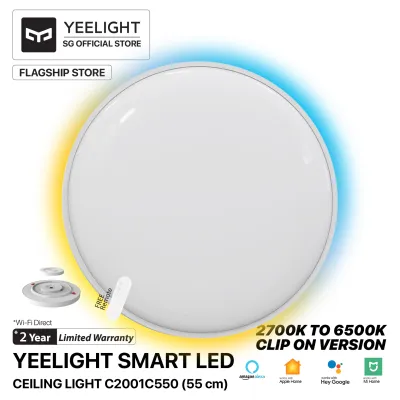
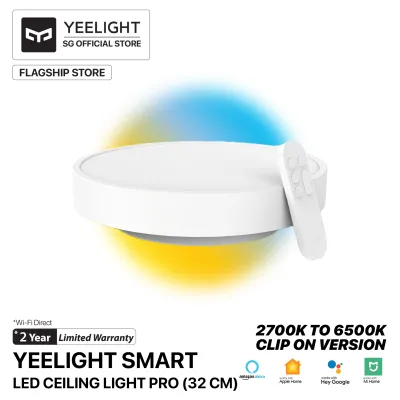
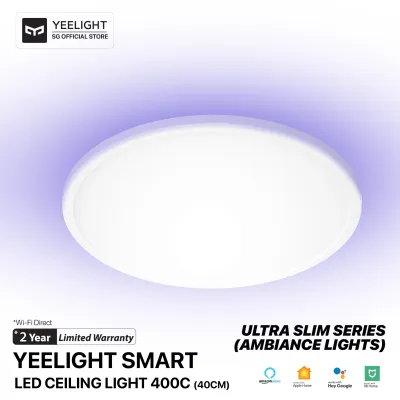
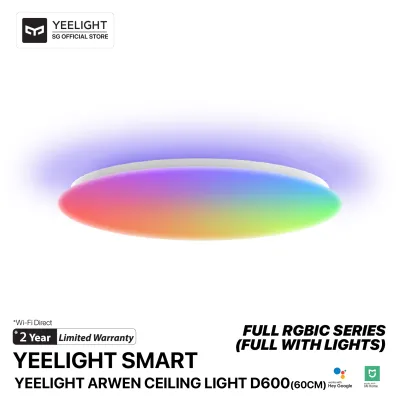
Prices are valid at publication and may change. Please refer to the product page for the latest price.
Color temperature plays a vital role in establishing this calming atmosphere. Warm white light, typically ranging from 2700K to 3000K, is the standard for Japandi living spaces. This range brings out the rich, earthy undertones of wooden furniture, textured plaster walls, and natural textiles like linen and wool. While cool daylight (5000K to 6500K) is highly functional for task areas, it can make natural materials look gray and sterile, so it should be avoided in relaxed, ambient zones.
Natural materials are another cornerstone of Japandi lighting. Fixtures that incorporate wood, rattan, bamboo, linen, and handmade paper add organic texture to a room without creating visual clutter. These materials soften the clean, geometric lines of minimalist furniture and help establish a direct connection to nature, which is central to both Japanese and Scandinavian design traditions.
Recommended Yeelight Solutions for Japandi Spaces
Finding the perfect smart light that matches this delicate aesthetic requires looking at both dedicated fixtures and creative smart integrations. While Yeelight offers a variety of sleek, modern designs, homeowners can also utilize their smart ecosystem to power custom, organic fixtures. Below are the primary ways to integrate Yeelight technology into a Japandi-style home.

Yeelight LED Pendant Light Series (Minimalist Designs)
Yeelight’s dedicated pendant fixtures are celebrated for their clean geometric lines, slim profiles, and matte finishes. These characteristics align perfectly with the Scandinavian side of Japandi, which favors functional, unobtrusive design. Circular or linear aluminum profiles in matte white, soft gray, or muted black can blend seamlessly into minimalist ceilings, providing high-quality light without drawing attention away from the room’s natural decor.
One of the greatest advantages of these dedicated smart fixtures is their tunable white light capability. This feature allows you to adjust the color temperature dynamically throughout the day. During the morning or afternoon, you can set the light to a neutral 4000K to support focus and productivity. As evening approaches, you can smoothly transition the light down to a cozy 2700K, instantly shifting the mood of the room to a relaxing, hygge-filled sanctuary.
In addition to color tuning, these fixtures boast high Color Rendering Index (CRI) capabilities. A high CRI (ideally Ra 90 or above) is essential in a Japandi home because it ensures that colors are represented accurately. Low-CRI lighting can make warm oak dining tables look greenish or dull, whereas a high-CRI light highlights the natural, authentic beauty of your wooden furniture and woven fabrics.
Before making a purchase, it is important to check the exact physical dimensions and current SKU availability on official Yeelight channels or authorized local retailers in Singapore. Product line-ups can vary by region, and verifying dimensions ensures the fixture fits your space proportionally.
Yeelight Smart Bulbs with Natural Material Shades
Because many of Yeelight’s native fixtures lean toward a modern, metallic aesthetic, a highly effective styling workaround is pairing Yeelight LED Smart Bulbs with third-party natural material shades. This hybrid approach allows you to achieve the exact organic, tactile look required for Japandi while retaining all the benefits of a modern smart ecosystem.
By installing a standard E27 screw-base smart bulb (such as the Yeelight Smart LED Bulb 1S or W3) inside a pendant shade crafted from woven rattan, split bamboo, pleated linen, or washi paper, you get the best of both worlds. The natural shade beautifully diffuses the light and serves as a warm, textured focal point, while the smart bulb inside handles dimming, scheduling, and color temperature adjustments via your smartphone or voice assistant.
When selecting a smart bulb for this setup, pay close attention to the bulb’s wattage, lumen output, and the density of the shade material. Thickly woven rattan or dark bamboo shades will absorb a significant amount of light, meaning you will need a bulb with a higher lumen output (around 800 to 900 lumens) to ensure the room is adequately lit. Conversely, a highly translucent paper or thin linen shade will allow plenty of light to pass through, meaning a lower-lumen bulb can easily create a soft, glowing lantern effect without causing glare.
Yeelight Linear and Track Pendant Options
For dining tables, kitchen islands, or long work benches, sleek linear pendants offer a modern, low-profile lighting solution. Linear fixtures like the Yeelight Crystal or Meteorite LED Pendant Light provide even, shadow-free illumination across long surfaces, making them highly functional additions to a minimalist kitchen or dining area.
Many of these linear fixtures feature an indirect lighting design, where the light source is split into a functional downlight and an ambient uplight. The uplight bounces off the ceiling, creating a soft, glare-free glow that fills the room without casting harsh shadows. In a Japandi context, using the indirect uplight on its own during the evening is an excellent way to maintain a serene, low-glare visual environment.
When choosing a linear fixture, it is important to match its hardware finish with the other metal accents in your room. If your space features light woods and neutral plaster, a matte white fixture will blend elegantly into the ceiling. If your interior incorporates darker elements, such as black metal chair legs, minimalist cabinet pulls, or dark slate countertops, a matte black linear pendant can provide a grounding, sophisticated contrast.
Essential Specifications to Verify Before Purchase
To ensure your selected lighting is safe, compatible, and visually appropriate for your home, several key technical specifications must be verified prior to purchase. This is particularly important when installing smart lighting in Singapore’s unique residential environments.
- Voltage and Electrical Standards: Singapore operates on a 230V, 50Hz electrical system. You must confirm that any Yeelight fixture or bulb you purchase is rated for this voltage. Additionally, look for products that carry local safety certifications, such as the Enterprise Singapore Safety Mark, to ensure they comply with national electrical safety standards.
- Smart Home Ecosystem Integration: Verify which smart home platforms the specific model supports. While most Yeelight products connect seamlessly to the Mi Home app, some models offer native compatibility with Apple HomeKit, Google Home, Amazon Alexa, or the newer Matter standard. Choosing a compatible model ensures you can easily integrate your pendant light into automated daily scenes.
- Color Temperature and CRI: Double-check the product packaging or online specifications to ensure the light has a minimum CRI of Ra 80 (preferably Ra 90+) and can achieve a warm white color temperature of 2700K. This guarantees that your cozy evening lighting will look natural and flattering.
- Physical Dimensions and Clearance: Standard ceiling heights in Singapore, especially in HDB flats and newer condominiums, typically range between 2.6 and 2.8 meters. Measure your ceiling height and the adjustable cord length of the pendant carefully. A pendant that hangs too low can block sightlines or become a physical hazard, while one hung too high can lose its intimate, grounding effect.
- Dimming Compatibility: Smart lights feature integrated digital dimming drivers. Because of this, they must never be connected to a traditional analog wall dimmer switch (such as a triac dimmer). Doing so restricts the voltage to the smart driver, causing flickering, buzzing, and eventual permanent damage to the bulb. Standard on/off wall switches should be used, with all dimming controlled via smart apps, wireless switches, or voice control.
Installation and Styling Tips for Japandi Interiors
Once you have selected the right fixtures, proper installation and styling are key to maximizing their aesthetic and functional value. Creating a balanced, layered lighting scheme will elevate the overall feel of your home.
When hanging a pendant light over a dining table, a general rule of thumb is to position the bottom of the fixture approximately 70 to 90 cm above the tabletop. This height provides focused, intimate light for dining while keeping the fixture out of your direct line of sight when conversing with guests. For open living areas or hallways, ensure the fixture is adjusted to provide at least 2.1 meters of clearance from the floor to allow safe passage.
To achieve a true Japandi atmosphere, you should avoid relying on a single overhead light source. Instead, layer your lighting by combining your main pendant with low-level ambient sources. You can install flexible LED lightstrips (such as Yeelight LED Lightstrips) under floating shelves, behind TV consoles, or beneath kitchen cabinets to cast a soft, indirect glow, while placing warm table or floor lamps in dark corners to soften shadows.
Take full advantage of smart home automation by creating dedicated lighting scenes. For example, you can program an “Evening Relax” scene that triggers automatically at sunset, gradually dimming your Yeelight pendants to 30% brightness and shifting the color temperature to a warm 2700K. This mimics natural light patterns, helping your body prepare for rest.
For any installation tasks that involve fixed electrical wiring, mounting heavy fixtures, reinforcing false ceilings, or running new electrical drop points, always isolate the mains power at your home’s distribution board (DB box) first. Because working with electricity and suspended loads carries safety risks, it is strongly recommended to hire a licensed electrician in Singapore to complete the installation safely and in compliance with local regulations.
Frequently Asked Questions (FAQ)
Can I use Yeelight pendant lights with a traditional wall dimmer switch?
No, Yeelight smart lights are not compatible with traditional analog wall dimmer switches. These smart fixtures contain internal digital dimming circuitry that requires a constant, stable power supply. Connecting them to an analog wall dimmer restricts the incoming voltage, which will lead to persistent flickering, buzzing noises, and eventual permanent damage to the smart driver. To control the brightness safely, keep your physical wall switch as a standard on/off switch and use the Yeelight app, wireless smart dimmer buttons, or voice commands.
What is the best color temperature for a Japandi living room?
For a cozy and authentic Japandi living room, a warm white range between 2700K and 3000K is highly recommended. This temperature range enhances the natural grain of wooden furniture, softens the appearance of plaster walls, and creates a relaxing, candle-like ambiance in the evening. While a neutral 4000K light can be useful during the day for focused tasks like reading or working, the primary ambient and decorative lighting should remain firmly in the warm spectrum to maintain a soothing environment.
Do Yeelight smart pendant lights require a separate smart hub?
Most modern Yeelight Wi-Fi and Bluetooth Mesh bulbs and fixtures connect directly to your home router or smartphone, meaning they do not strictly require a proprietary smart hub for basic app control. However, if you plan to build a larger smart home ecosystem, set up complex local automations, control your lights remotely when away from home, or integrate them with platforms like Apple HomeKit or Matter, a compatible smart hub (such as a Xiaomi Smart Hub or a compatible border router) is highly beneficial for stability and advanced features.
Community discussion
Share your experience or ask a question. Comments are reviewed before publication.