
Determining whether Yeelight, Philips Hue, or Xiaomi smart LED bulbs save the most energy requires looking beyond brand names, as efficiency depends on specific model specifications, standby power draw, and your household usage patterns. Without comparing exact model numbers side-by-side, it is impossible to declare a single overall winner. Instead, this guide provides a practical framework to help you evaluate luminous efficacy, understand the hidden energy costs of smart features, and calculate potential electricity savings for your home in Singapore.
Smart lighting has transformed how we design our living spaces, offering customizable atmospheres and automated convenience. However, because these devices remain permanently connected to your home network, they introduce unique energy considerations that traditional LED bulbs do not share. By understanding how to read technical specifications and evaluate different wireless protocols, you can build a smart lighting system that aligns with your household energy goals.
Key Specifications to Check for Smart LED Energy Efficiency
To understand the baseline efficiency of any smart LED bulb, you must look at its luminous efficacy, which is measured in lumens per watt (lm/W). Lumens represent the total amount of visible light emitted by the bulb, while wattage represents the electrical power consumed. A bulb with a higher luminous efficacy rating produces more light for every watt of electricity it draws, making it inherently more energy-efficient than a model with a lower rating.
Products mentioned in this guide
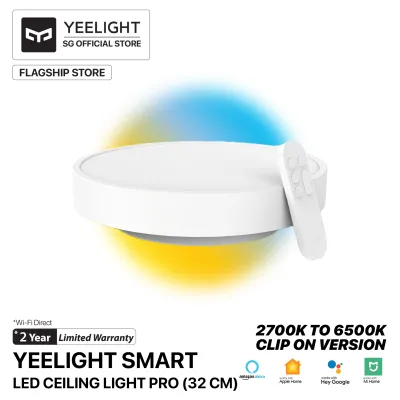
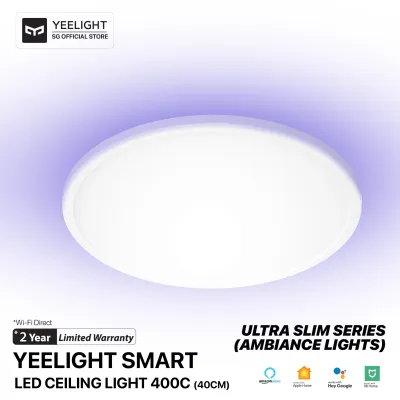
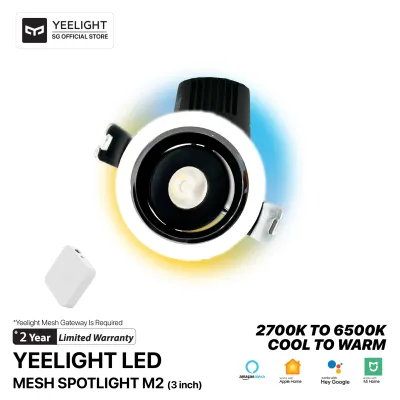
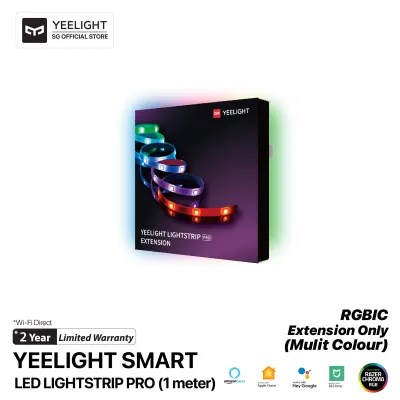
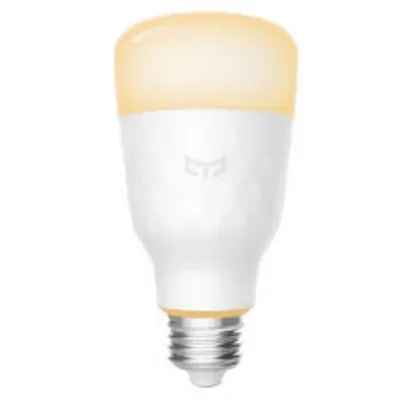
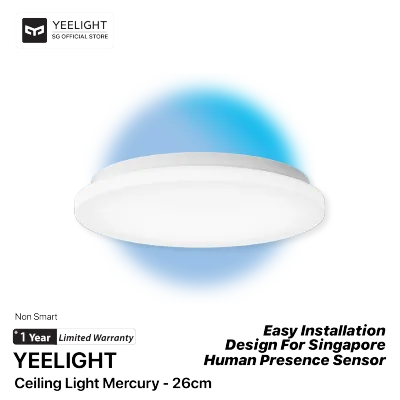
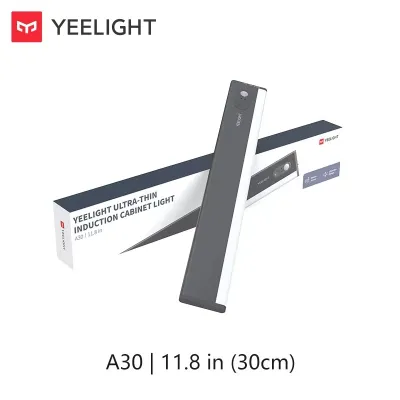
Prices are valid at publication and may change. Please refer to the product page for the latest price.
When comparing smart bulbs, always check the maximum wattage rating required to achieve their peak brightness. For example, one brand might require 9 watts to produce 800 lumens, while another might require 8.5 watts for the same light output. These specifications are typically located on the product packaging, the manufacturer’s official specification sheets, or detailed product listings on online marketplaces.
Beyond brightness and power draw, you must verify the physical and electrical compatibility of the bulb with your home’s infrastructure. Ensure the bulb’s base type, such as E27 screw or GU10 spotlight, matches your existing light fixtures. You must also confirm that the bulb is rated for Singapore’s standard 230V grid voltage and does not exceed the maximum wattage limit printed on your light fixture. Additionally, because smart bulbs use internal digital components to dim, they must not be used with traditional wall dimmer switches, which can restrict voltage and damage the bulb’s circuitry.
How Smart Features Impact Actual Electricity Usage
While traditional LED bulbs only consume electricity when switched on, smart LED bulbs draw a continuous trickle of power even when they are turned off via an app or voice command. This is known as standby power consumption, or “vampire draw.” This standby power is necessary to keep the bulb’s internal wireless receiver active so it can listen for commands from your smartphone, smart speaker, or automation sensors.

Despite this constant standby draw, smart features can actually help you reduce your overall electricity consumption when used strategically. For instance, dimming your smart bulbs to lower brightness levels directly reduces their active wattage. If you routinely dim your lights in the evening, you will consume less energy than running standard, non-dimmable bulbs at full brightness.
Automated scheduling and smart routines also play a major role in minimizing energy waste. By programming your lights to turn off automatically when you leave for work, or setting sleep timers that gradually dim the lights at bedtime, you prevent bulbs from running unnecessarily for hours. Integrating motion sensors in transitional areas like hallways, bathrooms, or walk-in wardrobes ensures that lights only operate when someone is physically present, further optimizing your daily energy usage.
Evaluating Yeelight, Philips Hue, and Xiaomi Ecosystems
When comparing the ecosystems of Yeelight, Philips Hue, and Xiaomi, the primary architectural difference lies in how the bulbs connect to your home network. Philips Hue relies heavily on a hub-based system utilizing the Zigbee wireless protocol. In this setup, the individual bulbs communicate with a central bridge, which then connects to your home router. Because Zigbee is a highly efficient, low-power protocol, individual Hue bulbs typically have very low standby power requirements, though you must factor in the continuous power draw of the central bridge itself.
In contrast, many Yeelight and Xiaomi smart bulbs utilize direct Wi-Fi or Bluetooth connections. This design eliminates the need to purchase or power a separate physical hub, which simplifies the initial setup and saves the standby energy of an extra device. However, maintaining a direct Wi-Fi connection generally requires more power per bulb than a Zigbee connection. If you plan to install dozens of smart bulbs throughout your home, the cumulative standby power of multiple Wi-Fi bulbs may eventually exceed the combined standby power of a hub-based system.
To make an informed decision, you should check for recognized energy efficiency labels or local certifications on the specific model numbers available in the market. Look closely at the manufacturer’s official technical documentation to compare the standby wattage of individual bulbs alongside the standby wattage of any required hubs or bridges. This comprehensive view ensures you are evaluating the true energy footprint of the entire lighting ecosystem.
Calculating Your Potential Electricity Savings in Singapore
To estimate the actual cost of running smart lighting in your home, you must first locate the current electricity tariff rate. In Singapore, this regulated tariff rate is updated quarterly by SP Group, though you may have a different rate if you are signed up with an Open Electricity Market (OEM) retailer. The rate is expressed in cents or dollars per kilowatt-hour (S$/kWh) on your monthly utility bill.
Once you have your tariff rate, you can use a straightforward formula to calculate the daily operating cost of any smart bulb. First, calculate the daily energy consumption in kilowatt-hours by accounting for both active and standby hours:
Daily Energy Consumption (kWh) = [ (Active Wattage Active Hours) + (Standby Wattage Standby Hours) ] / 1000
Next, multiply this daily consumption by your current tariff rate to find the daily cost:
Daily Cost (S$) = Daily Energy Consumption (kWh) * Electricity Tariff (S$/kWh)
For example, if a smart bulb draws 9 watts during 5 hours of active use and draws 0.5 watts of standby power during the remaining 19 hours of the day, its daily consumption is 0.0545 kWh. Multiplying this by an illustrative tariff rate of S$0.32 per kWh results in a daily operating cost of approximately S$0.017 per bulb. Multiplying this figure by 30 gives you the monthly cost, which you can scale across the total number of smart bulbs in your household to project your monthly lighting expenses.
Decision Framework: Choosing the Right Smart LED Brand
Your choice between Yeelight, Philips Hue, and Xiaomi should depend on your planned system scale, existing smart home integration, and installation environment. If you prefer a straightforward, hub-free setup for a few select rooms, Yeelight is an excellent choice. It offers direct Wi-Fi or Bluetooth connectivity and integrates seamlessly with major smart home platforms without requiring the purchase of a dedicated central bridge.
If you plan to transition your entire home to smart lighting, Philips Hue is highly suitable. The dedicated Zigbee hub ecosystem keeps individual bulb standby power low and prevents your home Wi-Fi network from becoming congested with dozens of individual device connections. This setup is ideal for managing large numbers of bulbs and integrating advanced motion sensors throughout multiple rooms.
If you are already invested in the broader Mi Home ecosystem, Xiaomi smart bulbs offer a highly cost-effective path to unified smart home integration. They allow you to coordinate your lighting with other smart appliances under a single management application, making it easy to set up comprehensive home automation routines.
Before finalizing your purchase, always verify that the specific bulb model matches your fixture’s physical dimensions, base type, and wattage limits. For any installation involving fixed wiring, damp environments (such as bathrooms or outdoor balconies), working at heights, or suspended loads, always isolate the mains power at the distribution board before proceeding. If you are unsure about the wiring, compatibility, or safety of your fixtures, consult a qualified electrical professional to handle the installation.
Frequently Asked Questions (FAQ)
Do smart LED bulbs use electricity when turned off?
Yes, smart LED bulbs draw a small amount of standby power even when they are turned off via an app, voice assistant, or automation routine. This continuous power draw is necessary to keep the bulb’s internal wireless receiver active so it can respond to your commands instantly. To understand the exact baseline draw of a specific bulb, you should check the standby wattage rating listed on the manufacturer’s official technical specification sheet.
Is a hub-based system more energy-efficient than Wi-Fi bulbs?
It depends on the total number of bulbs you plan to install. A hub-based system requires a central bridge that draws power continuously, but the connected bulbs use highly efficient, low-power wireless protocols that keep individual standby draw very low. Wi-Fi bulbs do not require a central hub, but each bulb’s internal Wi-Fi radio typically draws more standby power. For a small number of bulbs, a hub-free Wi-Fi setup is often more efficient, whereas a hub-based system generally becomes more energy-efficient when managing a large number of bulbs across an entire home.
Community discussion
Share your experience or ask a question. Comments are reviewed before publication.