
Creating a sanctuary within the high-density urban environment of Singapore requires intentional design choices. Amidst the fast-paced nature of daily life, your home should serve as a retreat for mental clarity, relaxation, and restoration. Incorporating Zen wall art is an exceptionally effective way to cultivate this serene atmosphere, transforming plain walls into meditative focal points that encourage mindfulness. By focusing on simplicity, natural elements, and balanced compositions, these pieces help quiet the mind and ground the surrounding space.
Selecting the right artwork involves understanding both the aesthetic philosophy of Zen and the practical demands of Singapore’s unique climate and housing layouts. Because our local environment features high humidity and specific architectural constraints, choosing and placing art requires a blend of artistic appreciation and practical preservation strategies. By aligning your visual preferences with durable materials and thoughtful spatial planning, you can curate a peaceful interior that remains beautiful for years to come.
Defining the Zen Aesthetic: Selection Criteria for Singapore Homes
To successfully integrate Zen wall art into your living space, it is helpful to understand the core visual principles that define this ancient aesthetic. Zen art is built upon minimalism, natural motifs, asymmetry, and the Japanese concept of Ma (negative space). Rather than representing empty or wasted area, Ma is a deliberate pause that gives shape, breathing room, and significance to the active elements of the composition. In a busy household, art that embraces negative space provides a visual rest stop, preventing sensory overload and allowing the mind to decompress.
Products mentioned in this guide
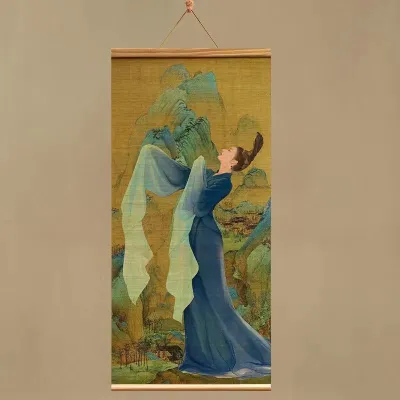
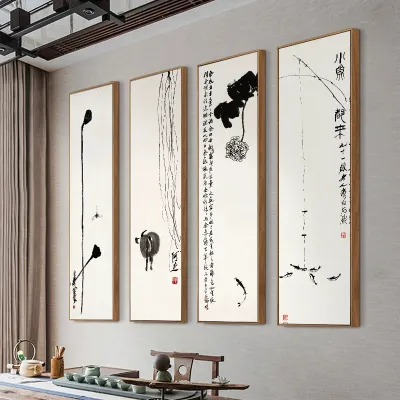
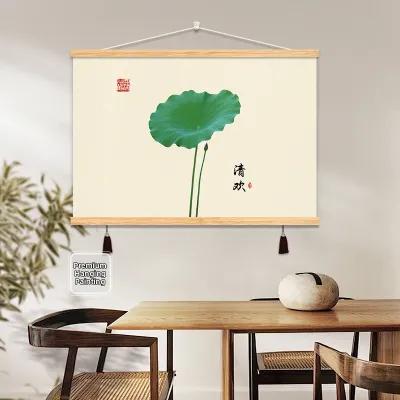
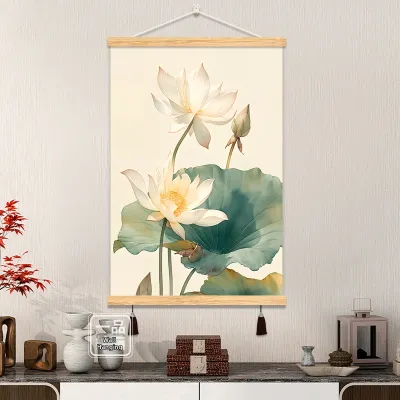
Prices are valid at publication and may change. Please refer to the product page for the latest price.
Singapore’s tropical climate presents distinct challenges for preserving artwork, making material selection a primary consideration. With average relative humidity levels often exceeding 80%, paper-based prints are highly susceptible to warping, yellowing, and mold growth if left unprotected. When sourcing art, prioritize moisture-resistant options such as high-quality canvas prints treated with protective coatings, or ensure that delicate paper works are professionally sealed behind protective glazing. It is highly advisable to avoid hanging unprotected art in high-humidity zones, such as the immediate vicinity of bathrooms, open kitchen areas, or directly beneath air conditioning units where condensation can pool and drip.
Spatial constraints in typical Housing & Development Board (HDB) flats and contemporary condominiums also dictate how you should choose and scale your art. Standard local ceiling heights generally range from 2.6 to 2.8 meters, which means oversized or excessively heavy frames can easily overwhelm a room. Instead of creating a crowded gallery wall with multiple small, competing frames, opt for a single, well-proportioned statement piece. A standalone artwork with ample negative space around it respects the proportions of the room, making the entire living area feel more expansive, airy, and balanced.
Popular Zen Wall Art Styles to Cultivate Tranquility
Ink Wash and Sumi-e Inspired Art
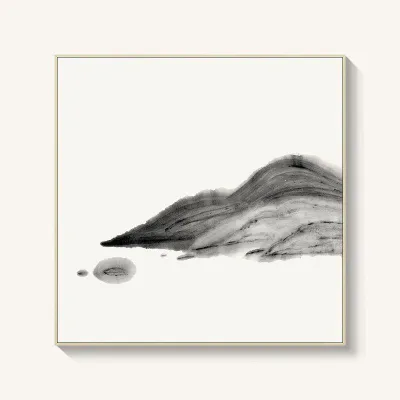
Ink wash painting, traditionally known as Sumi-e, is a classic art form that captures the very essence of Zen philosophy through deliberate, minimalist brushwork. This style relies on a monochromatic palette of black, grey, and white, utilizing varying concentrations of water and ink to create depth and shadow. The beauty of Sumi-e lies in its simplicity; a single, fluid stroke of the brush can represent a bamboo stalk, a soaring bird, or a distant mountain ridge. This economy of line encourages the viewer to fill in the details with their own imagination, fostering a deeply contemplative state of mind.

This style is particularly well-suited for creating a strong, peaceful focal point in high-traffic areas like living rooms or home offices. In a study or workspace, a monochromatic ink wash print provides a calming visual anchor that helps reduce mental fatigue during long hours of concentration. Because there are no bright, distracting colors, the eye can rest easily on the fluid lines and soft gradients of the piece.
When selecting a printed reproduction of ink wash art, pay close attention to the print quality and texture. High-contrast printing that accurately captures the subtle gradations of gray and the raw texture of the brush strokes is essential. Without these details, a print can easily look flat and lose the dynamic energy of the original brushwork. Look for high-resolution giclée prints that preserve the delicate fibers of the underlying paper texture, giving the piece an authentic, tactile quality.
Wabi-Sabi and Textured Abstracts
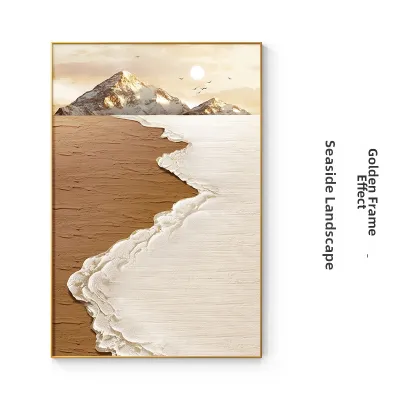
Wabi-Sabi is the Japanese philosophy of finding beauty in imperfection, impermanence, and the natural cycle of growth and decay. In wall art, this aesthetic translates into textured abstracts characterized by earthy, muted color palettes—such as warm beiges, soft sands, charcoal grays, and terracotta tones. These pieces often incorporate raw canvas textures, plaster-like effects, visible brushwork, and organic, asymmetrical shapes that mimic the natural weathering of stone, wood, or clay.
This style is ideal for intimate spaces like bedrooms or quiet reading nooks, where you want to foster a sense of warmth, comfort, and physical grounding. The tactile nature of textured abstracts adds depth and interest to a room without introducing visual noise. As natural light shifts across the textured surface throughout the day, it casts subtle, changing shadows that gently remind us of the passage of time and the beauty of quiet change.
To integrate Wabi-Sabi art effectively, look for pieces that embrace simplicity and raw materials. Canvas works that feature mixed media, such as gesso or sand-infused paint, offer excellent physical depth. Ensure the artwork is framed in a way that respects its organic nature, allowing the raw edges of the canvas or paper to remain visible if possible, rather than hiding them behind heavy, restrictive borders.
Minimalist Botanical and Landscape Motifs
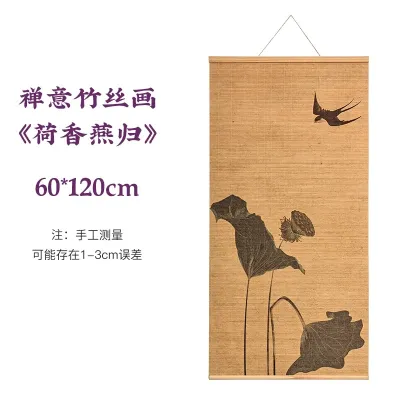
Minimalist botanical and landscape art brings the calming influence of nature indoors, utilizing simplified representations of the natural world to promote relaxation. Rather than busy, highly saturated landscape photographs, Zen-style nature art features desaturated, monochromatic, or softly toned depictions of singular elements. Common motifs include a solitary pine branch, a simple stalk of bamboo, misty mountain ranges, or gentle ripples on the surface of water.
These pieces are incredibly effective at softening the rigid, geometric lines and hard surfaces common in modern urban apartments. Most contemporary Singapore homes feature sharp corners, flat plaster walls, and synthetic finishes. Introducing organic shapes and soft natural motifs helps break up this structural rigidity, creating a more welcoming and harmonious flow throughout the living space.
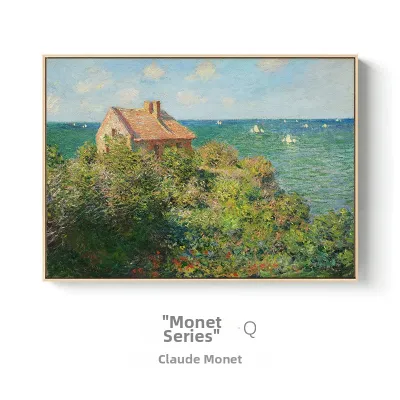
When styling botanical or landscape prints, consistency in tone is key to maintaining a peaceful environment. Choose prints that share a cohesive color story, such as soft olive greens, muted slate blues, or warm grays. Grouping two or three closely related prints in a clean, linear sequence can create a gentle narrative along a hallway or above a dining table, guiding the eye smoothly from one piece to the next.
Where to Source Quality Zen Art in Singapore
Local Art Galleries and Districts
For those who wish to invest in original paintings, hand-pulled prints, or high-quality local framing, exploring Singapore’s established art districts is an excellent starting point. The historic Bras Basah Complex is highly regarded for its concentration of traditional Chinese calligraphy shops, ink wash art galleries, and professional framing services. Visiting these multi-generational shops allows you to view authentic brushwork up close and consult directly with experienced framers who understand how to protect delicate artworks from the local climate.
If you prefer contemporary, minimalist interpretations of Zen themes, the galleries at Gillman Barracks offer a curated environment showcasing regional and international artists. Sourcing art from these dedicated galleries provides access to unique, limited-edition pieces that carry a sense of personal craftsmanship. Additionally, gallery consultants can offer valuable advice on preservation, artist backgrounds, and how to select pieces that align with your home’s specific interior design.
Curated Home and Lifestyle Retailers
If you are looking for ready-to-hang options that easily complement modern furniture trends like Japandi or Scandinavian design, local furniture showrooms are a convenient resource. Design hubs located in areas like the Tan Boon Liat Building or the Outram design district often feature curated lifestyle shops that display wall art alongside coordinated furniture setups. This allows you to see firsthand how a textured abstract or a minimalist botanical print interacts with light oak sideboards, linen sofas, and low-profile coffee tables.
When shopping at these lifestyle retailers, focus on the overall material harmony. Pay attention to the frame finishes and colors used in the showroom displays, and select pieces that mirror the wood species or metal finishes already present in your home. This ensures that the artwork feels like an organic extension of your existing interior rather than an afterthought.
Online Art Platforms and E-commerce
Online marketplaces and dedicated art printing platforms offer an extensive variety of Zen art designs, making it easy to find a style that speaks to you. However, purchasing art online requires a systematic approach to ensure you receive a durable, high-quality product. Use the following checklist to verify seller credibility and print specifications before making a purchase:
- Print Technology: Confirm that the seller uses archival giclée printing with pigment-based, fade-resistant inks rather than standard digital dye printing, which can fade rapidly when exposed to light.
- Material Specifications: Look for heavy-weight, acid-free paper (at least 200 gsm) or premium cotton canvas. Acid-free materials prevent the art from yellowing or degrading over time.
- Seller Reviews and Real Photos: Examine customer reviews for actual photos of the delivered product to verify color accuracy, sharpness, and overall finish.
- Return and Damage Policies: Ensure the platform offers a clear return policy in case the artwork is damaged during transit.
- Moisture-Proof Packaging: Confirm with the seller that the art will be shipped in secure, water-resistant packaging, such as heavy-duty cardboard tubes sealed with plastic wrapping, to prevent humidity damage during international or local shipping.
Styling and Hanging Tips for a Balanced Space
The Rule of Negative Space
One of the most common mistakes in home styling is the urge to fill every empty wall. To truly capture a Zen aesthetic, it is vital to embrace the rule of negative space. Leave a generous portion of the wall surrounding your artwork completely bare. This empty space acts as a visual buffer, drawing the viewer’s attention directly to the art piece and allowing its calming qualities to stand out without competing with nearby clutter.
Think of the wall as a frame in itself. By leaving ample space around a single, striking canvas, you create a sense of quiet importance and museum-like elegance. This restraint is key to transforming a busy household into a peaceful sanctuary where the eyes can rest easily.
Hanging Heights and Proportions
To achieve a balanced and professional look, hang your wall art so that the center of the piece sits at eye level. For the average adult, this is typically between 140cm and 145cm from the floor. When positioning artwork above furniture, such as a living room sofa, console table, or bedroom headboard, aim to leave a gap of approximately 15cm to 20cm between the bottom of the frame and the top of the furniture. This spacing keeps the artwork visually anchored to the furniture piece rather than letting it float aimlessly on the wall.
Always consider the structural characteristics of your home before mounting any frames. Singaporean homes often feature solid concrete structural walls or hollow drywall partitions. Heavy frames require appropriate wall plugs, masonry drills, or heavy-duty anchors to ensure they remain securely mounted. If you are working at height, mounting exceptionally heavy frames, or installing suspended loads, always follow the manufacturer’s installation instructions explicitly and consult a qualified professional to complete the installation safely.
Lighting Considerations
Proper lighting is essential to bring out the subtle textures and depth of Zen wall art. To highlight textured canvases or the delicate details of an ink wash print, utilize warm, indirect lighting. Angled track lighting, adjustable ceiling spotlights, or dedicated picture lights can cast soft, directional illumination that enhances the physical character of the piece without creating harsh shadows.
When installing any hardwired lighting fixtures, ensure the power supply is completely isolated at the main distribution board before beginning work. Always follow the manufacturer’s wiring instructions and hire a licensed, qualified electrician to perform the installation in accordance with local safety standards. To protect your art from long-term damage, equip your fixtures with low-UV LED bulbs, which generate minimal heat and prevent colors from fading over time. Avoid hanging delicate paper prints in spots that receive direct, harsh sunlight, as UV exposure will rapidly degrade the paper fibers and cause colors to shift.
Frequently Asked Questions (FAQ)
How do I protect paper-based Zen art from high humidity?
To safeguard delicate paper-based prints from Singapore’s high humidity, always frame them using UV-protective, anti-reflective glass or high-quality acrylic glazing to create a protective barrier against ambient moisture. Ensure the frame backing is completely sealed with archival backing tape, and use acid-free mats to create a physical gap between the paper and the glass, which prevents condensation from trapping moisture directly against the artwork. Additionally, keep your living spaces well-ventilated, and consider running a dehumidifier in air-conditioned rooms to maintain stable humidity levels and prevent mold growth.
What frame materials and colors best complement Zen art?
The best frames for Zen art are those that remain simple, natural, and unobtrusive. Opt for light, unvarnished wood tones such as ash, light oak, or walnut, which enhance the organic, grounded feel of the artwork. Alternatively, thin, matte black or matte white metal frames provide a clean, contemporary boundary that defines the art without drawing attention away from the subject matter. Avoid ornate, glossy, or heavily carved frames, as their busy designs contradict the minimalist principles of Zen decor and disrupt the peaceful visual harmony of the space.
Community discussion
Share your experience or ask a question. Comments are reviewed before publication.