
Finding the right home aroma diffuser brand in Singapore requires balancing aesthetic preferences with technical reliability, especially given the unique tropical climate and typical residential layouts. Whether you are scenting a compact bedroom in a Housing & Development Board (HDB) flat or a spacious, open-plan condominium living room, the brand you choose determines not only the longevity of the device but also the safety and quality of the diffusion. Reliable brands distinguish themselves through robust engineering, local electrical compliance, high-quality materials that resist oil degradation, and accessible after-sales support. Rather than relying on subjective marketing claims, identifying the ideal brand involves evaluating how their specific diffusion technologies, material standards, and warranty structures align with your home environment.
Key Criteria for Evaluating Aroma Diffuser Brands
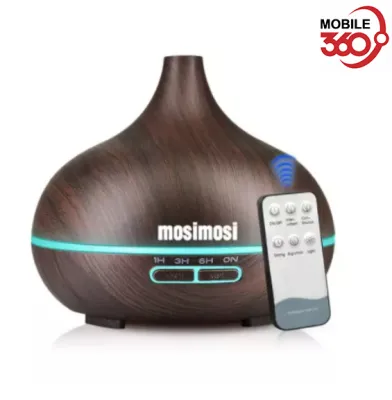
When searching for a reputable home aroma diffuser brand, the first step is to understand the core diffusion technologies they offer. Brands typically specialize in one or two primary mechanisms: ultrasonic, nebulizing, heat, or evaporative diffusion. Ultrasonic brands use a ceramic transducer vibrating at high frequencies to create a fine mist of water and essential oil, which is ideal for adding light moisture to air-conditioned rooms. Nebulizing brands, on the other hand, use pressurized air and fluid dynamics to atomize pure essential oil without water, delivering a highly concentrated scent. Heat-based and evaporative brands are simpler and often more budget-friendly, but they may alter the chemical profile of the oils due to temperature changes.
Electrical safety is a non-negotiable factor when evaluating brands in Singapore. Because these devices run continuously for hours, often overnight, they must comply with local electrical standards. Reputable brands supply power adapters that carry the Safety Mark, regulated by the Consumer Product Safety Office under Enterprise Singapore. This certification ensures the adapter has been rigorously tested against short circuits, electrical faults, and overheating on Singapore’s 220V-240V, 50Hz power grid. Brands that only provide foreign plugs requiring cheap, uncertified travel adapters pose a significant electrical hazard and should be avoided.
Products mentioned in this guide
![[KIRONA SCENT] Dreams Aroma Diffuser 300ml | Minimalistic Design Ultrasonic Humidifier | 7 LED Mood Lights | Home Decor Fragrance Gifts](https://img.lazcdn.com/g/p/576cba30efdbae57aaf772acf532810b.png_400x400q80.png_.webp)
![[KIRONA SCENT] Luna Aroma Nebulizer (Beige) | Pure Essential Oil | Waterless Diffuser | Flameless & Heatless | Timer Option | Home Office Shop Aromatherapy Solutions](https://img.lazcdn.com/g/p/d7bba8062345b7943b9cd208cbeb8369.jpg_400x400q80.jpg_.webp)
![[KIRONA SCENT] Tower Nebulizer (Black) | Waterless Diffuser | FREE 100ml Pure Essential Oil](https://img.lazcdn.com/g/p/662b3b481e9c6b7a9fb3d4a2c7a21983.png_400x400q80.png_.webp)
![[KIRONA SCENT] Spa White Reed Diffuser 110ml | Aromatherapy Home & Office Fragrances Decor Gifts | Luxurious Hotel Mall & Perfume Scents](https://img.lazcdn.com/g/p/5c602c185770fdadda7ba184536b27b6.png_400x400q80.png_.webp)
Prices are valid at publication and may change. Please refer to the product page for the latest price.
Material quality is another critical differentiator between premium and low-grade brands. Essential oils contain highly concentrated organic compounds that act as natural solvents, capable of degrading cheap plastics over time. Low-quality brands often use Acrylonitrile Butadiene Styrene (ABS) plastic for their water reservoirs, which can crack, discolor, or leach chemicals when exposed to oils. Reliable brands construct their reservoirs and internal components from high-grade Polypropylene (PP), glass, ceramic, or medical-grade metals that resist chemical corrosion and ensure the purity of the diffused mist.
Finally, assess the brand’s warranty terms and local support infrastructure. A quality diffuser is an investment, and reliable brands back their products with a clear warranty, typically spanning 12 months. Verify whether the brand has a physical service center or an authorized distributor in Singapore to handle repairs and replacements. Brands with a strong local presence also supply essential replacement parts, such as spare ceramic discs, replacement glass reservoirs, or air pumps, extending the lifespan of your device far beyond the warranty period.
Matching Brand Specialties to Your Space and Needs
Selecting the right brand requires matching its product specifications to the physical realities of your living space. High-rise apartments in Singapore often feature compact layouts with distinct airflow patterns driven by air conditioning units or mechanical ventilation. A brand’s coverage claim, usually stated in square meters or square feet, must be evaluated critically against your actual room dimensions, ceiling heights, and the rate of air exchange to ensure effective scent distribution.

Noise levels are a crucial consideration, particularly for quiet environments like bedrooms or home offices. Brands that publish decibel (dB) ratings—ideally keeping operational noise below 30 dB for sleeping areas—demonstrate a commitment to engineering quality. Furthermore, households with young children, pets, or individuals with respiratory sensitivities must prioritize brands that offer precise output control, reliable auto-shutoff mechanisms, and BPA-free materials to maintain a safe indoor environment.
Ultrasonic and Heat Diffusers for Personal Spaces
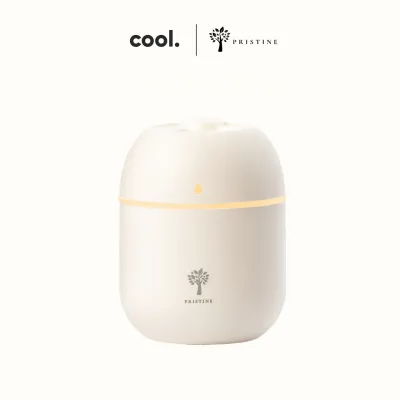
For personal spaces such as study desks, bedside tables, or small bedrooms, water-based ultrasonic diffusers are highly popular. Brands specializing in these devices design them to add a subtle touch of moisture to the air, which can be highly beneficial in dry, air-conditioned environments. When evaluating these brands, pay close attention to the water tank capacity relative to the continuous runtime. A well-engineered ultrasonic diffuser should offer a balanced ratio, such as a 100ml tank providing 3 to 5 hours of continuous mist, or an intermittent mode that extends operation up to 8 or 10 hours for overnight use.
Safety is paramount for overnight operation. Reliable brands integrate highly sensitive water-level sensors that trigger an automatic shutoff the moment the reservoir runs dry, preventing the ceramic transducer from overheating. Additionally, look for brands that design their units for easy maintenance. The humid climate of Singapore encourages rapid mold and bacterial growth in standing water. Brands that feature wide-opening reservoirs without deep, unreachable crevices allow users to easily wipe down the interior and clean the ultrasonic plate, ensuring that the mist remains hygienic.
Cold-Air and Nebulizing Systems for Larger Areas
For larger, open-plan areas such as combined living and dining rooms, or homes with high ceilings, waterless cold-air nebulizers or scent machines are the preferred choice. Brands specializing in this technology utilize pressurized air to atomize pure essential oil into a dry, microscopic vapor. Because no water is added, the scent throw is significantly stronger and covers a much larger area without increasing the indoor humidity—a crucial consideration in Singapore’s already humid climate.
However, this high performance comes with different operational considerations. Brands in this category should be evaluated on their oil consumption rates. Because they diffuse pure oil, they consume consumables much faster than ultrasonic models. Look for brands that offer programmable duty cycles, allowing you to customize the misting intervals to conserve oil and control scent intensity. Furthermore, nebulizing systems rely on internal air compressors, which inherently generate more vibration and noise than ultrasonic transducers. Premium brands address this by housing the compressor in sound-dampening chambers or using suspended motor mounts to minimize acoustic transfer to tabletop surfaces. If you plan to integrate a scenting system directly into your home’s mechanical ventilation or air conditioning ducts, ensure the brand provides professional installation services and clear compatibility guidelines to avoid damaging your HVAC system.
Where to Verify Brand Authenticity and After-Sales Support
To ensure you are purchasing a genuine product backed by a valid local warranty, it is essential to buy through authorized distribution channels in Singapore. Visiting physical retail locations, such as brand-owned boutiques in major shopping districts or authorized department store counters, allows you to experience the product firsthand. This hands-on testing is invaluable for assessing the actual scent throw, observing the mist density, and listening to the operational noise levels of different models before making a financial commitment.
When shopping online, navigate carefully to avoid counterfeit products or parallel imports that lack local safety certifications. Stick to official flagship stores on major online marketplaces or the brand’s official localized website. Parallel imports may feature lower price tags, but they often come with foreign power adapters that lack the Singapore Safety Mark, and local service centers will generally refuse to honor their warranties.
Before finalizing your purchase, verify the brand’s local warranty registration process. Reputable brands typically require you to register the product online using a serial number and a valid proof of purchase from an authorized retailer. Understand the expected turnaround times for repairs and whether they provide replacement units during servicing, as this reflects the brand’s long-term commitment to customer satisfaction.
Frequently Asked Questions (FAQ)
Can I use third-party essential oils with branded diffusers?
Yes, in most cases, you can use third-party essential oils, but you must carefully check the manufacturer’s guidelines regarding oil viscosity and purity. High-quality diffusers are designed to work with 100% pure, therapeutic-grade essential oils. Using synthetic fragrance oils, carrier oils (like jojoba, coconut, or almond oil), or thick, resinous oils (such as vetiver, patchouli, or sandalwood) can clog the delicate nozzles of nebulizers or build up a stubborn residue on the ceramic plates of ultrasonic diffusers. Some brands explicitly state in their warranty terms that damage caused by using incompatible, diluted, or water-soluble synthetic fragrances will void the warranty. Always verify the oil specifications recommended by the brand to ensure long-term performance.
How often should I clean my diffuser to maintain brand performance?
To maintain optimal performance and prevent the buildup of mold, bacteria, and oil residue, you should clean your diffuser regularly. For ultrasonic diffusers, it is best practice to empty any remaining water and wipe the reservoir dry with a soft cloth after every few uses, or at least once a week. A deeper clean should be performed every month by filling the tank with water and a tablespoon of white vinegar, running the unit for 5 to 10 minutes in a well-ventilated area, and then rinsing it thoroughly. For waterless nebulizing diffusers, flush the system monthly by running a small amount of isopropyl alcohol through the nozzle for a few minutes to dissolve any dried oil clogs. Never use harsh chemical cleaners, abrasive pads, or metal tools, as these can permanently damage the sensitive ultrasonic transducers or glass components.

Community discussion
Share your experience or ask a question. Comments are reviewed before publication.