
Finding the ideal wabi-sabi vase in Singapore requires looking beyond mass-produced, highly polished home decor to focus on authentic materials, organic textures, and structural suitability for your living space. The wabi-sabi aesthetic celebrates transience, simplicity, and the beauty of natural imperfections. To integrate this style into your home successfully, you must evaluate how a vase is made, what materials compose it, and how it will interact with Singapore’s unique tropical climate and modern interior layouts.
This guide provides a comprehensive framework for selecting, verifying, and caring for wabi-sabi vases. By understanding the core design principles and knowing what physical characteristics to inspect, you can confidently source pieces that bring a sense of calm, grounded artistry to your living environment.
Understanding the Wabi-Sabi Philosophy in Vase Design
Originating from traditional Japanese aesthetics, wabi-sabi is a philosophy centered on accepting transience and imperfection. In the context of interior decor and vase design, this translates to objects that look as though they have been shaped by nature or weathered by time. Unlike contemporary minimalist decor, which often relies on flawless surfaces and sharp, geometric precision, wabi-sabi design embraces the organic irregularities that occur during manual crafting and natural aging.
Products mentioned in this guide
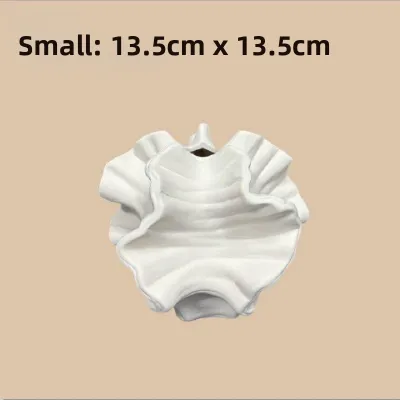
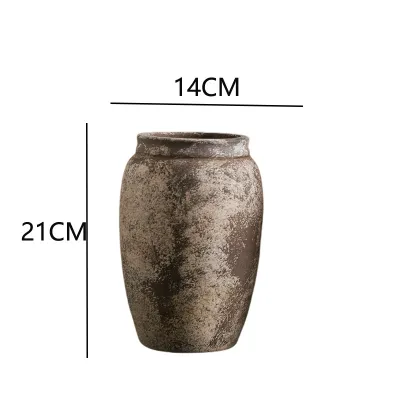
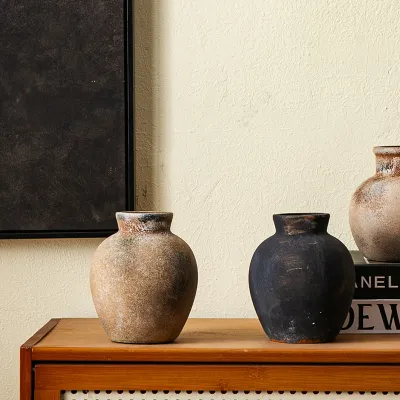
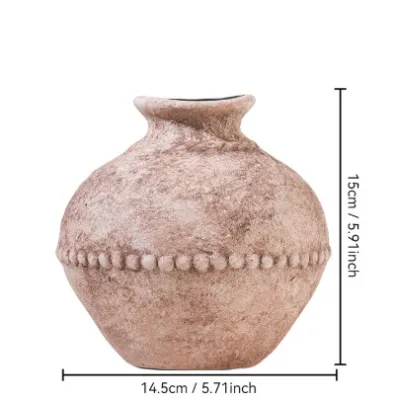
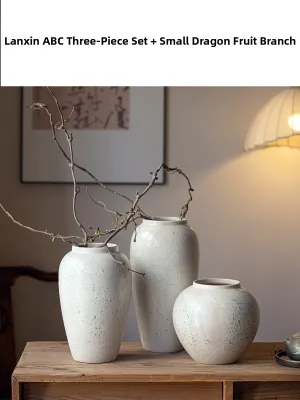
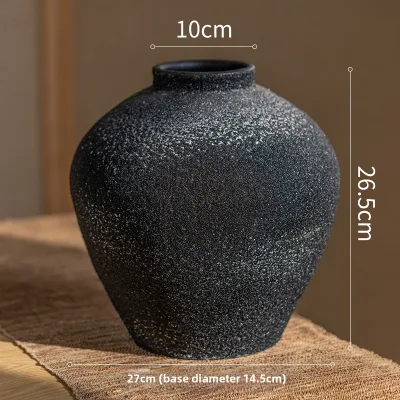
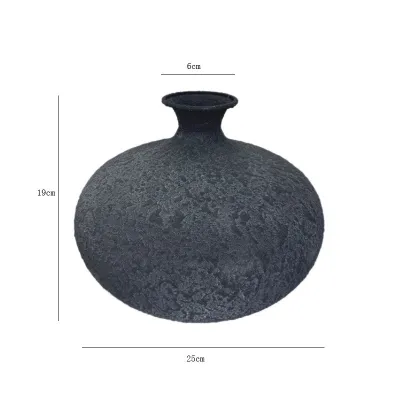
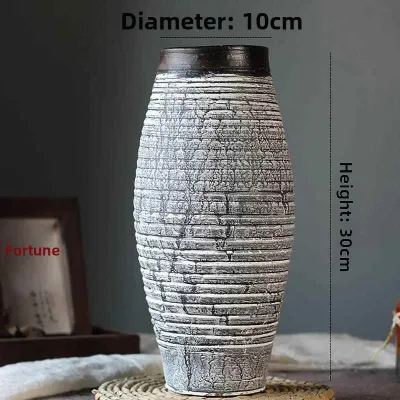
Prices are valid at publication and may change. Please refer to the product page for the latest price.
To identify authentic wabi-sabi style vases, you should look for several key visual and physical characteristics:
- Asymmetry and Organic Contours: Look for shapes that are slightly off-center, hand-formed, or uneven. A rim that dips slightly or a body that shows the gentle pressure of a potter's fingers communicates a human connection that machine-molded pieces cannot replicate.
- Earthy, Muted Color Palettes: True wabi-sabi pieces avoid bright, synthetic pigments. Instead, they feature tones derived from nature, such as charcoal, sand, terracotta, moss green, ash gray, and soft off-whites. These colors should look integrated into the material rather than painted on.
- Unrefined and Textured Finishes: Surfaces should invite touch. This includes rough, unglazed clay, crackled glazes (known as crackle ware), coarse mineral inclusions, and matte finishes that absorb light rather than reflecting it.
By focusing on these elements, you can easily filter out mass-produced imitations that merely mimic the style. True wabi-sabi design is not about forced distressing; it is about allowing the natural qualities of the clay, stone, or wood to remain visible and celebrated.
Key Evaluation Criteria for Your Selection
When shopping for a wabi-sabi vase in Singapore, it is easy to be swayed by visual appeal alone. However, selecting a piece that functions well and complements your home requires a structured evaluation of its physical properties and spatial suitability.

Proportions and Visual Weight
Consider where the vase will be displayed. In typical Singapore apartments, such as HDB flats or condominiums, space and natural light must be balanced carefully. A large, heavy, dark-toned stoneware vase can easily overwhelm a compact entryway console or a narrow shelf. Conversely, a delicate, thin-walled ceramic vase may get lost on a large dining table or a spacious kitchen island. Assess the visual weight of the piece; darker, rougher, and thicker-walled vases draw more visual attention and require adequate surrounding space (often referred to as negative space) to breathe.
Craftsmanship Indicators
Examine the vase closely to distinguish genuine craftsmanship from manufactured distressing. Look at the base of the vase; handmade ceramic pieces often feature subtle wire marks from being cut off the potter’s wheel, or slight variations in thickness along the walls. If you are looking at a collection of vases in a shop and every “imperfection” or glaze drip is identical across multiple units, the pieces are slip-cast in a factory rather than individually crafted. Authentic wabi-sabi items possess unique variations that make each piece one-of-a-kind.
Structural Integrity and Stability
Because wabi-sabi vases often feature asymmetrical shapes, you must verify their physical stability. Check that the base is perfectly flat and does not wobble when placed on a level surface. This is particularly important if you plan to display the vase on high shelves, mantelpieces, or in homes with pets and young children. A top-heavy vase with a narrow base can easily tip over, especially when filled with branches or flowers. If the vase is exceptionally heavy, ensure your furniture can support the load without bowing over time.
Manufacturer Specifications
Always check the manufacturer’s or artisan’s specifications regarding the vase’s intended use. Do not assume that every ceramic vessel can hold water. Many highly textured, low-fired, or unglazed ceramic vases are strictly decorative and will seep moisture if filled with water. If you intend to use the vase for fresh floral arrangements, verify that it has been treated with an internal waterproof glaze or sealant.
Material and Texture Profiles
The material of your vase dictates not only its visual character but also how it interacts with light, moisture, and the surrounding air. Different materials require distinct care routines and are suited to different styling applications.
Raw Ceramics and Unglazed Clay
Raw, unglazed ceramics—such as earthenware and stoneware left without a top glaze—offer some of the most tactile and visually grounding options for wabi-sabi decor. These pieces showcase the natural color and texture of the clay body, which can range from fine, sandy buff to coarse, iron-speckled dark clay.
However, unglazed clay is highly porous. If you pour water directly into an unglazed ceramic vase, the moisture will slowly penetrate the clay walls. This can lead to several issues:
- Condensation and Seepage: Moisture can pool underneath the vase, potentially damaging wooden tabletops, veneered shelves, or delicate stone surfaces.
- Staining and Mineral Buildup: Soluble minerals in tap water or organic matter from flower stems can seep into the clay, leaving permanent white lines or dark stains on the exterior surface.
- Mold Growth: In Singapore's humid environment, persistent moisture trapped within porous clay can encourage mold or mildew growth on the exterior of the vase.
To use these pieces safely, check the maker’s guidelines. If the vase is unglazed inside and out, reserve it for dry botanicals, such as preserved branches, dried seed pods, or pampas grass. Alternatively, you can insert a small, water-tight glass or plastic container inside the ceramic vessel to hold water for fresh flowers.
Weathered Wood and Natural Stone
Vases carved from weathered wood (such as teak, paulownia, or reclaimed timber) or shaped from natural stone (such as river stone, travertine, or basalt) bring an intense, elemental presence into a room. These materials are highly durable but come with specific environmental sensitivities.
Singapore’s tropical climate, characterized by high relative humidity and consistent warmth, can pose challenges for natural wood decor. Wood is an organic, hygroscopic material that absorbs and releases moisture from the air. Rapid changes in humidity—such as moving a wooden vase from an air-conditioned living room to a naturally ventilated balcony—can cause the wood to expand, contract, warp, or even split over time. To minimize this risk, ensure any wooden vase you purchase has been properly seasoned, dried, and treated with a protective natural oil or wax finish. Keep wooden pieces away from direct sunlight and high-moisture zones like bathrooms.
Natural stone vases are incredibly stable and impervious to humidity, but their primary challenge is weight. A solid stone vase can be exceptionally heavy, posing a risk to glass-topped tables or delicate lacquered finishes. Always place felt pads or a soft coaster beneath the base of a stone vase to prevent it from scratching your furniture. Additionally, avoid placing heavy stone items on high, unstable shelving units where they could fall during cleaning or accidental contact.
Sourcing and Verifying Options in Singapore
Finding an authentic wabi-sabi vase involves navigating a market filled with mass-produced replicas. To find pieces with genuine character, you should explore specific sourcing channels and apply careful verification steps before making a purchase.
Local Artisan Ceramic Studios
One of the most reliable ways to acquire a genuine wabi-sabi vase is to buy directly from local ceramicists and pottery studios. Singapore has a thriving community of independent potters working in creative hubs, industrial estates, and dedicated clay studios. Visiting these studios or attending local craft markets allows you to speak directly with the makers. You can ask about the clay source, the firing method (such as gas, electric, or wood firing), and the inspiration behind the form. Buying directly from an artisan ensures you receive a unique, handmade piece while supporting the local creative community.
Specialized Home Decor Boutiques
Curated home decor boutiques, often located in heritage neighborhoods like Tiong Bahru, Joo Chiat, or the downtown design districts, frequently source limited-run ceramics and organic decor from regional artisans. These boutiques select items with a cohesive design narrative, making it easier to find vases that fit the wabi-sabi aesthetic. The advantage of shopping at physical boutiques is the opportunity to handle the vases, assess their weight, feel their texture, and inspect them for any structural flaws before buying.
Curated Online Marketplaces
If you prefer shopping online, avoid generic global ecommerce platforms that specialize in mass production. Instead, look for curated online marketplaces that focus on handmade crafts, independent design, or vintage goods. When evaluating online listings, use these verification steps to ensure quality:
- Examine the Product Descriptions: Look for detailed information about the maker, the specific materials used, and the production process. Avoid listings that use vague terms like "wabi-sabi style plastic" or "ceramic-look resin."
- Request Real Photos: If the listing uses highly stylized stock photos, ask the seller for close-up photographs of the actual item you will receive. This helps you verify the unique glaze patterns and check for any shipping damage.
- Review Return Policies: Ensure the seller offers a clear return or exchange policy, particularly for fragile items. Verify that the packaging methods are robust enough to protect delicate ceramics during local transit.
Practical Care and Maintenance Guidelines
To preserve the natural beauty and intended patina of your wabi-sabi vase, you must establish a gentle, non-destructive care routine. Because these pieces often feature delicate, porous, or highly textured surfaces, standard household cleaning methods can cause irreversible damage.
Routine Dusting
Textured, rough, or craggy surfaces tend to trap dust more easily than smooth, glazed ceramics. Avoid using standard microfiber cloths or feather dusters on highly textured vases, as the fibers can snag on the rough surface and leave behind unsightly lint. Instead, use a soft-bristled brush—such as a clean, dry makeup brush or a soft paint brush—to gently sweep dust out of the crevices and natural depressions of the vase.
Gentle Cleaning Methods
If the vase requires a deeper clean to remove surface dirt or fingerprints, use a soft cloth lightly dampened with lukewarm water. Do not submerge unglazed ceramics or natural wood vases in water, as this can saturate the material and lead to structural weakness or mold. Never use harsh chemical detergents, bleach, abrasive scrubbing pads, or acidic cleaners. These substances can strip away natural oil finishes on wood, dissolve delicate mineral glazes, or leave permanent white chemical residues inside the porous pores of unglazed clay.
When to Consult the Manufacturer
If your vase develops a deep stain (such as from oil or colored plant sap) or a structural crack, do not attempt to repair it with standard household glues or aggressive chemical solvents. Doing so can permanently discolor the material or ruin the artistic value of a handmade piece. Instead, stop cleaning and contact the original artisan or a professional restoration specialist for guidance on safe, material-specific repair methods.
Safe Placement and Handling
Always handle your vase with clean, dry hands to prevent natural skin oils from staining unglazed surfaces. When moving the vase, support it from both the base and the neck rather than lifting it solely by a delicate rim or handle. Position the vase away from direct sunlight, air conditioning vents, and high-traffic pathways where it could be easily bumped or subjected to rapid temperature fluctuations.
Frequently Asked Questions (FAQ)
Can I use unglazed wabi-sabi vases for fresh flower arrangements?
Generally, you should avoid pouring water directly into an unglazed ceramic vase. Because unglazed clay is naturally porous, water will slowly seep through the walls, which can damage your furniture, cause mineral staining on the vase’s exterior, and encourage mold growth in Singapore’s humid climate. To use an unglazed vase for fresh flowers, check if the manufacturer has applied an internal waterproof sealant. If not, the safest method is to place a small, water-tight glass liner, plastic cup, or test tube inside the vase to hold the water and flower stems, keeping the outer ceramic shell completely dry.
How do I distinguish handmade wabi-sabi pieces from mass-produced decor?
To distinguish authentic handmade pieces from mass-produced replicas, perform a few physical checks. First, inspect the base of the vase for a maker’s mark, signature, or subtle wire-cut lines, which indicate hand-throwing. Second, evaluate the consistency of the texture and shape; mass-produced items often have perfectly uniform dimensions and identical glaze patterns across different units, whereas handmade pieces feature unique, non-repeating variations. Finally, look closely at any asymmetry. In a handmade piece, asymmetry is balanced and intentional, showing structural harmony, whereas in poor-quality mass-produced items, irregularities often present as structural defects, such as an unstable base or weak joints.

Community discussion
Share your experience or ask a question. Comments are reviewed before publication.