
Selecting the right LED downlights for a Singapore home involves matching the specific functional requirements of each room with the appropriate technical specifications of the light fixtures. Because different spaces in a typical HDB flat or condominium serve distinct purposes—ranging from high-focus task work in the kitchen to relaxed winding down in the bedroom—a single type of downlight cannot serve the entire household effectively. By evaluating key product specifications such as color temperature, brightness, beam angle, and moisture resistance, homeowners can identify the most suitable Philips LED downlights to create a safe, comfortable, and well-lit living environment.
Essential Specifications to Check Before Choosing Philips LED Downlights
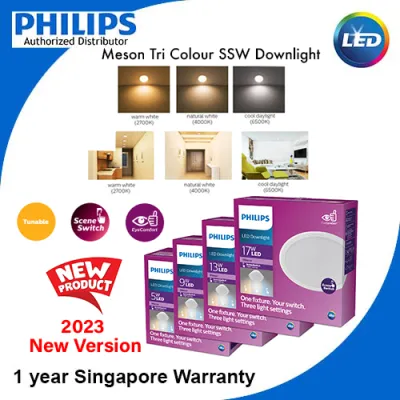
Before purchasing any lighting fixtures, it is essential to understand the core metrics printed on product packaging. The first specification to consider is Correlated Color Temperature (CCT), which is measured in Kelvins (K). CCT determines the visual warmth or coolness of the light, directly influencing the mood of a room. Lower Kelvin ratings, such as 2700K to 3000K, produce a warm, yellowish glow that mimics traditional incandescent bulbs, while higher ratings like 4000K offer a neutral white light, and 6500K delivers a cool, daylight effect.
Another critical factor is the relationship between lumen output and wattage. While wattage indicates how much electrical power the fixture consumes, lumens measure the actual amount of visible light emitted. When comparing Philips LED downlights, look for the luminous efficacy, which is the ratio of lumens to watts (lm/W). A higher efficacy indicates a more energy-efficient fixture that delivers ample brightness without drawing excessive power.
Products mentioned in this guide
![[Local Set] [3 Year Warranty] Philips Meson LED Downlight Ceiling Light 9W/13W Round/Square [Bundle Deal Available]](https://img.lazcdn.com/g/p/d8d02051d9b113c0010c4b1a40161081.png_400x400q80.png_.webp)
![[Climate Voucher] PHILIPS 3 Color Meson LED Downlight 5.5W 9W 13W 17W Tri Tone Scene Switch for False Ceiling Local Warranty](https://img.lazcdn.com/g/p/4f25f6fa6bf4fcf754b08b97b4102da3.jpg_400x400q80.jpg_.webp)
![[3 Year Warranty] Philips Meson Scene Switch Downlight 3 Color Downlight Tri Color](https://img.lazcdn.com/g/p/c9bdcc527c086bb4edb1910bbd62abcf.jpg_400x400q80.jpg_.webp)
![[3 Year Warranty] Philips Meson SceneSwitch Downlight 3 Color Downlight Tri Color](https://img.lazcdn.com/g/p/e216f88a639452630860ec9dddb9e116.png_400x400q80.png_.webp)
Prices are valid at publication and may change. Please refer to the product page for the latest price.
The beam angle of a downlight determines how the light is distributed across a space. A wide beam angle, typically 100 degrees or more, disperses light broadly across the floor and walls, making it ideal for general ambient illumination. Conversely, a narrow beam angle, ranging from 24 to 36 degrees, concentrates the light into a focused cone, which is useful for highlighting specific architectural features, artwork, or task areas.
Finally, Ingress Protection (IP) ratings indicate how well the fixture is sealed against solid objects and liquids. The first digit of an IP rating represents protection against dust and solid particles, while the second digit measures resistance to moisture and water. Understanding these ratings is crucial for selecting fixtures that can withstand the humid conditions of Singapore bathrooms and service yards without risking electrical failure.
Living Room and Bedroom: Selecting Downlights for Comfort and Ambience
The living room and bedroom are primary areas for relaxation, requiring lighting that minimizes eye strain and promotes a restful atmosphere. For these spaces, warm white light within the 2700K to 3000K range is highly recommended. This color temperature supports the body’s natural circadian rhythm, helping family members wind down in the evening.

To ensure visual comfort, pay close attention to the optical design of the downlights. Standard flat-faced LED downlights can sometimes cause direct glare when you look up from a sofa or bed. Choosing deep-recessed or anti-glare optical designs helps shield the light source from direct line of sight, diffusing the illumination gently across the room and reducing harsh glare.
Dimmable downlights offer excellent flexibility for multi-functional living rooms and bedrooms, allowing you to adjust the brightness levels based on the time of day or activity. When selecting dimmable Philips LED downlights, always verify their compatibility with your existing wall dimmer switches. Standard LED fixtures may flicker or fail to dim smoothly if paired with incompatible leading-edge or trailing-edge dimmers, so checking the manufacturer’s compatibility list on the packaging or product manual is a necessary step before installation.
Kitchen and Dining: Optimizing Downlights for Task Lighting and Clarity
Kitchens and dining areas demand high-clarity lighting to facilitate safe food preparation and create an inviting dining experience. In the kitchen, where sharp knives and hot appliances are used, general ambient lighting should be supplemented with bright task lighting. Selecting downlights with a neutral white color temperature of approximately 4000K provides a clean, alert environment that enhances visibility over countertops and cooking zones.
Color accuracy is another vital consideration in spaces where food is prepared and served. The Color Rendering Index (CRI) measures how accurately a light source reveals the true colors of objects compared to natural sunlight. When browsing Philips LED downlights, check the packaging for a high CRI rating, ideally Ra 80 or above. A higher CRI ensures that fresh ingredients, cooked meals, and interior decor materials appear vibrant and true-to-life.
For dining tables and kitchen islands, using downlights with narrower beam angles can create a sophisticated, focused effect. Instead of flooding the entire room with uniform light, a concentrated beam highlights the dining table centerpiece or island surface, separating the dining zone visually from the rest of the open-plan living space.
Bathroom and Wet Areas: Ensuring Safety and Moisture Resistance
Bathrooms, service yards, and other wet areas present unique challenges due to high humidity and potential exposure to water splashes. To ensure safety and durability, you must select downlights with appropriate IP ratings. For general bathroom ceilings outside the immediate shower zone, a minimum rating of IP44 is typically sufficient to protect against steam and minor splashes. However, if a downlight is installed directly inside a shower cubicle or above a bathtub where water jets or heavy splashing may occur, a higher rating such as IP65 is required.
Electrical safety is paramount in wet environments. In Singapore, all household electrical appliances and fixtures must comply with local safety standards. When purchasing Philips LED downlights, look for the safety certification marks, such as the Enterprise Singapore Safety Mark, on the product packaging or the external LED driver. This mark indicates that the product has been tested and certified safe for use under local electrical conditions.
Because water and electricity pose severe hazards, any installation or replacement of light fixtures in wet areas must be approached with caution. While minor cosmetic changes might seem straightforward, fixed wiring modifications in bathrooms should always be handled by a licensed electrical worker (LEW). A professional installer ensures that the wiring is properly insulated, grounded, and compliant with Singapore’s CP 5 electrical wiring standards.
Pre-Installation Checklist for Electrical and Structural Compatibility
Before finalizing your purchase of Philips LED downlights, conducting a thorough physical and electrical check of your ceiling infrastructure will prevent costly installation errors. First, measure the diameter of the existing ceiling cut-out holes. Downlights come in various standard cut-out sizes, and matching these dimensions precisely avoids the need to patch or widen holes in your plasterboard ceiling. Additionally, measure the clearance depth—the vertical space available between the false ceiling board and the concrete slab above—to ensure there is sufficient room for the downlight body and its driver to sit comfortably without touching structural elements or trapped heat.
Next, verify the electrical configuration of your home. Determine whether your existing setup uses mains-voltage downlights (which connect directly to the 220-240V AC supply) or low-voltage systems that require an external transformer or LED driver. If your chosen Philips downlight comes with an external driver, ensure there is adequate space in the ceiling void to house the driver safely, keeping it away from thermal insulation or areas prone to heat buildup.
Finally, establish clear boundaries for safe installation. Always isolate the mains power at your home’s main distribution board (DB box) before inspecting or touching any electrical wiring. If your project involves cutting new holes in the ceiling, modifying existing circuits, or working at heights on tall ladders, stop and hire a qualified professional. Engaging a licensed electrician ensures the work is completed safely, protecting your home’s electrical system and maintaining compliance with local building regulations.
Frequently Asked Questions (FAQ)
Can I replace my existing halogen downlights with Philips LED models?
Yes, you can replace older halogen downlights with modern Philips LED models, but you must perform several compatibility checks first. Halogen systems typically run on low voltage via a magnetic or electronic transformer. These older transformers often have a minimum wattage requirement that low-power LED downlights cannot meet, which can cause the LEDs to flicker, buzz, or fail to light up. To avoid this, it is generally recommended to replace the entire fixture, including the old transformer, with a dedicated LED downlight that includes its own compatible LED driver. Additionally, compare the physical dimensions and cut-out sizes of the old halogen fixtures with the new LED units to ensure a proper fit in your ceiling.
Are Philips LED downlights compatible with smart home systems?
Compatibility with smart home systems depends entirely on the specific product line you select. Standard Philips LED downlights are designed for traditional on-off or wall-dimming switches and do not have built-in smart connectivity. If you want to integrate your downlights into a smart home ecosystem, you must choose dedicated smart lighting models, such as those from the Philips Hue or WiZ product lines. Before purchasing, check the product packaging and user manuals to verify the required communication protocols—such as Zigbee, Wi-Fi, or Bluetooth—and confirm whether the system requires a dedicated smart hub or can connect directly to your home wireless network and mobile application.

Community discussion
Share your experience or ask a question. Comments are reviewed before publication.