
The primary differences between aden + anais cotton and bamboo-derived muslin blankets lie in their texture, weight, and care requirements. Cotton muslin is highly durable, starting with a slightly structured feel that softens progressively with every wash, making it excellent for everyday wear and tear. In contrast, bamboo-derived viscose muslin offers immediate, silky-smooth softness and a heavier, fluid drape that feels cool to the touch, though it requires gentler laundering to prevent fiber damage. Choosing between them depends on whether you prioritize rugged durability and easy washing or immediate, silky softness for sensitive skin.
When preparing a nursery or selecting a comforting throw blanket, the tactile experience and ease of maintenance are paramount. Aden + anais has popularized muslin as a staple fabric, but navigating their product lines requires understanding how different raw materials behave over time. While both options provide excellent airflow due to their open weave, their physical performance, longevity, and washing protocols diverge significantly. By examining these differences, you can select a blanket that aligns with your household routines and comfort preferences.
Understanding Aden + Anais Fabrics: Muslin Weave vs. Fiber Content
Many shoppers confuse the term “muslin” with a specific fiber, but muslin actually refers to a weaving technique rather than the raw material itself. Muslin is a lightweight, plain-weave fabric characterized by its open, breathable structure. This loose, grid-like pattern allows air to circulate freely, which helps regulate temperature and reduces the risk of overheating. The technique can be applied to various types of yarn, meaning a muslin blanket can be made from cotton, bamboo-derived cellulose, wool, or synthetic blends.
Products mentioned in this guide
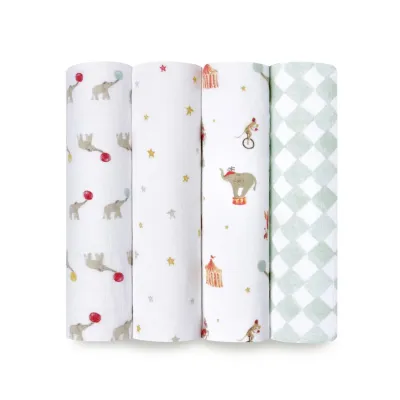
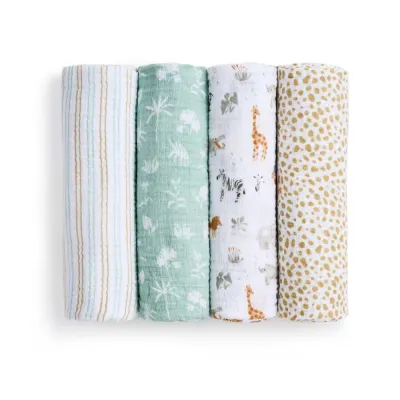
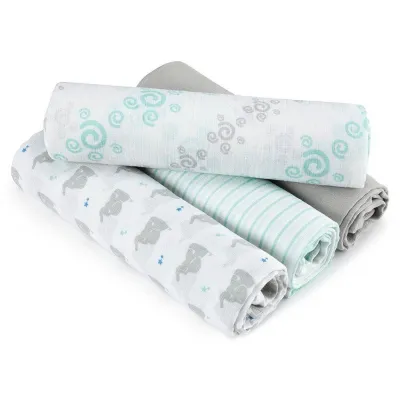
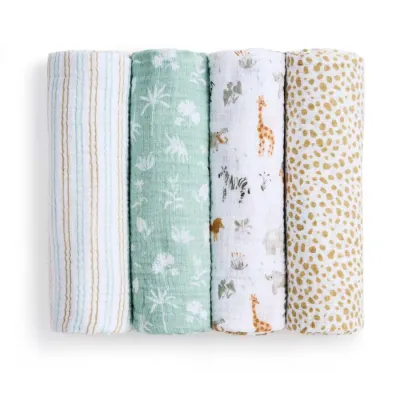
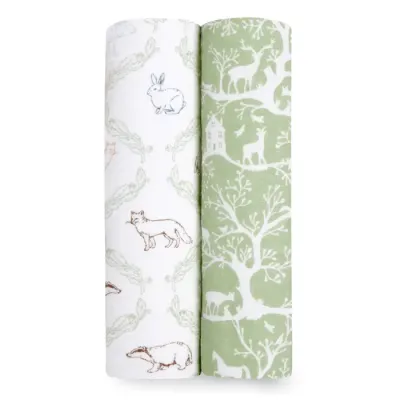
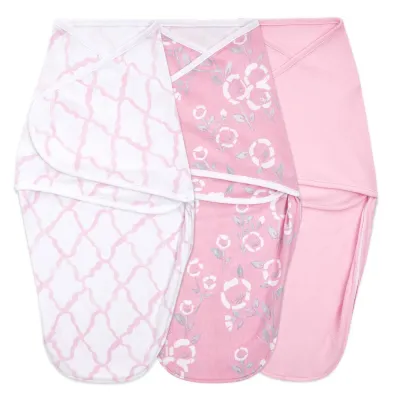
Prices are valid at publication and may change. Please refer to the product page for the latest price.
To make an informed purchase, it is crucial to distinguish between this weave and the actual fiber content spun into the yarn. Aden + anais utilizes different base fibers to achieve distinct physical properties. Their classic line features pure cotton, while their silky soft line utilizes viscose made from bamboo. Each fiber brings its own set of physical characteristics to the open-weave structure, altering how the blanket behaves when draped, washed, or packed.
When shopping, always check the physical product labels or official packaging for exact fiber percentages and legal textile names. In many regions, regulations require manufacturers to list the specific type of regenerated cellulose, such as “viscose rayon derived from bamboo,” rather than simply “bamboo.” Understanding these distinctions ensures you know exactly what material is touching sensitive skin and how it will react to daily use.
Comfort and Texture: Comparing Cotton and Bamboo Blends
The tactile differences between cotton muslin and bamboo-derived viscose are noticeable from the very first touch. Cotton muslin blankets possess a classic, slightly crisp texture when brand new. This structure is highly supportive for swaddling, as the natural friction of the cotton fibers helps hold folds securely in place. Over time and through repeated wash cycles, these cotton fibers relax and bloom, becoming progressively softer and more textured without losing their structural integrity.

In contrast, bamboo-derived viscose blankets offer an immediate, luxurious softness that requires no break-in period. The fibers are exceptionally smooth and round, resulting in a silky hand-feel that is highly soothing for sensitive skin. This material also has a heavier, more fluid drape than cotton, contouring closely to the body. This liquid-like drape makes it feel exceptionally cozy, though it lacks the slight grip that some parents prefer when wrapping a secure swaddle.
Breathability and moisture management also vary between the two materials. Cotton is naturally absorbent and allows heat to escape easily through the open muslin weave, making it a reliable choice for moderate to warm environments. Bamboo-derived viscose is highly hygroscopic, meaning it excels at pulling moisture away from the skin, and it naturally feels cool to the touch. This cooling sensation can be highly beneficial in humid climates where managing ambient humidity is key to maintaining comfort during sleep.
However, the final feel and performance of the blanket are heavily influenced by the specific blend ratios. Some product lines may combine cotton and viscose to balance the durability of the former with the softness of the latter. Checking the product tags allows you to identify these hybrid blends, helping you anticipate whether a blanket will lean toward the structured, matte finish of cotton or the slippery, lustrous finish of viscose.
Washing and Care Requirements for Longevity
Maintaining the integrity of muslin blankets requires adhering to specific laundering protocols, as the open weave makes them more susceptible to snagging and wear than tightly woven fabrics. For classic cotton muslin, standard care typically involves machine washing in cold or warm water on a gentle cycle. Cotton is a robust fiber that tolerates regular washing exceptionally well, and it actually benefits from the agitation of the machine to help soften the fibers over time.
Bamboo-derived viscose requires a much gentler touch to prevent fiber degradation and pilling. Viscose fibers lose a significant portion of their strength when wet, making them vulnerable to stretching, tearing, or developing rough patches during a harsh wash cycle. It is highly recommended to wash these blankets in cold water on a delicate cycle, ideally placing them inside a mesh laundry bag to protect the delicate weave from zippers, hooks, and buttons on other garments.
Drying methods also differ significantly between the two materials. Cotton muslin can generally be tumble dried on a low heat setting, which helps fluff the weave and restore its characteristic puckered texture. High heat should be avoided, as it can cause excessive shrinkage and weaken the cotton fibers over time. For bamboo-derived viscose, line drying in the shade is the safest method to preserve the silky texture and prevent shrinkage. If you must use a dryer, select the absolute lowest heat or air-fluff setting to avoid weakening the synthetic-cellulose structure.
Stain treatment and chemical avoidance are equally important for both fabric types. Avoid using chlorine bleach, which can rapidly degrade both cotton and viscose fibers, leading to premature holes. Instead, opt for mild, enzyme-free detergents and treat spots promptly with gentle, oxygen-based stain removers. Furthermore, skip fabric softeners entirely; these products leave a chemical coating on the fibers that reduces the natural breathability and moisture-wicking capabilities of the muslin weave.
How to Choose the Right Blanket for Your Needs
Selecting the ideal blanket involves matching these material characteristics to your specific household priorities, environmental conditions, and budget. If your primary goals are long-term durability, easy machine washing, and a reliable grip for swaddling, classic cotton muslin is generally the most practical choice. It withstands the rigors of daily outdoor use, frequent spills, and high-temperature sanitizing cycles better than its semi-synthetic counterpart.
If your priority is immediate, cloud-like softness for sensitive skin, or if you live in a consistently warm and humid climate where a cool-to-the-touch feel is desired, bamboo-derived viscose is highly suitable. While it demands more meticulous care during laundry day, the luxurious drape and silky texture provide an exceptionally comforting experience. For those torn between the two, seeking out a cotton-viscose blend can offer a balanced middle ground, providing enhanced durability with a softer initial feel.
When evaluating your options, also consider the physical dimensions and ply counts of the blankets. A single-layer or double-layer swaddle blanket is highly versatile for wrapping, using as a stroller cover, or laying down as a clean play surface. For cooler nights or air-conditioned rooms, a multi-layer dream blanket—often featuring four or more layers of muslin stitched together—provides substantial warmth without the weight of a traditional heavy quilt. Ensure you purchase from authorized retailers to guarantee you receive authentic products with accurate care labels and material disclosures, keeping your budget in S$ aligned with genuine quality.
Frequently Asked Questions (FAQ)
Do bamboo blankets contain actual raw bamboo fibers?
No, blankets labeled as bamboo do not contain raw, intact bamboo plant fibers, which are naturally coarse and stiff. Instead, they are made from viscose or rayon, which is a semi-synthetic fiber manufactured through a chemical process. The cellulose is extracted from bamboo stalks, dissolved in a chemical solution, and extruded through spinnerets to create soft, uniform filaments. Because of this intensive processing, the final textile is legally classified as viscose or rayon derived from bamboo, and you should check the product tag to verify this official fiber designation.
How many layers of muslin are best for different seasons?
The ideal number of muslin layers depends heavily on your indoor climate control and the ambient room temperature. A single-layer muslin blanket is highly breathable and excellent for warm tropical afternoons, serving as a light shield against drafts without trapping heat. For air-conditioned rooms or transitional seasons, a double-layer or four-layer muslin blanket offers a comfortable balance of insulation and airflow. Always monitor the occupant’s comfort cues, such as checking the back of the neck for sweat, to ensure the chosen thickness is appropriate for the current environment.

Community discussion
Share your experience or ask a question. Comments are reviewed before publication.