
Choosing between agarwood cones and essential oil diffusers comes down to how you want to experience fragrance in your daily routine. If you appreciate a brief, deeply grounding ritual with rich, woody undertones, burning an agarwood cone offers an authentic sensory experience that connects you to traditional incense practices. On the other hand, if you prefer continuous, hands-off scenting that you can customize throughout the day, an electronic essential oil diffuser provides a modern, smoke-free alternative. Your decision should align with your living space, your willingness to manage active combustion or routine cleaning, and your household’s ventilation setup.
How Agarwood Cones and Diffusers Work
To make an informed choice, it helps to understand how these two methods release fragrance into your home. An agarwood cone relies on direct combustion. When you light the tip of the cone and gently blow out the flame, the compressed wood powder and natural resins smolder slowly. This heat releases the volatile aromatic compounds locked within the agarwood, carrying them throughout the room on a stream of warm smoke. Because smoke naturally rises and disperses with air currents, the scent throw is immediate and can quickly fill a room, leaving a lingering aroma that persists long after the cone has finished burning.
In contrast, an essential oil diffuser uses electronic mechanisms to disperse fragrance without heat or fire. Ultrasonic diffusers, the most common type, utilize a small vibrating plate at the bottom of a water tank. This vibration breaks down a mixture of water and essential oil into an extremely fine, cool mist that is released into the air. Another type, the nebulizing diffuser, uses pressurized air to atomize pure essential oil directly into the room without water. Both electronic methods rely on mechanical airflow to distribute the scent, resulting in a gradual, consistent dispersion pattern that you can easily control by adjusting the device settings.
Products mentioned in this guide


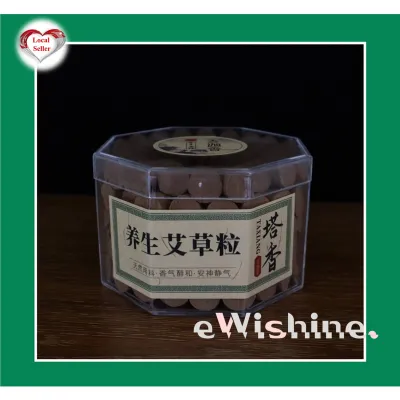

Prices are valid at publication and may change. Please refer to the product page for the latest price.
Scent Profile and Aroma Control
The sensory experience of these two methods differs significantly in character and flexibility. Burning an agarwood cone delivers a complex, deeply warm, and earthy aroma. The heat of combustion coaxes out sweet, balsamic, and woody notes that are highly prized in traditional incense culture. This scent profile is inherently robust and singular; while you can find agarwood blended with other natural botanicals, the underlying smoky, resinous character remains the dominant feature. Controlling the intensity of a burning cone is largely a matter of physical size or burning only a portion of the cone, as the combustion process runs its course at a fixed rate once lit.

Essential oil diffusers offer a much broader palette of fragrance options and precise control over scent delivery. You can purchase individual oils—such as lavender, citrus, or eucalyptus—and blend them to suit your mood, or opt for pre-formulated blends. Because electronic diffusers feature adjustable mist outputs, interval timers, and automatic shut-off functions, you can easily fine-tune how much scent is released and for how long. This makes it simple to maintain a subtle, background aroma rather than an intense burst of fragrance. When purchasing either option, it is essential to check product labels carefully to verify whether you are buying pure, natural ingredients or synthetic fragrance oils, as synthetic additives can alter the scent quality and affect indoor air quality.
Space Suitability and Ventilation Needs
Your living environment plays a critical role in determining which fragrance method is safe and comfortable. In compact living spaces, such as typical Singapore HDB flats or apartments with limited natural airflow, the smoke from an agarwood cone can quickly become overwhelming. Burning incense requires active ventilation, meaning you should keep windows open to allow fresh air to circulate and prevent smoke buildup. Without adequate airflow, the particulate matter from the smoke can settle on surfaces, potentially irritating sensitive airways or leaving a heavy, stagnant smell.
Ultrasonic diffusers do not produce smoke, but they do introduce moisture into the air. In a humid tropical climate, adding extra water vapor to an enclosed, air-conditioned room can sometimes elevate humidity levels to an uncomfortable degree. If you use an ultrasonic diffuser, it is wise to place it away from moisture-sensitive items like wooden furniture, paper documents, or delicate electronics to prevent condensation buildup. For larger rooms with high ceilings, a nebulizing diffuser might be more effective at dispersing scent without adding humidity, whereas a standard ultrasonic model is often perfectly suited for smaller, enclosed bedrooms or study spaces.
Daily Maintenance and Safety Checks
Integrating a fragrance method into your lifestyle means accepting its specific maintenance and safety requirements. Burning an agarwood cone demands active supervision and strict fire safety precautions. You must always place the cone on a dedicated, heat-resistant burner—such as a ceramic, stone, or metal holder—and ensure it is positioned far away from flammable materials like curtains, books, or drafty windows. Once the cone has finished smoldering, you must safely dispose of the remaining ash, ensuring it is completely cool before discarding it to prevent accidental ignition.
Electronic diffusers require a different kind of upkeep, centered on hygiene and electrical safety. Because ultrasonic diffusers hold standing water, they can quickly become breeding grounds for mold and bacteria if left uncleaned. You should empty the water tank daily, wipe it down, and perform a deeper clean with water and mild soap or white vinegar according to the manufacturer’s instructions. Additionally, because these devices run on electricity, you must verify that the power adapter carries the appropriate local safety certifications, such as the Safety Mark in Singapore, and ensure the power cord is kept away from water spills and high-traffic areas where it could be tripped over.
Evaluating Costs and Consumables
Understanding the financial commitment of each method involves looking at both the initial hardware purchase and the ongoing cost of consumables. For agarwood cones, the initial setup cost is generally low, requiring only a simple, non-electronic burner or holder. However, the ongoing cost is tied directly to how often you burn them. High-quality, pure agarwood is a premium material, and a box of authentic cones can represent a significant recurring expense depending on your usage frequency. When shopping, compare the price per cone and check the estimated burn time to understand the true cost per session.
Electronic diffusers require a higher upfront investment for the device itself, with prices varying based on features like timer settings, material quality, and diffusion technology. However, the ongoing cost of essential oils can be highly economical. A standard bottle of essential oil, typically priced in S$, can last for dozens of uses because you only need to add a few drops to the water tank per session. When evaluating these options in local retail shops or online marketplaces, consider the lifespan of the diffuser hardware and the yield of your chosen consumables to determine which system fits your long-term household budget.
Decision Framework: Which Method Fits Your Routine?
To finalize your choice, consider how each method aligns with your daily habits and household constraints. If you view home fragrance as a mindful, intentional ritual—perhaps as part of a meditation practice, tea session, or evening wind-down—and you have a well-ventilated space where you can safely manage active combustion and ash cleanup, agarwood cones are an excellent fit. They provide a rich, traditional atmosphere that electronic devices cannot easily replicate.
Conversely, if you want a continuous, low-maintenance fragrance solution that can run safely in the background while you work, sleep, or entertain, an essential oil diffuser is the more practical option. It allows you to change scents easily, control intensity with the press of a button, and enjoy a smoke-free environment without constant supervision. Before making your final decision, always verify if anyone in your household has respiratory sensitivities or asthma, check your tenancy agreement for any rules regarding indoor burning, and ensure your chosen electronic device meets local electrical safety standards.
Frequently Asked Questions (FAQ)
Can I use agarwood essential oil in a standard diffuser?
Yes, but you must check your diffuser manufacturer’s guidelines first. Pure agarwood essential oil is highly viscous, thick, and resinous, which can easily clog the delicate ultrasonic plates or nebulizing nozzles of standard diffusers. If you wish to use it, look for pre-diluted blends designed specifically for electronic diffusion, or consider alternative methods like a candle-lit oil warmer or a reed diffuser that can handle heavier oils without mechanical failure.
Do agarwood cones leave residue on walls or furniture?
Because agarwood cones release fragrance through combustion, they do produce smoke that contains natural oils and particulates. Over time, if burned frequently in the same spot without adequate ventilation, this smoke can leave a fine residue or slight discoloration on nearby walls, ceilings, and light-colored fabrics. To minimize this, always burn cones in well-ventilated areas, use a burner design that helps contain or direct the smoke, and maintain a safe clearance distance from walls and furniture. If you notice any buildup, wipe down the area immediately and adjust your setup.

Community discussion
Share your experience or ask a question. Comments are reviewed before publication.