
Choosing between traditional agarwood joss sticks and modern essential oil diffusers is not a matter of finding a universally superior option, but rather matching the fragrance delivery method to your specific living environment, safety preferences, and appreciation for scent authenticity. Traditional agarwood joss sticks rely on direct combustion, burning the raw wood and natural resins to release a complex, smoky, and deeply traditional aroma that evolves over time. In contrast, modern essential oil diffusers use ultrasonic vibration or gentle heat to vaporize liquid extracts, dispersing a consistent, mist-based scent that can be easily controlled or blended. While burning raw agarwood offers an unmatched depth of woody, sweet, and balsamic notes, commercial essential oils provide a highly uniform fragrance profile without the presence of smoke. Ultimately, how effectively either method fills your home depends heavily on your room size, ceiling height, and the specific technical specifications of your chosen diffusion device.
To understand the olfactory differences, one must look at how each method releases the aromatic compounds of the agarwood. Combustion heat causes the complex resins within the wood to vaporize and burn sequentially, which is why a burning joss stick offers a shifting scent profile that transitions from light, sweet top notes to deep, woody base notes. Essential oil extraction, typically done through steam distillation or CO2 extraction, captures a specific profile of these volatile compounds. When dispersed through a diffuser, this oil provides a highly consistent and stable aroma from start to finish. However, because some of the heaviest resinous compounds do not easily distill into oil, some purists find that diffusers lack the raw, earthy complexity of a traditional burn.
Space, Ventilation, and Environmental Fit
The physical layout and airflow of your living space play a critical role in determining which agarwood fragrance method will perform best. Agarwood joss sticks require active ventilation to prevent smoke accumulation, lingering odors, and particulate buildup in enclosed areas. In typical Singapore apartments where windows may remain closed during hot afternoons, burning incense without adequate cross-ventilation can quickly overwhelm a room and leave a heavy, smoky haze. For these reasons, traditional joss sticks are best suited for open-plan living areas, semi-outdoor balconies, or rooms with consistent, natural airflow that can gently disperse the smoke.
Products mentioned in this guide

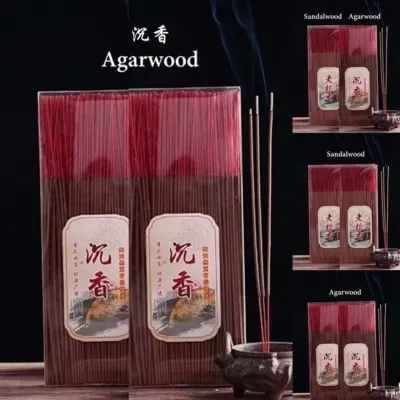
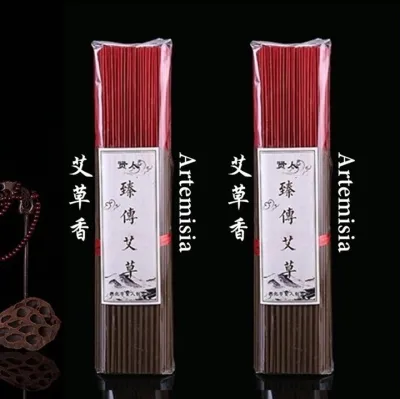
![【Next Day】Premium Natural Wood & Herb Aroma Incense Artemisia Argyi (艾草) Sandalwood (檀香) Agarwood (沉香) Incense Stick. [FREE] Ebony Wood Incense Holder for Ordering or Mix 2 Boxes. Natural Ingredients No Artificial Additives No Combustion Chemicals.](https://img.lazcdn.com/g/p/c768f652392af1fc9318730e3b5fbd9a.jpg_400x400q80.jpg_.webp)

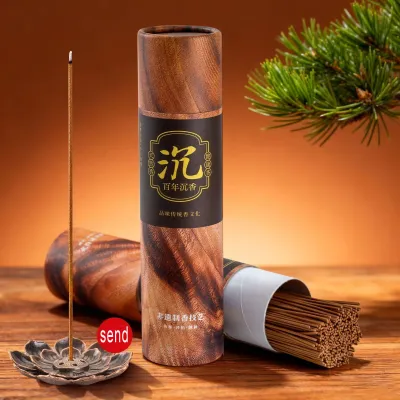
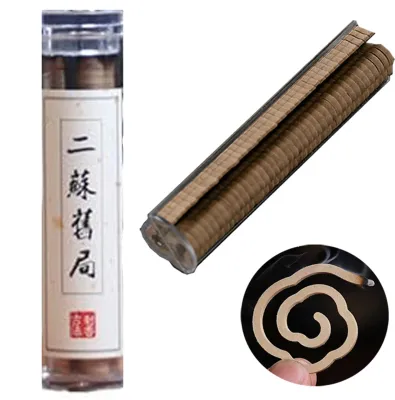
Prices are valid at publication and may change. Please refer to the product page for the latest price.
Conversely, electrical diffusers are highly compatible with sealed, air-conditioned spaces where maintaining a controlled environment is a priority. Because they do not rely on combustion, they disperse fragrance without depleting oxygen or producing smoke particulates, making them ideal for bedrooms and study rooms. However, ultrasonic diffusers introduce moisture into the air as part of their misting process. In Singapore’s naturally humid climate, adding extra moisture to an enclosed room requires careful monitoring, especially if the space contains sensitive electronics, solid wood furniture, or areas prone to dampness.
To optimize either method, you must map out strategic placement zones within your home. Avoid placing joss sticks or diffusers directly under air-conditioning vents or next to powerful fans, as rapid airflow can disperse the scent too quickly or unevenly, reducing the overall olfactory experience. Instead, position your fragrance source in a neutral zone where natural air currents can circulate the aroma gently throughout the room. If using an ultrasonic diffuser in a small room, consider running it on an intermittent setting to prevent localized humidity buildup on nearby walls or wooden surfaces.
Safety, Maintenance, and Daily Convenience
Evaluating the daily operational demands, physical upkeep, and safety protocols of each method is essential for a seamless home fragrance routine. Using open-flame agarwood joss sticks requires strict adherence to fire safety protocols. You must always use a stable, heat-resistant burner or ash catcher, place the stick away from flammable materials like curtains or books, and monitor the burn time closely. Once the stick has finished burning, proper ash disposal is necessary to prevent accidental smoldering or messy spills on your furniture.

Electrical diffusers eliminate the risks associated with an open flame, but they introduce their own set of maintenance and electrical safety requirements. To prevent mold, mildew, and bacterial buildup, the water tank of an ultrasonic diffuser must be cleaned regularly according to the manufacturer’s instructions. Mineral deposits from tap water can also clog the ultrasonic plate over time, requiring periodic descaling with diluted vinegar or specialized cleaning solutions. Additionally, you must ensure the device is compatible with local voltage standards, carries recognized electrical safety certifications, and that the power cord remains dry and undamaged.
The choice also comes down to your personal preference for daily convenience versus ritual. Lighting a premium agarwood joss stick is a deliberate, meditative ritual that encourages you to pause, observe the smoke, and appreciate the immediate release of raw resin. On the other hand, an electrical diffuser offers set-and-forget convenience. With the ability to fill a water tank, add a few drops of oil, set a timer, and walk away, it integrates effortlessly into a busy, modern lifestyle where automated home features are preferred. Always check the manufacturer’s safety instructions and warning labels on both incense holders and electrical appliances before operating them.
Cost, Consumables, and Long-Term Value
Understanding the financial commitment of both options involves looking at both the initial setup costs and the ongoing expenses of consumables. The upfront cost of starting with traditional joss sticks is relatively low, requiring only a simple, heat-resistant holder or ceramic burner that can cost as little as S$10 to S$20. In contrast, a high-quality electrical diffuser requires a larger initial investment, often ranging from S$50 to over S$150, to secure a reliable device with proper electrical certifications, adjustable mist settings, and built-in safety timers.
However, the long-term value is heavily dictated by the recurring cost of the consumables themselves. Premium, natural agarwood is one of the most expensive raw materials in the perfume world, and this is reflected in the price of high-grade joss sticks and pure essential oils. When purchasing consumables, it is vital to check product labels and ingredient lists carefully. Lower-priced options often contain synthetic fillers, artificial fragrances, or chemical binders designed to mimic the complex scent of genuine agarwood, which can compromise both the scent quality and your indoor air quality.
Maintenance and replacement parts also factor into the long-term cost equation. While a quality ceramic incense burner can last a lifetime with basic cleaning, electrical diffusers may eventually require replacement parts, such as new ultrasonic plates or power adapters, or complete replacement after several years of continuous use. For those using essential oils, a small 5ml bottle of pure agarwood oil can represent a significant upfront expense, though only a few drops are needed per session, making its long-term cost per use comparable to burning high-quality joss sticks daily.
Decision Framework: Which Method Suits Your Lifestyle?
To finalize your choice, consider how each method aligns with your daily habits, household members, and physical space.
You should choose agarwood joss sticks if:
- You value the traditional, ceremonial ritual of lighting incense.
- You prefer the authentic, complex, and evolving scent profile of burning raw resin.
- You have well-ventilated, open-plan living spaces or semi-outdoor areas that can easily handle smoke dispersion.
You should choose an essential oil diffuser if:
- You require continuous, flame-free fragrance that can run safely in enclosed, air-conditioned rooms.
- You prefer automated timers, low-maintenance operation, and the ability to walk away from the device.
- You enjoy blending agarwood with other essential oils to customize your home's scent profile.
Neither method may be suitable if your living space lacks adequate airflow to safely disperse smoke, or if your rooms already suffer from high humidity levels that make ultrasonic misting impractical. Before making a purchase, always verify the specific needs of your household. If you have family members with respiratory sensitivities, asthma, or allergies, or if you share your home with pets, the particulates from burning joss sticks may cause irritation, making a flame-free, highly diluted diffuser a safer alternative. Additionally, consider your home decor materials; delicate fabrics, untreated wood, and fine art can occasionally absorb smoke odors or be sensitive to localized moisture buildup, requiring careful placement of whichever device you choose.
Frequently Asked Questions (FAQ)
Can I use agarwood essential oil in any diffuser?
Pure agarwood essential oil and natural resin extracts are highly viscous and thick compared to lighter citrus or herbal oils. Because of this high viscosity, you must check your diffuser’s manufacturer specifications to ensure it can handle heavier oils without clogging the internal components or damaging the motor. While ultrasonic diffusers can often accommodate viscous oils when properly diluted in water, nebulizing diffusers that use cold air pressure without water may clog easily, requiring specialized cleaning or specific oil formulations.
Do agarwood joss sticks leave residue on walls or furniture?
Yes, prolonged burning of agarwood joss sticks in poorly ventilated spaces can lead to a buildup of soot, tar, and smoke residue on nearby walls, ceilings, and furniture. To protect your home decor, always place the incense burner in a well-ventilated area away from light-colored walls or delicate fabrics. Regular dusting of nearby surfaces and maintaining a gentle, consistent airflow will help prevent smoke particles from settling and causing discoloration over time.
Is it safe to leave an essential oil diffuser running overnight?
It is generally safe to run an essential oil diffuser overnight only if the device is equipped with an automatic shutoff feature that turns the unit off when the water tank is empty. However, you should avoid continuous, unmonitored diffusion in small, completely unventilated bedrooms, as the concentration of essential oils in the air can become overpowering. For overnight use, select a diffuser with an intermittent mist setting or a built-in timer, and ensure the room has adequate air circulation.

Community discussion
Share your experience or ask a question. Comments are reviewed before publication.