
Choosing the right lamp for your home altar is a balance of spiritual tradition and practical daily reality. The choice between an akhand diya—a lamp designed to burn continuously—and a standard diya, which is lit only during specific prayer times, shapes how you interact with your sacred space. While both vessels serve to bring light and focus to your prayers, they demand very different levels of attention, space, and safety management. Understanding these practical differences ensures your altar remains a source of peace rather than a household hazard.
Deciding which lamp to integrate into your daily routine requires looking closely at your household schedule, the physical layout of your home, and your willingness to perform regular maintenance. By evaluating these factors, you can select a lamp that honors your spiritual intentions while fitting seamlessly into your modern lifestyle.
Quick Diagnostic: Identifying Your Ideal Prayer Lamp
To quickly determine which lamp style aligns with your household, consider your daily habits and living environment. A continuous-burning lamp requires a stable environment and consistent human presence, whereas a standard lamp offers greater flexibility for busy households.
Products mentioned in this guide
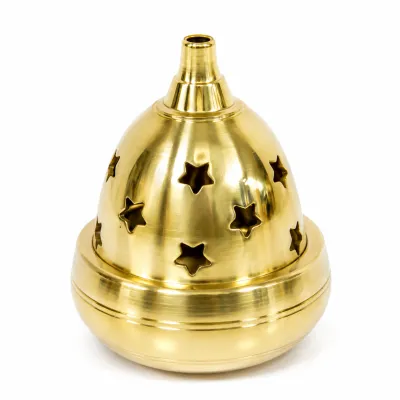
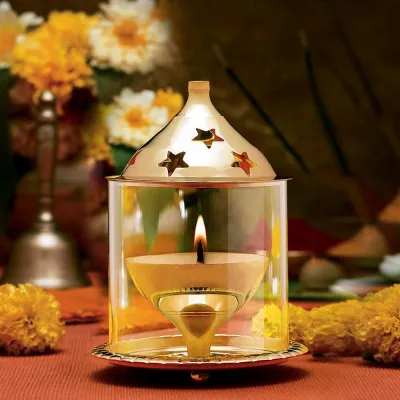
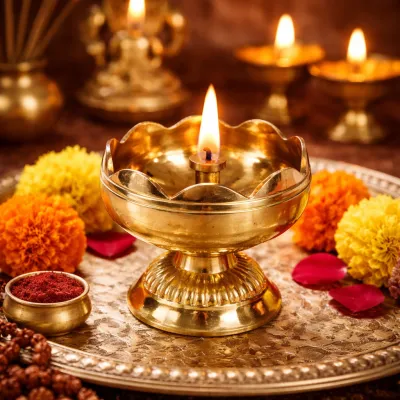
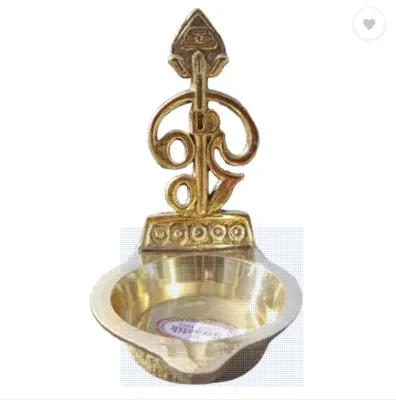
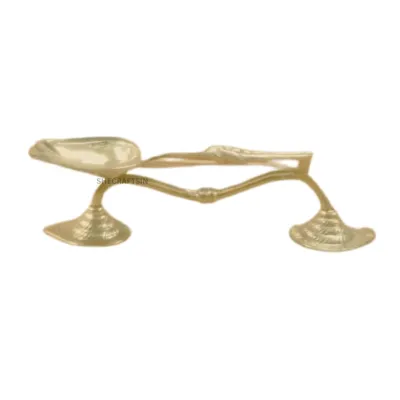
Prices are valid at publication and may change. Please refer to the product page for the latest price.
Ask yourself the following questions to clarify your needs:
- Daily Schedule: Is your home left unoccupied for long stretches during the workday, or is someone always present to monitor the altar?
- Altar Location: Is your altar situated in a dedicated, well-ventilated room, or is it integrated into a compact living area or shelf?
- Household Safety: Do you have young children, active pets, or strong drafts from open windows, ceiling fans, or air conditioning units?
- Upkeep Commitment: Are you willing to clean soot, trim wicks, and replenish fuel daily, or do you prefer a quick, low-maintenance ritual?
If your home is frequently empty or space is highly constrained, a standard diya provides a safer, more manageable option. Conversely, if you have a dedicated space and the ability to monitor the flame, an akhand diya can safely serve as a beautiful symbol of uninterrupted devotion.
Understanding the Core Differences in Operation
The primary distinction between these two lamps lies in their engineering and intended burn duration. A standard diya is typically an open-faced vessel made of clay, brass, or silver. It features a small fuel reservoir designed to hold enough oil or ghee to burn for a limited period, usually ranging from fifteen minutes to a few hours. Once the fuel is consumed, the flame naturally extinguishes, making it a self-limiting option for daily prayers.

An akhand diya is specifically engineered for continuous operation. It features a significantly larger fuel reservoir to sustain the flame over twenty-four hours or even multiple days. To protect the flame from sudden drafts and prolong the burn time, most modern akhand diyas are equipped with a heat-resistant borosilicate glass chimney or dome. This protective cover controls airflow, ensuring a steady, efficient burn while preventing external elements from extinguishing the light.
Fuel consumption and wick management also differ. Standard lamps use simple cotton wicks that require no adjustment during their short burn time. Continuous lamps require thicker, high-quality wicks and a steady supply of oil, such as sesame or mustard oil, or clarified butter (ghee). The wick of a continuous lamp must be periodically adjusted to prevent carbon buildup from choking the flame.
Evaluating Your Daily Worship Routine and Schedule
Your daily schedule is the most critical factor when choosing between these two vessels. In modern urban environments, where family members often commute to work or school, leaving an open flame unattended for ten to twelve hours is a significant safety risk. If your household is empty during the day, maintaining a continuous flame is impractical and unsafe.
For those who work from home or live in multi-generational households where someone is always present, an akhand diya is highly viable. Having a family member available to check the oil level every few hours and ensure the flame is burning steadily makes continuous operation safe and rewarding. This constant presence allows you to maintain the spiritual continuity of an uninterrupted light without compromising home safety.
If your routine is fast-paced and unpredictable, a standard diya fits naturally into your morning or evening rituals. You can light the lamp during your prayers, enjoy its presence while you prepare for the day, and allow it to burn out naturally or extinguish it safely before leaving the house. This approach provides the spiritual benefits of daily worship without the anxiety of leaving an active flame unattended.
Assessing Altar Space and Household Safety
The physical layout of your prayer altar and the surrounding environment must be carefully evaluated before introducing any open flame. Heat rises, and a continuous flame generates a constant stream of warm air. Ensure your altar has ample vertical clearance; placing a continuous lamp directly beneath wooden cabinets, shelves, or painted surfaces can cause discoloration, warping, or a fire hazard over time.
Ventilation is another crucial consideration. While a glass chimney protects an akhand diya from drafts, the lamp still requires a steady supply of oxygen to burn cleanly. Poorly ventilated spaces can lead to rapid soot accumulation on the glass and surrounding walls. However, excessive drafts from ceiling fans or air conditioning units can cause the flame to flicker violently, increasing fuel consumption and soot production.
Household dynamics, such as the presence of children or pets, should heavily influence your decision. An open flame on a low shelf is easily disturbed by curious hands or wagging tails. If you cannot guarantee a completely isolated, draft-free, and secure location for a continuous lamp, a standard lamp lit only while you are present is the safer choice.
For situations where continuous light is spiritually desired but an open flame is unsafe, electrical alternatives are an excellent fallback. When selecting an electric or LED lamp, verify that the device matches your home’s voltage requirements and carries recognized electrical safety certifications. Ensure all wiring is kept away from heat sources and damp areas, and consult a qualified professional if you need to install dedicated outlets near your altar.
Comparing Maintenance and Upkeep Requirements
The effort required to maintain your prayer lamp directly impacts your long-term satisfaction. Standard diyas require minimal upkeep. After the flame goes out, you simply wipe away any remaining oil residue, replace the burnt cotton wick, and replenish the fuel before the next prayer session. Clay models can be discarded or washed, while brass and silver models require occasional polishing with mild soap or traditional cleaning pastes to remove tarnish.
An akhand diya demands a much higher level of maintenance. Because it burns continuously, carbon deposits naturally accumulate on the tip of the wick, creating a mushroom-like shape that can cause the flame to smoke or flicker. You must carefully trim or raise the wick using tweezers without extinguishing the flame. Additionally, the glass chimney will accumulate a layer of black soot over several days, requiring you to temporarily remove and wash the glass with warm, soapy water to maintain its clarity.
Refueling a continuous lamp also requires precision. You must gently pour oil into the reservoir without disturbing the burning wick or splashing fuel onto the hot glass dome, which could cause the glass to crack. If you prefer a low-maintenance routine that takes less than a minute of preparation each day, the standard option is far more practical.
Mapping Your Decision: When to Choose Which Diya
To make your final decision, match your household conditions to the most suitable lamp style. You do not have to choose one exclusively; many households successfully combine both methods depending on the occasion.
When to choose a standard diya:
- Your home is unoccupied during the day or you travel frequently.
- Your altar is located in a compact space with limited vertical clearance.
- You have young children, pets, or high-traffic areas near the altar.
- You prefer a quick, straightforward cleaning routine.
When to choose an akhand diya:
- Someone is consistently at home to monitor the flame and top up the fuel.
- You have a dedicated, well-ventilated prayer room or a highly secure, draft-free altar.
- You are observing specific multi-day festivals, such as Navratri or Diwali, when continuous prayer is a focus.
- You enjoy the process of daily wick adjustment and glass cleaning.
Many families adopt a hybrid approach. They use a standard brass or clay lamp for their daily morning and evening prayers to keep weekdays simple and safe. During weekends, holidays, or major religious festivals when the family is gathered at home, they light the akhand diya, allowing them to enjoy the spiritual atmosphere of a continuous flame when they can safely supervise it.
Frequently Asked Questions (FAQ)
Can I use an LED diya instead of a traditional oil lamp?
Yes, LED diyas are an excellent, flame-free alternative for modern homes. They eliminate the risk of fire, produce no soot, and do not require constant monitoring, making them ideal for apartments, high-traffic areas, or homes with pets and children. When choosing an electric model, ensure it matches your local household voltage and carries recognized safety certifications to prevent electrical hazards.
How do I safely pause an akhand diya if I need to travel?
If you must leave your home unattended, safety should always take priority over maintaining a continuous flame. To pause the lamp safely, do not blow out the flame directly. Instead, use a small metal spoon or a pair of tweezers to gently submerge the burning tip of the wick into the oil reservoir to extinguish it quietly. Once the lamp has cooled completely, clean the vessel, store any remaining oil in a sealed container, and prepare a fresh wick for when you return.

Community discussion
Share your experience or ask a question. Comments are reviewed before publication.