
Choosing between aroma concentrates and essential oils for your diffuser depends on whether you prioritize natural botanical properties or consistent, customizable scent profiles. While both liquids can fill a room with fragrance, they are formulated differently and interact uniquely with various diffuser technologies. Understanding these distinctions prevents device damage and ensures you achieve the exact sensory atmosphere you want for your home.
Understanding the Core Differences in Composition and Scent
Essential oils are pure, highly concentrated plant extracts obtained through physical extraction methods like steam distillation or cold pressing. Because they are derived directly from botanical sources, their chemical makeup is complex and inherently variable. The scent of a lavender or eucalyptus essential oil can change slightly from batch to batch depending on soil conditions, weather, and harvest times.
Aroma concentrates, on the other hand, are engineered fragrance formulations. They typically combine synthetic aroma compounds, natural isolates, and carrier solvents designed to disperse easily in water. This formulation allows creators to design complex, stable scent profiles—such as fresh linen, sea breeze, or warm vanilla—that remain identical with every bottle you purchase.
Products mentioned in this guide
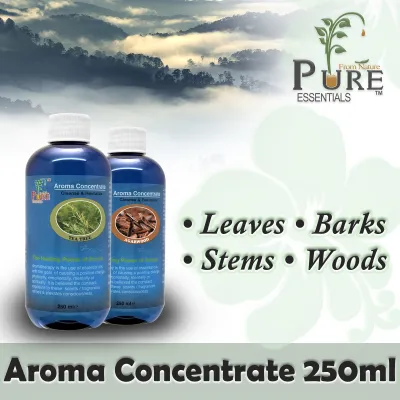
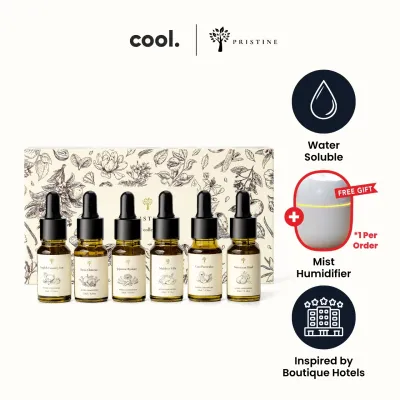
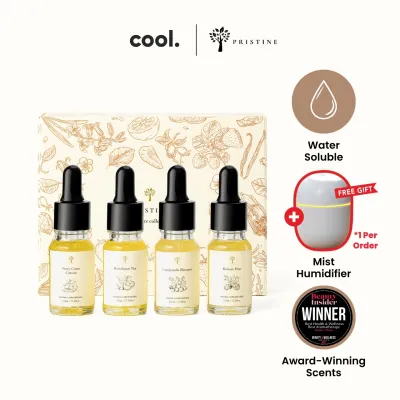

![[SG Seller] 10ml Mayci Premium Essential Oil Hotel Fragrance Concentrate Water Soluble for Humidifier and Diffuser](https://img.lazcdn.com/g/p/7e2f6aa1e89fcd26f7aff4b4f9349e1e.jpg_400x400q80.jpg_.webp)
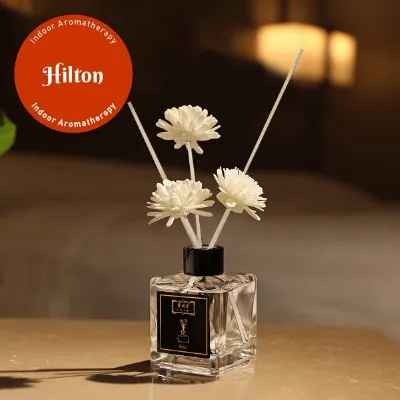
Prices are valid at publication and may change. Please refer to the product page for the latest price.
Scent throw and longevity also differ due to these structural variations. Essential oils contain volatile organic compounds that evaporate at different rates, often leading to a dynamic scent that changes over several hours before fading. Aroma concentrates are frequently formulated with fixatives that slow down evaporation, providing a more consistent, long-lasting, and intense scent throw throughout the diffusion cycle.
To know exactly what you are buying, always look past the marketing terms on the front of the bottle. Check the ingredient list on the back packaging for terms like “100% pure essential oil” or “fragrance/parfum.” Some products labeled as “diffuser oils” are actually pre-diluted concentrates, so verifying the ingredient list is the only reliable way to confirm the composition.
Checking Diffuser Compatibility and Device Limits
Not every diffuser can handle every type of liquid, and using the wrong formula can permanently damage your device. Ultrasonic diffusers, which use a vibrating plate to create a fine water mist, are highly versatile but can struggle with heavy, viscous oils. Nebulizing diffusers, which disperse pure oil without water, require thin, highly volatile liquids and can easily clog if filled with thick carrier oils or dense synthetic concentrates.

The viscosity and carrier base of your chosen liquid dictate how safely it will run through your machine. Pure essential oils generally disperse well in water-based ultrasonic systems, though some citrus or resinous oils can degrade plastic components over time. Aroma concentrates are often formulated to be water-soluble, making them highly compatible with ultrasonic models, but they may contain alcohol or synthetic solvents that are strictly prohibited in nebulizing or heat-based diffusers.
Before adding any new liquid to your diffuser, consult the manufacturer’s instruction manual. Look for specific guidelines regarding viscosity limits, prohibited ingredients, and warranty conditions. Many brands explicitly state that using synthetic fragrances or non-water-soluble carrier oils voids the warranty, making this check essential before your first use.
Keep a close eye on your device during operation to catch early signs of incompatibility. If you notice a sudden drop in mist output, sputtering, unusual humming noises, or a sticky residue forming around the ultrasonic plate, turn off the device immediately. Continuing to run a clogged diffuser strains the motor and can lead to electrical overheating or permanent failure.
Always isolate the power supply by unplugging the diffuser from the wall outlet before inspecting, cleaning, or refilling the water tank. Ensure the electrical interface and power cord remain completely dry, especially when operating in humid environments or near damp surfaces.
How to Choose Based on Your Scent Goals and Space
Selecting the right liquid requires matching its scent throw to the physical characteristics of your room. In large, open-plan living areas with high ceilings or active ventilation, a standard essential oil may fade quickly or fail to reach the far corners of the space. An aroma concentrate, with its engineered intensity and slower evaporation rate, is often better suited for filling expansive rooms with a noticeable, lasting fragrance.
For smaller, enclosed spaces like home offices or bedrooms, the subtle and evolving nature of essential oils is often preferred. The natural botanical notes provide a gentle background aroma that does not overwhelm the senses. If you prefer a highly specific, complex atmosphere—such as a luxury hotel lobby or a cozy spiced cabin—aroma concentrates offer the precise fragrance layering needed to achieve that exact aesthetic.
Your choice should also align with the safety needs of your household. Always check product labels for specific usage warnings, particularly if you share your home with pets, young children, or individuals with respiratory sensitivities. Certain pure essential oils, such as tea tree, eucalyptus, and peppermint, contain natural compounds that are highly toxic to cats and dogs when diffused, whereas synthetic concentrates may contain specific allergens that require careful ventilation.
Safe Usage, Dilution, and Maintenance Checks
Safe operation starts with precise dosing. Always follow the manufacturer’s recommended dilution ratios and drop counts printed on both the diffuser manual and the fragrance packaging. Adding too many drops of either essential oil or aroma concentrate does not result in a better scent; instead, it creates an oily film on the water’s surface that prevents proper misting and strains the ultrasonic transducer.
Pay close attention to water temperature limits specified by your diffuser’s manufacturer. Most ultrasonic devices require room-temperature tap water or distilled water to function correctly. Using hot water can warp the plastic housing, alter the chemical composition of the fragrance, and compromise the safety seals protecting the internal electrical components.
Establish a routine visual and olfactory inspection of your diffuser tank. Look for yellowing or cloudy residue on the plastic walls, mineral buildup around the misting nozzle, or a lingering, sour odor that persists even when the device is empty. These are clear signs that old oils have oxidized and are beginning to harbor bacteria or mold, which will then be dispersed into your indoor air.
To clean your device safely, unplug the power cord to isolate the electrical system, empty any remaining water away from the air outlet, and wipe the tank with a soft, damp cloth. For stubborn buildup, use a mild cleaning solution recommended by the manufacturer, such as diluted white vinegar, and gently clean the ultrasonic plate with a cotton swab. If the device exhibits persistent clogging, a burning smell, or motor strain despite thorough cleaning, stop using it and consult a professional or replace the unit to avoid electrical hazards.
Frequently Asked Questions (FAQ)
Can I mix aroma concentrates and essential oils in the same diffuser?
Mixing them is generally not recommended unless both product labels and your diffuser manual explicitly state it is safe to do so. Combining different formulations can alter the overall viscosity, cause chemical reactions that degrade the plastic tank, or create a dense residue that clogs the misting mechanism. If you choose to experiment, perform a small compatibility check in a separate glass container first to ensure the liquids blend smoothly without separating or forming a sticky gel.
Do aroma concentrates offer the same therapeutic benefits as essential oils?
No, aroma concentrates do not provide the same botanical properties as pure essential oils. While concentrates excel at delivering strong, consistent, and complex scents for home styling, they are primarily designed for olfactory enjoyment and lack the active plant compounds found in steam-distilled essential oils. To verify any therapeutic or wellness claims, always consult qualified professionals and look for certified, third-party tested labels rather than relying on general marketing terms.

Community discussion
Share your experience or ask a question. Comments are reviewed before publication.