
Choosing the right aroma diffuser brand for your home in Singapore depends on matching the device’s diffusion technology, material safety, and tank capacity to your specific living space and lifestyle. Rather than looking for a single “best” brand, you should evaluate how different brands design their products to handle the local climate, room sizes, and maintenance needs.
Singapore’s humid tropical climate and widespread use of air conditioning create unique indoor environments. Air-conditioned bedrooms benefit from the gentle humidification of ultrasonic diffusers, while larger, open-plan living rooms might require more robust diffusion methods. By focusing on verifiable specifications, material safety, and local after-sales support, you can select a brand that offers reliable performance and lasting value.
Core Specifications to Compare Across Brands
When comparing different aroma diffuser brands, the water tank capacity is one of the most practical metrics to evaluate. Tank capacities typically range from 100ml to 500ml, directly influencing how long the device can operate before requiring a refill. Brands that offer intermittent misting modes can effectively double the runtime of a smaller tank, making them highly practical for overnight use in a bedroom without requiring a bulky footprint.
Products mentioned in this guide
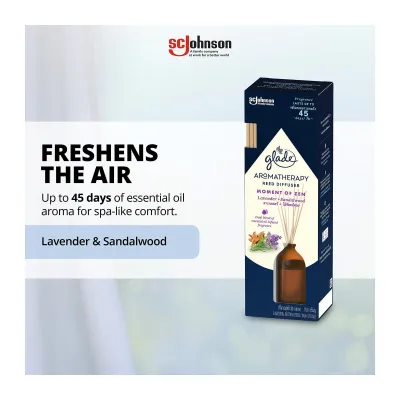
Prices are valid at publication and may change. Please refer to the product page for the latest price.
Matching the diffuser’s effective coverage area to your room dimensions is essential for achieving the desired scent intensity. A compact 100ml diffuser is generally designed for small, enclosed spaces like a study or a bedroom of about 10 to 15 square meters. For larger living rooms or open-plan dining areas common in Singapore apartments, look for brands offering high-capacity models of 300ml to 500ml, or specialized waterless nebulizers that can disperse scent across 30 square meters or more.
The choice between ultrasonic and nebulizing technology represents a fundamental difference in how scent is dispersed. Ultrasonic diffusers use water and high-frequency vibrations to create a fine, cool mist, which slightly increases indoor humidity—a helpful feature in dry, air-conditioned spaces. Nebulizing diffusers, conversely, use pressurized air to atomize pure essential oils directly without water, delivering a highly concentrated aroma that is ideal for larger spaces, though they consume oil more rapidly.
Operating noise is another critical factor, particularly if you plan to use the diffuser in a bedroom or quiet workspace. Look for brands that specify noise levels, ideally keeping operational sound below 30 decibels. Ultrasonic models are generally the quietest option, producing only a soft water-dripping sound and a gentle hum, whereas nebulizers can be noticeably louder due to the mechanical action of their internal air pumps.
Material Safety and Build Quality
Essential oils, particularly citrus-based varieties, contain natural compounds that can degrade and corrode standard plastics over time. Reliable brands construct their water tanks and internal components from high-grade polypropylene (PP), which is chemically inert and highly resistant to oil corrosion. Premium brands often feature outer covers made of glass, ceramic, wood, or metal, which not only enhance the aesthetic appeal of your home decor but also provide a durable shield for the internal components.

To protect your household’s indoor air quality, verify that any plastic components used in the diffuser’s construction are explicitly labeled as BPA-free. This ensures that no harmful chemical bisphenols leach into the water and become atomized into the air you breathe. Additionally, look for recognized electrical safety certifications, such as the Enterprise Singapore Safety Mark, which indicates that the power adapter has undergone rigorous testing for local electrical standards.
In Singapore, household electricity operates at a standard voltage of 230V and a frequency of 50Hz, utilizing the Type G three-pin plug. When comparing brands, confirm that the supplied power adapter is fully compatible with these specifications and does not require a travel adapter for daily use. Using uncertified adapters or mismatched plugs can lead to electrical instability, overheating, and potential safety hazards in your home.
Smart Features and Convenience
A fundamental safety feature to look for across all brands is an automatic shutoff mechanism that powers down the device when the water tank runs dry. This prevents the ultrasonic plate or heating element from overheating, protecting both the device from damage and your home from electrical hazards. Multi-stage timers, such as 1-hour, 3-hour, or 6-hour settings, allow you to customize the duration of scent dispersion to match your daily routines.
Many brands integrate ambient LED lighting into their diffusers, allowing them to double as nightlights or decorative accent lamps. When evaluating these features, check if the brand offers adjustable color temperatures, dimming capabilities, or a dedicated “light-off” mode. The ability to turn off the light completely while keeping the mist active is a crucial feature for bedroom use, ensuring your sleep environment remains dark and undisturbed.
Routine maintenance is essential for keeping your diffuser operating efficiently and preventing the buildup of mold or mineral deposits. Brands that design their diffusers with wide tank openings, removable splash guards, and easily accessible ultrasonic discs make the cleaning process straightforward. Complicated designs with narrow crevices or non-removable parts make thorough descaling difficult, which can lead to unpleasant odors and premature mechanical failure.
Decision Framework: Which Brand Profile Fits Your Needs?
If you prioritize quiet operation, compact design, and soft ambient lighting for a small bedroom or study, lifestyle and minimalist brands are often the most suitable choice. These brands focus on creating a relaxing sensory experience with elegant, understated designs that blend seamlessly into modern home decor. Their smaller water tanks are easy to refill daily, ensuring the water remains fresh and free from bacterial growth.
For large living areas, open-plan apartments, or high-ceilinged spaces, high-capacity or appliance-focused brands are much more effective. These brands design robust units with larger water reservoirs and more powerful fans or pumps capable of projecting micro-droplets across wider areas. While these models may have a larger physical footprint and a more utilitarian appearance, they provide the continuous, high-volume output needed to maintain a consistent aroma in spacious environments.
If you only plan to use a diffuser occasionally, such as in a guest room or during weekend relaxation sessions, budget-friendly or entry-level brands offer a practical starting point. These devices provide basic misting functionality without the premium price tag associated with smart features or high-end materials. When choosing a budget brand, it remains essential to verify that the water tank is made of PP plastic and that the electrical components carry valid safety certifications.
Before finalizing your purchase, always consult the manufacturer’s guidelines regarding the types of oils permitted in the device. Thick resins, absolute oils, or heavy carrier oils can easily clog ultrasonic plates and damage internal pumps, voiding your warranty. Furthermore, if you or your family members have respiratory sensitivities, asthma, or allergies, or if you keep pets at home, consult a medical professional or veterinarian before diffusing essential oils, as certain botanical compounds can trigger adverse reactions.
Evaluating Price, Warranty, and After-Sales Value
While it can be tempting to purchase low-cost diffusers from online marketplaces or overseas sellers, these products often lack local warranties and customer support. A slightly higher upfront investment in a brand with an established local presence in Singapore ensures you receive a valid warranty, typically ranging from 6 to 12 months. This gives you access to local service centers and responsive customer support if your device experiences any technical issues.
The long-term value of an aroma diffuser also depends on the availability and cost of replacement parts. Over years of regular use, power adapters can fail, water tank lids can crack, or ultrasonic plates can wear out. Brands with dedicated local distributors make it easy to purchase individual replacement parts, allowing you to repair your device rather than discarding the entire unit, which is both cost-effective and environmentally friendly.
Avoiding purchases based solely on low S$ prices on online marketplaces protects you from common pitfalls like poor build quality and electrical hazards. Unbranded or generic diffusers often bypass critical safety testing, use low-grade plastics that degrade quickly under essential oil exposure, and offer no recourse if they break down within weeks of purchase. Investing in a reputable brand with verified local support guarantees safety, reliability, and peace of mind for your home.
Frequently Asked Questions (FAQ)
Can I use any brand of essential oil in my aroma diffuser?
Yes, most diffusers are compatible with various brands of pure essential oils, but you must avoid synthetic fragrance oils containing heavy solvents or carrier oils unless the manufacturer explicitly permits them. Thick, viscous oils can clog the ultrasonic plate or nebulizer nozzle, reducing mist output or permanently damaging the motor. Always check the user manual for specific oil compatibility and viscosity limits.
How often should I clean my aroma diffuser to maintain performance?
To prevent mold, bacteria, and oil residue buildup, you should rinse and wipe down the water tank after every three to four uses, or whenever you switch to a different oil scent. For a deeper clean, perform a descaling routine once or twice a month by filling the tank with water and a few drops of white vinegar, running it for 5 to 10 minutes in a well-ventilated area, and then wiping the ultrasonic plate gently with a cotton swab.

Community discussion
Share your experience or ask a question. Comments are reviewed before publication.