
Authentic Nixie tube clocks offer genuine vintage warmth, a high-voltage glow, and historical craftsmanship, while LED simulation clocks provide modern reliability, lower upfront costs, and extensive customization. The right choice depends on your budget, willingness to perform routine maintenance, and aesthetic priorities. If you appreciate the physical depth of stacked metal numerals illuminated by neon gas, authentic tubes are unmatched. However, if you prefer a plug-and-play desk accessory with customizable colors and zero risk of tube degradation, an LED replica is the more practical option.
Understanding the Core Technology and Visual Differences
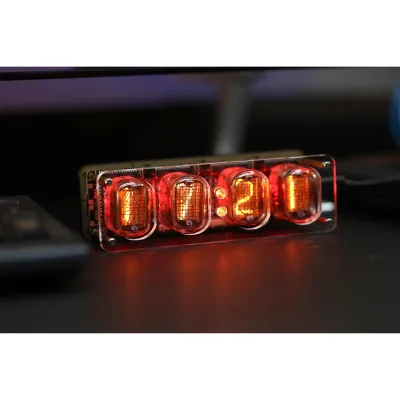
- Authentic nixie tubes are cold-cathode glow-discharge tubes that were widely used for numeric displays before the advent of modern LEDs. Inside each sealed glass vacuum tube, you will find ten stacked metal cathodes shaped as numerals from zero to nine, surrounded by a wire mesh anode. When a high voltage is applied, the neon gas surrounding the selected numeral ionizes, creating a warm, distinct orange-pink glow. Because the numerals are physically stacked behind one another, the display has a unique three-dimensional depth, with the glowing digits shifting forward and backward as the time changes. This physical layering creates a parallax effect that modern flat screens cannot truly replicate.
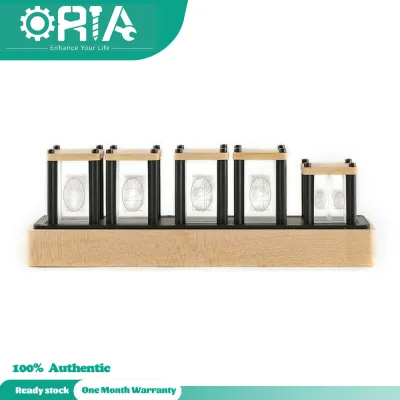
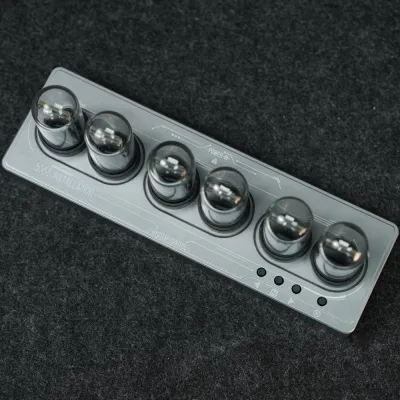
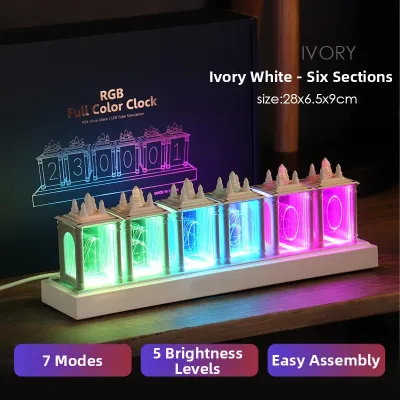
- In contrast, LED simulation clocks mimic this classic aesthetic using modern solid-state lighting. Instead of gas-filled glass tubes, these replicas typically employ layered acrylic panels illuminated by individual light-emitting diodes, or small, high-resolution IPS (In-Plane Switching) screens housed inside glass covers. The LEDs or screens display digital representations of the classic nixie font, attempting to replicate the warm glow without the complex internal architecture. This approach allows manufacturers to create a similar visual silhouette while utilizing modern, mass-produced components.
- The visual differences between the two technologies are distinct and easily observable. Authentic nixie tubes offer a soft, organic glow with a wide viewing angle, as the light radiates directly from the ionized gas surrounding the metal. LED simulations, while highly vibrant, can sometimes display a more directional light or show slight reflections on the acrylic layers. However, modern IPS-based simulations offer the flexibility to change fonts, display custom graphics, and adjust brightness levels that authentic tubes cannot match. This makes them highly versatile for users who like to change their desk theme periodically.
Comparing Upfront Costs and Long-Term Value
- When planning your budget, the financial investment required for these two clock types differs significantly. Authentic nixie tube clocks are premium decorative items, with prices in Singapore often starting around S$150 and easily exceeding S$500 for larger or multi-tube configurations. This cost is driven by the scarcity of original, vintage tubes—which are no longer in mass production—and the complex high-voltage circuitry required to power them safely. The craftsmanship involved in assembling these delicate glass components also adds to the premium pricing.
- LED simulation clocks offer a much more accessible entry point for desk decor. Basic acrylic LED models can be found on online marketplaces starting from around S$40 to S$80, while advanced IPS screen versions with premium wood or aluminum bases generally range from S$100 to S$200. Because these clocks utilize standard, mass-produced electronic components, they do not carry the scarcity premium associated with vintage vacuum tubes. This makes them an attractive option for students or professionals looking to enhance their workspace without a major financial commitment.
- Long-term value is another critical factor to consider before making a purchase. Authentic clocks require you to view the tubes as consumable parts; if a tube fails, sourcing a matching replacement can be challenging and costly. LED simulations, on the other hand, benefit from the inherent longevity of solid-state electronics, which typically operate for tens of thousands of hours without requiring component replacements or specialized maintenance. This makes the LED simulation a highly cost-effective choice over several years of daily use.
Maintenance, Lifespan, and Daily Usability
- Operating an authentic nixie tube clock requires active attention to preserve the lifespan of the display. Real tubes are susceptible to a phenomenon known as cathode poisoning, which occurs when a single numeral remains illuminated for extended periods, causing sputtered metal to deposit on inactive numerals and dimming their glow. To prevent this, authentic clocks must run periodic anti-poisoning routines—often visible as a rapid cycling through all digits—to keep the cathodes clean. This cycling is a fascinating visual feature, but it is a necessary maintenance task rather than just a decorative effect.
- The lifespan of a real nixie tube varies depending on the manufacturing quality, operating voltage, and daily usage patterns, meaning you may eventually need to source and install replacement tubes. LED simulation clocks eliminate these maintenance concerns entirely, offering true plug-and-play reliability. They do not suffer from cathode poisoning, allowing you to display static times or custom colors indefinitely without degradation. This makes them ideal for users who prefer a set-and-forget device on their bedside table or office desk.
- Daily usability also differs when it comes to power requirements and control features. Authentic nixie clocks require internal step-up converters to generate the high voltage (often around 170 volts DC) needed to ionize the neon gas, meaning you must use the manufacturer-specified power adapter and ensure proper ventilation. LED simulations run on standard low-voltage USB power (typically 5V), making them highly compatible with modern desk setups, while offering convenient features like smartphone app control, alarm functions, and automatic brightness dimming. This low-voltage operation also means they generate virtually no heat and can be powered directly from a computer port.
Decision Framework: Choosing Your Ideal Desk Display
- To choose the right clock for your workspace, evaluate your preferences against this practical decision framework.
- Choose an authentic nixie tube clock if you:
- Prioritize genuine vintage craftsmanship and the historical appeal of mid-century technology.
- Appreciate the unique physical depth and warm, organic glow of ionized neon gas.
- Have a flexible budget and do not mind performing routine maintenance or sourcing replacement parts.
- Choose an LED simulation clock if you:
- Want a reliable, low-maintenance desk accessory that works straight out of the box.
- Require modern features such as customizable RGB colors, adjustable brightness, and multiple display styles.
- Prefer a budget-friendly option powered by a standard USB connection.
- Before finalizing your purchase, always verify the physical dimensions of the clock to ensure it fits your desk space. Check the manufacturer's specifications for power input requirements, and verify the warranty terms, especially when purchasing authentic high-voltage units.
Frequently Asked Questions (FAQ)
Do real nixie tubes get hot or pose a safety risk?
While authentic nixie tubes run warm to the touch during operation, they do not typically generate excessive heat. However, because these clocks utilize an internal power supply to step up voltage to around 170V DC, safety is an important consideration. Always check that the clock has a secure, fully enclosed casing to prevent accidental contact with internal circuitry, ensure adequate ventilation around the unit, and verify that the power adapter carries recognized electrical safety certifications suitable for your local power outlets.

Can I replace the tubes in an authentic nixie clock myself?
Your ability to replace the tubes depends entirely on the clock’s design and construction. Some authentic clocks feature plug-in sockets that allow you to gently pull out a damaged tube and insert a replacement, similar to changing a light bulb. Other models have the tubes soldered directly to the circuit board, which requires soldering skills and tools to replace. Always consult the manufacturer’s instruction manual or seek assistance from a qualified electronics professional before attempting any repairs on high-voltage components.
Products mentioned in this guide


![[OKLIFE. SG]Nixie Tube Style Digital Clock with RGB Lighting Multiple Display Modes for Gaming Room & Office Decor](https://img.lazcdn.com/g/p/a16ef244aa02dcaa6ab48f29bc3983aa.jpg_400x400q80.jpg_.webp)
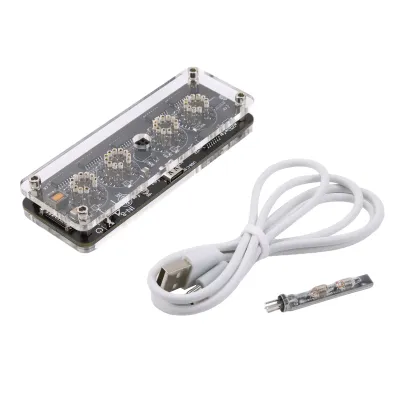
Prices are valid at publication and may change. Please refer to the product page for the latest price.

Community discussion
Share your experience or ask a question. Comments are reviewed before publication.