
Finding the ideal desk lamp for your workspace in Singapore depends on how you balance physical desk space, lighting performance, and budget. Baseus, Xiaomi, and Philips represent three distinct approaches to task lighting. Baseus focuses heavily on highly portable, space-saving designs and monitor light bars that keep your desk clutter-free. Xiaomi bridges the gap with minimalist aesthetics and smart home integration at a competitive mid-range price point. Philips relies on its long-standing heritage in optical engineering, offering robust, traditional desk lamps designed for wide, uniform light distribution. Understanding these differences allows you to choose a lamp that matches your daily workflow, whether you are studying for exams, working late on a laptop, or drafting physical documents.
Defining Your Priorities for a Desk or Study Lamp
Before comparing brands, it is essential to identify your primary daily activities. A workspace dedicated to screen-heavy tasks requires a very different lighting setup than a desk used primarily for reading textbooks or sketching. Screen users benefit most from glare reduction, whereas those engaging in intensive reading or writing need high-intensity, uniform illumination across a broad surface to prevent eye strain.
Physical space constraints also play a major role in your decision. In many Singapore homes, study corners and HDB bedrooms feature compact desks where surface area is at a premium. A lamp with a massive, heavy base can quickly crowd out your keyboard, notebooks, or mousepad. In these scenarios, space-saving alternatives like clamp-on lamps or monitor-mounted light bars become highly practical solutions.
Products mentioned in this guide
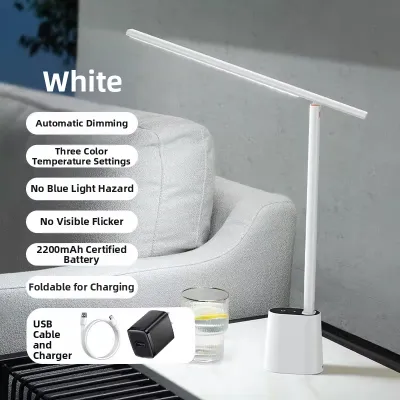
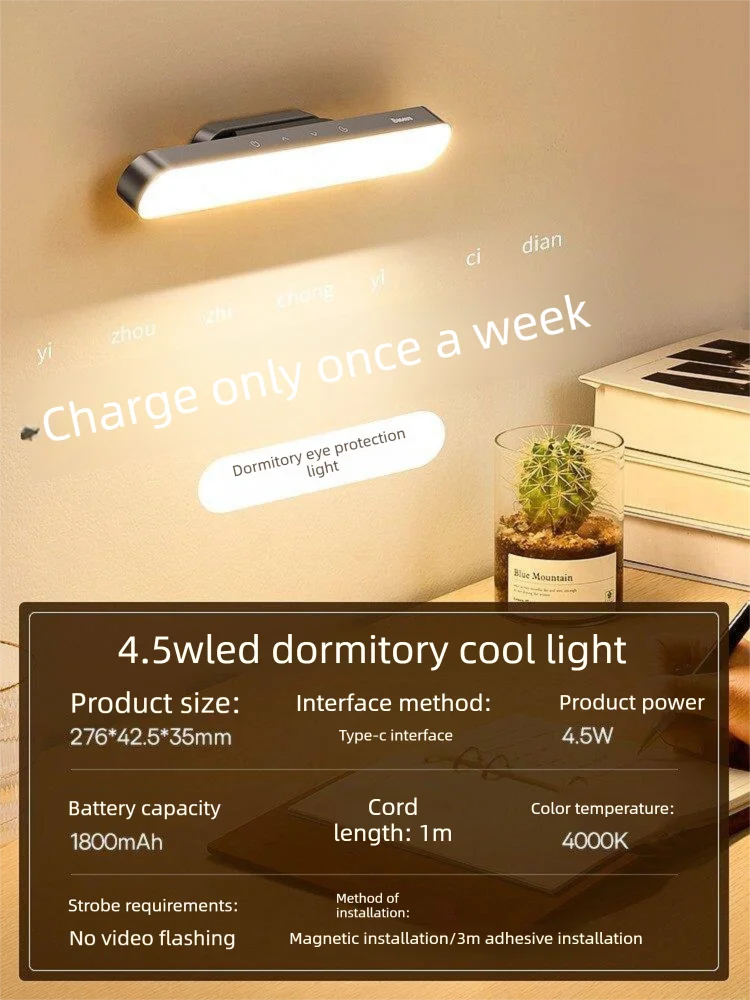
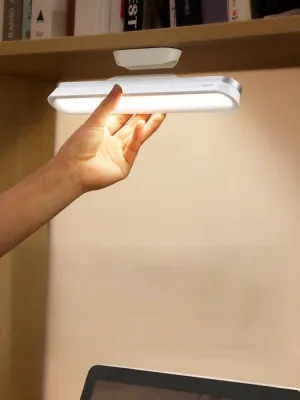
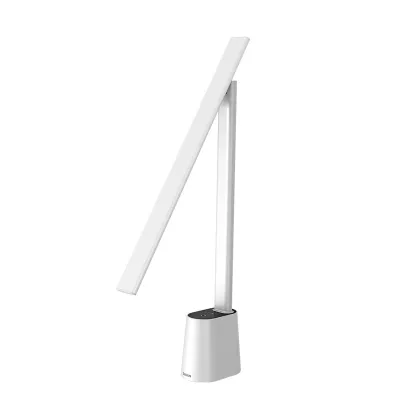
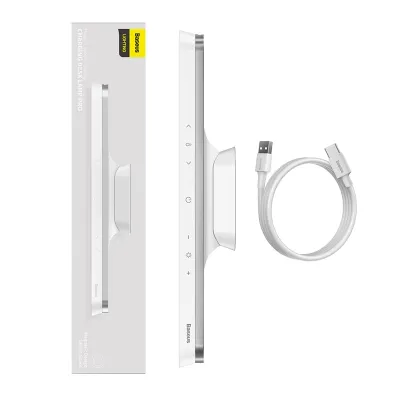
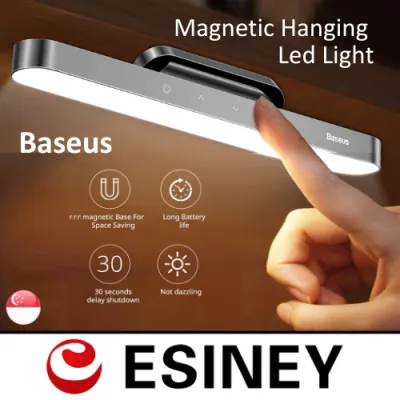
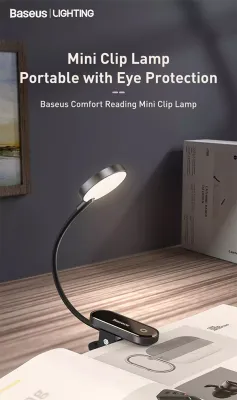
Prices are valid at publication and may change. Please refer to the product page for the latest price.
Finally, consider how much control you want over your lighting environment. If you already have a smart home ecosystem, you might prefer a lamp that integrates with your existing setup for automated scheduling or voice control. However, before prioritizing smart features, verify your home router’s compatibility, as many smart lamps operate strictly on 2.4 GHz Wi-Fi bands and require specific app configurations to function reliably.
Comparing Build Quality, Materials, and Design
Baseus lamps are widely recognized for their compact, foldable, and highly portable designs. The brand frequently utilizes lightweight plastics and aluminum alloys to ensure their products are easy to move or clamp onto various surfaces. When evaluating a Baseus lamp, pay close attention to the hinge durability and joint tension specifications. Because portable models rely on friction joints to maintain their angle, it is wise to check if these joints can be adjusted over time or if they are permanently sealed.

Xiaomi favors a highly minimalist aesthetic, characterized by clean white profiles and matte metallic finishes. Their desk lamps typically feature a blend of ABS plastic and aluminum, offering a modern look that fits seamlessly into contemporary workspaces. While their bases are weighted to provide excellent stability, you should verify the exact footprint dimensions. A stable, heavy base prevents accidental tipping but requires a dedicated, flat area on your desk surface.
Philips generally adheres to traditional, robust desk lamp designs that prioritize structural longevity. Their product lineup ranges from flexible gooseneck models to premium articulated lamps with heavy-duty mechanical hinges. The materials used are often high-grade synthetic polymers or sturdy metals designed to withstand years of daily adjustment. Inspecting the joint flexibility and material finish specifications will help ensure the lamp can hold its position without drooping over time.
Regardless of the brand you choose, always measure your desk layout and the height of your monitor before purchasing. Verify the manufacturer’s specified cable length and power interface, such as USB-C or a dedicated DC adapter. Ensuring the cable can comfortably reach your power outlet without stretching prevents unnecessary strain on the ports and keeps your workspace safe.
Evaluating Eye-Care Features and Lighting Specifications
To compare optical performance accurately, look past marketing buzzwords and focus on verifiable technical specifications. The Color Rendering Index (CRI), measured in Ra, indicates how accurately a light source reveals the true colors of objects. For tasks requiring high color accuracy, such as drawing or design work, look for a lamp with a CRI specification of Ra 90 or higher. For general reading and writing, a standard rating of Ra 80 is typically sufficient.
Adjustable color temperature, measured in Kelvin (K), is another crucial feature for eye comfort. Cool white light, ranging from 5000K to 6500K, promotes alertness and is ideal for focused, daytime study sessions. Conversely, warm white light, between 2700K and 3000K, is much gentler on the eyes during late-night reading. A quality desk lamp should offer seamless or stepped adjustments across these ranges to match your changing needs throughout the day.
When assessing eye-care claims like “flicker-free” or “low blue light,” look for recognized international testing standard marks on the product packaging. Certifications from independent bodies, such as TÜV Rheinland, provide objective proof that the lamp meets strict safety guidelines. Relying on these verified labels is far safer than trusting uncertified manufacturer claims.
Illumination style also dictates how comfortable your eyes will feel during long sessions. Asymmetrical optical designs, commonly found in Baseus and Xiaomi monitor light bars, direct light downward at an angle to illuminate the desk without reflecting off your screen or shining directly into your eyes. Traditional broad-beam lamps, favored by Philips, use specialized diffusers or honeycomb lenses to distribute light evenly across a wide physical surface, minimizing harsh shadows on your paperwork.
Keep in mind that perceived eye comfort is highly subjective. It depends heavily on your ambient room lighting, screen brightness, and individual visual sensitivity. A desk lamp is designed to complement your room’s main light source, not replace it entirely; operating a bright desk lamp in a pitch-black room can actually increase eye strain.
Price-to-Value Breakdown and Market Positioning
Baseus typically positions its products in the budget to lower-mid range. This makes them highly attractive for students, renters, or anyone needing a secondary, portable light source. Their value lies in providing functional, space-saving designs, such as rechargeable clamp-on lights and basic monitor light bars, without a significant financial investment.
Xiaomi occupies a competitive mid-range position, offering a strong balance of modern design, solid build quality, and smart home integration. If you appreciate the convenience of controlling your lighting via a smartphone app or integrating it with other smart devices, Xiaomi provides these features at a price point that remains accessible to most households.
Philips spans from the mid-range to the premium segment. Their higher-tier models reflect substantial investment in advanced optical lenses, specialized eye-care technologies, and robust structural materials. While they may require a larger upfront investment, the cost is often justified by their extensive history in lighting research, certified eye-safe performance, and durable construction.
When shopping on online marketplaces in Singapore, always verify the plug type and electrical compatibility. Standard Singapore wall outlets require a Type G three-pin plug. Some parallel-imported lamps may ship with foreign plugs, requiring adapters that can compromise safety. Additionally, check the seller’s local warranty terms and look for the Enterprise Singapore Safety Mark on power adapters to ensure compliance with local safety standards.
Final Verdict: Which Brand Should You Choose?
Choose Baseus if you have limited desk space, prefer a monitor-mounted light bar to eliminate clutter, or need a highly portable, budget-friendly lamp for a temporary study setup or dorm room.
Choose Xiaomi if you want a clean, minimalist aesthetic, value smart home automation, and seek a reliable, mid-range desk lamp that integrates easily with your existing smart home ecosystem.
Choose Philips if you prioritize established optical engineering, require wide and uniform light coverage for physical reading and writing, and want a trusted brand with robust local warranty support and certified eye-care specifications.
Before making your final decision, verify your specific desk mounting constraints, such as monitor bezel thickness for light bars, and ensure the lamp’s power requirements match your available USB ports or wall outlets.
Frequently Asked Questions (FAQ)
Do I need a smart desk lamp for basic studying?
Smart features like app control, voice commands, and automated scheduling offer convenience, but they are not necessary for maintaining eye health. For everyday study sessions, manual dimmers and physical color temperature switches are often faster and more intuitive to use. If your primary goal is reliable, high-quality illumination for reading and writing, a non-smart lamp with physical controls is highly practical and often more dependable over the long term.
How do I clean and maintain the light diffuser safely?
Always unplug the desk lamp and allow the light source to cool completely before attempting to clean it. Use a dry or slightly damp microfiber cloth to gently wipe away dust from the diffuser and the lamp body. Avoid using harsh chemical solvents, alcohol-based cleaners, or abrasive pads, as these can permanently cloud or scratch plastic diffusers, degrading the quality of the light. Always refer to the manufacturer’s care manual for any specific material sensitivities.

Community discussion
Share your experience or ask a question. Comments are reviewed before publication.