
Battery-operated fairy lights offer a highly flexible, plug-free way to elevate the ambiance of any indoor space. Whether you want to soften a bedroom corner, highlight a living room shelf, or add sparkle to a dining table, choosing the right set requires looking beyond basic aesthetics. The ideal choice balances wire durability, battery efficiency, safety certifications, and visual density to suit your specific interior layout.
By eliminating the need for nearby wall outlets, battery-powered options allow you to place light accents in high, tight, or central areas of a room that traditional plug-in lights cannot reach. However, navigating the vast array of options online and in local shops requires a clear understanding of product specifications. This guide provides the essential criteria for selecting, styling, and maintaining battery fairy lights to ensure a safe and beautiful addition to your home.
Quick Selection Criteria for Battery Fairy Lights
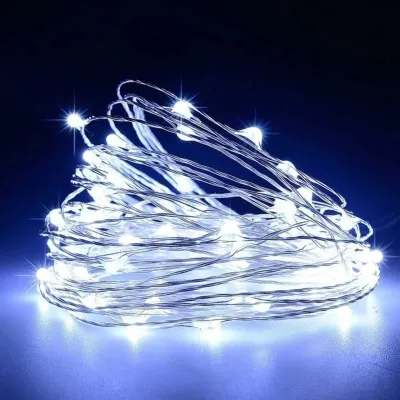
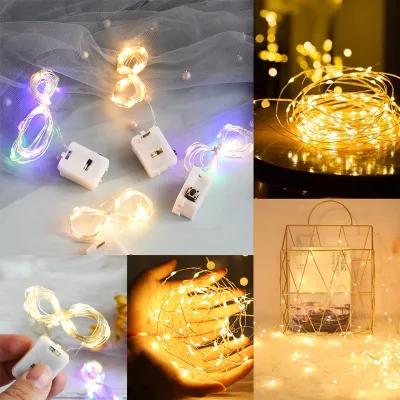
Selecting the right wire material is the first step in matching fairy lights to your decor. Copper wire is highly flexible, holds its shape exceptionally well, and is almost invisible when unlit, making it perfect for delicate wraps around objects. Silver wire offers a modern, clean look that complements cool-toned decors and metallic accents. Clear plastic insulation is thicker and more visible but provides extra protection for the internal wiring, while green insulation is specifically designed to blend seamlessly into indoor plants or holiday trees.
Products mentioned in this guide
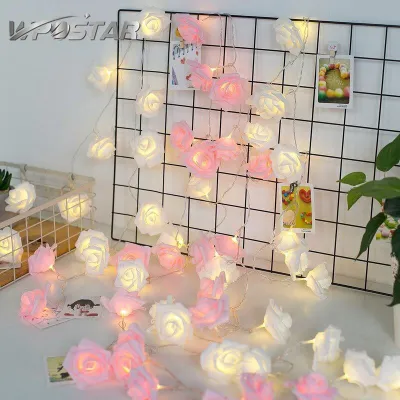
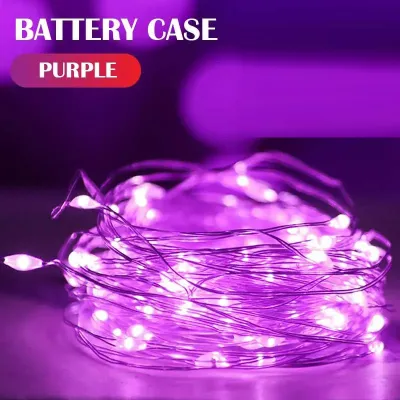
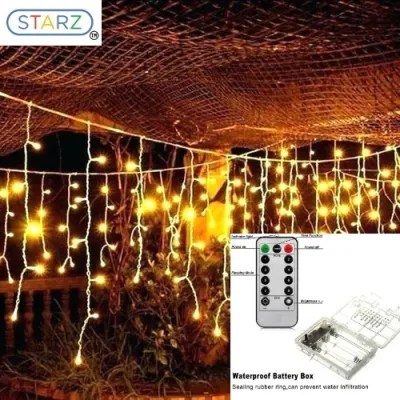

Prices are valid at publication and may change. Please refer to the product page for the latest price.
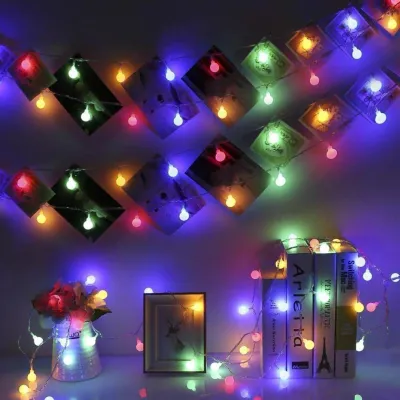
Light color temperature plays a significant role in setting the mood of a room. Warm white lights (typically 2700K to 3000K) create a cozy, relaxing atmosphere, making them the preferred choice for bedrooms and living areas. Cool white lights (5000K and above) deliver a crisp, modern, and energetic vibe, which works well for minimalist displays or task-adjacent accent lighting. Multicolor options bring a festive, playful energy suitable for temporary celebrations, holiday setups, or children’s play areas.
Battery compatibility and runtime expectations are crucial for managing ongoing maintenance. Most battery-operated fairy lights run on AA or AAA batteries, which are easy to source and replace. A standard set of 50 LEDs will typically run for 30 to 50 hours on a fresh set of quality alkaline batteries, though this varies significantly based on the quality of the cells and whether the lights feature a flashing or steady-on mode. Choosing energy-efficient LED bulbs is essential to maximize these runtimes and avoid frequent battery changes.
Key Specifications to Evaluate Before Buying
To ensure your lights meet your spatial and functional needs, you must decode the specifications on product packaging. Visual density is determined by the ratio of the LED count to the total string length. A high-density string, such as 10 LEDs per meter, creates a continuous, bright line of light that is ideal for outlining mirrors, headboards, or architectural features. A lower density, such as 5 LEDs per meter, offers a more delicate, twinkling effect that works beautifully when draped loosely over curtains or woven through open shelving.

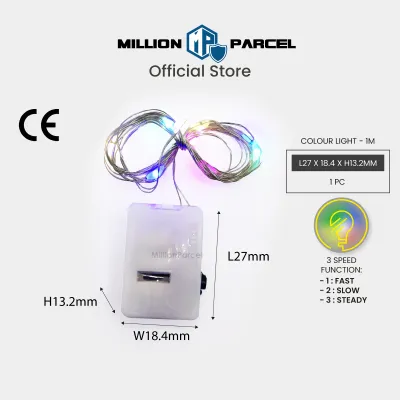
Safety markings and IP (Ingress Protection) ratings are essential quality indicators, even for indoor use. Look for recognized international standards such as CE, RoHS, or FCC markings on the packaging to ensure the product meets basic electrical safety guidelines. In humid environments, moisture resistance is worth considering; an IP44 rating indicates protection against splashing water, which is highly recommended if the lights are placed near open windows, indoor water features, or dining areas where spills might occur.
Control modes greatly enhance the daily utility of your decorative lighting. Built-in timers, which commonly operate on a 6-hour on and 18-hour off cycle, prevent unnecessary battery drain by automatically turning the lights off. Remote controls allow you to adjust brightness levels and switch between modes, such as steady, fade, or twinkle, without having to reach for a hidden battery box. Dimmable functions are particularly valuable for transitioning a space from active evening use to a quiet nightlight setting.
Matching Fairy Lights to Indoor Decor Scenarios
Before purchasing, evaluate how the room is used to determine the most appropriate brightness and control features. High-traffic areas benefit from automated timers and dimming options, while temporary setups can rely on simpler manual switches. Always plan your installation so the battery box sits within easy reach for battery replacements but remains hidden from direct line of sight.
Bedroom and Cozy Reading Corners
For resting spaces, prioritize warm white tones and lower LED densities to promote relaxation. Soft, diffused lighting helps transition the mind for sleep, whereas harsh, bright lights can disrupt your natural circadian rhythm.
- Headboard Draping: Weave flexible copper wire lights gently over wooden headboards or thread them along canopy frames to create a soft halo effect.
- Curtain Rod Integration: Drape lights vertically behind sheer curtains to diffuse the glow, using lightweight plastic hooks or fabric-safe ties instead of sharp metal clips to protect delicate fabrics.
- Reading Nooks: Run a low-density string along a bookshelf or around a cozy armchair to add a touch of warmth without creating distracting glare on your pages.
Living Room Shelving and Display Cabinets
Fairy lights can highlight decor items and architectural features in your living room without overwhelming the space. The key is to use the wire’s flexibility to create structured, clean lines.
- Glass Jar Lanterns: Coil thin copper wire lights inside glass mason jars, geometric lanterns, or empty wine bottles to create instant, portable accent lamps.
- Frame Outlining: Run silver or copper wire lights along the edges of picture frames or wall art to draw attention to your favorite pieces.
- Concealing the Power Source: Tuck the battery box behind thick books, inside decorative ceramic pots, or behind larger decor objects on the shelf, ensuring the box remains accessible for quick switching.
Dining Areas and Temporary Event Accents
For dining tables and temporary gatherings, fairy lights add an elegant touch to centerpieces and indoor plants. Utilizing automated features ensures a seamless hosting experience.
- Table Centerpieces: Weave lights through dry eucalyptus garlands or place them inside glass vases along the center of the table, keeping the battery pack hidden under a table runner.
- Plant Wrapping: Wrap copper wire lights loosely around the stems of sturdy indoor potted plants, taking care not to constrict plant growth or damage delicate leaves.
- Timer Convenience: Select lights with built-in timers so they illuminate automatically during dinner hours, eliminating the need to manually turn on multiple battery packs right before guests arrive.
Power Management, Safety, and Maintenance
Proper battery selection is key to maintaining consistent brightness and preventing damage to your lights. High-quality alkaline batteries provide a steady voltage and longer runtime, making them ideal for occasional use. For daily decorative setups, rechargeable NiMH batteries are a more sustainable and cost-effective choice. Always remove the batteries if you plan to store the lights unused for more than a few weeks, as battery leakage can corrode the metal contacts and permanently ruin the battery box.
Although low-voltage LEDs emit very little heat, basic safety precautions prevent potential hazards. Keep the battery compartment away from direct sunlight, heaters, and highly flammable fabrics. Never modify the wiring or attempt to connect battery-operated strings directly to mains power without a manufacturer-approved adapter. If you notice any part of the wire or battery box becoming unusually warm to the touch, turn off the power immediately and discontinue use.
Proper coiling and storage methods will prolong the lifespan of your fairy lights and prevent internal wire breakage. To avoid tangling, never bunch the wires into a tight ball when taking them down. Instead, wrap the string gently around a piece of clean cardboard or a plastic spool. Store the lights in a cool, dry place away from direct sunlight to protect the plastic insulation and delicate solder joints from degrading over time.
Purchasing Channels and Pre-Use Verification
You can find a wide variety of battery-operated fairy lights on major e-commerce platforms or at local physical home decor, hardware, and lifestyle shops. While online marketplaces offer convenience and competitive pricing, local physical stores allow you to inspect the build quality and wire thickness firsthand. Budget options are widely available, with basic sets starting under S$10, while premium sets with advanced remotes and timers may cost slightly more.
As soon as your lights arrive, perform a thorough unboxing inspection to ensure safety and functionality. Check the entire length of the wire for any fraying, exposed copper, or sharp kinks that could lead to a short circuit. Insert fresh batteries and turn the lights on to verify that all LEDs illuminate evenly, the colors are consistent, and the battery compartment door latches securely.
Keep your receipt and check the seller’s return policy immediately after purchase. Many budget electronic decor items have short return windows, so testing them right away ensures you can exchange any defective units without hassle. If a product does not come with clear safety markings or instructions, contact the manufacturer or retailer to verify its specifications before integrating it into your home decor.
Frequently Asked Questions (FAQ)
Can I leave battery-operated fairy lights on all night?
While low-voltage LED fairy lights are generally safe and do not generate significant heat, leaving them on all night is not recommended due to rapid battery drain and the minor risk of battery compartment overheating. To enjoy overnight illumination safely, use lights equipped with an automatic 6-hour timer or a smart shut-off feature, which ensures the lights turn off automatically while you sleep.
How do I calculate the right string length for my space?
To find the correct length, use a piece of string or a flexible measuring tape to mimic the exact path the lights will take, whether you are wrapping a pillar, draping a headboard, or outlining a shelf. Always add a buffer of about 10% to 15% to your measurement to account for battery pack placement, routing around corners, and natural slack in the drape.

Community discussion
Share your experience or ask a question. Comments are reviewed before publication.