
The ideal fill for a bay window cushion depends entirely on how you use the space, your comfort preferences, and the specific environmental conditions of your window alcove. While memory foam offers deep contouring, latex provides resilient support, and polyester delivers a plush, budget-friendly feel, none is universally superior. Selecting the right material requires balancing the physical properties of these fills against the hard surface of your window sill and the intense sunlight typical of window alcoves.
Understanding the Core Fill Materials
To make an informed decision, it is essential to understand the structural and physical characteristics of memory foam, latex, and polyester fills. Each material behaves differently under pressure, heat, and humidity, which directly impacts how they perform over years of daily use.
Memory foam, or viscoelastic polyurethane foam, is engineered to respond to both weight and temperature. When you sit on memory foam, your body heat softens the material, allowing it to conform precisely to your shape. This material is available in various densities, typically measured in kilograms per cubic meter. High-density memory foam offers excellent structural integrity and support, whereas low-density foam feels softer initially but tends to lose its supportive qualities much faster. Because of its dense, closed-cell structure, memory foam naturally retains heat, which can make it feel warm during extended sitting sessions.
Products mentioned in this guide
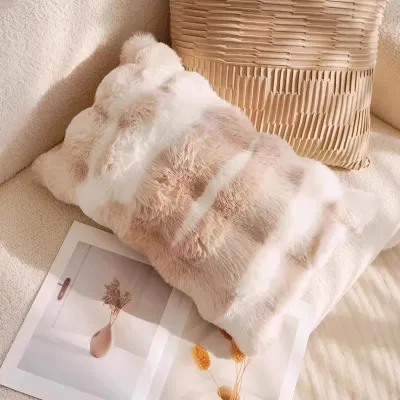
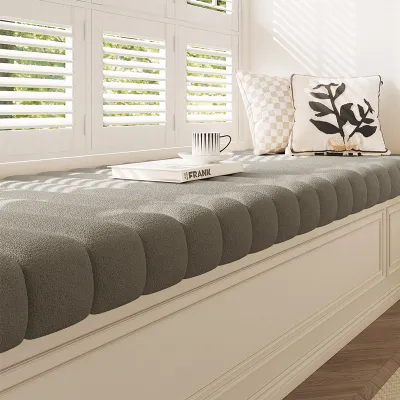
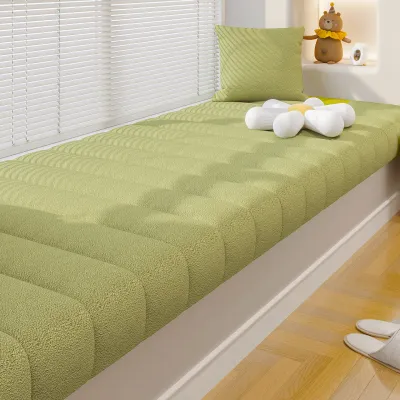
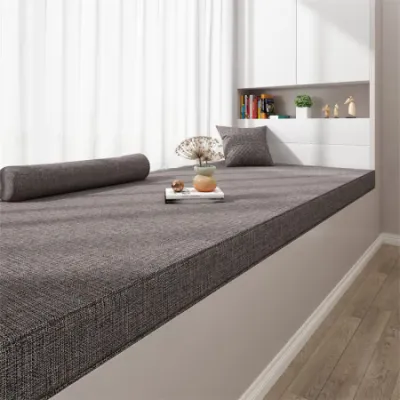
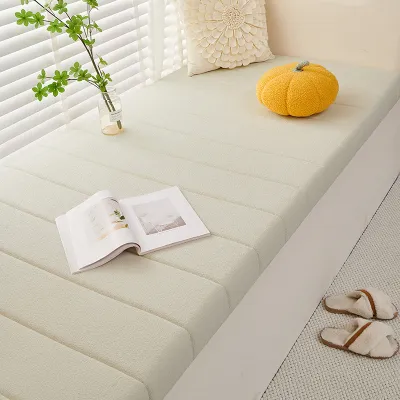
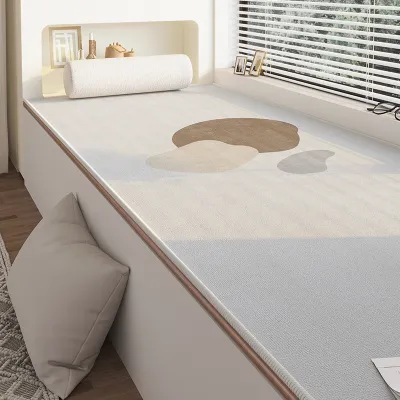
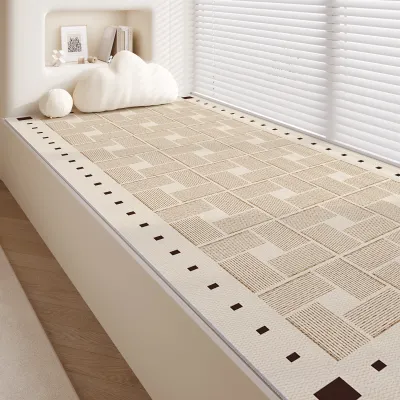
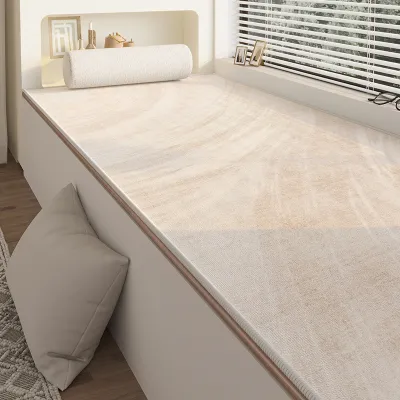
Prices are valid at publication and may change. Please refer to the product page for the latest price.
Latex is a highly resilient, elastic material available in natural, synthetic, or blended formulations. Natural latex is harvested from the sap of rubber trees and processed using either the Dunlop or Talalay method. Dunlop latex is typically denser and firmer, making it highly suitable for supportive base layers, while Talalay latex is lighter and more uniform, offering a softer feel. Latex is characterized by an open-cell structure that allows air to circulate freely, making it inherently more breathable than memory foam. It is also naturally resistant to dust mites and mold, which is a significant advantage in humid environments.
Polyester fiberfill, often referred to as poly-fill, consists of blown or clustered synthetic polyester fibers. It is lightweight, highly affordable, and provides a soft, fluffy feel similar to a traditional bed pillow. Within this category, you can find standard fiberfill, conjugated fibers (which have a spiral structure for better bounce), and cluster fibers (which are rolled into tiny balls to resist clumping). While polyester fiberfill is highly breathable and resistant to moisture, it lacks a solid core structure. Under continuous weight, the individual fibers slide past one another and compress, leading to a gradual loss of loft and support.
Comparing Comfort and Support for Daily Seating
When evaluating comfort and support, you must consider the physical reality of sitting on a bay window sill. Unlike a sprung sofa or a flexible mattress, a window sill is typically made of unyielding materials such as marble, concrete, engineered stone, or solid timber. This hard surface does not deflect under weight, meaning the cushion must absorb all the pressure of your body.

Memory foam excels at pressure relief by distributing your body weight evenly across the cushion surface. As it contours to your shape, it eliminates localized pressure points on your sitting bones, making it highly comfortable for long, stationary activities like reading or meditating. However, this deep contouring creates a “sinking” sensation. Because the foam takes time to adapt to your movement, shifting positions or standing up can require more physical effort, and the material can feel sluggish in its response.
Latex offers a completely different comfort profile characterized by responsive bounce. Instead of contouring deeply and letting you sink, latex pushes back against your weight, keeping your body aligned on top of the cushion. This high elasticity makes it easy to shift positions, turn around, or transition to a standing posture. For those who use their bay window as an active workspace, laptop nook, or a spot for socializing, the buoyant support of latex prevents the feeling of being stuck in an indentation.
Polyester fiberfill provides an immediate, cloud-like softness that is highly inviting for occasional lounging. However, because it lacks structural density, a pure polyester fiberfill cushion carries a high risk of “bottoming out.” Under the weight of an adult, the loose fibers compress completely, leaving you sitting directly on the hard stone or wood sill beneath. To mitigate this, polyester is best used in deep, overstuffed cushions or as a plush wrap around a solid foam core, rather than as a standalone fill for thin window pads.
Durability, Longevity, and Maintenance
A bay window cushion is subjected to unique environmental stresses, including direct sunlight, temperature fluctuations, and daily physical wear. Understanding how each material ages and how to maintain it is crucial for protecting your investment.
Compression set—the permanent deformation of a material after prolonged loading—varies significantly among these fills. High-density memory foam and natural latex have excellent resistance to compression set. A high-quality latex cushion can easily retain its shape and supportive properties for over a decade of daily use. Memory foam also offers impressive longevity, typically lasting several years before showing signs of permanent sagging. Polyester fiberfill, however, has a much shorter lifespan under daily seating loads; the fibers inevitably mat and clump together, requiring frequent fluffing and eventual replacement within one to two years.
The microclimate of a bay window alcove can accelerate material degradation. Intense sunlight and heat can break down the chemical bonds in polyurethane memory foam, causing it to turn yellow, become brittle, and eventually crumble. Natural latex is also highly sensitive to ultraviolet (UV) radiation and oxidation; prolonged exposure to direct sunlight can dry out the rubber, causing it to lose its elasticity and degrade. Polyester is highly stable under UV exposure and does not degrade chemically from sunlight as quickly as foams, though the outer fabric cover must still be chosen carefully to protect the entire assembly.
Maintenance routines also differ by material. Neither memory foam nor latex can be submerged in water or machine washed, as moisture trapped within their dense structures can lead to mold, mildew, and structural breakdown. If cleaning is required, they must be spot cleaned with a damp cloth and mild detergent, then allowed to dry completely in a shaded, well-ventilated area. Polyester fiberfill is more forgiving and can sometimes be hand washed or machine washed on a gentle cycle, though care must be taken to prevent the fibers from clumping during the drying process. Regardless of the fill, using a removable, washable outer cover is the most effective way to maintain hygiene.
Decision Framework: Which Fill Fits Your Bay Window?
To select the right fill for your bay window, consider how you intend to use the space, your local climate, and your budget.
- Choose memory foam if your primary goal is deep pressure relief for long, stationary reading or lounging sessions. This material is ideal if you prefer a body-conforming feel and your bay window area is well-ventilated or air-conditioned to manage the foam's natural heat retention.
- Choose latex if you want a highly durable, resilient cushion that offers responsive support and excellent breathability. This is the best option for high-traffic seating, active workspaces, humid climates, and for those who prefer natural, eco-friendly materials that resist mold and dust mites.
- Choose polyester if you are looking for a budget-friendly option for a bay window that is used primarily for decorative purposes or occasional, short-duration seating. It is also suitable if you prefer a very soft, lightweight cushion and do not mind fluffing it regularly or replacing it sooner.
Before making a final purchase, always verify the thickness and density of the cushion. To prevent bottoming out on a hard window sill, a solid foam or latex cushion should have a minimum thickness of 5 cm, while a thickness of 7.5 cm to 10 cm is recommended for maximum comfort during extended use.
Key Specifications to Verify Before Buying
When shopping for a bay window cushion, reading the product specifications and labels carefully will ensure you receive a safe, high-quality product that fits your space perfectly.
First, check the foam density and Indentation Load Deflection (ILD) ratings if you are choosing memory foam or latex. For memory foam, look for a density of at least 50 kg/m³ to ensure long-term durability and support. The ILD rating indicates the firmness of the foam; a higher ILD rating (such as 30 to 40) represents a firmer cushion that is less likely to bottom out on a hard sill, while a lower ILD (15 to 25) offers a softer, more contouring feel.
Second, look for reputable material certifications to ensure safety in your home. Because bay windows are often enclosed alcoves where air can circulate slowly, off-gassing of volatile organic compounds (VOCs) can be a concern. Look for the CertiPUR-US certification for polyurethane foams, which guarantees the foam is made without harmful ozone depleters, heavy metals, or formaldehyde, and has low VOC emissions. For latex and textiles, the OEKO-TEX Standard 100 certification ensures the product has been tested for harmful substances and is safe for direct contact with the skin.
Finally, evaluate the cover fabric specifications. Since the cushion will sit in a window alcove, the cover must be highly resistant to UV fading and degradation. Look for outdoor-grade fabrics, solution-dyed acrylics, or heavy-duty polyester blends with high UV resistance ratings. Ensure the cover features a high-quality, concealed zipper so it can be easily removed for machine washing, which is essential for keeping your bay window seating clean and fresh.
Frequently Asked Questions (FAQ)
Can I leave my bay window cushion in direct sunlight all day?
Direct, unfiltered sunlight can rapidly degrade both the inner fill and the outer cover of your cushion. UV radiation breaks down the molecular structure of memory foam and latex, causing them to dry out, crumble, and lose their supportive qualities, while also fading the colors of the cover fabric. To protect your cushion, it is highly recommended to install UV-blocking window films on your bay window glass, use sheer curtains during peak sunlight hours, or regularly flip and rotate the cushion to ensure even wear and exposure.
How thick should a bay window cushion be to prevent bottoming out?
To ensure you do not feel the hard wood, marble, or concrete sill beneath the cushion, a high-density memory foam or latex cushion should be at least 5 cm thick. For optimal comfort during extended sitting, a thickness of 7.5 cm to 10 cm is ideal. If you are using a lower-density foam or a polyester fiberfill, you will need a thicker cushion—often 10 cm or more—to provide equivalent support and prevent the material from compressing completely under your weight.
Is it better to buy a custom-sized cushion or use standard sizes?
Because bay windows often feature unique dimensions, angles, or curved sills, custom-sized cushions are generally the superior choice. A custom cushion fits the exact template of your window alcove, preventing the pad from sliding around, bunching up, or leaving unsightly gaps where dust and debris can accumulate. While standard-sized rectangular cushions are more budget-friendly and readily available, they rarely fit bay windows perfectly, which can compromise both the aesthetic appeal and the safety of the seating area.

Community discussion
Share your experience or ask a question. Comments are reviewed before publication.