
When preparing for long study sessions, the quality of your desk lighting plays a critical role in maintaining focus and preventing physical fatigue. While standard table lamps provide basic illumination, premium eye-care desk lamps are engineered to minimize visual strain through advanced optical designs, precise color rendering, and flicker-free technology. Brands like BenQ, Xiaomi, and Philips have emerged as prominent options in Singapore, each offering distinct approaches to desktop illumination. Choosing the right model requires looking beyond marketing claims and understanding how specific technical metrics, physical adjustability, and control features align with your study environment.
This comparison evaluates the core performance dimensions of these three brands to help you make an informed decision. By examining certified eye-care standards, physical build quality, smart features, and long-term value, you can select a lamp that matches your desk layout and study habits.
Core Eye-Care Metrics to Verify on the Specification Sheet
When evaluating premium desk lamps, the specification sheet is your most reliable tool for verifying eye-care claims. Independent certifications and standardized metrics provide an objective basis for comparison. The first metric to check is flicker-free performance. Light flicker, even when invisible, forces the muscles controlling the pupils to work harder, leading to headaches and eye strain during prolonged study sessions. Look for certifications indicating compliance with the IEEE 1789 standard, which defines safe limits for high-frequency modulation in LED lighting.
Products mentioned in this guide
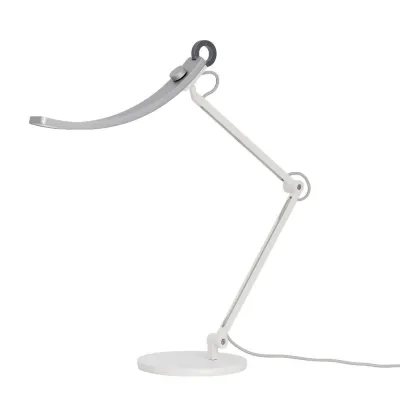
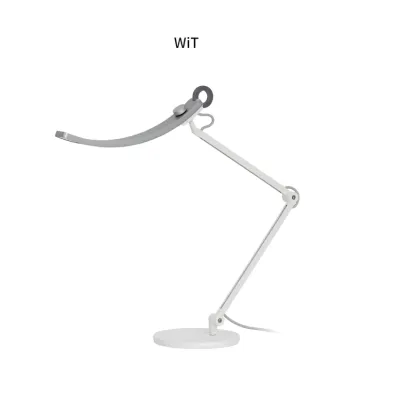
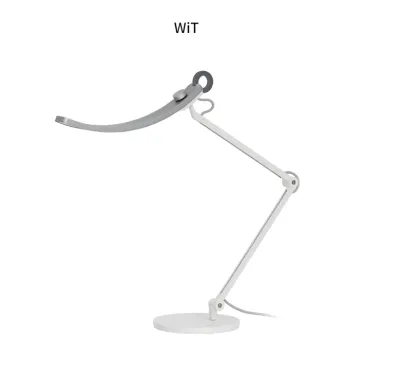
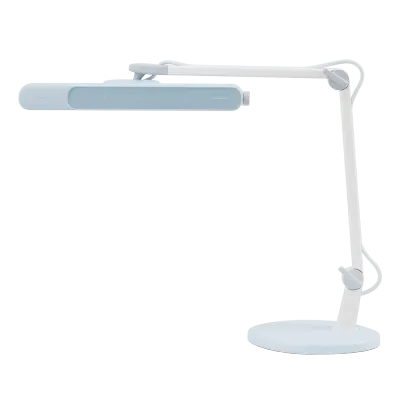
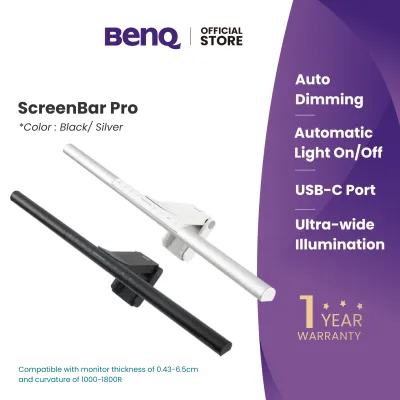
Prices are valid at publication and may change. Please refer to the product page for the latest price.
Another critical safety standard is the blue light hazard certification. Short-wavelength blue light can contribute to retinal strain and disrupt sleep cycles, especially during late-night study sessions. Reliable premium lamps carry certifications from independent bodies like the International Electrotechnical Commission (IEC). Look for the IEC 62778 or IEC 62471 certification, specifically seeking an “Exempt Group” (RG0) rating. This rating verifies that the light source poses no photobiological hazard, allowing you to study under the lamp for extended periods without worrying about harmful blue light exposure.
Illuminance uniformity is equally important for maintaining visual comfort. Uniformity refers to how evenly light is distributed across your workspace. When a lamp creates a bright hotspot directly underneath the bulb while leaving the surrounding desk in shadow, your eyes must constantly adapt to different brightness levels as you look around. This continuous adaptation rapidly fatigues the eyes. Check the manufacturer’s specifications for an illuminance uniformity rating, which is typically represented as a ratio of minimum to average lux over a specified working area. A higher uniformity ratio indicates a more balanced distribution of light across your desk.
Finally, look for a high Color Rendering Index (CRI), denoted as Ra. A CRI of Ra 90 or higher ensures that colors are represented accurately, which is essential when studying detailed diagrams, textbooks, or design work.
Build Quality, Adjustability, and Desk Footprint
The physical design of a desk lamp determines how effectively it integrates into your study space and how easily you can direct light where it is needed. In Singapore, where study desks in HDB flats or condominiums may be compact or shared, the physical footprint of the lamp is a major consideration. Premium lamps generally feature heavy, weighted bases to ensure stability when the arm is fully extended. While a heavy base prevents the lamp from tipping over, it also occupies valuable desk space. If your desk is crowded with textbooks, notebooks, and a computer, look for models that offer alternative mounting options, such as a desk clamp or a grommet mount, which secure the lamp to the edge of the desk and free up the surface below.

Arm articulation and height adjustment are crucial for positioning the light source correctly. A high-quality lamp should feature multiple joints—typically at the base, the elbow, and the head—allowing you to adjust both the height and the angle of the light. This adjustability is essential for avoiding direct glare from the light source and preventing reflections on computer screens or glossy textbook pages. Look for durable joint mechanisms, such as counterbalanced springs or high-tension friction joints, which hold their position reliably over time without sagging.
The design of the lamp head itself also influences light distribution. T-shaped or curved lamp heads are designed to cast a wider horizontal beam of light, making them highly suitable for large desks or setups with dual monitors. Some premium models feature asymmetric optical designs, which direct the light at an angle rather than straight down. This design is particularly beneficial if you study with a laptop or desktop monitor, as it illuminates the desk surface in front of the screen without casting light directly onto the display, thereby eliminating distracting screen glare.
Smart Features and Lighting Controls
Modern premium desk lamps incorporate various smart features and control interfaces designed to simplify adjustments and maintain optimal lighting conditions. One of the most practical features is the integrated ambient light sensor. This sensor continuously monitors the surrounding light levels in your room and automatically adjusts the lamp’s brightness to maintain a consistent level of illumination on your desk. This is especially useful during long study sessions that span from the late afternoon into the night, as the lamp will gradually increase its output as natural daylight fades, preventing you from studying in insufficient light without realizing it.
The user interface of the lamp affects how easily you can make manual adjustments. Some lamps feature touch-sensitive sliders on the base, while others utilize physical dials or rotary knobs. A physical dial is often preferred for its tactile feedback, allowing you to make precise adjustments to brightness and color temperature. Some high-end models even feature wireless desktop dials that can be placed anywhere on your desk, providing convenient control without requiring you to reach up to the lamp head or base.
Smart home ecosystem compatibility is another consideration, particularly for users who want to integrate their lighting into automated routines. Brands like Xiaomi excel in this area, offering seamless integration with platforms such as Mi Home, Apple Home, or Google Home. This compatibility allows you to control the lamp remotely via a smartphone app, set automated schedules, or link the lamp to motion sensors so it turns on automatically when you sit at your desk.
Evaluating Pricing and Long-Term Value
Investing in a premium eye-care desk lamp involves a significant upfront cost, with prices in Singapore typically ranging from around S$80 to well over S$300. To determine whether a specific model offers good long-term value, you must weigh the purchase price against the build quality, warranty terms, and expected lifespan of the product. Lower-priced models often utilize more plastic in their construction and may offer limited adjustability or narrower light distribution. Higher-priced models justify their premium through advanced optical engineering, robust metal construction, and superior color rendering capabilities.
Warranty coverage is a critical factor when purchasing a high-end lamp. Because the LED modules in these lamps are integrated and cannot be easily replaced by the user, a failure in the LED panel or the internal driver usually requires repairing or replacing the entire unit. Look for brands that offer a comprehensive local warranty of at least one to three years, and verify the availability of local service centers in Singapore. A local warranty ensures that you can quickly resolve any issues without the hassle and expense of shipping the lamp back to an overseas seller.
Decision Framework: Choosing the Right Lamp for Your Setup
To select the best premium eye-care desk lamp for your specific needs, consider how each brand’s strengths align with your study environment and priorities:
Choose BenQ if you work extensively with computer monitors or laptops alongside physical textbooks, have a larger budget, and require highly specialized asymmetric light distribution. BenQ’s optical designs are engineered to cast a wide, uniform band of light across deep desks while preventing screen glare and direct eye exposure. Their robust metal construction and precise physical or wireless controls make them an excellent investment for dedicated, long-term study setups.
Choose Philips if you prefer a traditional desk layout, value established physical build reliability, and want broad, uniform illumination from a brand with a long history in consumer lighting. Philips lamps often feature highly adjustable, classic arm designs and reliable optical diffusers that deliver soft, comfortable light across your entire workspace, making them ideal for reading physical books and writing.
Choose Xiaomi if you are looking for a sleek, minimalist aesthetic, value smart home ecosystem integration, and want advanced features like auto-dimming and app control at a highly competitive price point. Xiaomi lamps offer excellent value for tech-savvy students who want to integrate their study lighting into a broader smart home setup without paying a premium for heavy metal construction.
Neither option may fit if your study desk lacks the depth or edge clearance required to accommodate a large, heavy base or a clamp mount, or if you require specialized medical-grade phototherapy lighting. Before making your final purchase, always verify that the specific model you select supports Singapore’s local voltage (220V-240V, 50Hz), comes with a compatible Type G plug or a certified adapter, and is backed by a valid local warranty from an authorized distributor.
Frequently Asked Questions (FAQ)
Can a premium desk lamp completely prevent digital eye strain?
No, a premium desk lamp cannot completely prevent digital eye strain, as lighting is only one component of visual ergonomics. While a high-quality lamp with excellent uniformity, flicker-free technology, and proper color temperature significantly reduces visual fatigue, eye strain is also caused by physiological factors. These include staring at screens for prolonged periods without blinking, incorrect screen positioning, and uncorrected refractive errors.
To protect your eyes during long study sessions, you should combine a high-quality eye-care lamp with proper ergonomic habits. Practice the 20-20-20 rule: every 20 minutes, take a break to look at an object at least 20 feet (about 6 meters) away for at least 20 seconds to allow your eye muscles to relax. Additionally, ensure your computer screen is positioned slightly below eye level and at an arm’s length away, and take regular breaks to rest your eyes and stretch.

Community discussion
Share your experience or ask a question. Comments are reviewed before publication.