
The best acrylic flower vase styles for modern minimalist home decor are those that emphasize clean geometric lines, optical clarity, and structural simplicity. Smooth cylindrical pillars, solid rectangular blocks, and subtle geometric shapes work best because they blend seamlessly into uncluttered spaces, allowing the natural beauty of the floral arrangement to take center stage without adding visual noise. Unlike heavy glass or opaque ceramic, clear acrylic allows light to pass through unimpeded, reducing visual weight and making compact living spaces feel more expansive.
In modern interior design, particularly within urban apartments, condominiums, and HDB flats where maximizing natural light is a priority, home decor must serve a purpose without crowding the environment. Acrylic has transitioned from a purely utilitarian material into a highly sought-after design medium. Its lightweight nature, shatter resistance, and unique refractive properties make it an exceptional alternative to traditional glassware. By choosing the right style, you can introduce a sophisticated, light-catching element that enhances your home’s aesthetic while maintaining a clean, clutter-free atmosphere.
Core Selection Criteria for Minimalist Acrylic Vases
To successfully integrate an acrylic vase into a minimalist interior, you must first understand how the material interacts with its surroundings. The primary appeal of acrylic is its low visual weight. In minimalist design, every object should feel intentional and light. Because high-quality acrylic is virtually transparent, it does not block the sightlines of a room. Instead, it allows the colors of your walls, furniture, and flooring to show through, creating an illusion of openness. This transparency is particularly beneficial in smaller rooms or narrow entryways where a solid ceramic vase might feel too heavy or obtrusive.
Products mentioned in this guide
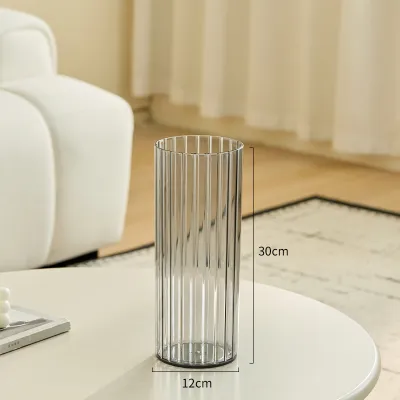

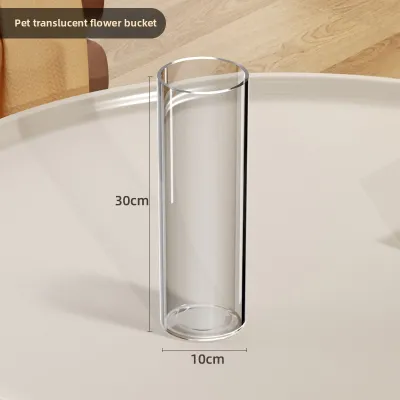
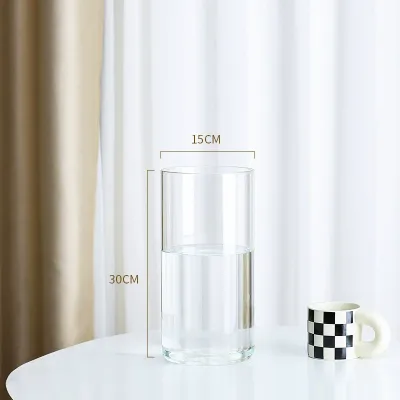
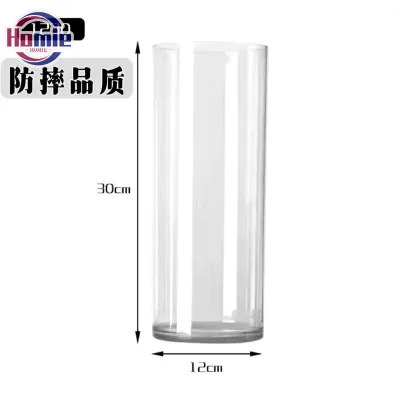
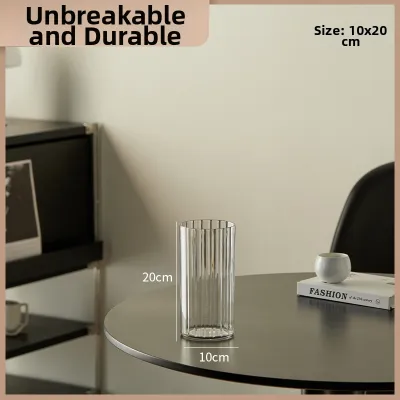
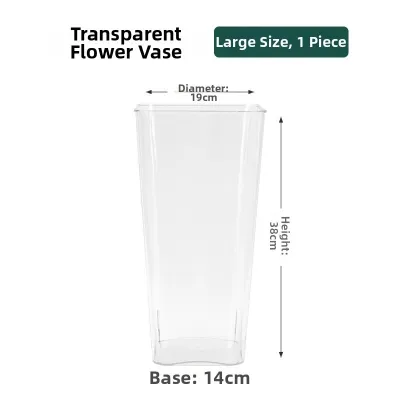
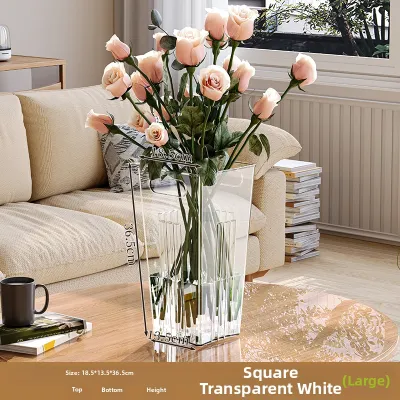
Prices are valid at publication and may change. Please refer to the product page for the latest price.
Light refraction is another critical factor to evaluate. While acrylic mimics the clarity of glass, it bends and reflects light differently. High-quality acrylic has an organic warmth to its reflections, catching natural sunlight from windows without creating the harsh, distracting glare often associated with cheap plastics. When selecting a vase, observe how light passes through its edges. A well-crafted piece will exhibit a soft, glowing border where the light is concentrated, adding a subtle layer of visual interest to your tabletop or shelf.
Line simplicity is the cornerstone of the minimalist aesthetic. When shopping for an acrylic flower vase, look for designs that reject ornate textures, molded patterns, or busy surface engravings. The beauty of the material lies in its flat, polished planes or its smooth, continuous curves. Any unnecessary embellishment will detract from the clean lines of your space and compete with the floral arrangement inside. The goal is to find a structure that feels architectural and refined, serving as a quiet frame for the natural elements you place within it.
Finally, consider the balance between the vase’s structure and your intended floral arrangements. A minimalist approach to floral design often involves single stems, sparse branches, or monochromatic bouquets. The vase you choose must support these delicate arrangements physically and visually. A vase that is too large or complex will overwhelm a single monstera leaf or orchid stem, while a vase that is too small will look unbalanced. The ideal acrylic vase acts as a physical extension of the plant, creating a harmonious composition where the container and the stem feel like a single, unified sculpture.
Recommended Acrylic Vase Styles for Minimalist Spaces
Selecting the right style of acrylic vase involves matching the geometry of the vessel to the existing lines of your home. In a minimalist space, decor items are often categorized by their primary shapes—rectangles, cylinders, or soft organic curves. Each of these styles interacts with light and surrounding furniture in distinct ways, allowing you to curate a specific mood or visual focal point.

Whether you are looking to add a sharp, architectural accent to a study or a soft, calming element to a bedroom, there is an acrylic style that fits the requirement. By understanding how these different shapes behave in a space, you can make an informed decision that complements your existing interior layout.
Geometric and Angular Designs
Geometric and angular acrylic vases—such as hexagonal, faceted, or polyhedral forms—bring a strong architectural presence to a room. These designs rely on sharp, precise lines to create visual interest without the need for color or pattern. When light hits the angled panels of a geometric vase, it refracts in multiple directions, creating a beautiful play of shadows and highlights that changes throughout the day as the sun moves.
Because these shapes are inherently dynamic, they work best when placed on flat, uncluttered surfaces where their form can be fully appreciated. A geometric acrylic vase makes an excellent centerpiece for a minimalist dining table or a clean sideboard. To avoid visual clutter, keep the surrounding area clear of other small decorative objects. The sharp lines of the vase should stand out as a deliberate design choice, framed by the empty space around it.
When styling a geometric vase, opt for highly structured plants that match its architectural feel. Rigid stems, such as calla lilies or dried eucalyptus branches, complement the sharp angles of the vessel. Avoid overly wild or drooping arrangements, which can clash with the clean, disciplined lines of the geometric structure.
Smooth Cylindrical and Pillar Shapes
For a timeless and versatile option, smooth cylindrical and pillar-shaped acrylic vases are unmatched. The continuous, seamless curve of a cylinder offers a soft visual transition, making it incredibly easy to integrate into neutral, minimalist spaces. Unlike angular designs that demand attention, a cylindrical vase sits quietly in the background, providing a clean and elegant container for your flowers.
When evaluating cylindrical vases, pay close attention to the wall thickness. Vases with thicker walls (around 5mm or more) offer a premium, glass-like appearance. The thick acrylic borders bend light beautifully, creating a solid, high-end feel. Thinner-walled cylinders, on the other hand, look incredibly delicate and airy, almost disappearing entirely when filled with clean water.
Cylindrical pillars are ideal for displaying single-stem arrangements or sparse, structural foliage. A single tropical monstera leaf, a bold palm frond, or a delicate orchid stem looks exceptionally striking when framed by the clean circle of a cylindrical vase. This style is perfect for bedside tables, bathroom vanities, or narrow kitchen countertops where space is at a premium.
Asymmetrical and Organic Forms
Asymmetrical and organic acrylic forms introduce soft, fluid curves that mimic natural shapes, such as water droplets, smooth river stones, or gentle waves. These designs are perfect for softening the hard edges and straight lines often found in modern minimalist architecture. They provide a bridge between the structured indoor environment and the organic beauty of nature.
To maintain the boundary between organic minimalism and overly complex, busy decor, look for organic shapes that retain clean, untextured surfaces. Frosted, matte, or slightly muted acrylic finishes work exceptionally well with organic forms. These finishes diffuse light softly rather than refracting it sharply, giving the vase a gentle, sculptural presence that feels calm and inviting.
Because asymmetrical vases are sculptural objects in their own right, they should be treated as standalone statement pieces. Rather than grouping them in busy clusters, place a single organic acrylic vase on a mantelpiece, a floating shelf, or a coffee table. Let the unique form of the vase breathe, allowing it to serve as a quiet point of visual interest even when it does not contain any flowers.
Solid Block and Rectangular Vases
Solid block and rectangular acrylic vases offer a bold, grounded aesthetic that works beautifully in contemporary homes. These designs often feature a thick, heavy block of solid acrylic with a precision-cut cavity embedded in the center. This unique construction creates a striking visual effect where the water and the flower stem appear to be suspended in mid-air, completely surrounded by clear, solid material.
The visual mass of a solid block vase provides excellent stability, making it much less likely to tip over than lighter, thin-walled designs. This makes them highly suitable for high-traffic areas like entryways or dining tables. The contrast between the heavy, solid exterior and the delicate, empty negative space inside creates a captivating focal point that perfectly embodies the principles of minimalist design.
However, because solid block vases are heavier and denser, they can pose a risk of scratching delicate furniture surfaces. When placing a heavy block vase on lacquered wood, glass, or polished stone, ensure the bottom of the vase is perfectly smooth. You may want to apply small, transparent silicone pads or soft felt protectors to the base of the vase to prevent accidental scratches when moving it for cleaning.
Essential Quality and Safety Checks Before Buying
Because specific brand rankings and standardized quality certifications for decorative acrylic items are generally unavailable, you must know how to evaluate the build quality of a vase yourself before making a purchase. Investing a few minutes in physical inspection or reviewing product specifications can prevent issues like leaks, cracks, or premature yellowing.
First, verify the material thickness. A high-quality acrylic flower vase should have a wall thickness of at least 3mm to 5mm. Thinner acrylic (1mm to 2mm) is highly flexible and prone to bowing or warping under the weight of water. Over time, this structural stress can lead to micro-cracks along the seams, resulting in slow leaks that can damage your wooden furniture.
Next, examine the edge polishing and seam visibility. Premium acrylic vases undergo professional finishing processes, such as flame polishing or diamond polishing. The edges should be perfectly smooth, crystal clear, and free of cloudy saw marks or sharp, rough burrs. Inspect the joints where the acrylic panels meet. High-quality manufacturing uses solvent welding, a process that fuses the acrylic sheets together at a molecular level. The resulting seams should be completely clear, bubble-free, and virtually invisible. Avoid vases with visible glue residue, yellowed adhesive, or tiny air bubbles trapped in the seams, as these are signs of poor craftsmanship and weak structural integrity.
Base stability is another crucial safety factor. Because acrylic is lighter and less dense than glass, an empty acrylic vase has a higher center of gravity. Test the stability of the vase by gently tapping its upper rim. If it wobbles easily when empty, it will be highly unstable once filled with water and top-heavy floral arrangements. Look for designs with a wide, weighted base or a thicker bottom panel to ensure the vase remains securely upright.
Finally, check the manufacturer’s specifications regarding UV resistance. Standard, untreated acrylic can degrade when exposed to ultraviolet light, leading to a yellow, cloudy appearance over time. If you plan to place your vase on a sunny windowsill or in a bright sunroom, look for products explicitly labeled as being made from UV-stabilized acrylic or high-grade PMMA (polymethyl methacrylate). This ensures the material will maintain its crystal-clear transparency for years to come.
Styling and Placement Strategies for Acrylic Vases
Integrating an acrylic vase into a minimalist room layout requires a thoughtful approach to styling and placement. The goal is to enhance the natural beauty of both the vessel and the floral elements while maintaining the clean, open feel of the space.
When it comes to floral selection, restraint is key. Instead of dense, multi-colored bouquets that create visual noise, opt for simple, structural arrangements. A single, bold monstera leaf, a few stems of delicate eucalyptus, or a pair of elegant calla lilies will look stunning in a clear acrylic container. In tropical climates, local flora such as a single orchid stem or a structural ginger flower can create a striking, high-contrast look. Dried branches, cotton stems, or pampas grass are also excellent choices for adding texture without introducing high-maintenance watering routines.
| Vase Style | Recommended Floral Type | Best Placement Scenario |
|---|---|---|
| Geometric / Angular | Rigid, structured stems (e.g., calla lilies, dried branches) | Entryway console, minimalist sideboard |
| Cylindrical / Pillar | Single-stem foliage (e.g., monstera leaf, single orchid) | Bedside table, bathroom vanity, kitchen counter |
| Asymmetrical / Organic | Soft, delicate blooms or standalone (no flowers) | Coffee table, floating shelf, reading nook |
| Solid Block / Rectangular | Minimalist, floating stems (e.g., tulip, single rose) | Dining table centerpiece, study desk |
Lighting plays a massive role in how your acrylic vase is perceived. To maximize the optical beauty of the material, position the vase where it can interact with light. Placing the vase on a windowsill or near a large window allows natural daylight to stream through the acrylic and the water, creating a beautiful, glowing effect. In the evening, you can place the vase near a warm LED table lamp or under a soft spotlight. The artificial light will catch the polished edges of the vase, highlighting its clean geometric lines and creating a sophisticated, cozy ambiance.
Always apply the rule of negative space. Minimalist interiors rely on the “breathing room” between objects to create a sense of calm. If you surround your transparent acrylic vase with books, keys, mail, and other decorative trinkets, its unique visual appeal will be lost, and it will simply contribute to the clutter. Give the vase its own dedicated zone on a table or shelf. By leaving empty space around the vessel, you allow its clean lines and transparent form to stand out as a deliberate, artistic choice.
Maintenance and Cleaning for Long-Lasting Clarity
While acrylic is highly durable and shatterproof, it is softer than glass and can scratch easily if cared for incorrectly. To keep your acrylic flower vase looking crystal clear and free of unsightly blemishes, you must follow safe, non-abrasive cleaning methods.
Never use standard glass cleaners, window sprays, or household disinfectants that contain ammonia, alcohol, or acetone. These harsh chemicals will cause a chemical reaction known as “crazing”—the development of a dense network of microscopic cracks deep within the acrylic. Crazing permanently ruins the optical clarity of the material, turning it cloudy and brittle, and it cannot be repaired. Instead, always use a mild dish soap diluted in lukewarm water, or a specialized cleaning solution formulated specifically for acrylic surfaces.
When wiping or drying the vase, use only a clean, ultra-soft microfiber cloth. Avoid paper towels, polyester cloths, kitchen towels, or abrasive sponges, as their fibers are coarse enough to leave microscopic scratches on the soft acrylic surface. Over time, these tiny scratches will accumulate, dulling the shine and clarity of the vase. Gently wipe the surface in smooth, straight motions rather than rubbing in circular patterns.
Over time, mineral deposits from tap water can create stubborn hard water stains (calcium buildup) inside the vase, while organic residue from flower stems can leave a cloudy film. To remove these stains safely without scratching the interior, follow these simple steps:
- Fill the vase with a mixture of equal parts lukewarm water and white household vinegar.
- Let the solution sit inside the vase for approximately 30 minutes to naturally dissolve the mineral deposits and loosen any organic grime.
- Gently swirl the mixture, then pour it out.
- Rinse the interior thoroughly with cool, clean water.
- Pat the inside and outside dry using a clean microfiber cloth to prevent new water spots from forming.
Never use hot or boiling water to clean or rinse your acrylic vase. Extreme temperatures can cause the acrylic to warp, distort, or weaken the solvent-welded seams, leading to structural failure and leaks.
Frequently Asked Questions (FAQ)
Do acrylic vases turn yellow over time in sunlight?
Standard acrylic can undergo UV degradation when exposed to direct sunlight over extended periods, which breaks down the polymer chains and results in a yellow, cloudy, or brittle appearance. To prevent this, always check the product specifications to ensure the vase is made from UV-stabilized acrylic or high-grade PMMA (polymethyl methacrylate), which contains additives that protect the material from UV damage. If you are unsure of the material quality, it is best to place the vase in areas of your home that receive indirect natural light or soft, filtered sunlight.
Can I use acrylic vases for heavy or large floral arrangements?
Yes, you can use acrylic vases for larger arrangements, but you must pay close attention to the physics of the vessel. Because acrylic is lighter and less dense than glass, an empty acrylic vase has a much higher center of gravity and is more prone to tipping over when holding top-heavy flowers. To safely display heavy stems or large branches, choose an acrylic vase with a thick, heavy base and a wider physical footprint. Additionally, you can add clean river stones, decorative glass beads, or heavy marbles to the bottom of the vase to lower the center of gravity, increase stability, and protect your home from accidental spills.

Community discussion
Share your experience or ask a question. Comments are reviewed before publication.