
To find the best bedside wall lamp brands for your Singapore bedroom, you must first align your choice with your room’s physical layout, your electrical setup, and your personal evening habits. Bedside lighting in modern apartments is no longer just about placing a basic light source next to the pillow; it requires a balance of targeted task illumination, glare-free ambient glow, and space-saving physical design. Homeowners generally find the most success by choosing between three core brand categories: smart ecosystem-driven brands for automated convenience, architectural minimalist brands for soft indirect mood lighting, or task-oriented adjustable brands for dedicated reading ergonomics.
How to Evaluate Bedside Wall Lamps for Your Bedroom
Selecting a bedside wall lamp—often referred to as a bedside lamp wall fixture—demands a close look at several technical and spatial factors before you commit to a purchase. The first parameter to evaluate is color temperature. For a bedroom environment, lighting that promotes relaxation and supports natural circadian rhythms is essential. Opting for fixtures that support warm white light, specifically between 2700K and 3000K, helps minimize exposure to blue light wavelengths that can disrupt sleep patterns. Some advanced fixtures even offer ultra-warm amber settings down to 2200K, which mimic candlelight and provide a highly soothing atmosphere for winding down at the end of the day.
Beam angle and glare control are equally critical, especially if you share a bed. A lamp with a wide, uncontrolled beam will flood the entire side of the room with light, potentially keeping your partner awake. For reading, look for brands that design fixtures with a narrow, focused beam angle of 15 to 30 degrees. Glare control features, such as deep-set light sources, physical baffles, or honeycomb louvers, ensure that the light is directed precisely onto your book or tablet without spilling directly into your eyes or across the bed.
Products mentioned in this guide
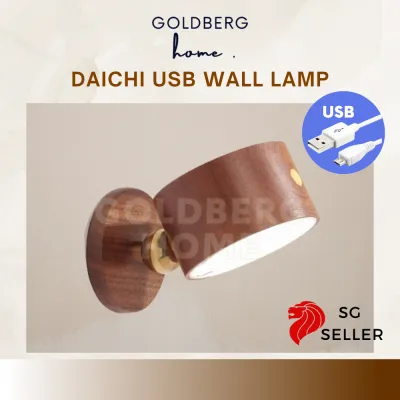
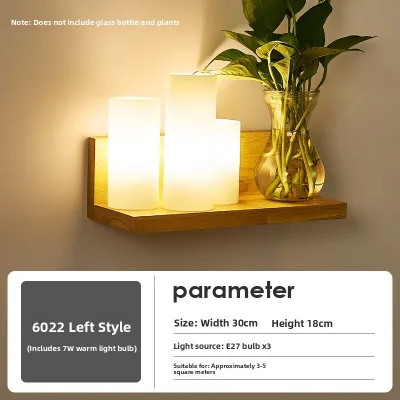
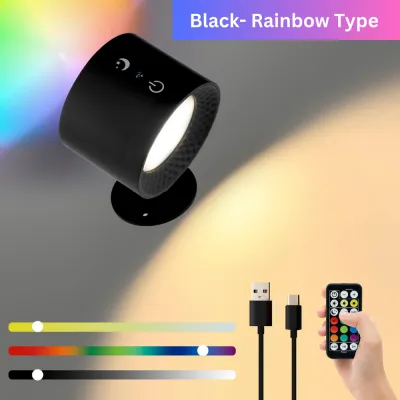
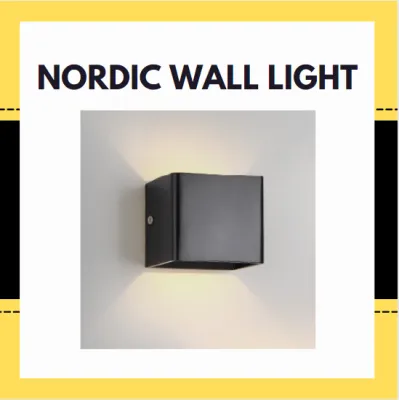
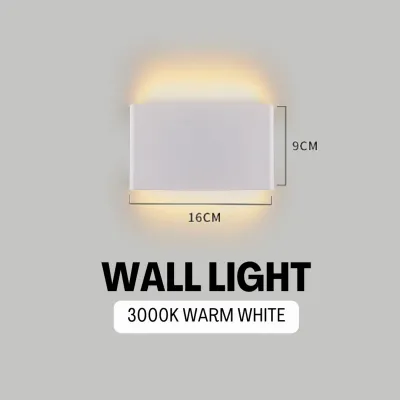
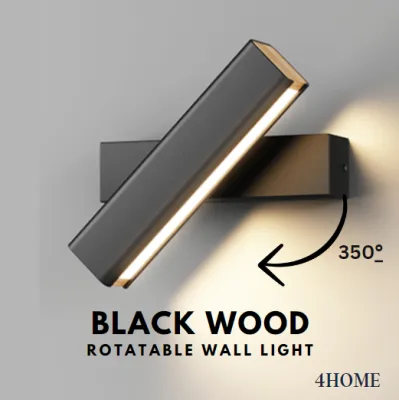
Prices are valid at publication and may change. Please refer to the product page for the latest price.
Physical footprint and protrusion are practical constraints that Singapore homeowners cannot afford to overlook. With master bedrooms in newer Housing & Development Board (HDB) flats and condominiums frequently featuring compact layouts, space is at a premium. A wall lamp that protrudes too far from the wall can easily be bumped when you sit up, make the bed, or reach for a glass of water. Ideally, a bedside fixture should have a slim profile, extending no more than 10 to 15 centimeters from the wall, or feature a fully retractable swing arm that can be folded flat against the headboard when not in use.
Switch accessibility determines how comfortable the lamp is to operate in daily life. The most ergonomic fixtures feature controls that are easily reachable from a lying position. This includes integrated toggle switches on the mounting plate, touch-sensitive surfaces on the lamp body, or pull cords. Avoid fixtures where the only switch is located along the power cable, as these cords often drop behind bedside tables, making them incredibly difficult to reach in the dark. If you prefer modern convenience, smart wireless buttons or voice control can eliminate the need for physical switches entirely.
Leading Brand Categories for Bedside Lighting
To simplify your search, bedside wall lamp manufacturers can be grouped into three distinct categories based on their primary engineering and design focus. Understanding these categories allows you to target the specific type of brand that matches your lifestyle and bedroom layout.

Smart and Ecosystem-Driven Brands
Smart and ecosystem-driven brands prioritize seamless integration with modern home automation systems. These manufacturers design fixtures that connect directly to smart home platforms such as Apple HomeKit, Google Home, Samsung SmartThings, or the universal Matter standard. This integration allows you to adjust brightness levels, fine-tune color temperatures, and set automated schedules directly from your smartphone or via voice commands.
These brands are highly suited for homeowners who want their bedside lighting to adapt throughout the evening. You can program the lights to transition gradually from a bright, cool white for evening tasks to a dim, warm amber as bedtime approaches. Many of these systems also offer “sunset” modes that slowly fade the light over thirty minutes to help you ease into sleep.
Before purchasing from a smart brand, always verify the wireless communication protocol used by the fixture. Some smart lamps connect directly to your home Wi-Fi network, which is convenient for single-lamp setups but can congest your router if you have many smart devices. Others utilize Zigbee or Thread protocols, which require a compatible smart hub but offer faster response times and a more stable connection, especially through the thick concrete walls typical of Singaporean homes.
Architectural and Minimalist Design Brands
Architectural and minimalist brands focus on clean lines, premium materials, and indirect lighting techniques. These manufacturers design fixtures that serve as subtle design statements during the day and create atmospheric mood lighting at night. Instead of projecting a harsh, direct beam, architectural wall lamps often employ uplighting, downlighting, or wall-washing techniques to bounce light gently off the wall surface.
This indirect illumination softens shadows, reduces eye strain, and makes a small bedroom feel larger and more open. Popular finishes within this category include matte black, brushed brass, anodized aluminum, and hand-blown frosted glass. These high-quality materials are selected to complement contemporary interior design styles such as Japandi, Scandinavian, or modern minimalist themes.
When selecting an architectural brand, it is important to check the total lumen output of the fixture. Because these lamps rely on reflected light, they may feel dimmer than direct task lights. A lumen output of 300 to 500 lumens is generally sufficient for ambient bedside lighting, but you may need to adjust this based on your wall color. Darker accent walls absorb more light, meaning you will require a slightly higher lumen output to achieve the same perceived brightness as you would against a light-colored wall.
Task-Oriented and Adjustable Lighting Brands
Task-oriented and adjustable brands focus on mechanical precision, ergonomic flexibility, and targeted light control. These manufacturers specialize in fixtures featuring multi-axis swing arms, adjustable goosenecks, and highly focused spot optics. They are designed specifically for avid readers who require precise control over where their light falls.
The primary benefit of these brands is their physical versatility. You can pull the light source close to your reading material to maximize contrast, and then push it back out of the way when you are finished. Many of these fixtures also include physical dimming knobs or touch sliders directly on the lamp base, allowing you to fine-tune the light intensity instantly without searching for a phone or a remote control.
When evaluating task-oriented brands, pay close attention to the mechanical build quality of the joints and swivels. High-quality fixtures use robust metal tension joints, often adjustable with a hex key, to ensure the lamp holds its position over time without drooping. Avoid brands that rely heavily on plastic friction joints, as these can wear out quickly with daily use. Additionally, ensure the lamp head is designed with adequate heat dissipation so that it remains cool to the touch when you adjust it.
Navigating Installation Rules in HDBs and Condos
Before finalizing your choice of bedside wall lamp, you must consider how the fixture will be mounted and powered. The structural characteristics of Singaporean housing present specific installation challenges that dictate whether you should choose a hardwired or a plug-in model.
Hardwired wall lamps provide a clean, high-end look with no visible cables. However, installing them requires running electrical wiring inside your walls, a process known as chasing. In Singapore, HDB flats are constructed primarily with precast concrete walls. Deep horizontal chasing into structural concrete walls is strictly prohibited by HDB regulations to prevent compromising the building’s structural integrity. Even in private condominiums, drilling deep channels or modifying structural columns is heavily restricted. If you want a hardwired look in these spaces, you will often need to construct a shallow gypsum board false wall or a custom timber bedhead panel to conceal the wiring.
Plug-in wall lamps offer a practical, highly flexible alternative. These fixtures mount to the wall using standard screws and wall plugs, with a power cord that runs down to the nearest existing electrical outlet. This eliminates the need for wall chasing and makes the installation entirely reversible, which is ideal for renters or those who plan to reconfigure their bedroom layout in the future. The main drawback is the visual clutter of hanging cords, which can detract from a clean interior aesthetic.
To maintain a polished look with plug-in lamps, you can utilize creative cable management solutions. Self-adhesive, paintable PVC cord covers can be mounted over the cable and painted to match your wall color, making the wire blend in seamlessly. Alternatively, you can choose brands that feature decorative, fabric-wrapped power cords in contrasting colors, turning the cable into an intentional design feature rather than an eyesore.
Regardless of the style you choose, safety must be your top priority. For any installation that involves modifying your home’s fixed electrical wiring, adding new power outlets, or connecting a hardwired fixture directly to the mains, you must engage a Licensed Electrical Worker (LEW). This is a legal requirement in Singapore under the Energy Market Authority (EMA). An LEW ensures that all work complies with Singapore Standard SS 638, preventing electrical hazards, short circuits, or voiding your home insurance. If you live in a condominium, you should also consult your Management Corporation Strata Title (MCST) guidelines before carrying out any drilling or electrical modifications to ensure compliance with estate rules.
Quick Comparison: Matching Brand Types to Your Needs
To help you determine which brand category best aligns with your bedroom setup, use the comparison table below to evaluate their strengths, ideal use cases, and key technical parameters.
| Brand Category | Primary Strength | Best Use Case | Installation Flexibility | Key Specification to Verify |
|---|---|---|---|---|
| Smart & Ecosystem | Automation, color tuning, and scheduled routines | Users wanting seamless transition from bright tasks to dim sleep modes | High (available in both plug-in and hardwired models) | Wireless protocol compatibility (e.g., Matter, Zigbee, Wi-Fi) |
| Architectural | Sleek aesthetics, premium finishes, and soft indirect glow | Modern, minimalist bedrooms prioritizing mood and atmosphere | Medium (often requires hardwiring for a clean, cordless look) | Lumen output and light distribution angle |
| Task-Oriented | Precise physical adjustment and focused beam control | Dedicated bedside reading without disturbing a sleeping partner | High (easily mounted as plug-in or headboard-attached) | Joint mechanical durability and head temperature |
Frequently Asked Questions (FAQ)
What is the standard mounting height for a bedside wall lamp?
As a general rule of thumb, a bedside wall lamp should be mounted so that the bottom of the shade or the light source sits approximately 60 to 75 centimeters above the top of your mattress. This height ensures that the light shines directly onto your reading material when you are sitting up in bed, while remaining low enough to prevent the bulb from shining directly into your eyes. However, because bed frame heights, mattress thicknesses, and individual sitting postures vary significantly, it is highly recommended to sit in your normal reading position and have someone temporarily hold the lamp against the wall to mark the perfect spot before drilling.
Do I need a licensed electrician to install a plug-in wall lamp?
No, you do not need a licensed electrician to install a standard plug-in wall lamp. Mounting the physical bracket to your bedroom wall using standard wall plugs and screws, and then plugging the pre-attached three-pin plug into an existing wall outlet, is a safe and straightforward task that can be completed by any homeowner. However, if your chosen wall lamp is a hardwired model that does not have a pre-installed plug, or if you need to install a new wall outlet closer to your bed to power a plug-in model, you must hire a Licensed Electrical Worker (LEW) to perform the electrical work. This ensures safety and legal compliance under Singapore regulations.

Community discussion
Share your experience or ask a question. Comments are reviewed before publication.