
Blue and white decor has a rich history, but integrating it into a modern minimalist home requires a deliberate shift in perspective. Instead of the heavily detailed, all-over patterns of traditional porcelain, minimalist spaces benefit from vases that prioritize negative space, clean lines, and balanced visual weight. By selecting pieces with restrained motifs, architectural silhouettes, or tactile matte finishes, you can introduce classic blue and white tones without disrupting the calm, uncluttered atmosphere of your living space.
How to Choose Blue and White Vases for Minimalist Spaces
Evaluating pattern density is the first step in aligning blue and white decor with a clean, modern aesthetic. Traditional Chinoiserie or Delftware often features intricate, dense floral scenes that can feel visually chaotic in a minimalist room. To maintain a clean aesthetic, look for designs that embrace negative space. Abstract brushstrokes, single-line illustrations, or simple color-blocked bands allow the white background of the ceramic to breathe, aligning seamlessly with minimalist principles.
Color balance is equally critical when selecting a vessel. The ideal ratio of blue to white depends heavily on your room’s existing neutral color palette. In a stark white or light gray room, a vase with a high proportion of white and subtle blue accents will blend seamlessly, offering a whisper of color. Conversely, if your space features warm wood tones or deep charcoal accents, a vase with a richer, more saturated cobalt blue pattern can serve as a grounded focal point, provided the pattern itself remains simple and uncluttered.
Products mentioned in this guide
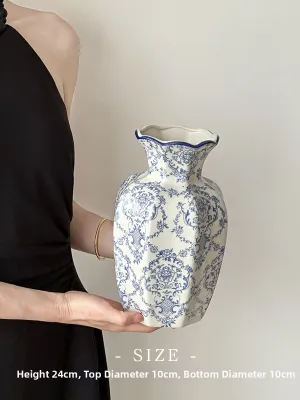
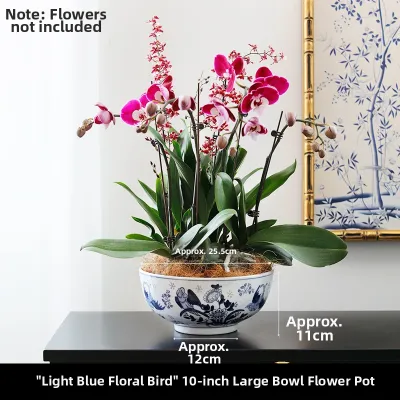

Prices are valid at publication and may change. Please refer to the product page for the latest price.
Visual weight must also be carefully managed to maintain spatial harmony. The visual weight of an object is determined by its opacity, shape, and color saturation. A solid, dark blue ceramic vase carries immense visual weight and can easily dominate a delicate glass console table or a floating shelf. To prevent a vase from overwhelming your minimalist furniture, opt for pieces with balanced proportions—such as a white porcelain base with a delicate, thin blue line—or choose semi-translucent blue glass that allows light to pass through, softening its presence in the room.
Recommended Vase Shapes and Silhouettes
The silhouette of a vase dictates how it interacts with the surrounding architecture of a room. In minimalist design, form is paramount, and the shape of your blue and white vessels should feel highly intentional, serving as a sculptural element even when left completely empty.

Geometric and Architectural Forms
Geometric and architectural forms bring a sense of structure, order, and symmetry to minimalist interiors. Cylinders, cubes, and faceted hexagonal designs offer clean, sharp lines that echo the modern architecture of contemporary homes. These structured shapes work exceptionally well on flat surfaces like low-profile sideboards, deep window sills, or structured bookshelves.
The contrast between sharp, architectural edges and soft blue and white colorways creates a compelling visual dynamic. While the geometric form provides a rigid, modern frame, the fluid blue glaze or organic brushstrokes soften the overall look. This juxtaposition ensures that the piece feels artistic and deliberate rather than sterile, making it an excellent choice for entryways or central dining tables where clean lines are highly valued.
Organic and Asymmetrical Profiles
For spaces that require a softer touch, organic and asymmetrical profiles offer a beautiful alternative to rigid geometry. Gentle curves, teardrop shapes, and vessels inspired by the wabi-sabi philosophy—which celebrates imperfection—introduce a sense of natural flow. These shapes mimic forms found in nature, bringing a calm, grounded energy to a room without introducing unnecessary visual clutter.
Balancing these free-flowing, organic forms with strict, minimalist surroundings is a matter of contrast and placement. An asymmetrical, hand-thrown ceramic vase with a simple blue slip-trail design looks stunning when placed against a stark, straight-lined wall or on a highly structured metal shelf. The organic curve of the vase breaks up the monotony of straight lines, creating a subtle point of interest that feels effortless and curated.
Material and Finish Considerations
The tactile quality of a vase is just as important as its color and shape in a minimalist home, where every detail is magnified by the lack of surrounding clutter. The choice of material and surface finish directly influences how light behaves in your space and how the vase feels to the touch.
Matte and glossy finishes interact with light in completely different ways. Glossy glazes, typical of traditional porcelain, reflect light sharply, creating bright highlights that draw immediate attention. In a bright, sunlit room, a high-gloss blue and white vase can add a vibrant, clean sparkle. On the other hand, matte finishes absorb light, offering a soft, diffused appearance that feels incredibly modern and serene. Matte ceramic or unglazed stoneware is ideal for creating a quiet, understated look that blends into the background rather than demanding attention.
The choice between ceramic, porcelain, and glass also affects the visual weight and mood of the decor. Fine porcelain offers a delicate, refined aesthetic with a smooth, semi-translucent quality that feels luxurious and classic. Standard ceramic and stoneware provide a more substantial, earthy presence, grounding the space with their solid opacity. Glass, whether tinted blue or featuring white frosted patterns, offers a lightweight, airy alternative that keeps a small room feeling open and spacious by allowing light to filter through its form.
Unglazed, ribbed, or lightly textured surfaces add a layer of sensory depth without relying on busy patterns. A white ceramic vase with a ribbed texture and a simple, hand-painted blue rim provides visual and tactile interest through its physical structure rather than a complex surface design. This approach allows you to experiment with depth and shadow, keeping the overall aesthetic clean and minimalist while avoiding the flat, sterile look that sometimes plagues modern interiors.
Styling Blue and White Vases in a Minimalist Room
Styling is the final step in integrating blue and white decor into a minimalist home. The goal is to display your vessels in a way that highlights their beauty while maintaining a sense of openness and tranquility throughout the room.
Applying the rule of negative space is essential when positioning your vases. In minimalist design, the empty space around an object is just as important as the object itself. Avoid the temptation to crowd shelves, mantels, or console tables with multiple decorative items. Instead, give your blue and white vase room to breathe. Placing a single, well-chosen vase on a spacious sideboard allows its form and pattern to be fully appreciated, turning a simple decorative item into a true focal point.
When it comes to botanicals, less is almost always more. Dense, colorful bouquets can clash with the clean aesthetic of a minimalist vase and overwhelm the room. Instead, opt for single stems, dried branches, structural grasses, or minimal greenery. A single eucalyptus branch, a dried monstera leaf, or a few stems of pampas grass will complement the vase’s design without competing for attention. The natural, sculptural lines of these botanicals enhance the minimalist vibe, creating a harmonious connection between the vessel and nature.
You must also decide between displaying a standalone statement piece or creating a curated grouping. A large, high-impact blue and white vase works beautifully on its own as a centerpiece on a dining table or in an entryway. If you prefer a grouping, limit it to two or three vessels of varying heights and widths. Ensure the pieces share a common design element—such as the same matte finish or a similar shade of blue—while offering enough structural variety to keep the arrangement dynamic. Keep the styling simple, leaving some vases empty to emphasize their sculptural qualities.
What to Check Before Buying
Before purchasing a blue and white vase, it is important to verify several practical specifications to ensure it fits your space physically, functionally, and aesthetically. Taking the time to perform these checks will prevent common decorating mistakes and protect your home’s surfaces.
First, measure the dimensions of the vase and compare them against the intended display surface. A vase that is too large can block sightlines across a room or overwhelm a delicate table, while a vase that is too small will look lost and insignificant. Consider the height of the vase in relation to nearby furniture, wall art, and light fixtures to maintain proportional harmony. If you plan to place the vase on a shelf, ensure there is ample clearance above it to preserve the open, airy feel of your minimalist layout.
Next, verify the waterproofing and interior glazing of the vessel. Not all ceramic or stoneware vases are designed to hold water; unglazed or poorly glazed interiors can weep moisture over time, leading to condensation buildup. In humid climates, this moisture can easily become trapped, potentially damaging wooden or lacquered surfaces underneath. If you plan to display fresh flowers, look for explicit confirmation from the manufacturer that the vase is watertight. For unglazed or porous decorative vessels, consider using them strictly for dried botanicals, or place a small plastic or glass liner inside to hold water safely.
Finally, check the base of the vase to protect your delicate minimalist furniture. Rough, unglazed ceramic bases can easily scratch polished wood, lacquer, glass, or stone surfaces when moved. Look for vases that feature pre-applied felt pads or a completely smooth, polished foot. If the vase you love has a rough base, you can easily apply small adhesive felt or silicone pads yourself, or place a minimalist cork or fabric coaster underneath to safeguard your tabletops.
Frequently Asked Questions (FAQ)
Can traditional blue and white patterns work in modern minimalist decor?
Yes, traditional blue and white patterns can work beautifully in modern minimalist decor, provided they are styled with intention. The key is to isolate the traditional piece, treating it as a singular, striking focal point rather than mixing it with other patterned items. By pairing a classic, intricately detailed Chinoiserie or Delftware vase with ultra-modern, stark furniture—such as a clean-lined metal console or a smooth concrete table—you create a deliberate, sophisticated contrast. This juxtaposition highlights the craftsmanship of the traditional vase while keeping the overall room aesthetic firmly rooted in modern minimalism.
How do I clean and maintain matte ceramic vases?
Matte ceramic and unglazed stoneware vases require gentle care to maintain their pristine, textured appearance. For routine maintenance, simply dust the exterior with a soft, dry microfiber cloth or a feather duster to remove surface particles. If the vase becomes soiled, wash it gently using a soft sponge, warm water, and a few drops of mild, non-abrasive dish soap. Avoid using harsh chemical cleaners, bleach, or abrasive scrubbing pads, as these can permanently scratch the matte finish or discolor the delicate blue and white glazes. Always allow the vase to air dry completely before placing it back on your furniture.

Community discussion
Share your experience or ask a question. Comments are reviewed before publication.