
Selecting the right lighting for a narrow corridor requires balancing functional illumination and space-saving design. In Singapore’s high-density residential layouts, such as HDB flats and condominiums, hallways are often compact, windowless, and prone to feeling cramped. A low-profile, flush-mount or semi-flush butterfly light serves as an ideal solution, providing soft, indirect illumination that visually expands the area without encroaching on valuable walkway space. By choosing fixtures with a shallow depth and diffused light distribution, you can transform a plain transition zone into a warm, inviting pathway.
Why Butterfly Wall Lights Suit Narrow Hallways
Corridors are frequently treated as afterthoughts in residential design, yet they play a crucial role in connecting the private and social zones of your home. Traditional lighting choices, such as bulky pendant lights or low-hanging chandeliers, can make a narrow hallway feel even more confined. Pendant fixtures reduce headroom, while standard recessed downlights can sometimes create a sterile, clinical atmosphere with harsh downward shadows.
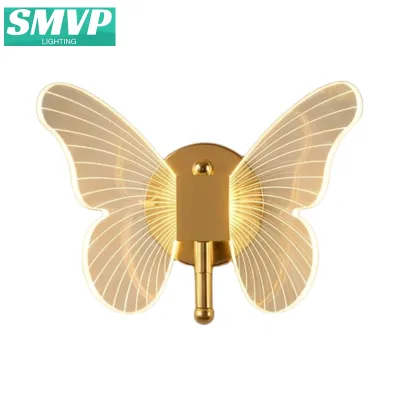
A butterfly light offers a distinct advantage by mounting directly to the wall, shifting the visual focus outward rather than downward. The organic, winged silhouette of a butterfly design adds sculptural interest to flat, utilitarian walls. When illuminated, the wings of the fixture cast delicate, stylized shadows and light patterns, turning a simple walk down the hall into a curated aesthetic experience.
Products mentioned in this guide
![[LF7L]Solar Outdoor Butterfly Wall Decorative Lights Waterproof Butterfly Decoration for Outside Patio Yard Porch Garden](https://img.lazcdn.com/g/p/36d107595910bb49186ea0489b5dc6a0.jpg_400x400q80.jpg_.webp)
Prices are valid at publication and may change. Please refer to the product page for the latest price.
Furthermore, the flat or semi-flat profile of modern butterfly wall sconces ensures that they do not disrupt the flow of traffic. Because these fixtures hug the wall closely, they preserve the maximum possible walkway width. This is particularly beneficial in tight HDB layouts where every centimeter of clearance matters when moving furniture, carrying groceries, or navigating the home daily.
Key Features to Look for in Corridor Butterfly Lights
Selecting the perfect butterfly wall light involves more than just finding an attractive design. Because corridors are high-traffic, enclosed spaces, you must evaluate several technical and physical specifications to ensure the fixtures remain safe, functional, and visually comfortable over time.

Size and Wall Protrusion
The physical dimensions of your wall light are critical when planning a corridor layout. For narrow hallways, look for fixtures with a shallow profile, ideally protruding no more than 10 to 12 centimeters from the wall surface. A fixture that sticks out too far can easily become a bumping hazard for active children, pets, or anyone carrying bulky items through the passage.
Before purchasing, verify the overall height and width of the butterfly wings. A fixture that is too large can overwhelm a low-ceilinged corridor, while an excessively small light might look lost on a long, blank wall. Aim to scale the fixture so that its width does not exceed one-third of the total wall height, maintaining a balanced visual proportion.
Light Spread and Glare Control
The way a fixture distributes light determines how spacious or confined your corridor feels. Wall lights generally offer three main distribution patterns: uplighting, downlighting, and ambient wall washing. Uplighting directs light toward the ceiling, which can make a low corridor feel taller and more open. Downlighting focuses illumination toward the floor, ensuring safe footpaths, while wall washing bathes the vertical surface in a soft glow, highlighting texture and color.
In a narrow hallway, direct light sources can cause uncomfortable glare because you are walking in close proximity to the fixtures. To prevent this visual strain, prioritize butterfly lights with diffused, indirect, or shielded light sources. Fixtures featuring frosted acrylic covers, fabric shades, or solid metal wings that back-project light against the wall are excellent choices for creating a gentle, glare-free ambiance.
Brightness and Color Temperature
Corridors do not require the intense, focused task lighting needed in kitchens or study rooms. Instead, the goal is to provide enough illumination for safe navigation while establishing a welcoming atmosphere. Look for LED fixtures with moderate brightness levels, typically ranging from 300 to 500 lumens per light point, which is sufficient to guide your steps without feeling blinding.
Color temperature is a subjective preference, but it significantly influences the perceived mood of your home. Warm white light (2700K to 3000K) creates a cozy, relaxing, and hospitable environment, which pairs beautifully with traditional, Scandinavian, or Japandi interior styles. If your home features a sleek, modern, or minimalist design, a neutral white light (4000K) provides clearer visibility and a crisp, clean aesthetic that makes colors appear highly accurate.
Placement and Spacing Strategies for Tight Spaces
Proper positioning is essential to maximize the impact of your butterfly light fixtures while maintaining a safe and balanced environment. Installing wall lights at incorrect heights or intervals can result in uneven dark spots, awkward shadows, or physical obstructions.
The standard mounting height for corridor wall sconces is approximately 1.6 to 1.8 meters above the finished floor level. This placement ensures that the light source sits slightly above average eye level for most individuals, preventing direct glare from the bulb while allowing the light pattern to wash the wall effectively. If your home has exceptionally high ceilings, you may adjust the height slightly upward to maintain visual harmony.
When installing multiple fixtures along a long hallway, spacing is key to achieving a cohesive look. As a general guideline, space your butterfly lights approximately 1.5 to 2.5 meters apart. This distance depends on the beam angle of the light and the overall length of your corridor. Closer spacing ensures a continuous, overlapping wash of light, while wider spacing creates distinct pools of light that highlight the individual butterfly shapes.
Be mindful of structural elements and existing architectural features. Avoid placing wall lights directly opposite door frames, as the outward swing of bedroom or bathroom doors could accidentally strike and damage the fixture. Additionally, keep lights away from areas where you plan to place tall furniture, decorative mirrors, or hanging artwork to prevent visual clutter and ensure the light remains unobstructed.
Installation and Electrical Safety in Singapore Homes
Any residential lighting project in Singapore must prioritize electrical safety and compliance with local regulations. Because wall light installation involves working with fixed electrical wiring, it is vital to understand the technical boundaries and safety protocols.
Singapore’s standard residential electrical system operates at 230V. Before purchasing any butterfly wall light, verify that the fixture, its internal driver, and any dimming accessories are fully compatible with this voltage. Additionally, look for electrical components that carry the SAFETY Mark, which indicates they have been tested and certified safe for use in Singapore households under local safety standards. When selecting a fixture, check the manufacturer’s specifications for the bulb base or interface (such as G9, E14, or integrated LED) and the maximum wattage limit to prevent overheating. Ensure the installation environment is completely dry, as standard indoor butterfly lights are not rated for high moisture levels.
For hardwired installations, always hire a licensed electrical worker (EMA-licensed electrician). Installing new wall lights often requires routing wiring through solid concrete walls, which are standard in HDB flats, or behind drywall partitions in newer condominiums. A professional electrician can safely run concealed conduits, install appropriate wall boxes, and ensure the load does not exceed your home’s circuit capacity.
Before beginning any installation, maintenance, or bulb replacement, ensure that the main power supply is isolated by switching off the corresponding circuit breaker at your distribution board. If you plan to adjust the brightness levels to suit different times of day, ensure both the light fixture and your wall switch support the same dimming method, such as triac or trailing-edge dimming. If you reside in a condominium, remember to consult your Management Corporation Strata Title (MCST) guidelines. Some developments have strict by-laws regarding structural drilling, concealed wiring modifications, or noise limits during renovation works.
Styling Tips to Enhance Visual Appeal
To make your butterfly lights truly shine, consider how their materials, finishes, and designs coordinate with your corridor’s existing decor. The right combination can elevate a simple hallway into an elegant design feature. Decorative style is a conditional preference that should align with your broader home aesthetic.
Metallic finishes, such as brushed gold, brass, or polished chrome, add a touch of luxury and modern sophistication. These reflective surfaces catch the light beautifully, creating dynamic highlights even when the fixture is turned off. If your corridor walls are painted in dark or moody tones, a metallic butterfly light provides a striking contrast that draws the eye.
For a softer, more integrated look, consider butterfly lights made from matte white ceramic, frosted acrylic, or natural wood accents. Ceramic and acrylic fixtures blend seamlessly into light-colored walls, allowing the light pattern itself to take center stage. Wood accents are perfect for homes embracing natural textures, adding warmth and organic charm to the transition space.
Remember that in tight, narrow corridors, moderation is key. Use the butterfly light as a subtle, elegant accent rather than trying to fit oversized, overly complex fixtures. A clean, well-proportioned design will complement your home’s architecture without overwhelming the senses.
Frequently Asked Questions (FAQ)
Can I use plug-in butterfly wall lights in a corridor?
While plug-in butterfly wall lights offer the convenience of not requiring professional electrical work, they are generally not recommended for narrow corridors. Plug-in models rely on exposed cords hanging down the wall to reach a nearby power outlet. In a tight hallway, these dangling cables can look cluttered and, more importantly, present a serious tripping hazard for residents. Hardwired installations are highly preferred for corridors because they keep the wiring hidden behind the wall, ensuring a clean, safe, and seamless look.
Do butterfly wall lights provide enough light for a dark hallway?
Most butterfly wall lights are designed primarily for ambient or accent lighting rather than high-intensity illumination. If your corridor is completely windowless and exceptionally dark, a few wall sconces alone may not provide sufficient light for detailed tasks or deep visibility. In such cases, it is best to use butterfly lights as a secondary, atmospheric layer of light. You can pair them with subtle, recessed ceiling downlights or track lighting to ensure the space is safely and adequately illuminated when needed.

Community discussion
Share your experience or ask a question. Comments are reviewed before publication.