
Corridors in Singapore homes, whether in high-rise HDB flats, modern condominiums, or spacious landed properties, often suffer from a lack of natural light and a cramped, utilitarian feel. Traditional ceiling-mounted downlights can cast harsh, vertical shadows that make these transitional spaces feel even narrower than they are. Corner wall lights offer a sophisticated alternative by utilizing the often-neglected vertical intersections of your home. By casting light across adjacent walls, these fixtures soften shadows, create an illusion of spaciousness, and add a layer of architectural interest to your hallways.
Choosing the right corner lighting requires balancing aesthetic goals with practical considerations like walkway clearance, electrical safety, and installation feasibility. This guide explores how to select, position, and safely install corner wall lights to transform your home’s corridors into warm, inviting pathways.
Why Corner Lighting Works in Hallways
Placing light fixtures in corners rather than relying solely on central ceiling fixtures fundamentally changes how light interacts with a corridor. Central ceiling lights project light straight down, which often leaves the upper portions of walls in shadow and creates a high-contrast, clinical environment. Corner wall lights, by contrast, project light laterally across two intersecting surfaces, distributing illumination more evenly throughout the volume of the space.
Products mentioned in this guide
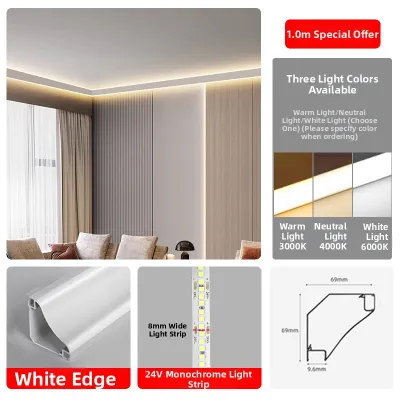
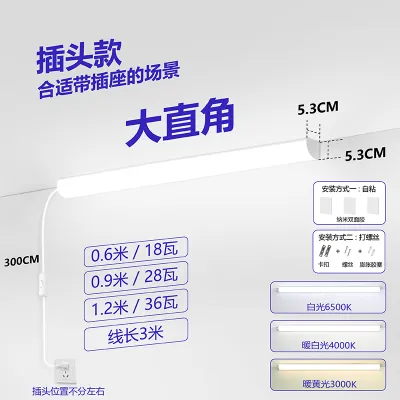
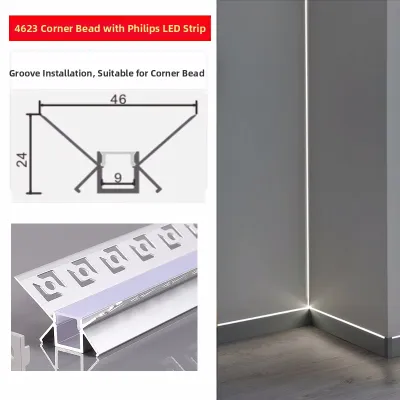
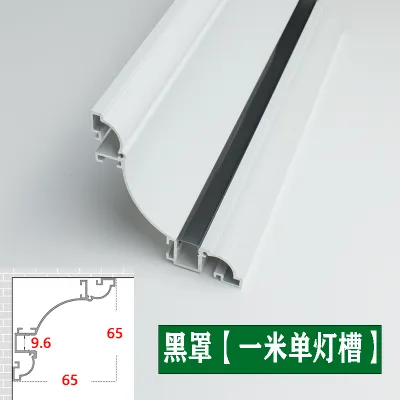
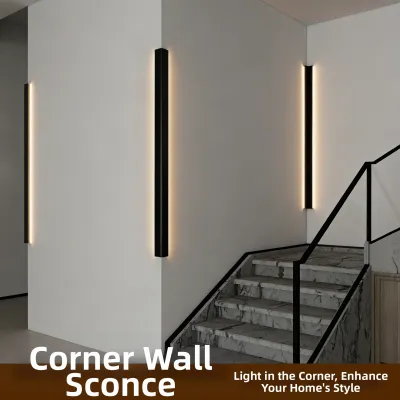
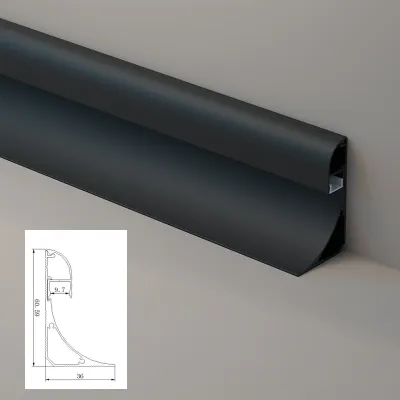
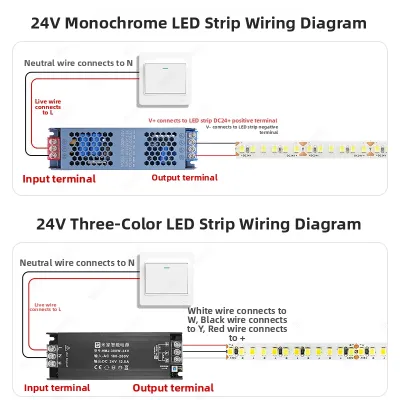
Prices are valid at publication and may change. Please refer to the product page for the latest price.
This lateral light distribution produces a visual effect known as wall washing. When light grazes the surface of a wall, it highlights the texture and pushes the visual boundaries of the corridor outward. For narrow hallways typical of Singaporean apartments, this effect makes the walls feel further apart and the ceiling appear higher, effectively neutralizing the restrictive “tunnel” sensation.
Additionally, corners naturally serve as transition zones between different functional areas of a home, such as the journey from a bright living room to quiet bedrooms. Illuminating these structural edges provides clear visual cues that aid navigation at night. By lighting the corners, you establish a soft, continuous glow that guides foot traffic safely without the need to turn on bright, disruptive overhead lights.
Essential Selection Criteria for Corner Wall Lights
Before purchasing any corner light fixture, you must evaluate several technical and physical specifications to ensure the product is compatible with your space and local electrical standards.

First, consider the beam angle and light spread. A narrow beam angle (typically 15 to 30 degrees) creates a sharp, dramatic cone of light that acts as an accent, highlighting specific architectural features or textures. A wide beam angle (60 degrees or more) or a fixture with a diffuse cover provides a broad, soft wash of light that is better suited for general ambient illumination. For corridor safety, a wider, more diffuse spread is generally preferred to minimize dark spots.
Color temperature plays a critical role in setting the mood of transitional spaces. A warm white light (2700K to 3000K) is highly recommended for residential corridors, as it creates a cozy, welcoming atmosphere that complements living areas. Cool white light (4000K) can be utilized if your corridor doubles as a utility zone or displays artwork requiring high color accuracy, but ensure it matches or complements the color temperature of adjacent rooms to avoid visual jarring.
Physical dimensions and protrusion limits are vital safety factors in narrow walkways. In a standard corridor, which may only be 1.2 meters wide, a bulky fixture protruding from the wall can become a shoulder-height hazard or obstruct the movement of furniture. Look for ultra-slim profiles, flat-back corner designs, or recessed options that keep the walkway entirely clear.
Finally, verify the dimming compatibility and electrical certifications of the fixture. If you plan to integrate the lights into a smart home system or use a wall dimmer to adjust night-time brightness, ensure the LED driver is explicitly labeled as dimmable. For safety and compliance in Singapore, always check that the fixtures and drivers carry the appropriate safety certifications and are compatible with the local 230V, 50Hz electrical supply.
Recommended Corner Light Types for Corridors
Different corridor layouts and interior design styles require specific light distributions to achieve the best results. Selecting the right category of corner light allows you to address specific spatial challenges, whether you need to make a low ceiling feel higher or highlight decorative elements.
By understanding the functional strengths of each fixture type, you can choose a solution that integrates seamlessly into your home’s architecture.
Up-and-Down Wall Washers
Up-and-down wall washers are surface-mounted fixtures that project light simultaneously toward the ceiling and the floor. This dual-directional projection is exceptionally effective in narrow hallways because it draws the eye upward, visually extending the vertical height of the room while providing safe illumination for the floor.
When selecting an up-and-down washer, it is important to check the symmetry of the beams. Some fixtures offer adjustable flaps that allow you to alter the angle of the upper and lower beams independently. Ensure the upper beam is not so narrow or intense that it creates a harsh, distracting hot spot on the ceiling, especially if your ceilings are relatively low.
These fixtures perform best on walls with uniform textures, such as smooth plaster or subtle wallpaper. The grazing light will accentuate any minor surface imperfections, so ensure your walls are well-finished before opting for this style.
Recessed Corner LED Profiles
For a minimalist, ultra-modern aesthetic, recessed corner LED profiles offer a seamless architectural solution. These fixtures consist of aluminum channels designed to fit precisely into 90-degree internal or external corners, finished with a frosted diffuser that sits flush with the plasterboard or plaster wall.
Implementing recessed profiles requires early planning during the renovation or construction phase. Your contractor will need to cut into the drywall or plaster, secure the aluminum profile, and plaster over the edges to create a clean, integrated look. This wet-work requirement makes it less suitable for quick retrofits but highly rewarding for major renovations.
Because the LEDs are enclosed within the wall, heat dissipation is a critical factor for longevity. High-quality aluminum profiles act as effective heat sinks, but you must also ensure that the LED driver (the transformer) is placed in an accessible, well-ventilated location—such as a nearby distribution board box or a false ceiling access hatch—so it can be easily replaced if it fails over time.
Adjustable Corner Spotlights
Adjustable corner spotlights feature swiveling heads mounted on a compact base designed for corner installation. This type of fixture is ideal if your corridor features artwork, family photos, decorative shelving, or indoor plants that you wish to highlight.
The primary advantage of an adjustable spotlight is directional control. You can angle the beam precisely where it is needed, preventing the light from shining directly into adjacent bedrooms or causing glare for anyone walking down the hallway. This makes them highly versatile for dynamic spaces.
To manage glare effectively, look for spotlights equipped with deep-set baffles or honeycomb louvers. These accessories restrict the spill of light, ensuring that the light source remains hidden from view until you are standing directly beneath it. Adjustable spotlights are best suited for wider landing areas or the ends of corridors rather than tight, high-traffic walkways where they might be accidentally bumped.
Electrical and Installation Safety Checks
Installing corner wall lights involves working with electrical circuits and drilling into structural walls, both of which require strict adherence to safety protocols to prevent accidents and damage.
Before purchasing any fixtures, verify your existing wall box wiring, voltage compatibility, and the power limits of your lighting circuits. Singapore’s residential electrical system operates at 230V AC. If you are importing fixtures from overseas, ensure they are rated for this voltage or come with a compatible step-down driver. Overloading a lighting circuit with too many high-wattage fixtures can trip your circuit breakers and pose a fire hazard.
For any installation that involves modifying fixed electrical wiring, adding new wall boxes, or running cables behind walls, you must engage a licensed electrician. Working with fixed wiring without the proper qualifications is not only dangerous but may also violate local building regulations and void your home insurance. A professional electrician will ensure all connections are properly grounded, insulated, and compliant with local electrical codes.
When preparing to mount fixtures, take extreme care to avoid structural damage. Many corridor walls in Singaporean homes, particularly in HDB flats, are load-bearing concrete shear walls or contain concealed conduits for water pipes and electrical wiring. Always use a high-quality wall scanner to check for hidden metal rebar, live wires, and pipes before drilling into any wall surface.
If you encounter unexpected resistance while drilling, hit a metal barrier, or notice any signs of moisture, stop immediately. Consult a qualified structural engineer or professional contractor to assess the wall before proceeding, as damaging structural reinforcement or concealed utilities can lead to costly repairs and safety hazards.
Matching Light Output to Corridor Dimensions
To achieve a balanced and comfortable lighting scheme, you must match the light output (measured in lumens) and spacing of your corner lights to the physical dimensions and color scheme of your corridor.
As a general guideline for spacing, corner lights or wall-mounted fixtures should be placed approximately 1.5 to 2 meters apart along a corridor. This spacing ensures that the pools of light from adjacent fixtures overlap slightly, maintaining even illumination and eliminating dark, shadowy patches. In shorter hallways, a single well-placed corner light at the far end can suffice to draw the eye forward and create a sense of depth.
Your choice of wall paint significantly influences how much light you need. Darker paint colors, such as deep grays, blues, or forest greens, absorb a large percentage of light, meaning you will require fixtures with higher lumen outputs or wider beam angles to achieve the same perceived brightness. Conversely, light-colored walls (such as off-white, cream, or light gray) reflect light efficiently, allowing you to use lower-wattage, energy-efficient fixtures without sacrificing visibility.
Finally, consider how your corner lights will interact with existing light sources. If your corridor already has recessed ceiling downlights, your corner lights should serve as secondary, ambient layers rather than competing for brightness. You can achieve this by using lower-lumen bulbs in the corner fixtures or installing a separate switch so you can run the corner lights independently as low-level night lighting, creating a calm and visually comfortable environment.
Frequently Asked Questions (FAQ)
Can I install corner wall lights without existing wiring?
Yes, you can install corner wall lights without existing in-wall wiring by utilizing battery-operated, rechargeable LED fixtures or plug-in models. Battery-powered options offer a clean look without visible wires, but they generally provide lower brightness and require frequent recharging or battery replacements, making them less practical for high-use corridors. Alternatively, you can use plug-in fixtures and conceal the power cords using paintable, surface-mounted plastic trunking run neatly along the corner joint to the nearest floor outlet, which is an excellent, non-destructive compromise for rental properties.
What is the ideal mounting height for corridor corner lights?
The ideal mounting height for corridor corner lights is generally between 1.5 and 1.8 meters from the finished floor level, which positions the fixture at or slightly above average eye level. This height ensures that the light source is shielded from direct line of sight, preventing uncomfortable glare as you walk past. For up-and-down wall washers, mounting the fixture at approximately 1.6 meters provides a balanced distribution of light, allowing the upward beam to wash the upper wall and ceiling while the downward beam safely illuminates the floor path.

Community discussion
Share your experience or ask a question. Comments are reviewed before publication.