
A fancy full-length mirror is one of the most effective design tools for visually expanding a compact apartment. By strategically reflecting light and extending sightlines, a well-chosen mirror can make a tight entryway or a cozy living room feel twice its actual size. The key lies in selecting a piece that balances decorative elegance with functional scale, transforming a simple utility item into a striking focal point that tricks the eye into perceiving depth.
To achieve this spatial illusion in a compact home, such as a modern condominium or an HDB flat, you must look beyond basic utility. A fancy full-length mirror does not merely show your reflection; it acts as an architectural window, capturing natural light from nearby openings and bouncing it into darker corners. Selecting the right frame style, glass quality, and placement strategy ensures that your mirror enhances your interior decor while maximizing every square meter of your floor plan.
Key Design Features That Expand Small Spaces
To maximize the space-amplifying effect of a full-length mirror, you must first understand the technical and design features that govern how light and reflections interact with your room. The most critical factor is the reflective quality of the glass itself. High-quality mirrors typically feature a glass thickness of at least five to six millimeters. Thicker glass is less prone to warping or bending within its frame, which prevents the distortion effect that can make a small room feel unstable and visually chaotic. When shopping, verify the manufacturer’s specifications for glass thickness and silvering quality to ensure a flat, true reflection.
Products mentioned in this guide
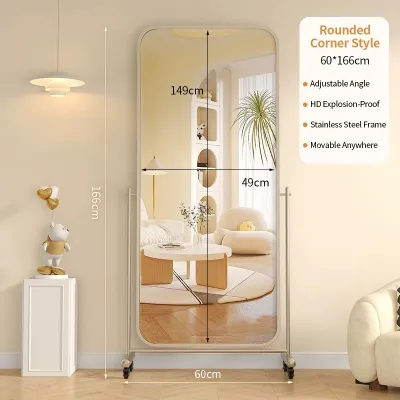
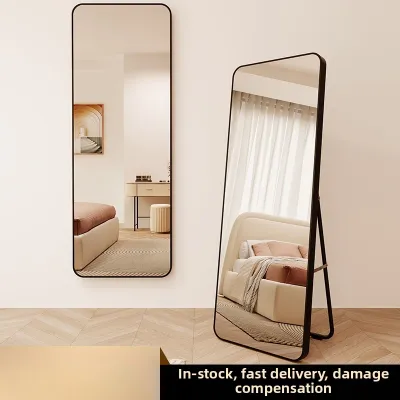
![[Delivered in 1 days]Standing Mirror Full length Mirror Floor Mirror Home Bedroom Large Mirror Hanging Wall Hanging Fitting](https://img.lazcdn.com/g/p/6391dff5b0ef2ab2fdd2e2177860326f.jpg_400x400q80.jpg_.webp)
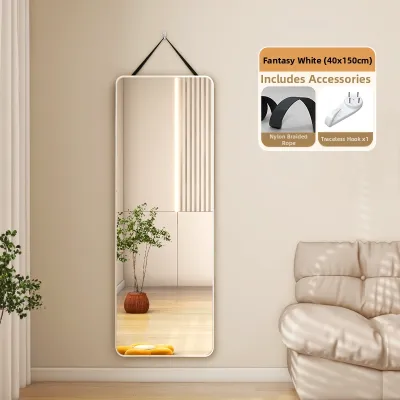
Prices are valid at publication and may change. Please refer to the product page for the latest price.
The design of the frame and the treatment of the glass edges also play a significant role in spatial perception. Beveled edges, where the glass is ground and polished at an angle around the perimeter, act as prisms. They catch and refract light, creating subtle highlights that add depth without requiring a bulky frame. Conversely, the depth of the frame itself can either ground the mirror or make it feel overly heavy. A deep shadow-box frame can create a sense of three-dimensional depth, making the mirror look like a recessed window alcove. However, in very tight corridors, a flush or low-profile frame finish is often preferable to prevent the physical structure from encroaching on valuable walkway space.
Finally, the shape of the mirror dictates how the eye travels across the room. Vertically elongated shapes, such as tall rectangles or slender ovals, draw the gaze upward toward the ceiling. This vertical emphasis is particularly beneficial in apartments with standard or low ceiling heights, as it distracts from the limited horizontal floor area. By choosing a mirror that stands significantly taller than it is wide, you introduce a strong vertical line that mimics the proportions of high-end architectural features, instantly elevating the perceived volume of your living space.
Top Fancy Mirror Styles for Compact Apartments
Selecting a fancy full-length mirror requires balancing your personal aesthetic with the physical realities of a compact layout. A decorative mirror should complement your existing interior design theme rather than compete with it for visual dominance. In smaller apartments, an overly dominant piece can quickly clutter the visual field, defeating the purpose of expanding the space.

To integrate a statement mirror successfully, consider how its materials and lines interact with your current furniture and lighting conditions. For instance, a mirror with a highly reflective metallic frame can brighten a dim, north-facing room by catching ambient light, while a matte or textured frame might suit a sun-drenched space where glare needs to be minimized. By categorizing these mirrors into distinct design styles, you can easily identify which option will harmonize with your home’s architecture and enhance its overall sense of openness.
Arched and Curved Top Mirrors
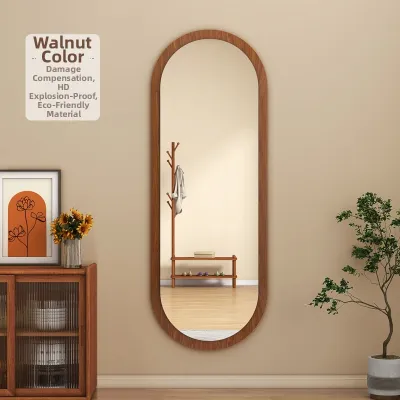
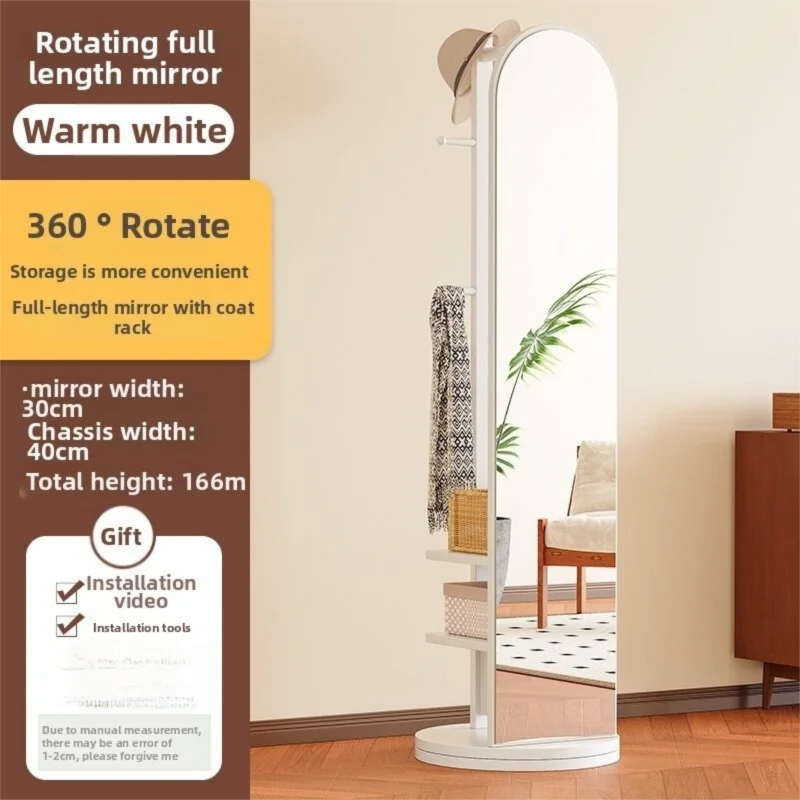
Arched and curved top mirrors have become a staple in modern interior design, offering a softer alternative to traditional rectangular frames. The gentle curve of an arch breaks up the rigid, straight lines commonly found in compact apartment architecture, such as square door frames, flat walls, and boxy furniture. By introducing organic curves, these mirrors draw the eye upward in a smooth, sweeping motion, emphasizing the vertical space and creating an illusion of higher ceilings.
These designs are exceptionally well-suited for placement in narrow transition zones, such as entryways, hallways, or cozy reading nooks. Placing an arched mirror beside low-profile furniture, like a minimalist console table or a low-slung armchair, creates a balanced contrast that makes the seating area feel more spacious and curated. When selecting an arched mirror, look for slim metal or light wood frames. These materials provide structural integrity and an elegant border without adding unnecessary visual weight, keeping the focus entirely on the expansive reflection.
Ornate and Vintage-Inspired Framed Mirrors
Ornate and vintage-inspired mirrors, featuring detailed plasterwork, gilded carvings, or baroque flourishes, add an undeniable sense of luxury and character to an apartment. While some worry that intricate frames might overwhelm a small room, they can work beautifully when paired with the right surroundings. The key is to treat the mirror as a singular piece of art, keeping the surrounding wall space and furniture relatively simple and uncluttered. This contrast allows the ornate details to shine without creating visual noise.
To maximize light reflection, opt for vintage-style frames finished in lighter metallic tones, such as champagne gold, antique silver, or soft brass. These finishes catch and scatter both natural and artificial light far more effectively than dark, heavy wood or matte black frames. Keep in mind that highly ornate frames tend to be physically wider and heavier. For a compact wall, look for scaled-down vintage designs where the decorative molding is concentrated at the crown or corners, leaving the sides relatively slim to preserve as much reflective glass surface as possible.
Minimalist Metal and Geometric Framed Mirrors
For contemporary, industrial, or Scandinavian-themed apartments, minimalist metal and geometric framed mirrors offer a sleek, sophisticated solution. These designs rely on clean lines, ultra-thin profiles, and precise angles to deliver a sense of modern luxury. Because the frames are incredibly slim—often made of powder-coated steel, aluminum, or brass—they maximize the actual reflective surface area relative to the mirror’s total physical footprint. This means you get a large reflection without sacrificing precious wall or floor space.
The geometric simplicity of these mirrors allows them to blend seamlessly into almost any room layout. They are particularly effective when paired with modern lighting fixtures, such as linear pendant lights or minimalist wall sconces. Positioning a slim-framed geometric mirror where it can reflect a stylish light source not only doubles the illumination in the room but also highlights the clean, architectural lines of the frame itself, creating a cohesive and polished look that feels intentionally designed.
Sizing and Placement Strategies for Maximum Impact
Even a beautiful mirror will fail to expand your space if it is poorly sized or incorrectly positioned. To determine the correct dimensions for a true full-body reflection, you must consider both the user’s height and the viewing distance. As a general rule of thumb, a full-length mirror should be at least half the height of the tallest person using it, though opting for a taller model—such as 160 to 180 centimeters—creates a much grander spatial illusion. Ensure the width is at least 50 to 60 centimeters so you do not have to stand excessively far back to see your entire outfit.
Strategic placement is where the real magic happens. To double the natural light in a dark living or dining area, position your mirror directly opposite or adjacent to a window. This allows the mirror to capture the outdoor view and bounce daylight deep into the apartment. However, be mindful of what the mirror will reflect; avoid placing it directly opposite cluttered shelving, utility doors, or household shelters, as this will only double the visual clutter. Instead, aim the reflection toward an open pathway, a clean accent wall, or a piece of indoor greenery to create a serene, airy feel.
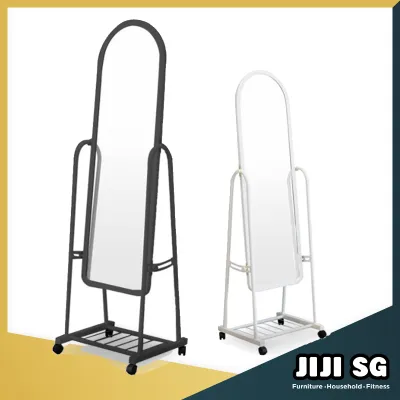
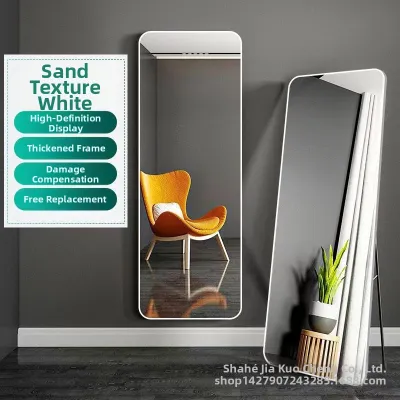
You must also decide between a leaning or a wall-mounted setup. Leaning mirrors, which rest on the floor and tilt slightly upward against the wall, offer a relaxed, contemporary aesthetic. The upward tilt slightly alters the perspective of the reflection, making the ceiling feel higher and the floor area more expansive. However, leaning mirrors occupy physical floor space, which can be a premium in tight entryways. Wall-mounting, on the other hand, preserves 100% of your floor space and allows you to position the mirror at the exact height needed for optimal viewing. The trade-off is that wall-mounting requires secure drilling and robust hardware, which is a critical consideration for rental properties or lightweight partition walls.
Pre-Purchase Checklist: Safety, Weight, and Installation
Before purchasing a heavy, fancy full-length mirror, you must conduct a thorough safety and structural assessment of your home. Large mirrors are deceptively heavy, often weighing anywhere from 15 to over 30 kilograms depending on the glass thickness and frame material. First, identify the type of wall where you plan to mount or lean the mirror. Solid concrete or brick walls, common in many apartments, provide excellent load-bearing capacity but require masonry drill bits and heavy-duty wall plugs. If you are mounting onto drywall or partition walls, you must locate the wooden or metal studs behind the wall and use specialized toggle bolts or hollow-wall anchors; never rely on standard plastic plugs in drywall for a heavy mirror.
Always check the manufacturer’s product specifications for the exact weight of the mirror and verify that your chosen mounting brackets or hanging wire are rated for that specific load. If you opt for a leaning setup, safety should still be your top priority. Leaning mirrors must be secured with anti-tip kits—typically consisting of a safety strap or bracket anchored to the wall behind the mirror—to prevent accidental tipping, which is especially critical in households with children, pets, or high foot traffic.
Finally, recognize the boundaries of DIY installation. If your mirror is exceptionally oversized, features complex integrated lighting that requires fixed electrical wiring, or needs to be mounted at a significant height, stop and consult a qualified professional installer. Working at height or handling large sheets of fragile glass carries inherent risks of injury and property damage. If you are installing a backlit mirror, ensure the power is isolated at the main circuit breaker before beginning any electrical work. Investing in professional installation ensures that your mirror is securely anchored, perfectly level, and completely safe for years to come.
Frequently Asked Questions (FAQ)
How do I clean a fancy framed mirror without damaging the finish?
Cleaning a decorative mirror requires a dual approach to protect both the glass and the delicate frame. For the glass surface, avoid spraying commercial glass cleaners directly onto the mirror. The liquid can run down and seep into the crevices between the glass and the frame, causing the silver backing to deteriorate or the frame finish to peel. Instead, spray a small amount of water or a mild, diluted glass cleaner onto a clean microfiber cloth, then gently wipe the glass in a circular motion. For the frame, use a dry, soft microfiber cloth or a feather duster to remove dust. Avoid using abrasive pads, harsh chemical solvents, or acidic cleaners on delicate finishes like gold leaf, unlacquered brass, or carved wood, as these can strip the protective coating and cause permanent tarnishing. Always refer to the manufacturer’s specific care instructions for your frame material.
Can a large mirror make a small room feel too overwhelming?
A large mirror can occasionally overwhelm a small room if its visual weight is not properly balanced. Visual weight is determined by the thickness, color, and texture of the frame; a massive, dark, heavily carved frame will feel much heavier and more intrusive than a slim, light-colored, or frameless design of the same size. To prevent a large mirror from dominating the space negatively, ensure there is adequate negative space—empty wall area—around it, and keep the immediate surroundings uncluttered. Additionally, be mindful of glare. If a large mirror is placed directly opposite a strong artificial light source or a harsh western window, it can create uncomfortable reflections. Adjusting the angle slightly or using sheer curtains to diffuse the incoming light will mitigate glare while preserving the mirror’s space-expanding benefits.

Community discussion
Share your experience or ask a question. Comments are reviewed before publication.