
To make a small room feel significantly larger, highly effective full-length mirrors are those with frameless edges or ultra-thin metal frames, constructed from high-clarity glass that is at least four to six millimeters thick. These design choices minimize visual clutter and prevent the warping or distortion that can ruin the illusion of depth. By reflecting both natural and artificial light, a strategically positioned mirror acts as a visual window, tricking the eye into perceiving a room that is twice its actual size.
Choosing the right mirror involves balancing physical dimensions with the architectural layout of your home. In compact living spaces, every square centimeter of floor and wall area counts. A poorly chosen mirror with a bulky frame can make a tight hallway feel even more cramped, while a well-selected, minimalist mirror can open up a dark corner and create a sense of airy sophistication. Understanding how glass quality, frame profiles, and mounting techniques interact allows you to make an informed decision that enhances both the functionality and the aesthetic appeal of your home.
Key Design Features That Expand Visual Space
The ability of a mirror to expand a room visually depends heavily on the quality of its construction. High-clarity glass is essential for creating a convincing illusion of depth. When shopping for a full-length mirror, look for low-iron glass, which eliminates the greenish tint common in standard glass panels. This ensures that the reflected colors closely match the room, making the transition between the physical space and the reflected space seamless.
Products mentioned in this guide
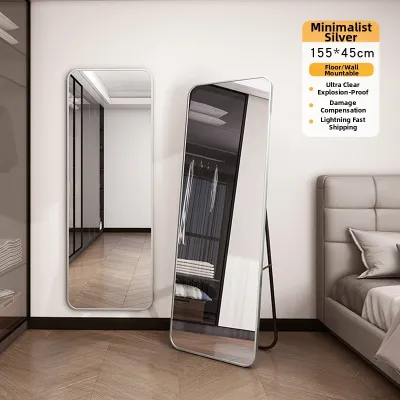
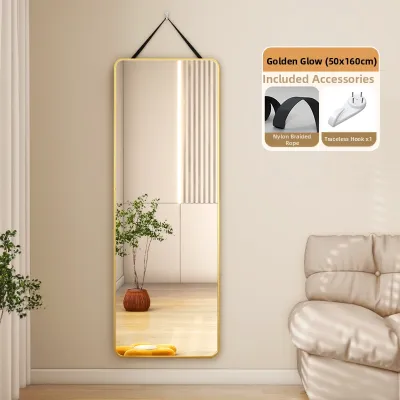

![[OKLIFE.SG] Floor Stand Mirror Home Bedroom Wall Hanging Mirror Full Length Mirror](https://img.lazcdn.com/g/p/585357ae4f483a530b7e0e7cde45369b.jpg_400x400q80.jpg_.webp)
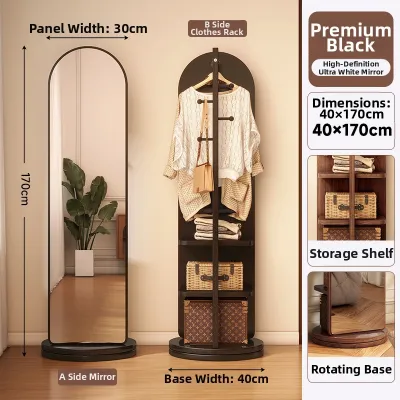
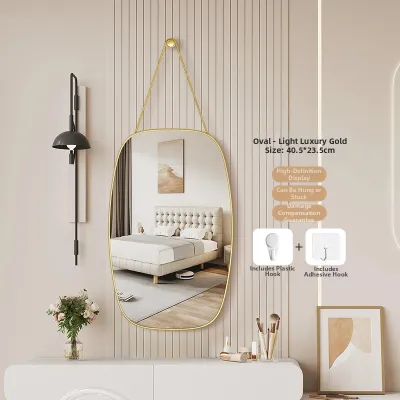
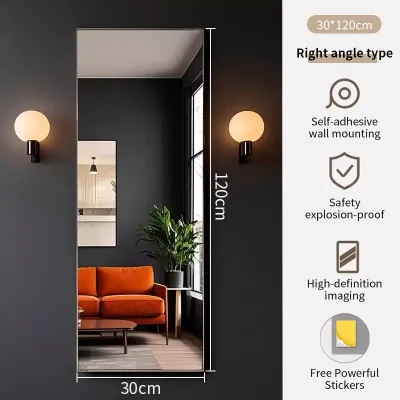
Prices are valid at publication and may change. Please refer to the product page for the latest price.
Glass thickness is another critical factor that directly impacts reflection quality. Thinner glass, such as three-millimeter panels, is highly susceptible to bending and warping when mounted or leaned against a wall. This warping creates a subtle distortion that immediately breaks the illusion of a larger room and can cause visual fatigue. Opting for a mirror with a thickness of four to six millimeters provides the structural rigidity needed to maintain a flat surface, ensuring a clear, distortion-free reflection across the entire height of the panel.
The proportions of the mirror must also harmonize with the room’s existing architecture. To maximize the feeling of height, select a mirror that extends at least two-thirds of the way up the wall. This vertical emphasis draws the eye upward, making low ceilings feel more spacious. If your goal is to widen a narrow room, a broader mirror placed horizontally or a series of tall, narrow mirrors mounted side-by-side can create a panoramic effect that visually pushes the walls outward.
Light reflection is the final element in the spatial expansion equation. Placing a full-length mirror where it can capture natural light from a window or glass door allows the mirror to act as an additional light source. This bounced light illuminates dark corners and shadows, which are common culprits in making small rooms feel restrictive. Even in rooms with limited natural light, positioning a mirror to reflect artificial light from wall sconces, pendant lamps, or floor lamps creates layers of illumination that add depth and dimension to the space.
Frame Styles and Shapes for Small Rooms
The frame of a mirror dictates how much visual weight it introduces into a room. In tight spaces, heavy, ornate, or deeply carved frames can act as visual roadblocks, drawing attention to the boundaries of the room rather than expanding them. Selecting the right frame style and silhouette is crucial for ensuring the mirror integrates smoothly with your decor while performing its spatial magic.

Frameless and Thin-Frame Mirrors
Frameless mirrors represent a highly effective minimalist solution for compact rooms. By eliminating the border entirely, these mirrors allow the reflection to merge directly with the surrounding wall. This lack of a defined boundary tricks the brain into seeing the reflection as a continuous extension of the room, rather than a decorative object hanging on the wall. It is an ideal choice for modern, minimalist, or contemporary interiors where clean lines are highly valued.
When selecting a frameless mirror, pay close attention to the edge finishing. Raw, unfinished glass edges are fragile and present a significant safety hazard. Look for mirrors with flat polished edges or beveled edges. Beveled edges, in particular, catch and refract light at the perimeter, adding a subtle touch of elegance without the bulk of a physical frame. Ensure the polishing is smooth and uniform to prevent chipping during installation or cleaning.
Thin-frame mirrors, typically featuring metal borders of less than one centimeter, offer a similar low-profile aesthetic while providing a touch of structural definition. Frames made from lightweight aluminum or slim steel in neutral tones like matte black, brushed brass, or satin silver add a clean, modern outline without adding visual weight. These thin borders help anchor the mirror visually on the wall while still allowing the glass surface to dominate the space, keeping the overall look light and airy.
Arched and Curved Silhouettes
While rectangular mirrors are classic, arched and curved silhouettes offer unique advantages in small, boxy rooms. Standard compact rooms often feature an abundance of sharp, right angles from walls, doorways, wardrobes, and desks. Introducing a mirror with a curved top, such as an arch, capsule, or oval shape, breaks up this geometric rigidity. The soft curves draw the eye upward and introduce an organic flow that makes the entire room feel more inviting and less confined.
An arched mirror balances functional utility with architectural interest. The flat bottom allows the mirror to sit flush against the floor or skirting board, maintaining a full-length viewing area that is essential for dressing. Meanwhile, the rounded top mimics the look of a classic arched window, creating a powerful psychological illusion of an opening to the outside world. This window-like effect is particularly effective in windowless entryways or basement rooms.
When choosing a curved mirror, ensure the curve is smooth and symmetrical. Poorly manufactured curved frames can sometimes pinch the glass at the top, leading to localized distortion in the reflection. Inspect the transition point where the straight sides meet the curved arch to ensure the frame is seamless and sturdy. This attention to detail ensures that the mirror remains a beautiful, functional focal point that softens the room’s hard lines.
Placement and Mounting Strategies for Maximum Impact
Where and how you install your full-length mirror determines its effectiveness in expanding your space. A common dilemma is choosing between leaning the mirror against a wall or mounting it flat. Leaning a mirror creates a relaxed, contemporary aesthetic and tilts the glass slightly upward. This upward angle reflects more of the ceiling and upper walls, which can make a low-ceilinged room feel loftier. However, leaning mirrors require a small amount of floor space at the base, which may not be practical in very tight walkways.
Wall-mounting is a highly effective choice for maximizing floor space and ensuring safety in high-traffic areas. By securing the mirror flat against the wall, you keep the floor completely clear, allowing for unobstructed movement. This is particularly important in narrow corridors, walk-in wardrobes, or behind bedroom doors. Wall-mounting also allows you to position the mirror at the exact height needed to capture the most light and the best viewing angles.
Due to the significant weight of high-quality, thick glass mirrors, secure installation is paramount. Never rely on standard nails, adhesive strips, or plastic picture hooks to support a full-length mirror. Begin by using a reliable stud finder to locate the wooden or metal studs behind your drywall. Securing the mounting brackets directly into studs provides the strongest possible hold. If studs are not positioned where you want to hang the mirror, you must use heavy-duty hollow-wall anchors, such as toggle bolts or steel plasterboard anchors, that are rated for at least double the weight of the mirror.
For concrete, brick, or masonry walls, which are common in many modern apartments, you will need a hammer drill and masonry wall plugs to create a secure anchor point. Always check the manufacturer’s instructions for the specific weight limits of the included hardware. If the mirror is exceptionally heavy, features a complex mounting system, or if you are uncomfortable working with drills and wall anchors, it is highly recommended to hire a qualified professional installer. This small investment ensures the mirror is hung safely and level, preventing catastrophic falls and potential injuries.
Pre-Purchase Checklist for Full-Length Mirrors
Before purchasing a full-length mirror from an online marketplace or a local showroom, take precise measurements of your space to avoid common installation pitfalls. Use this practical checklist to guide your decision:
- Measure Clearances: Verify the height, width, and depth of the wall space where the mirror will hang. Ensure there is sufficient clearance for adjacent doors, wardrobe panels, and drawers to swing open fully without striking the mirror. Allow at least 10cm of breathing room between the edge of the mirror and any door frames or light switches.
- Check Safety Specifications: Look for product labels that specify a shatterproof backing or safety film. This thin adhesive membrane is applied to the back of the glass panel. In the event of an accidental impact, the film holds the broken glass fragments together, preventing dangerous shards from scattering across the floor. This is an essential safety feature for households with children or pets.
- Verify Included Hardware: Confirm whether the mirror comes with a complete mounting kit. Check if the included brackets, screws, and wall plugs are compatible with your specific wall type (drywall, concrete, or brick). If the included hardware is basic or low-quality, plan to purchase heavy-duty anchors separately.
- Compare Total Costs: When budgeting for your mirror, look beyond the initial price tag. Factor in delivery fees, especially for large, fragile glass items that require specialized transport. If you plan to hire a professional for installation, include that service fee in your final cost comparison. In Singapore, high-quality full-length mirrors typically range from S$80 to S$300, depending on the frame material, glass thickness, and brand.
Frequently Asked Questions (FAQ)
How do I clean a large mirror without leaving streaks?
To clean a large full-length mirror without leaving unsightly streaks, always use a clean, lint-free microfiber cloth. Avoid spraying glass cleaner or water directly onto the mirror surface. Liquid can run down the glass and pool inside the bottom frame or seep behind the edges, which can damage the silver backing over time and cause black spots or delamination. Instead, spray a small amount of mild glass cleaner or a water-and-vinegar solution directly onto the microfiber cloth until it is damp, not soaking wet.
Wipe the mirror in a tight, continuous Z-shaped pattern, starting from the top corner and working your way down to the bottom. This technique prevents you from redistributing dust and oils over areas you have already cleaned. Once you have wiped the entire surface, immediately follow up with a second, completely dry microfiber cloth to buff the glass. This dry buffing step removes any remaining moisture film, leaving a clear, streak-free finish that maximizes the mirror’s reflective potential.
Can a mirror be too big for a small room?
Yes, a mirror can overwhelm a small room if its proportions are not carefully balanced with the surrounding furniture and layout. While a large mirror is excellent for expanding space, one that is excessively wide or tall can make a room feel visually chaotic if it reflects a cluttered area, such as an open wardrobe, a messy desk, or a busy storage shelf. The goal is to reflect light and open space, so the mirror should ideally face a relatively tidy, uncluttered view or a window.
Additionally, physical safety and clearance must be maintained. A mirror that is too large may block narrow walkways, restrict the movement of dining chairs, or interfere with door swing paths. Always ensure there is a comfortable buffer zone of at least 30cm to 50cm between the mirror and high-traffic pathways. If a massive wall-mounted mirror feels too dominant, consider opting for a slightly narrower model or a series of smaller, vertically aligned mirrors to achieve the same spatial expansion without crowding the room.

Community discussion
Share your experience or ask a question. Comments are reviewed before publication.