
Achieving a cohesive modern minimalist interior requires a disciplined approach to decor. In spaces where every object is exposed to close visual scrutiny, a glass vase serves as more than a simple container for flora; it acts as an architectural element that negotiates light, shadow, and spatial boundaries. Selecting the ideal glass vase style involves understanding how different silhouettes, textures, and finishes interact with clean interior lines and neutral color palettes.
By focusing on geometric purity, material clarity, and intentional scale, you can select glassware that enhances your home without introducing visual clutter. In compact urban environments, where physical and visual space is at a premium, the right glass vessel maintains an airy, open feel while providing a sophisticated focal point.
What Defines a Minimalist Glass Vase?
Minimalism in interior design is anchored by the philosophy of intentionality, where every decorative element must justify its presence. A minimalist glass vase is characterized by clean lines, structural simplicity, and a deliberate absence of superficial embellishments. Instead of relying on intricate patterns or applied decorations, these vessels draw their aesthetic value from their fundamental geometry and the quality of the glass itself.
Products mentioned in this guide
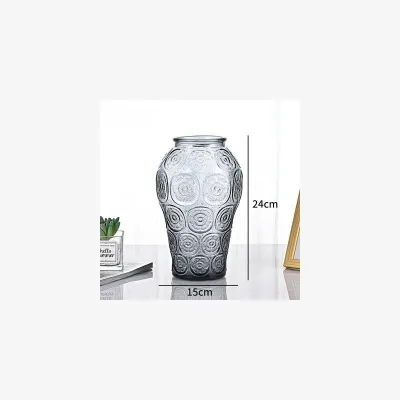
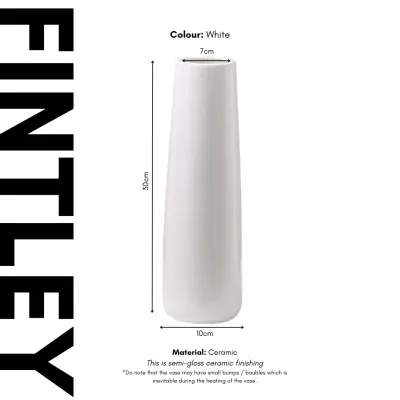
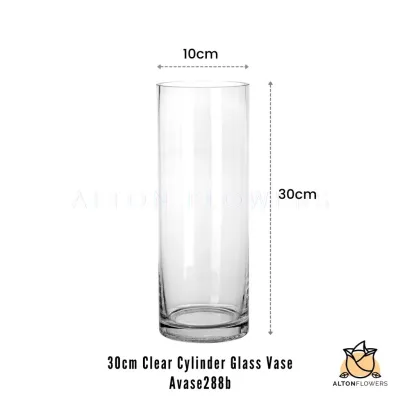
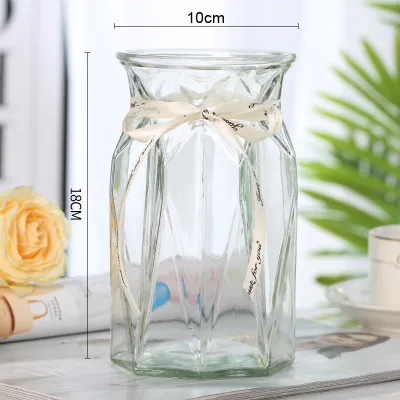
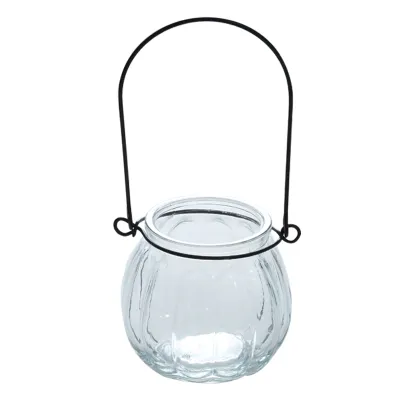
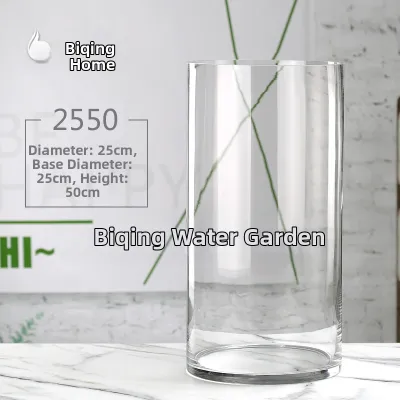
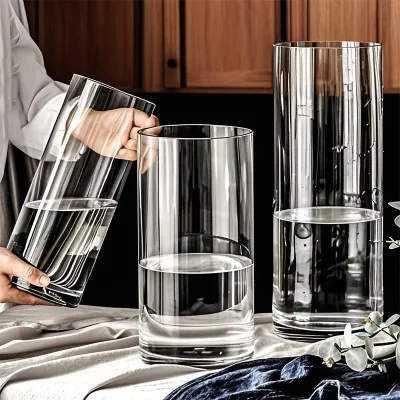
Prices are valid at publication and may change. Please refer to the product page for the latest price.
In a minimalist context, the form and silhouette of the vase take precedence over everything else. A well-designed minimalist vessel uses bold, uncomplicated shapes to anchor a room, acting as a quiet sculptural point when empty and a supportive frame when holding botanical elements. The goal is to complement the surrounding architecture, matching the clean planes of modern shelving, consoles, and tables rather than competing with them.
Material properties play a significant role in how a vase is perceived within a space. High-clarity glass, whether delicate hand-blown borosilicate or substantial soda-lime glass, allows light to pass through uninterrupted, reducing the object’s visual weight. The thickness of the glass also influences this dynamic; ultra-thin glass offers an almost invisible, weightless quality, whereas thick, heavy-walled glass provides a grounded, reassuring presence that catches and bends light along its edges.
Proportion and scale are critical considerations, particularly in compact urban homes where space must be carefully managed. A vase that is too bulky or visually dense can easily overwhelm a narrow entryway console or a floating shelf. Minimalist glassware solves this by utilizing transparency and slender profiles to maintain an open flow of sightlines, ensuring that even larger statement pieces do not make a room feel cramped or disorganized.
4 Glass Vase Silhouettes That Elevate Minimalist Spaces
To help you identify the right design for your home, the table below outlines the four primary minimalist glass vase silhouettes, detailing their ideal pairings, placement, and key limitations.

| Silhouette | Ideal Floral Pairing | Best Room Placement | Key Limitation |
|---|---|---|---|
| Classic Cylinder & Column | Single long-stemmed calla lilies, tulips, or bare branches | Dining table centerpieces, entryway consoles | Can look sterile or clinical if not balanced with organic elements |
| Ribbed & Fluted Textures | Delicate dried grasses, single monstera leaves | Windowsills, sunlit side tables | Distorts stem visibility; requires neat internal arrangement |
| Sculptural & Asymmetrical | Empty as standalone art, or a single dramatic branch | Coffee tables, low open shelving | Demands ample negative space; easily looks cluttered if crowded |
| Smoked & Light-Tinted | Warm pampas grass, white orchids | Monochromatic study desks, vanity tables | Obscures water levels; requires frequent cleaning checks |
The Classic Cylinder and Column
Geometric cylinder and column vases are defined by straight vertical lines and uniform widths from base to rim. This uncompromising geometry provides a sense of order and structural stability, aligning perfectly with the linear architecture of modern minimalist homes. By mimicking the columns found in contemporary building designs, these vases draw the eye upward, creating an illusion of height in rooms with low ceilings.
These vessels excel when displaying highly structured, single-stemmed botanicals such as calla lilies, tall alliums, or elegant tulips. Alternatively, leaving a high-quality, thick-walled column vase completely empty allows it to function as a quiet, architectural object on a sideboard. The simplicity of the form ensures that the focus remains entirely on the natural beauty of the plant or the pure physics of the glass.
However, the strict geometry of a cylinder can sometimes border on the clinical. If your interior already features highly polished concrete, metal, and sharp angles, an unadorned cylinder vase can make the space feel sterile. To counter this, balance the rigid lines of the glass by pairing it with organic, softly drooping floral elements, or choose a column vase with a slightly softened, hand-finished rim.
Ribbed and Fluted Textures
Ribbed and fluted glass vases introduce subtle tactile depth to minimalist spaces without relying on distracting colors or busy patterns. Featuring vertical ridges or delicate grooves molded into the glass, these vessels manipulate natural light as it passes through. Throughout the day, as the angle of the sun shifts, the fluted surfaces cast soft, dynamic linear shadows across nearby surfaces, adding quiet movement to the room.
These textured vases are highly effective when placed near natural light sources, such as deep windowsills or side tables adjacent to balconies. They are also excellent for breaking up the flat, monochromatic expanses of lacquered console tables or matte-finished sideboards. When styled with simple, broad-leafed plants like a single monstera leaf or delicate dried bunny tails, the contrast between the organic foliage and the structured glass ridges creates a sophisticated visual balance.
One potential drawback of heavily ribbed glass is its tendency to distort the view of whatever is placed inside. While this distortion can helpfully obscure messy stem arrangements, it also makes it difficult to assess water clarity at a glance. In warm, humid environments, stagnant water can quickly cloud, meaning you must be diligent about checking and changing the water to prevent unsightly buildup from spoiling the clean aesthetic.
Sculptural and Asymmetrical Forms
Sculptural and asymmetrical glass vases blur the line between functional homeware and fine art. These designs reject traditional symmetrical structures in favor of organic curves, off-center openings, and flowing, liquid-like silhouettes. In a minimalist home, where decorative items are kept to a minimum, a sculptural vase serves as a powerful focal point, proving that a single, well-chosen object can carry the visual interest of an entire room.
These artistic vessels are designed to be displayed empty on prominent surfaces, such as a central coffee table or a dedicated niche in an open shelving unit. If you choose to add botanicals, limit them to a single, highly dramatic structural branch—such as a gnarled quince branch or a curved eucalyptus stem—that echoes the organic flow of the glass. The goal is to celebrate the interaction between the asymmetrical vessel and the negative space surrounding it.
Because sculptural vases possess significant visual personality, they require ample breathing room to be appreciated. Placing an asymmetrical vase in a crowded area, such as a shelf packed with books, candles, and framed photos, will instantly ruin its impact and make the space look disorganized. To maintain a serene environment, ensure the vase is surrounded by plenty of empty space, allowing its unique silhouette to stand out clearly.
Smoked and Light-Tinted Finishes
While completely clear glass is a minimalist staple, smoked and light-tinted finishes offer an excellent way to introduce subtle contrast and warmth to neutral color palettes. Soft amber, smoked charcoal, pale olive green, and delicate tea-toned glass provide a whisper of color without disrupting the calm, understated atmosphere of a minimalist room. These muted tones soften the harsh glare of direct light, casting a warm, atmospheric glow on surrounding surfaces.
Tinted glass vases are particularly effective in monochromatic interiors dominated by whites, greys, or concrete textures, where they introduce a layer of sophisticated depth. They pair beautifully with natural materials, such as warm teak wood furniture, matte black metal hardware, and textured linen textiles. A smoked grey column vase housing a simple dried palm spear, for example, adds an instant touch of refined, contemporary warmth.
Keep in mind that darker or warmer tints can make it difficult to monitor water quality and mineral accumulation. Over time, tap water can leave white limescale rings along the inner waterline of the vase, which are highly visible against smoked or tinted glass. To preserve the crisp, intentional look of your colored glassware, you will need to clean the vessel more frequently than you would a standard clear vase.
How to Style and Display Glass Vases Without Cluttering
Styling glassware in a minimalist home requires a shift in mindset from accumulation to curation. The most critical rule to observe is the preservation of negative space. Negative space—the empty area surrounding an object—is what allows a beautiful design to be fully appreciated. Avoid the temptation to push your glass vases directly against walls or crowd them alongside other decorative objects; instead, let each piece sit comfortably with clear margins on all sides.
When arranging multiple vases, you can choose between two distinct styling philosophies: the “rule of odds” or the single statement piece. Grouping three vases of varying heights and matching tones creates a balanced, visually engaging cluster that works well on large dining tables or deep sideboards. However, for a ultra-minimalist look, opt for a single, oversized statement vase. A solitary, large-scale column or sculptural vase placed in the center of a table carries a commanding, clean presence that multiple smaller items cannot replicate.
Your choice of floral pairings should reflect the same simplicity as the vessel itself. Traditional, dense, multi-colored bouquets introduce too much visual noise and clash with minimalist interiors. Instead, opt for architectural botanicals that emphasize form and line. Consider the following minimalist-approved options:
- Structural Branches: A single, bare branch of cherry blossom, willow, or cotton stems provides dramatic height and natural geometry.
- Single Blooms: A solitary, perfect flower—such as anthurium, protea, or a single long-stemmed rose—creates a clean, poetic focal point.
- Dried Botanicals: Preserved eucalyptus, dried palm spears, or pampas grass offer long-lasting beauty without the need for water, making them highly practical.
Daily maintenance is essential when displaying glass decor. Because glass is reflective and transparent, it instantly exposes dust, fingerprints, water spots, and algae. In warm, humid climates, standing water can turn cloudy and develop a green tint within a couple of days. To maintain the pristine, serene aesthetic of your home, change the water daily, trim decaying stems immediately, and wipe down the exterior of the glass with a soft cloth to remove dust and smudges.
If you are displaying heavy glass vases on elevated surfaces, such as high floating shelves or wall-mounted ledges, safety must be prioritized. Always verify the maximum weight capacity of your shelving before placing heavy-bottomed glass vessels on them, especially when filled with water. Ensure the base of the vase sits entirely on the flat surface of the shelf, away from the edges, to prevent accidental tipping during routine cleaning or dusting.
Design Traps to Avoid in Minimalist Vase Selection
When shopping for glassware, it is easy to be swayed by beautiful designs that ultimately fail to harmonize with a minimalist aesthetic. One of the most common traps is selecting heavily cut crystal, highly faceted glass, or vintage-inspired pressed patterns. While these pieces are undeniably beautiful, their complex surfaces refract light in a chaotic, sparkling manner that introduces unnecessary visual noise, disrupting the clean, calm lines of a modern room.
Another mistake is choosing overly bright, highly saturated, or neon-colored glass. Opaque primary colors or intense neon shades draw too much attention to themselves, breaking the cohesive flow of a neutral color palette. Minimalist color schemes rely on subtle transitions and natural tones; therefore, vibrant or opaque glass should be avoided in favor of transparent, softly tinted, or completely clear glass that allows the background to show through.
Disproportionate sizing is another frequent issue that can ruin the spatial balance of a room. Placing a massive, heavy-bottomed glass vase on a delicate, slim-profile console table creates a top-heavy look that feels unstable and visually aggressive. Conversely, placing a tiny bud vase on a large, eight-seater dining table makes the decor look lost and insignificant. Always match the scale and visual weight of the vase to the furniture it rests upon.
Finally, avoid buying glass vases online without carefully verifying their physical dimensions, base diameter, and dry weight. Product photos can be highly deceptive, often making items appear larger or smaller than they are in reality. Measure your intended display surface beforehand—especially narrow entry ledges or shallow shelves—to ensure the vase’s base fits securely without overhang, preventing both visual awkwardness and physical hazards.
Frequently Asked Questions (FAQ)
Can I use clear glass vases in a minimalist home?
Yes, clear glass vases are a classic staple of modern minimalist design due to their visual lightness and ability to blend seamlessly into any interior background. Because they are completely transparent, they allow light to pass through unobstructed, making them highly suitable for compact rooms where you want to avoid visual crowding.
However, using clear glass requires strict attention to detail, as the transparent material exposes everything inside the vessel. You must keep the water perfectly clean and free of debris, and ensure that the submerged stems are neatly trimmed and arranged. Any decaying leaves, tangled stems, or cloudy water will be instantly visible, which can quickly ruin the crisp, clean aesthetic of your space.
How do I keep glass vases looking clean and streak-free?
To maintain the pristine clarity of your glass vases, regular and careful cleaning is necessary. Wash the inside of the vase with warm water and a few drops of mild dish soap, using a soft bottle brush to reach the bottom. For stubborn mineral deposits or white limescale rings caused by hard tap water, fill the vase with equal parts warm water and white vinegar, let it sit for ten minutes, then rinse thoroughly.
After washing, avoid letting the glass air-dry, as this often leaves unsightly water spots and streaks. Instead, dry the interior and exterior of the vase immediately using a clean, lint-free microfiber cloth. This simple step ensures that the glass retains its high-gloss, streak-free finish, allowing it to catch and reflect light beautifully in your minimalist home.

Community discussion
Share your experience or ask a question. Comments are reviewed before publication.