
Finding the perfect wall pictures with frame in Singapore requires balancing interior aesthetics with the realities of a tropical climate and local residential construction. Selecting high-quality framed art involves evaluating materials that can withstand high humidity, choosing safe glazing options, and understanding how to securely mount frames onto concrete structural walls. By focusing on durable components and matching them to your specific space, you can create a lasting gallery display that enhances your home’s interior design.
How to Choose Quality Framed Wall Pictures
Singapore’s tropical climate, characterized by high relative humidity that frequently exceeds 80 percent, presents a constant challenge for wall decor. Solid hardwoods like oak, teak, or ash offer excellent natural resistance to warping, provided they are properly sealed or treated. In contrast, untreated softwoods or low-grade engineered woods (MDF) can absorb airborne moisture over time, leading to bowing, swelling, and structural failure. For areas with high moisture exposure or minimal air conditioning, lightweight metals such as anodized aluminum provide an impervious, rust-resistant alternative that retains its structural integrity indefinitely.
The protective layer covering your wall art plays a dual role in preservation and safety. Standard float glass offers high optical clarity and scratch resistance at an affordable price, but its weight and fragility make it a risk for large-format frames or high-traffic zones. Shatter-resistant acrylic, or Plexiglass, is significantly lighter and highly durable, making it the preferred choice for oversized installations and homes with children or pets. For valuable prints, limited-edition art, or frames positioned near large windows, UV-filtering glazing panels are essential to block destructive ultraviolet rays that cause colors to fade and paper to yellow.
Products mentioned in this guide


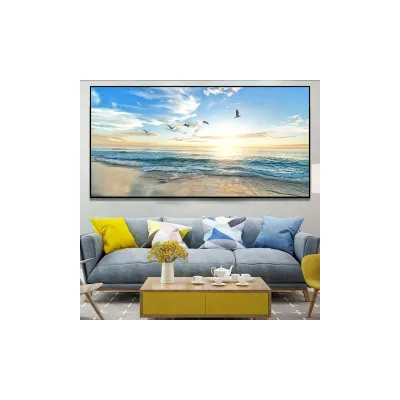

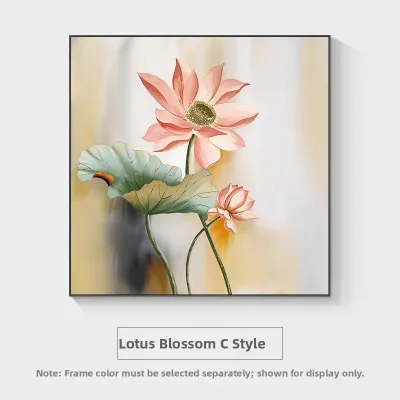
Prices are valid at publication and may change. Please refer to the product page for the latest price.
Secure wall mounting depends heavily on the quality and type of hardware pre-installed on the frame. Heavy-duty D-rings screwed directly into the frame sides offer superior stability and weight distribution compared to simple sawtooth hangers, which are only suitable for lightweight, small-format frames. When using hanging wire, ensure it is rated for at least double the total weight of the frame and glazing, and check that the wire is securely crimped or knotted. Avoid flimsy cardboard hangers or weak plastic clips, which can degrade or bend under sustained tension, risking a costly fall.
The backing board seals the frame assembly and keeps the artwork flat against the glazing. Traditional corrugated cardboard backings are highly susceptible to moisture absorption, which can lead to mold growth, acid transfer, and warping of the print. Opt instead for moisture-resistant backing boards, such as acid-free foam board, coroplast (corrugated plastic), or sealed MDF panels. Ensure the backing is secured with robust metal turn buttons or flexible points that exert even pressure, preventing dust and humid air from entering the frame cavity.
Where to Buy Framed Wall Pictures in Singapore
The retail market for framed wall pictures in Singapore is diverse, spanning global home furnishing chains, curated local lifestyle boutiques, and specialized custom framing workshops. Finding the right source depends on whether you require standard-sized frames for personal photographs, pre-styled art sets to fill a blank wall, or bespoke preservation framing for valuable artwork. Regardless of where you shop, always verify the technical specifications of the frame—such as the exact inner dimensions, the depth of the frame profile, and the type of glazing used—rather than relying solely on product photos or generic size labels.

Minimalist and Functional Retailers
For clean lines, standardized dimensions, and highly functional designs, major home furnishing retailers and Japanese minimalist lifestyle brands are excellent starting points. These stores specialize in mass-produced, uniform frames that make it easy to construct symmetrical gallery walls or clean, modern displays. Their collections typically feature slim profiles in neutral tones like black, white, and natural wood, allowing the artwork itself to remain the focal point of the space.
The primary materials used by these functional retailers include lightweight extruded aluminum, basic solid pine, and medium-density fiberboard (MDF) wrapped in durable laminate veneers. Aluminum frames are particularly popular for their sleek, contemporary appearance and high resistance to tropical humidity, making them a reliable choice for long-term wall display. MDF frames offer an economical alternative but require careful placement away from damp walls or high-condensation areas to prevent the laminate from peeling.
Before purchasing from a minimalist retailer, always confirm the exact inner dimensions of the frame and check whether a mat board (passe-partout) is included. If a mat is included, verify both the opening size and the overall frame size to ensure your print fits precisely without slipping. Additionally, inspect the pre-installed hanging mechanisms; some budget frames only feature basic slide-on clips, which may require upgrading to sturdier D-rings for safe wall mounting.
Lifestyle and Aesthetic Boutiques
If you are seeking unique, decorative, or pre-styled wall art sets, curated lifestyle boutiques located in design-forward districts like Tiong Bahru, Orchard, or online specialty stores offer a more personalized selection. These retailers focus on trendy aesthetics, offering eclectic designs, vintage-inspired frames, and textured finishes that serve as standalone design statements. They often sell coordinated sets of wall pictures with frame, taking the guesswork out of curating a cohesive gallery wall.
These decorative frames frequently utilize heavier materials to achieve intricate details, such as molded resin, carved solid wood, and ornate metallic finishes. While resin allows for highly detailed, vintage-style scrollwork at a reasonable weight, solid wood frames with hand-applied gold or silver leaf finishes offer a premium, classic look. These materials add substantial weight to the overall assembly, which must be factored into your installation plans.
When buying from aesthetic boutiques, it is crucial to assess the total weight of the assembled frame, especially for multi-frame sets designed to hang together. Check whether the retailer includes appropriate wall anchors and screws, as standard nails are rarely sufficient for heavier decorative pieces. Furthermore, verify the quality of the pre-inserted art prints; ensure they are printed on thick, acid-free paper with fade-resistant inks to prevent rapid deterioration in bright rooms.
Custom and Professional Framing Studios
For valuable artwork, family heirlooms, non-standard print sizes, or three-dimensional objects, professional custom framing studios provide the highest level of preservation and personalization. Local framing hubs, such as those found around Bras Basah Complex or specialized studios in the central region, offer bespoke services tailored to your exact specifications. Custom framing allows you to select every component, from the wood species of the frame to the precise color and texture of the matting.
The hallmark of a professional framing studio is the use of conservation-grade materials designed to protect your art for decades. This includes acid-free, alpha-cellulose, or 100% cotton rag mat boards that prevent acid burn and discoloration. They also offer museum-quality glazing, such as anti-reflective glass with up to 99% UV protection, and completely sealed backing systems that isolate the artwork from external humidity and pollutants.
To prepare for a custom framing consultation, measure your artwork’s height, width, and thickness accurately, and bring the piece with you if possible so the framer can examine its condition. Assess the environmental conditions of the room where the frame will hang, noting any exposure to direct sunlight or proximity to air conditioning units. Be prepared to discuss your style preferences, such as whether you prefer a modern float mount, a classic double mat, or a deep shadow box frame.
Frame Materials and Glazing: A Quick Comparison
To help you select the right components for your wall pictures with frame, the tables below compare the most common frame materials and glazing options available in Singapore.
| Frame Material | Durability | Weight | Humidity Resistance | Best Use Case |
|---|---|---|---|---|
| Solid Wood | High | Medium to Heavy | Moderate (requires sealing) | Premium art, classic interiors, living rooms |
| Metal (Aluminum) | Very High | Light | High (rust-resistant) | Modern gallery walls, humid spaces, large prints |
| MDF / Resin | Moderate | Light to Medium | Low to Moderate | Budget-friendly decor, temporary displays, ornate designs |
| Glazing Type | Shatter Resistance | Weight | Optical Clarity | Cost Range |
|---|---|---|---|---|
| Standard Glass | Low | Heavy | High | Budget to Mid-range |
| Acrylic / Plexiglass | High | Light | High (susceptible to scratches) | Mid-range to High |
| UV-Filtering Glass | Low to Moderate | Heavy | Very High (anti-reflective) | Premium |
When finalizing your selection, match the glazing type to the physical size of the frame and its intended mounting height. For large frames (above 50×70 cm) or frames hung high on the wall, prioritize lightweight acrylic to reduce the load on your wall anchors and eliminate the risk of dangerous shattering. For high-value art or rooms flooded with natural light, investing in UV-filtering glass is the most effective way to preserve the vibrant colors of your prints.
Safe Installation Guide for Singapore Homes
Installing framed wall pictures in Singapore requires an understanding of local residential construction. Most HDB flats and modern condominiums feature structural walls made of reinforced concrete or precast concrete panels. These walls are extremely hard and require a rotary hammer drill paired with high-quality masonry drill bits to create holes for plastic wall plugs (anchors). For internal partition walls, which are typically made of gypsum drywall, you must use specialized drywall toggle bolts or self-drilling plastic anchors, as standard concrete plugs will not hold secure.
Before undertaking any drilling or installation, always consult the manufacturer instructions for both the hanging hardware and the wall anchors. If you are mounting frames in damp areas, near electrical wiring, or at significant heights, ensure you isolate the power supply in the target wall zone and use stable, safety-certified ladders. If the manufacturer instructions for your mounting hardware conflict with your wall type, or if you are unsure of the underlying wall material, stop the installation immediately and consult a qualified professional handyman.
To ensure long-term safety, distribute the weight of heavy or oversized frames across multiple mounting points rather than relying on a single hook. Using two D-rings positioned on opposite sides of the frame, hung on two separate, level wall anchors, prevents the frame from tilting and reduces the stress exerted on each individual anchor. For complex gallery wall arrangements, map out the layout using paper templates taped to the wall first, verifying that no mounting points align with hidden utility pipes or electrical conduits.
Environmental management is also key to preserving your wall decor. Avoid hanging framed pictures in direct sunlight, as localized heat buildup behind the glazing can trap moisture and cause the paper to buckle or mold to grow. Keep frames away from direct air conditioning drafts, which cause rapid temperature fluctuations that can warp wood frames and loosen adhesive backings. For high-moisture environments like kitchens or bathrooms, opt exclusively for moisture-resistant metal frames with acrylic glazing, ensuring there is a small air gap behind the frame to prevent condensation buildup.
Frequently Asked Questions (FAQ)
This section addresses common questions about maintaining, installing, and protecting framed wall pictures in Singapore’s unique tropical environment.
How do I prevent my photo frames from warping in high humidity?
To protect your frames from tropical humidity, always use small rubber or felt bumpers on the bottom corners of the frame backing. These bumpers create a thin gap between the frame and the wall, allowing air to circulate freely and preventing moisture from getting trapped against the backing board. Additionally, ensure your prints are mounted with archival-grade spacers or mats so the paper does not touch the glazing directly, which prevents condensation from transferring to the artwork. Avoid hanging frames on damp, freshly painted, or exterior-facing concrete walls that tend to retain moisture.
Can I use adhesive strips for heavy framed wall pictures?
Adhesive strips should only be used for lightweight frames and must strictly adhere to the manufacturer’s specified weight limits and surface requirements. In Singapore’s humid climate, the adhesive backing on these strips can degrade over time, especially when applied to textured walls, matte paint, or walls prone to condensation. For heavy, oversized, or valuable framed wall pictures, mechanical anchors—such as plastic wall plugs and screws drilled into concrete—are highly recommended to prevent accidental falls. Always clean the wall surface thoroughly and allow it to dry completely before applying any adhesive solutions.
What is the standard height to hang wall pictures in a living room?
The standard interior design guideline is to hang wall pictures so that the center of the artwork sits at eye level, which is approximately 145 to 150 centimeters from the floor. If you are hanging a framed picture above a piece of furniture, such as a sofa, console table, or sideboard, position the bottom of the frame 15 to 20 centimeters above the top of the furniture. This spacing ensures the artwork feels visually connected to the furniture piece rather than floating isolated on the wall, while maintaining a balanced proportion within the room.

Community discussion
Share your experience or ask a question. Comments are reviewed before publication.