
Building a gallery wall is an exceptional way to personalize your living space, whether you want to display family portraits, fine art prints, or travel photography. However, achieving a polished, cohesive look requires selecting the right photo frames that harmonize with your interior design and withstand the local climate. The best frame options in Singapore range from accessible, minimalist retail brands like IKEA and MUJI to eclectic lifestyle boutiques and specialized local custom framing studios. The ideal choice depends on your budget, print sizes, and whether you require archival preservation to protect your artwork from Singapore’s high humidity.
To help you navigate these choices, this guide breaks down how to evaluate photo frames for a gallery wall, details the best retail and custom options available locally, and provides practical installation advice for Singapore’s distinct wall types.
How to Choose Photo Frames for a Cohesive Gallery Wall
Selecting the right photo frames involves balancing aesthetics, structural integrity, and protection for your prints. Before purchasing frames, it is essential to establish a clear design direction and understand how different framing components interact to create a unified display.
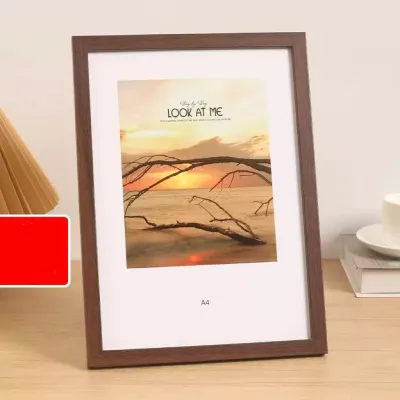
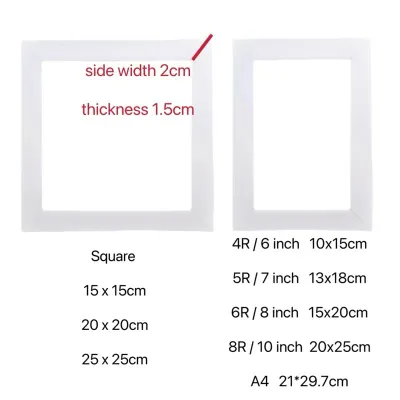
Products mentioned in this guide
![[SG Stock] Wooden Picture Frame Wooden Photo Frame- Wall Art Poster Painting Hanging Stand Table Decor A3 A4 4R 5R](https://img.lazcdn.com/g/p/7e82d3ea8ef383b11bfd2b9f17d6a169.jpg_400x400q80.jpg_.webp)

![[SG Stock]4R/5R/6R/A4 Wooden Photo Frame Picture Frame Wood White Black Simple Picture Frame Birthday Gift present Christmas gift](https://img.lazcdn.com/g/p/90c8cf15b9d834f250e5f719c443c585.jpg_400x400q80.jpg_.webp)
Prices are valid at publication and may change. Please refer to the product page for the latest price.
Style and Finish Consistency
When planning a gallery wall, you must decide between a uniform grid layout and an eclectic, salon-style arrangement. A uniform layout relies on matching frames of the exact same size, color, and profile, which creates a clean, symmetrical, and modern aesthetic. This style works best with black, white, or thin aluminum frames spaced evenly in a grid.
Conversely, an eclectic layout allows you to mix different frame sizes, textures, and materials for a curated, collected-over-time appearance. To prevent an eclectic wall from looking chaotic, you should establish at least one unifying element. This could be a consistent color palette (such as mixing natural oak, walnut, and warm brass frames) or using identical white mat boards across all mismatched frames to tie the collection together.
Sizing and Proportion
Creating visual hierarchy is key to a successful gallery wall. A well-balanced display typically features one or two larger focal pieces supported by several medium and smaller frames. When browsing frame brands, look for those that offer a comprehensive range of standard sizes, such as A4, A3, A2, and square formats like 30x30cm or 50x50cm.
Using a brand with consistent sizing standards ensures that if you need to expand your gallery wall in the future, you can easily source matching frames. It also simplifies the printing process, as most local photo labs print in these standard dimensions, reducing the need for manual trimming or custom-ordered prints.
Matting Options
A mat board—the cardboard border surrounding the artwork inside the frame—serves both an aesthetic and a protective function. Aesthetically, a wide white or off-white mat board provides visual breathing room, drawing the eye toward the print and instantly elevating a simple photograph into a gallery-worthy piece.
From a preservation standpoint, the mat board creates a crucial gap between the artwork and the frame’s glazing. In Singapore’s humid tropical climate, placing a print directly against glass or plastic can lead to condensation buildup. Over time, the moisture can cause the paper to stick to the glazing, resulting in permanent damage, mold growth, or “foxing” (brown spots on paper). Opting for frames with pre-cut, acid-free mats is a cost-effective way to protect your prints, while high-value art should always be paired with custom, archival-grade matting.
Glazing and Weight
Glazing refers to the protective front cover of the frame, which is typically made of either glass or acrylic (often listed as polystyrene or plexiglass). Each material has distinct trade-offs that impact the overall weight and hanging requirements of your gallery wall.
Acrylic glazing is lightweight, highly shatter-resistant, and safer for homes with children or pets. Because it is light, acrylic-fronted frames place less stress on your wall fasteners, making them the preferred choice for large-format frames (A2 and larger) or expansive gallery walls. However, acrylic is prone to static electricity, which attracts dust, and can scratch easily during cleaning.
Traditional glass glazing offers superior scratch resistance and exceptional optical clarity, and it does not attract dust. However, glass is significantly heavier and fragile. If a glass frame falls, it can shatter, potentially ruining the artwork underneath and causing injury. Large glass frames require robust, heavy-duty wall anchors and sturdy frame joinery to support the weight safely.
Photo Frame Brand Categories Available in Singapore
Singapore offers a diverse retail landscape for sourcing photo frames, ranging from affordable mass-market options to high-end bespoke framing services. Understanding what each category offers helps you match your framing choices to your budget and design goals.

Minimalist and Budget-Friendly Retailers
For structured grid layouts or large-scale gallery walls on a budget, mass-market retailers provide highly accessible, clean-lined, and cost-effective framing solutions.
IKEA is a primary source for budget-friendly frames in Singapore. Popular product lines like the Ribba series offer classic, deep-profile fiberboard frames with included mat boards, while the Lomviken series features sleek, thin-profile aluminum frames. Most budget-friendly options from these lines utilize lightweight polystyrene plastic glazing rather than glass, making them easy to hang. MUJI is another excellent option, known for its ultra-minimalist acrylic bezel-less frames and simple, high-quality oak or ash wood frames that complement Scandinavian or Japanese-inspired interiors.
These brands are ideal for modern, minimalist gallery walls because their simple designs do not distract from the artwork. Their highly standardized sizing makes it straightforward to plan precise grid layouts, and replacement frames are easy to purchase if you decide to expand your display.
However, budget frames have notable limitations. They are primarily constructed from medium-density fiberboard (MDF) or thin plastics. In Singapore’s humid climate, MDF can absorb ambient moisture over time, leading to swelling, warping, or sagging, especially in poorly ventilated rooms. Additionally, retail stock levels can fluctuate, so it is wise to verify in-store or online availability before committing to a large layout that requires multiple identical frames.
Eclectic and Decorative Lifestyle Brands
If you prefer an organic, bohemian, or vintage-style gallery wall, lifestyle boutiques and home decor stores offer frames with unique textures, rich colors, and ornate details.
Brands like Typo, along with various independent home decor boutiques in design-centric neighborhoods like Tiong Bahru or Haji Lane, frequently stock trend-driven frames. These collections often feature materials such as brass, carved mango wood, colored resin, bone inlay, or distressed finishes. Mixing these decorative frames with simple wooden frames creates a highly personalized, curated aesthetic that looks like it was assembled over many years.
These decorative frames are perfect for framing small, standout pieces, such as vintage postcards, botanical illustrations, or sentimental polaroids. They add texture and depth to your gallery wall, breaking up the monotony of flat, modern frames.
Before purchasing decorative frames, always inspect the rear construction. Many lifestyle frames are designed primarily for tabletop display and may lack sturdy hanging brackets or D-rings. Furthermore, these frames often feature non-standard inner dimensions, meaning you may need to custom-crop your photos or order bespoke prints to fit the openings. Ensure you check the frame depth as well; highly dimensional or irregular frames may not sit flush against the wall, complicating your hanging layout.
Custom and Bespoke Framing Services
For high-value artworks, original paintings, non-standard print sizes, or heirloom photographs, investing in professional custom framing services is highly recommended.
Singapore is home to numerous reputable custom framing studios, particularly concentrated in areas like Bras Basah Complex, Queen Street, and specialized art framing workshops across the island. These professional framers construct frames to your exact specifications, offering an extensive selection of high-quality wood mouldings, metal profiles, and specialized glazing options.
Custom framing is essential for preserving valuable paper-based art in Singapore’s tropical environment. Professional studios utilize archival-quality, acid-free alpha-cellulose or cotton rag mat boards that do not yellow or damage paper over time. They also offer UV-protective glazing (both glass and acrylic) that filters out up to 99% of harmful ultraviolet rays, preventing your prints from fading when exposed to bright, natural tropical light. Furthermore, custom frames are sealed at the back with moisture-resistant backing boards and professional framing tape, creating a barrier against humidity, dust, and insects.
When commissioning custom framing, discuss your material preferences directly with the framer. Inquire whether they use solid hardwoods (such as oak, ash, or teak) or wrapped MDF veneers, as solid wood offers superior structural integrity and resistance to warping. Request a detailed breakdown of the glazing options, especially if your gallery wall will face a window with direct sunlight. While custom framing requires a higher initial investment and typical lead times of one to three weeks, it ensures your statement pieces are safely preserved and beautifully presented.
Planning and Hanging Your Gallery Wall Safely
Once you have selected your frames, the final step is planning the layout and mounting them securely. Proper preparation prevents unnecessary damage to your walls and ensures your frames remain safely anchored over time.
Layout Planning
Never start hammering nails or drilling holes without a finalized plan. The most reliable way to design your layout is to create paper templates of each frame. Trace the outline of each frame onto brown kraft paper or newspaper, cut them out, and label them with the corresponding image.
Use painter’s tape (which does not damage wall paint) to arrange these paper templates on your wall. This allows you to step back, evaluate the spacing, adjust the heights, and finalize the composition. Once you are satisfied with the arrangement, mark the exact suspension point of each frame’s hanging hardware directly onto the paper templates before drilling or installing hooks.
Wall Assessment and Hardware
Selecting the correct mounting hardware depends entirely on the construction of your walls. In Singapore, residential properties feature distinct wall types that require different installation methods:
- Solid Concrete Walls: Most Housing & Development Board (HDB) flats and private condominiums feature structural reinforced concrete walls or precast concrete internal partition walls. These walls are extremely hard and cannot be penetrated with standard nails or hand screwdrivers. To hang frames securely, you must use a rotary hammer drill equipped with a masonry drill bit to drill a hole, insert a plastic wall plug (rawlplug), and drive in a metal screw. For lightweight frames, heavy-duty concrete picture hooks with hardened steel pins can be tapped in with a hammer, though screws remain the most secure option.
- Drywall Partition Walls: Newer condominiums and office spaces often utilize gypsum drywall partitions for non-structural internal walls. Drywall is soft and cannot support heavy loads with simple nails. For lightweight frames, specialized drywall hooks can be used. For medium to heavy frames, you must use hollow-wall anchors, such as self-drilling plasterboard anchors or heavy-duty toggle bolts, which expand behind the drywall to distribute the weight safely. Whenever possible, locate the wooden or metal wall studs behind the drywall and screw directly into them for maximum stability.
Weight Management
While adhesive hanging strips (such as Command strips) are popular for renter-friendly installations, they must be used with extreme caution. Singapore’s high humidity and warm temperatures can degrade the adhesive backing over time, causing it to lose its grip and leading to frames falling unexpectedly.
As a general rule, avoid using adhesive strips for any frame that is large (A3 or bigger), heavy, features traditional glass glazing, or is hung in high-traffic zones. For these pieces, rely exclusively on mechanical fasteners like screws and wall plugs. Always check the weight capacity of your selected hooks or anchors and ensure they exceed the combined weight of your frame, glazing, and backing.
Safety Boundaries
Installing a large, complex, or high-elevation gallery wall carries inherent risks. When drilling into walls, there is always a danger of striking hidden electrical conduits or water pipes. Always use a reliable digital wall scanner to check for hidden utilities before drilling.
For oversized frames, exceptionally heavy items, or complex installations that require working at height (such as along a high-ceiling staircase), do not attempt a DIY installation. Instead, engage a qualified professional handyman or professional art installer. They possess the specialized tools, heavy-duty fasteners, and structural expertise required to ensure your gallery wall remains permanently and safely secured, protecting both your investment and your household.
Frequently Asked Questions (FAQ)
How do I mix different frame styles without making the wall look messy?
To mix frame styles successfully, establish a clear visual anchor by keeping at least one design element consistent. For example, you can use frames of different materials and sizes but use identical, wide white mat boards for all prints. Alternatively, limit your color palette to two or three complementary finishes, such as natural oak, matte black, and warm brass, and distribute the visual weight evenly across the layout. Placing larger, darker frames near the bottom or center of the arrangement prevents the display from feeling top-heavy or cluttered.
Are acrylic or glass fronts better for large gallery walls?
For large-scale gallery walls, acrylic (polystyrene) glazing is generally the superior choice. Acrylic is significantly lighter than glass, which reduces the overall load on your wall anchors and makes the installation process much safer and easier. It is also shatterproof, making it ideal for high-traffic areas. However, if optical clarity and scratch resistance are your highest priorities, traditional glass is preferred, provided you use robust, heavy-duty mechanical wall anchors to support the substantial extra weight.
Can I hang heavy photo frames on standard drywall partitions?
Yes, but you must use the appropriate hardware. Standard drywall cannot support heavy frames using simple nails or screws driven directly into the plasterboard. For heavy frames, you must use specialized drywall anchors, such as metal toggle bolts or heavy-duty threaded anchors, which expand behind the board to distribute the weight. For maximum security, use a stud finder to locate the structural timber or metal studs behind the drywall and screw directly into them.

Community discussion
Share your experience or ask a question. Comments are reviewed before publication.