
A rotating floor mirror offers a highly efficient, dual-purpose solution for maximizing both light and space in compact Singapore homes. By combining a full-length reflective surface with a 360-degree swivel mechanism, these versatile pieces allow you to redirect natural light, create instant depth, and often access hidden storage without sacrificing precious square footage. In tight HDB flats and modern condominiums where wall space is limited, a freestanding rotating mirror serves as a flexible design tool that adapts to your changing layout needs.
How a Rotating Floor Mirror Expands Small Living Spaces
Compact residential layouts in Singapore often suffer from deep, narrow floor plans that limit the penetration of natural light. A rotating floor mirror addresses this challenge by acting as an active light distributor. Unlike static mirrors, the 360-degree swivel allows you to adjust the angle of the glass throughout the day, catching sunlight as it shifts from morning to afternoon and bouncing it deep into darker corners. This dynamic redirection of light instantly brightens the room, making the entire living area feel more open and airy.
Freestanding rotating mirrors offer a distinct advantage over fixed, wall-mounted alternatives in tight spaces. Wall-mounted mirrors require permanent installation, which can be problematic for renters or those with limited load-bearing wall space due to built-in cabinetry. A freestanding swivel mirror requires no drilling and can be easily repositioned as your furniture layout evolves. This mobility ensures that you can continuously optimize your room’s flow and light reflection without damaging your walls.
Products mentioned in this guide


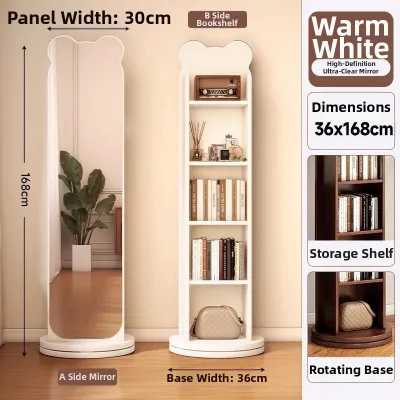

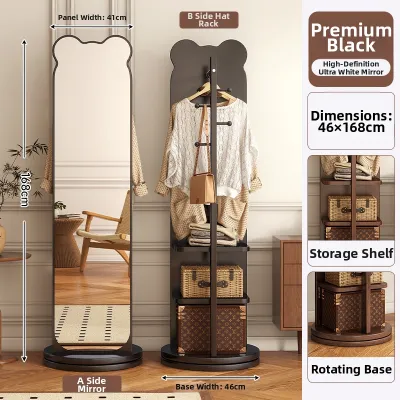
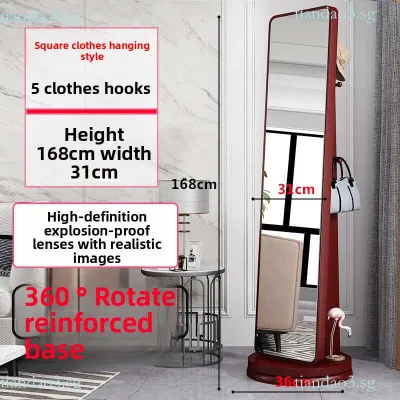
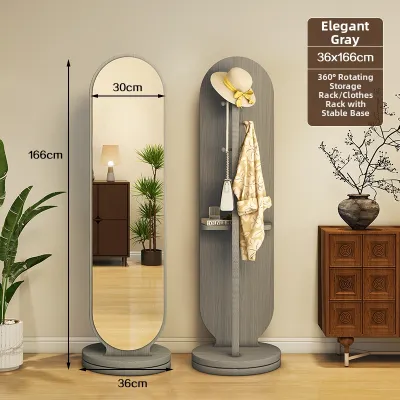

Prices are valid at publication and may change. Please refer to the product page for the latest price.
From a psychological perspective, mirrors are highly effective tools for creating the illusion of depth. When placed strategically in narrow corridors or small living rooms, a rotating mirror extends the sightline, making a wall appear as though it opens into another room. By rotating the mirror to reflect an open window or an adjacent tidy space, you break up the visual boundary of flat walls. This simple adjustment tricks the brain into perceiving a larger, more complex environment, effectively reducing the claustrophobic feel of compact urban apartments.
Key Features to Evaluate Before Buying
Selecting the right rotating floor mirror requires balancing aesthetic preferences with structural realities. Because these mirrors are designed to move, their physical specifications directly impact their safety and performance in your home.

Base Footprint vs. Stability The design of the mirror’s base presents a direct trade-off between floor space consumption and physical stability. A small, compact base minimizes the physical footprint, leaving more usable floor space in tight entryways or bedrooms. However, a lighter or narrower base increases the risk of tipping, especially when the mirror is rotated quickly or bumped. In households with active pets or young children, prioritizing a heavy, weighted base is essential. Look for bases constructed with solid steel plates or weighted engineered wood to ensure the center of gravity remains low and stable during rotation.
Frame Materials and Humidity Resistance Singapore’s tropical climate features consistently high relative humidity, which can accelerate the deterioration of poorly treated materials. When evaluating frames, opt for materials specifically treated to resist moisture. Powder-coated metal frames offer excellent resistance to rust and corrosion, making them highly durable options for local homes. If you prefer the warmth of wood, ensure the frame is made from treated solid wood or high-quality medium-density fiberboard (MDF) sealed with a moisture-resistant lacquer. Untreated wood or low-grade laminates can warp, swell, or develop mold when exposed to humid air over time.
Rotation Mechanism and Tension Control The longevity of a rotating mirror depends heavily on the quality of its swivel joint. A high-quality rotation mechanism should operate smoothly without squeaking, grinding, or sticking. Ideally, the swivel joint should feature adjustable tension control. This allows you to tighten or loosen the rotation resistance, ensuring the mirror remains securely at your desired angle rather than spinning freely with a slight breeze or accidental touch. Verify the construction of the central rotation pole, looking for steel or reinforced alloy components rather than thin plastic sleeves.
| Base Type | Floor Space Required | Stability Level | Aesthetic Style |
|---|---|---|---|
| Weighted Circular Base | Minimal (typically 30–40 cm diameter) | High (low center of gravity) | Modern, minimalist, clean lines |
| Flat Rectangular Base | Moderate (requires wider depth) | Very High (broad support footprint) | Industrial, contemporary, structured |
| Rotating Pedestal Base | High (often incorporates storage drawers) | High (heavy bottom-heavy design) | Classic, transitional, functional |
Top Rotating Mirror Styles for Compact Layouts
Different rotating mirror designs serve distinct functional and aesthetic purposes. Understanding these styles helps you choose a model that aligns with your specific spatial constraints and storage needs.
Double-Sided Mirrors with Built-In Storage
For bedrooms and entryways where floor space is at a premium, double-sided rotating mirrors with integrated storage offer exceptional utility. These multi-functional pieces typically feature a full-length mirror on one side and a series of shelves, jewelry hooks, or hanging rods on the reverse. By consolidating your dressing mirror, accessory storage, and coat rack into a single rotating unit, you eliminate the need for separate, bulky dressers or wardrobe extensions.
However, the addition of storage introduces unique weight distribution challenges. When the storage compartments are fully loaded with heavy bags, coats, or accessories, the center of gravity shifts. To prevent the unit from tipping when rotated, you must ensure the base is sufficiently wide and heavy. Look for models that specify a maximum weight capacity for the storage shelves and distribute your items evenly, placing heavier objects near the bottom to maintain stability.
A notable trade-off of this style is its visual bulkiness. Because these units must accommodate storage depth, the frame is significantly thicker than a standard mirror. In extremely narrow hallways, this added depth can feel visually heavy and physically obstructive. It is best suited for corners or recessed areas where the side profile is partially concealed.
Slim-Profile Metal-Frame Mirrors
If your goal is to maintain a clean, minimalist aesthetic that minimizes visual clutter, a slim-profile metal-frame rotating mirror is an ideal choice. These designs feature ultra-thin borders, often measuring less than two centimeters, which maximizes the reflective glass surface area. The sleek, understated frame allows the mirror to blend seamlessly into modern living rooms, dining areas, or narrow corridors without overwhelming the surrounding decor.
When shopping for metal-framed options, always verify the anti-corrosion coating via the manufacturer’s product specifications or care labels. Unprotected iron or low-grade steel frames can develop unsightly rust spots in Singapore’s humid environment. Look for powder-coated steel, aluminum alloys, or brass-plated finishes that explicitly state rust resistance.
Another practical benefit of slim metal frames is their lighter overall weight. While the base remains weighted for stability, the upper frame is relatively light. This makes the mirror much easier to lift and reposition when you are vacuuming, mopping, or rearranging your living space.
Arched and Curved Rotating Mirrors
Modern interior design often utilizes curved lines to soften the sharp angles and boxy layouts common in standard HDB flats. Arched or curved rotating mirrors introduce organic shapes that break up the monotony of rectangular walls and doors. The curved top of an arched mirror draws the eye upward, creating a vertical line that enhances the perception of ceiling height and makes the room feel loftier.
When placing an arched rotating mirror, you must pay close attention to the clearance required for its 360-degree swing. Because the top is curved, the widest point of the mirror may rotate differently than a standard rectangular frame. Ensure there is adequate clearance from adjacent walls, floating shelves, or hanging light fixtures to prevent accidental collisions during rotation.
Additionally, keep in mind that curved glass and specialized frames require careful handling. During delivery and assembly, ensure the mirror is transported in protective, custom-fit packaging. When cleaning, avoid applying excessive pressure to the curved joints, as these areas can be more sensitive to structural stress than straight-edged frames.
Placement Strategies to Maximize Natural Light and Depth
To fully unlock the spatial benefits of a rotating floor mirror, strategic placement is key. Simply placing the mirror in a corner is not enough; you must position it to actively interact with your room’s light sources and layout.
Begin by identifying the primary light sources in your room, such as a main living room window or a bright balcony sliding door. Position the rotating mirror at an angle where it can capture this incoming light. By adjusting the swivel, you can direct the reflected light into darker zones of the room, such as a recessed dining nook or a dim entryway. This simple adjustment instantly balances the illumination of the space, making the entire room feel larger and more cohesive.
While maximizing light is important, you must also be mindful of what the mirror reflects. Avoid placing the mirror directly opposite highly cluttered areas, utility zones, or open kitchen spaces, as reflecting these areas will visually double the clutter and make the room feel chaotic. Instead, aim to reflect clean, open spaces, indoor plants, or minimalist wall art. Furthermore, ensure the mirror is not angled to bounce direct, harsh sunlight or bright overhead light fixtures directly into your primary seating zones, which can cause uncomfortable glare.
Before finalizing the placement, measure the full 360-degree clearance radius of the mirror. Mark the circular path of the mirror’s outer edges on your floor using painter’s tape. This physical check ensures that the mirror can rotate freely without striking nearby furniture, door frames, or passing foot traffic, preserving both the mirror and your home’s flow.
Safety and Fit Checklist for Apartment Buyers
Before purchasing a rotating floor mirror, complete a thorough safety and fit assessment to ensure the item can be safely delivered, installed, and used in your apartment.
Delivery Constraints and Access Points Oversized floor mirrors can be challenging to transport through standard apartment access points. Before placing your order, measure the height and width of your building’s elevator doors, the clearance of narrow HDB corridors, and your apartment’s main entryway. Many rotating mirrors are delivered fully assembled or in large, rigid flat packs that may not fit around tight corridor corners or inside compact lifts. Confirm these dimensions with the retailer to avoid delivery failures or additional handling fees.
Anti-Tip Verification and Floor Grip Because a rotating mirror is designed to spin, it experiences lateral forces that static mirrors do not. Check the product description or manufacturer specifications for built-in safety features. High-quality models often include weighted bases with non-slip rubber or silicone pads on the underside. These pads prevent the base from sliding on smooth flooring tiles or polished vinyl during rotation. If you have uneven floors, look for models with adjustable leveling feet to ensure the unit remains perfectly vertical.
Joint Durability and Maintenance The central rotation pole and swivel joints bear the physical stress of daily use. Over time, lower-quality joints can develop squeaks, become stiff, or loosen, causing the mirror to tilt unevenly. Review the product specifications for materials used in the swivel mechanism, prioritizing brass, stainless steel, or heavy-duty nylon bushings. To maintain smooth operation, plan to periodically inspect the joint and tighten any connecting screws or bolts according to the manufacturer’s care instructions.
Frequently Asked Questions (FAQ)
Can a rotating floor mirror withstand high humidity?
While the glass surface of a high-quality mirror is naturally resistant to moisture, the backing seal and the frame materials require specific protection in humid climates. To prevent desilvering—the dark spots that appear on mirror edges when moisture penetrates the backing—ensure the mirror features a sealed backing. Avoid placing the mirror in directly wet or poorly ventilated zones, such as bathrooms or open balconies. For daily maintenance, wipe the frame and glass with a dry, soft microfiber cloth, and follow the manufacturer’s care instructions regarding cleaning agents.
How much floor space does a standard rotating mirror base require?
A standard rotating floor mirror base typically requires a physical footprint of 30 to 45 centimeters in diameter. However, the actual floor space required for safe operation is larger than the base itself. You must calculate the clearance radius, which is determined by the width of the mirror frame as it rotates. To prevent the mirror from hitting surrounding walls or furniture, allow for a clear circular zone with a diameter of at least 50 to 60 centimeters, centering the base within this space to ensure unobstructed 360-degree rotation.

Community discussion
Share your experience or ask a question. Comments are reviewed before publication.