
Finding the ideal outdoor lighting solution for a home in Singapore requires balancing energy efficiency, ease of installation, and durability against a demanding tropical climate. Solar-powered outdoor wall lights equipped with motion sensors have emerged as a highly practical choice for local homeowners. These fixtures harness abundant daylight, eliminate complex electrical wiring, and provide on-demand illumination for security and convenience. However, selecting the right model involves understanding how different designs perform under local architectural constraints and weather patterns.
To make an informed purchase, homeowners must evaluate key technical specifications such as ingress protection (IP) ratings, solar panel conversion rates, battery chemistry, and sensor capabilities. Whether you reside in a high-density Housing & Development Board (HDB) flat, a private condominium, or a landed estate, the optimal lighting setup will vary. This guide details the essential factors to consider, recommends specific light configurations for different housing types, and outlines best practices for installation and maintenance in a tropical environment.
Why Solar Motion Sensor Lights Suit Singapore Homes
One of the most compelling advantages of solar-powered motion sensor lights is their completely wire-free installation. Traditional outdoor lighting retrofits often require extensive hacking of concrete walls, laying of external conduits, and hiring licensed electrical workers to connect the fixtures to the mains power grid. Solar wall lights bypass these hurdles entirely, allowing homeowners to mount them quickly using basic tools or non-invasive adhesives. This ease of installation is particularly beneficial for older properties or rental units where permanent modifications are restricted.
Products mentioned in this guide
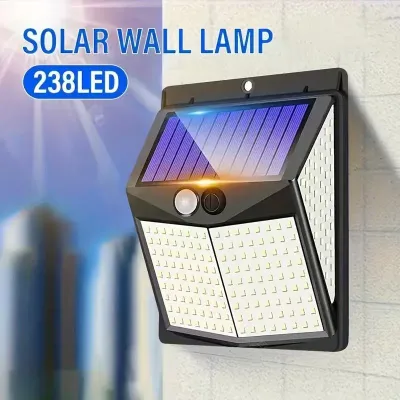
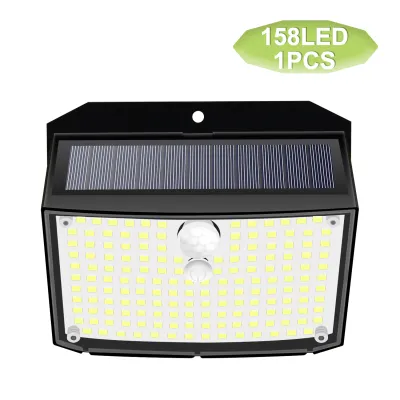
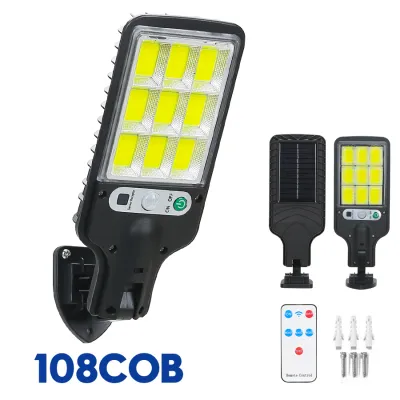
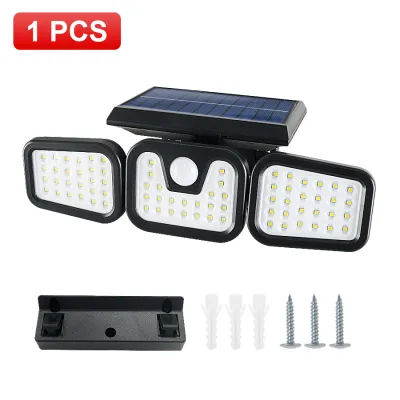
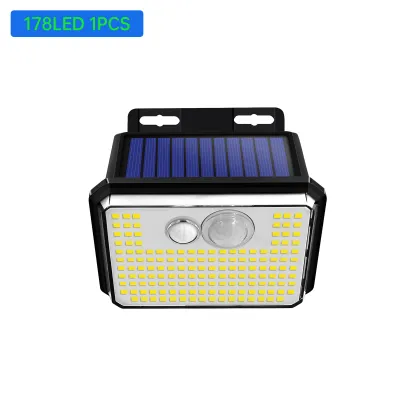
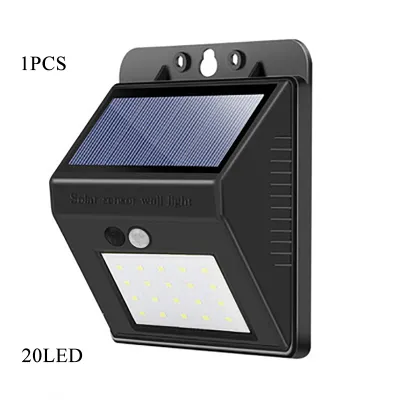
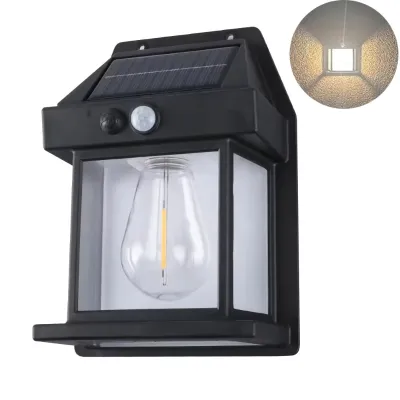
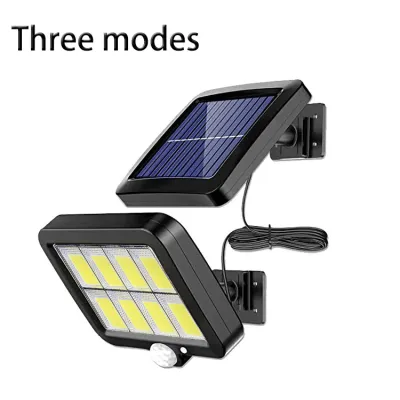
Prices are valid at publication and may change. Please refer to the product page for the latest price.
Energy efficiency is another critical driver for adopting solar lighting in Singapore. With household electricity tariffs fluctuating, transitioning exterior security and pathway lighting to solar power offers a direct way to curb utility consumption. Because these lights rely entirely on renewable energy harvested during the day, they operate at zero ongoing cost to the homeowner. This aligns perfectly with national sustainability efforts and green building initiatives aimed at reducing residential carbon footprints.
The integration of passive infrared motion sensors adds a layer of security and convenience that continuous-use lights cannot match. Instead of burning electricity throughout the night, motion-activated lights remain in a standby or low-power state, illuminating fully only when someone approaches. This sudden burst of light is highly effective at deterring potential intruders, opportunists, or pests around dark perimeter walls and entryways. Furthermore, it provides safe, hands-free navigation along pathways, driveways, and corridors when returning home after dark.
Key Features to Evaluate Before Buying
Weather Resistance: Singapore’s climate is characterized by high relative humidity, intense solar radiation, and sudden, torrential downpours during the monsoon seasons. To survive these harsh outdoor conditions, a solar wall light must possess a robust Ingress Protection (IP) rating. For outdoor wall lights, a minimum rating of IP65 is highly recommended, meaning the fixture is completely dust-tight and protected against low-pressure water jets from any angle. For highly exposed areas like perimeter walls or uncovered driveways, opting for IP66 or IP67 ratings provides superior long-term defense against water ingress and internal corrosion.

Solar Panel Efficiency: The performance of any solar light depends heavily on the efficiency of its photovoltaic panel. Most consumer-grade solar lights utilize either monocrystalline or polycrystalline silicon panels. Monocrystalline panels are made from a single crystal structure, allowing electrons more room to flow and achieving higher energy conversion efficiencies, typically between 17% and 22%. Polycrystalline panels, recognizable by their speckled blue appearance, are less expensive but less efficient, usually converting only 13% to 16% of sunlight into electricity. Given Singapore’s frequent cloud cover and urban shading from high-rise buildings, investing in monocrystalline panels ensures the battery can charge effectively even during overcast days.
Sensor Range and Angle: The motion sensor is the brain of your security light, and its coverage must match your physical space. Most solar wall lights utilize Passive Infrared (PIR) sensors, which detect changes in heat signatures within their field of view. When evaluating PIR sensors, pay close attention to both the detection range (measured in meters) and the detection angle (measured in degrees). A standard sensor typically covers a 120-degree arc up to a distance of 5 to 8 meters, which is sufficient for small balconies or narrow corridors. For wider spaces like driveways or front gates, look for advanced sensors offering a 180-degree or even 270-degree detection angle and a range of up to 10 to 12 meters to ensure early activation.
Battery Capacity and Type: The capacity and chemistry of the internal rechargeable battery dictate how long the light can operate after a day of charging. Modern solar lights generally use either Lithium-Ion (Li-ion) or Lithium Iron Phosphate (LiFePO4) batteries. LiFePO4 batteries are highly superior for tropical environments due to their exceptional thermal stability, lower risk of thermal runaway (overheating), and significantly longer lifespan—often lasting over 2,000 charge cycles compared to the 300 to 500 cycles of standard Li-ion batteries. Ensure the battery capacity, measured in milliampere-hours (mAh), is well-proportioned to the light’s power draw; a capacity of 1,200mAh to 2,200mAh is standard for reliable overnight performance.
Electrical Safety & Certifications: Although solar lights operate on low-voltage direct current (DC) and are inherently safer than high-voltage AC fixtures, build quality still matters. Look for products that carry recognized international certifications such as CE, RoHS, or FCC. These certifications ensure that the internal charge controllers, wiring, and battery management systems have been tested to prevent overcharging, over-discharging, and short-circuiting. Avoid unbranded, extremely cheap alternatives that lack these safety standards, as poor battery management in high-temperature outdoor settings can lead to premature failure or safety hazards.
Recommended Light Types by Housing Category
HDB Corridors and Shared Walkways
Lumen Output and Glare Control: Living in a high-density HDB estate requires a thoughtful approach to outdoor lighting that respects communal spaces and complies with local regulations. Common corridors are shared public pathways, meaning any installed light must not cause a nuisance to neighbors living opposite or adjacent to your unit. High-intensity floodlights are highly inappropriate for this setting as they cause intense glare and light pollution. Instead, opt for compact, low-profile solar wall lights that deliver a modest brightness of 100 to 300 lumens. This output is sufficient to illuminate your immediate doorway and keyhole without spilling harsh light into neighboring windows. Choose fixtures with warm white (2700K to 3000K) or neutral white (4000K) color temperatures, which create a soft, welcoming glow rather than the stark, clinical feel of cool white (6000K) LEDs.
Sensor Configuration: The sensor configuration should feature a wide-angle but short-range PIR sensor. This ensures the light activates immediately as you or a visitor approach your door, but does not trigger constantly from residents walking along the main corridor or using the lift lobby further away.
Regulatory Compliance: Be mindful of Town Council guidelines; drilling into structural common walls is generally prohibited. Lightweight, wedge-shaped solar corridor wall lights with integrated front-facing panels and downward-angled LEDs are highly preferred, as they can be mounted securely using non-permanent methods.
Condominium Balconies and Private Patios
Aesthetic Design: Private condominium balconies and patios serve as extensions of the indoor living space, requiring lighting that balances aesthetic appeal with functional performance. Sleek finishes such as brushed aluminum, matte black, or high-quality textured polycarbonates complement modern condominium architecture beautifully.
Panel Adjustability: Because these spaces are often partially shaded by upper balconies or building overhangs, standard all-in-one solar lights may struggle to receive sufficient direct sunlight to charge their batteries fully. To address this challenge, look for solar wall lights featuring adjustable solar panels or split-design systems. These models allow you to mount the light fixture under the covered balcony ceiling while positioning the solar panel on the outer railing or edge where it can catch maximum sunlight.
Sensor Customization: Sensor sensitivity adjustment is another crucial feature for balcony installations. High winds can cause balcony curtains, laundry, or potted plants to sway, leading to frequent false triggers that can disturb your peace or drain the battery prematurely. Selecting a light with adjustable PIR sensitivity or a dual-mode function—where the light remains at a dim 10% brightness and increases to 100% only when detecting human-sized heat signatures—ensures optimal performance and battery conservation.
Landed Property Driveways and Perimeter Walls
Illumination Power: Landed homes present the greatest demand for robust, high-output security lighting due to their larger outdoor footprints, exposed perimeters, and multiple entry points. Driveways, front gates, side alleys, and backyards require powerful illumination to deter trespassers and provide safe navigation for vehicles and pedestrians alike. For these expansive areas, heavy-duty solar floodlights or multi-head wall lights delivering 800 to 1,500+ lumens are highly recommended. Multi-head designs feature adjustable light panels that can be angled independently, allowing you to illuminate a wide driveway and a side gate simultaneously from a single installation point.
Material Durability: Look for fixtures constructed from die-cast aluminum, which offers superior heat dissipation for high-power LEDs and excellent resistance to physical impacts and weathering.
Sensor Coverage: The PIR sensor for landed properties should possess a long-range detection capability of 10 to 12 meters and a wide 180-degree field of view. This ensures that the lights activate the moment a vehicle turns into the driveway or an individual approaches the perimeter wall. For maximum reliability, choose systems that separate the solar panel from the light fixture via a heavy-duty, weather-resistant extension cable (typically 3 to 5 meters). This setup allows you to mount the heavy-duty floodlight under a dark carport or eaves while placing the solar panel high on the roofline where it receives unobstructed, all-day sunlight.
Installation, Placement, and Weatherproofing Tips
Panel Orientation: To maximize the energy harvested by your solar wall lights, proper panel orientation is critical. Because Singapore is located approximately 1.3 degrees north of the equator, the sun passes directly overhead twice a year and remains high in the sky year-round. For optimal performance, solar panels should be positioned horizontally or tilted at a slight angle of 10 to 15 degrees. This minimal tilt is highly beneficial as it allows tropical rainwater to run off the panel naturally, washing away accumulated dust, pollen, and bird droppings that would otherwise block sunlight. Avoid mounting panels directly underneath deep roof eaves, overhanging tree branches, or in the permanent shadow cast by adjacent high-rise buildings.
Mounting Height and Angle: The mounting height of your solar motion light directly influences both the detection range of the PIR sensor and the distribution of the light pool. For most residential wall lights, the ideal mounting height is between 2.0 and 2.5 meters above the ground. Mounting the fixture too low restricts the sensor’s field of view and makes the light vulnerable to physical tampering or theft. Conversely, mounting it too high (above 3 meters) can cause the PIR sensor to miss human movement, as the thermal signature becomes too faint by the time it reaches the sensor. Angling the light head downward at approximately 15 to 30 degrees focuses the illumination onto the ground where it is needed most, while preventing upward light spill that contributes to urban light pollution.
Safe Installation: Before commencing any installation that involves drilling into exterior walls, safety must be your top priority. Always use a multi-scanner or stud finder with deep-scanning capabilities to verify that no hidden electrical conduits, water pipes, or gas lines run behind the intended drilling zone. When mounting on solid concrete or brick walls, use a hammer drill with masonry bits and insert high-quality plastic expansion wall plugs to secure the mounting screws. For lightweight partition walls or exterior cladding, utilize specialized toggle bolts or hollow-wall anchors to prevent the fixture from pulling loose over time.
If your installation requires working at heights—such as mounting a solar panel on a roofline or high perimeter wall—ensure you use a sturdy, slip-resistant A-frame ladder placed on level ground. Never overreach while on a ladder; instead, descend and reposition it as necessary. For complex setups involving high-altitude mounting, heavy fixtures, or integration with existing electrical systems, always prioritize safety and consult a qualified professional installer or licensed contractor to complete the work.
Maintenance and Troubleshooting for Tropical Climates
Cleaning: Singapore’s high humidity, combined with urban air pollution, construction dust, and frequent bird activity, can quickly deposit a grimy film over the protective glass or plastic cover of your solar panels. This accumulation can degrade solar conversion efficiency by 20% to 30% within just a few months, leading to shorter runtimes at night. To maintain peak performance, establish a routine to clean the solar panels every two to three months. Gently wipe the panel surface using a soft, damp microfiber cloth and a bucket of mild, soapy water. Never use abrasive scrubbing pads, steel wool, or harsh chemical solvents, as these can scratch the surface, permanently diffusing sunlight and reducing efficiency.
Battery Care: Rechargeable batteries are consumable components that gradually lose their capacity to hold a charge over time. In Singapore’s hot and humid climate, battery degradation can be accelerated by constant exposure to elevated ambient temperatures. If you notice that your solar light fails to turn on at night, dims significantly within minutes of activation, or operates only intermittently, the battery likely needs replacement. To replace the battery, first switch off the unit and remove it from the wall. Unscrew the battery compartment cover, which is typically sealed with a rubber gasket. Remove the old battery and replace it with a new rechargeable cell of identical chemistry (such as LiFePO4), voltage (usually 3.2V or 3.7V), and size (commonly 18650 or 26650). Ensure the positive and negative terminals are aligned correctly. Before reassembling, inspect the rubber gasket for signs of cracking or dry rot, and replace it if damaged to maintain the waterproof seal. Dispose of the old battery responsibly by dropping it off at a designated e-waste recycling point in Singapore.
Moisture Management: Despite high IP ratings, the extreme temperature fluctuations between hot daytime sun and cool night rains can cause air inside the light casing to expand and contract, occasionally drawing in moisture and creating internal condensation. If you observe water droplets or fogging behind the lens, turn off the light immediately to prevent short-circuiting or electrolytic corrosion of the circuit board. If the fixture is designed to be user-serviceable, carefully open the casing and dry the internal components in a shaded, well-ventilated indoor area. Inspect the housing for any hairline cracks or loose screws. Before reassembling, apply a thin layer of silicone grease along the rubber sealing gaskets to restore their water-resistant properties and ensure a tight seal. If the unit is completely sealed and cannot be opened without breaking the casing, do not attempt to force it; instead, consult the manufacturer’s warranty guidelines or replace the unit if it ceases to function reliably.
Frequently Asked Questions (FAQ)
Do solar lights work effectively during the monsoon season?
Yes, high-quality solar lights remain functional during Singapore’s monsoon seasons. Modern solar panels are designed to generate electricity from ambient, diffused daylight, meaning they can still charge the battery on heavily overcast or rainy days, albeit at a reduced rate of approximately 10% to 25% of their maximum capacity. To ensure reliable performance during prolonged rainy spells, choose lights equipped with high-efficiency monocrystalline panels and larger battery capacities (above 2,000mAh) that can store enough energy to bridge multiple low-sunlight days. Alternatively, opt for split-type solar lights, which allow you to mount the solar panel in an unshaded, high-exposure spot on your roof or railing while placing the light fixture under a covered porch or entryway.
Can I install solar wall lights on HDB exterior walls without permission?
Drilling into or making permanent modifications to the exterior walls of HDB flats is generally prohibited by Town Council regulations, as these surfaces are classified as common property. Unapproved drilling can compromise the building’s external waterproofing layers, potentially leading to water seepage issues in your unit or your neighbor’s home. To comply with local guidelines, HDB residents should utilize non-damaging, temporary mounting methods. Heavy-duty, weather-resistant outdoor double-sided mounting tapes, magnetic mounts (for attachment to metal window grilles), or over-the-door mounting brackets are excellent alternatives. Keep in mind that these adhesive methods have strict weight limits—typically under 1 kilogram—and the adhesive bond can degrade over time due to Singapore’s high humidity and heat, requiring regular inspection to prevent the light from falling.

Community discussion
Share your experience or ask a question. Comments are reviewed before publication.