
Selecting the right vase for flower displays is not just about finding an attractive container; it is a structural decision that directly impacts how long your blooms last and how balanced they appear in your home. The secret to a visually stunning floral display lies in matching the physical shape of the vessel to the natural growth pattern and stem characteristics of your flowers. A tall, straight-stemmed flower requires a structured column for support, whereas a sprawling, heavy-headed bouquet demands a low, wide-mouthed vessel to drape naturally.
By understanding how different shapes interact with stem mechanics, you can transform simple market bunches into professional-looking designs. Whether you are decorating a compact apartment console or styling a grand dining table, matching the correct vase style to your floral selection ensures both aesthetic harmony and structural stability.
Core Principles for Matching Vase Shapes to Flowers
To achieve visual harmony, professional florists rely on the rule of proportion. As a fundamental guideline, the height of your vase should measure approximately one-third to one-half of the total height of your completed flower arrangement. For example, if you are styling a vase that stands 20 centimeters tall, your flowers should ideally extend another 20 to 40 centimeters above the rim, resulting in a total height of 40 to 60 centimeters. Deviating too far from this ratio can make the arrangement look either top-heavy and unstable, or swallowed by an oversized container.
Products mentioned in this guide
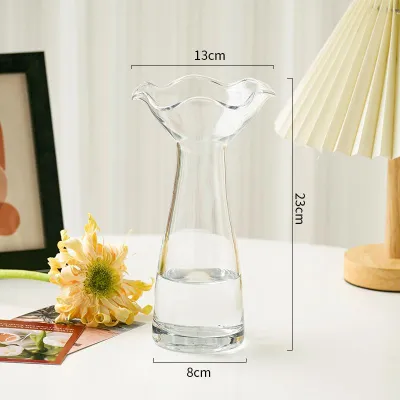
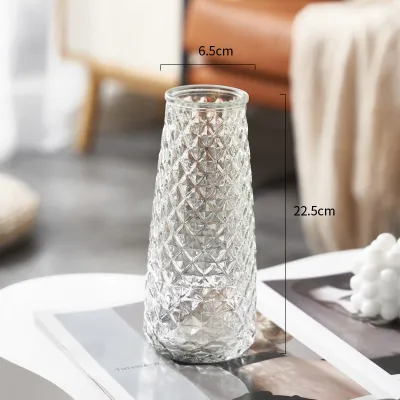
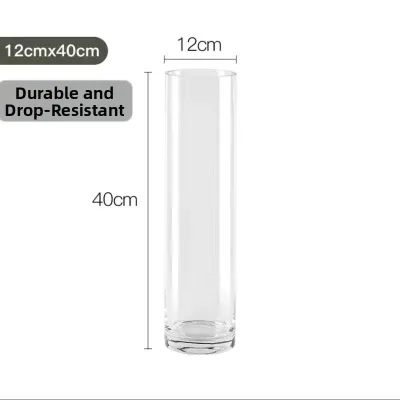
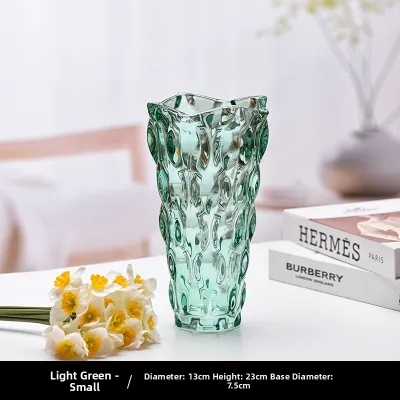
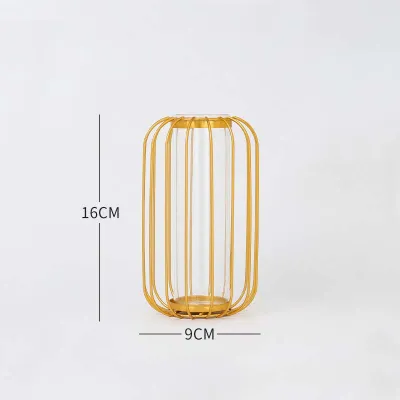
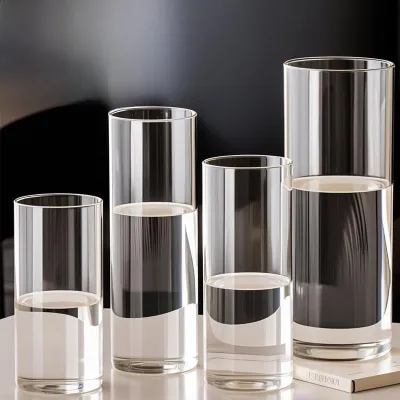
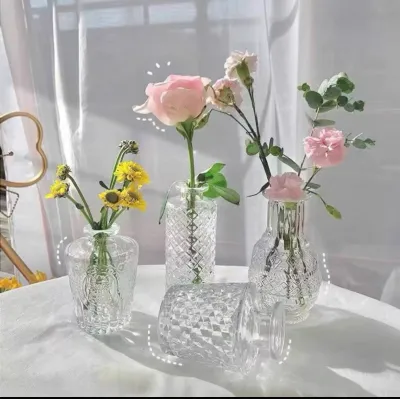
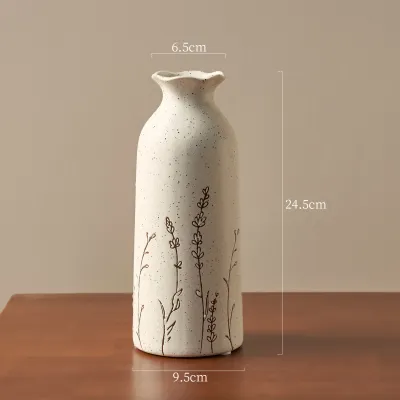
Prices are valid at publication and may change. Please refer to the product page for the latest price.
Weight distribution is equally critical to prevent your arrangement from tipping over. Heavy-headed blooms, such as large hydrangeas, lilies, or sunflowers, shift the center of gravity upward as they open. To counterbalance this top-heavy distribution, you must pair them with vases that feature wide, heavy bases. Lightweight plastic or thin-walled glass vessels are easily destabilized by top-heavy flowers, making solid stoneware, thick-cut glass, or metal vessels much safer choices.
The width of the vase neck dictates how your stems will spread and how dense the arrangement will appear. A wide neck allows stems to splay outward, creating a loose, casual look but requiring a high volume of flowers to look complete. Conversely, a narrow neck clusters stems together, providing built-in structural support that keeps the blooms upright but limiting the total number of stems you can insert.
Before purchasing a new vase, take a few quick measurements around your home to ensure a perfect fit. Consider the tabletop footprint by measuring the depth of the shelf or console where the vase will sit, ensuring there is ample clearance. You should also check the vertical clearance under overhead cabinets or hanging light fixtures to avoid crushing taller arrangements. Finally, verify that the interior volume of the vessel holds enough water to sustain your chosen flowers without requiring multiple refills throughout the day.
Cylindrical Vases for Tall Stems and Structured Lines
Cylindrical and column vases are the premier choice for showcasing tall, linear flowers that grow with natural structural integrity. These vessels excel at holding stems that require vertical support to maintain their elegant posture. By keeping the stems aligned, a cylindrical vase emphasizes clean lines and modern, architectural simplicity.

Best Flower Pairings
- Gladiolus: Their tall, blossom-heavy spikes stay perfectly upright without bending.
- Snapdragons and Delphiniums: The straight walls of the cylinder prevent these top-heavy stalks from leaning.
- Long-Stemmed Roses: Keeps the stems straight and elegant, allowing the classic blooms to sit proudly at the top.
- Tropical Foliage: Tall monstera leaves, ginger flowers, or heliconias look striking and clean in a tall cylinder.
- Calla Lilies: The smooth, thick stems of calla lilies align beautifully with the straight sides of glass cylinders.
Straight-sided cylindrical vases support the structural integrity of tall arrangements by keeping the stems parallel. Because the neck diameter is uniform from the base to the rim, the stems cannot splay outward at extreme angles. This uniform support keeps the heavy flower heads aligned directly over the center of gravity, minimizing the risk of the entire arrangement tipping over.
To ensure maximum safety, prioritize heavy material choices when shopping for cylindrical vases. Thick-walled glass or solid, heavy ceramic vessels provide a low center of gravity that anchors tall arrangements securely. If you use lightweight acrylic or thin glass cylinders, even a minor bump to the table can cause a tall, top-heavy arrangement of gladiolus or delphiniums to crash down.
Cylindrical vases have distinct limitations when paired with shorter, flexible, or highly branched stems. Short flowers will slip entirely inside the cylinder, hiding the blooms from view and subjecting them to excess moisture. Furthermore, top-heavy flowers with weak or curved stems will bend sharply over the hard rim of a cylinder, which can pinch the stem and cut off the water supply.
When buying a cylindrical vase, verify that the base weight is substantial enough to handle tall stems. Check the neck diameter; a 10-centimeter opening is highly versatile for standard home bouquets, whereas a 15-centimeter opening will require a massive quantity of stems to look filled. Finally, compare the height of the cylinder to the standard stem lengths available at your local florist to ensure the vase is not too tall for your preferred flowers.
Bud Vases for Single Stems and Minimalist Displays
Bud vases are designed to celebrate simplicity, focusing the viewer’s attention on a single, beautiful bloom or a minimalist grouping of delicate stems. These small vessels are perfect for displaying single flowers cut from a larger bouquet or salvaged from a stem that accidentally snapped during arranging.
Best Flower Pairings
- Single Tulips: Highlights the graceful, curving stem and clean cup shape of the flower.
- Ranunculus: Showcases the intricate, paper-thin layers of a single, delicate bloom.
- Orchid Sprays: A single orchid stem brings clean, tropical elegance to a minimalist vessel.
- Solitary Statement Roses: Focuses all attention on the perfect form of a single rose head.
- Anemones: Emphasizes the striking contrast of the dark center and vibrant petals.
The primary aesthetic impact of a bud vase is isolation. By separating a single stem from the chaos of a large bouquet, you highlight its unique curves, leaf patterns, and petal structures. To create a dynamic table display, group multiple bud vases of varying heights, shapes, and materials in a clustered line down the center of your dining table. This creates visual interest and rhythm without blocking eye-level conversation across the table.
To achieve this minimalist look, look for bud vases with narrow necks, small footprints, and varied heights. A narrow opening of one to two centimeters is essential to keep a single stem standing upright; if the neck is too wide, the stem will flop to the side and look untidy. Bulbous bases paired with slender necks are particularly effective, as they provide a stable water reservoir while maintaining a delicate silhouette.
Bud vases are structurally incapable of holding full bouquets or thick-stemmed foliage. Trying to squeeze multiple stems into a narrow bud vase can bruise the plant tissue and restrict water flow, causing the flowers to wilt prematurely. Additionally, placing a large, heavy flower head—such as a full peony—into a lightweight, narrow-bottomed bud vase creates an immediate tipping hazard.
When purchasing, ensure the opening size is compatible with the stem thickness of your favorite flowers. Check the base width of the vessel; a slightly flared or bulbous bottom is crucial to counterbalance the height of the flower head. If you plan to group them, look for curated sets of three or five vases that feature cohesive colors but varied heights to make styling effortless.
Urn and Compote Vases for Heavy or Cascading Bouquets
Urn and compote vases are the traditional choice for large, lush, and romantic floral arrangements. Characterized by a wide, shallow bowl raised on a pedestal foot, these vessels are designed to support complex, multi-directional arrangements that spill over the edges with dramatic flair.
Best Flower Pairings
- Hydrangeas: The wide bowl easily accommodates their massive, water-loving flower heads.
- Peonies: Provides the physical space and structural support needed for these heavy, open blooms.
- Cascading Greenery: Eucalyptus, jasmine vine, or ivy can drape elegantly over the wide rim.
- Mixed Garden Bouquets: Allows a variety of textures and heights to blend seamlessly in a dome shape.
- Dahlias: Supports the heavy, intricate heads of dinnerplate dahlias without snapping the stems.
The wide bowl and elevated pedestal of an urn or compote vase create a sense of grandeur and classic elegance. Because the opening is wide and shallow, stems can be inserted at dramatic angles, allowing flowers and trailing vines to drape naturally over the sides. This structure is ideal for creating asymmetrical, organic designs that feel alive and full of movement.
To support the substantial weight of water, heavy blooms, and internal floral mechanics, choose sturdy materials such as cast metal, stone, thick ceramic, or heavy stoneware. A compote vase must be structurally sound; as you build a wide, sprawling arrangement, the lateral weight increases significantly, requiring a solid, well-weighted pedestal base to keep the centerpiece stable.
However, these wide-mouthed vessels carry a high risk of becoming top-heavy if the pedestal base is too narrow or lightweight. Because the opening is so wide, stems will slide to the outer edges and lie flat unless you use internal support structures. To manage a compote arrangement successfully, you must use floral mechanics such as a metal floral frog (kenzan), coated chicken wire, or a waterproof tape grid.
When shopping for an urn or compote, evaluate the depth of the bowl to ensure it can hold enough water to cover your stem ends adequately. Check the base-to-bowl width ratio; the base should be wide and heavy enough to support a display that extends twice the width of the bowl. Finally, check the interior texture of the vase, as a slightly matte or textured interior helps floral tape and frogs grip the vessel much better than a high-gloss glaze.
Wide-Mouth and Bowl Vases for Short Stems and Wild Blooms
Wide-mouth and bowl vases are the perfect solution for arranging short-stemmed flowers, wild blooms, and casual garden-style mixtures. These low-profile vessels keep arrangements grounded and are excellent for creating dense, lush centerpieces that do not obstruct views across a room.
Best Flower Pairings
- Garden-Style Mixed Blooms: Perfect for loose, unstructured combinations of herbs, wildflowers, and garden roses.
- Short-Cut Roses: Allows you to pack the heads closely together for a dense, luxurious dome of color.
- Wildflowers: Embraces the natural, sprawling, and slightly untamed growth habits of field flowers.
- Pansies and Marigolds: Keeps these short-stemmed garden favorites close to the water and beautifully visible.
- Floating Blossoms: Ideal for floating open flower heads, such as frangipani or camellias, on the water's surface.
The low profile of a bowl vase complements sprawling, organic shapes and keeps the overall arrangement visually grounded. This makes them highly practical for coffee tables, bedside stands, or dining tables where tall centerpieces would get in the way. The wide opening allows you to view the arrangement from above, highlighting the texture and color variations of the flower heads.
Excellent styles to consider include low cylinders, shallow ceramic bowls, and footed compotes with wide rims. These shapes allow you to cut stems short, which maximizes water uptake and helps flowers stay fresh longer. The wide rim provides a resting place for heavy flower heads, reducing stress on the stems.
One key limitation of wide-mouth vases is that water evaporates much faster due to the large exposed surface area. Stems also tend to slide outward along the wide rim, leaving an empty, awkward gap in the center of your arrangement. To prevent this, you will need to utilize internal support systems to keep the stems standing at the correct angles.
Before buying, check the thickness of the rim; a rounded, thicker rim supports delicate stems gently without cutting into them. Verify the interior depth to ensure the vessel can hold a sufficient volume of water to keep your stems fully submerged. Additionally, make sure the bottom of the bowl is flat and wide enough to accommodate a standard floral frog or tape grid if you plan to use them for structure.
Quick Reference: Pairing Vase Shapes with Flower Types
Use this quick-reference table to match your planned floral arrangements with the most suitable vase style based on structural benefits and physical limitations.
| Vase Style | Best Flower Types | Key Benefit | Primary Limitation |
|---|---|---|---|
| Cylindrical | Gladiolus, snapdragons, delphiniums, long-stemmed roses | Keeps tall, straight stems aligned and structurally supported | Poor suitability for short, flexible, or highly branched stems |
| Bud | Single tulips, ranunculus, orchids, solitary statement roses | Highlights the unique form of a single, beautiful bloom | Cannot accommodate bouquets; high tipping risk with heavy heads |
| Urn / Compote | Hydrangeas, peonies, cascading greenery, mixed garden bouquets | Supports grand, romantic, and cascading arrangements | Requires internal mechanics (frogs, wire) to keep stems in place |
| Wide-Mouth / Bowl | Short roses, wildflowers, garden-style mixtures, floating blooms | Perfect for low-profile, dense centerpieces on dining tables | Water evaporates quickly; stems easily slide to the outer edges |
Material and Finish Considerations for Visual Balance
Beyond the physical shape of your vase, the material and finish you select play a major role in the overall visual balance of your floral display. Different materials interact with light, color, and texture in distinct ways, helping to set the mood of your space.
- Clear Glass: Glass offers a clean, classic look that showcases the natural beauty of underwater stems and clean water. However, it requires immaculate maintenance, as dirty water, fallen leaves, and tangled stems are immediately visible to everyone.
- Opaque Ceramic: Ceramic vases hide messy stems, floral foam, and internal mechanics completely, keeping the focus entirely on the blooms. Matte ceramic finishes absorb light and feel grounded, while glossy glazes reflect light and add a modern touch.
- Metallic Finishes: Brass, copper, or polished steel vases add warmth, luxury, and a reflective quality that works beautifully for evening dinner settings. They provide an excellent contrast to soft, organic flower petals.
In Singapore’s tropical climate, high temperatures and humidity accelerate the growth of bacteria in standing vase water. This bacterial buildup causes unpleasant odors and blocks stems from absorbing water, shortening the lifespan of your flowers. To combat this, change the water daily and clean your vases thoroughly between uses.
Singapore’s tap water can also leave stubborn white mineral deposits, known as limescale, on the interior of clear glass vases. To clean these, rinse the vessel with a mild solution of white vinegar and warm water to dissolve the minerals without scratching the glass.
For unglazed ceramic vases, the porous clay can trap moisture in humid environments, which may lead to mold growth on the outer base or damage to wooden furniture. Always check the manufacturer’s care label to ensure the interior is fully glazed and watertight, and place a protective coaster or felt pad underneath to protect your tabletop surfaces. For delicate metal finishes, dry them thoroughly after every use to prevent humidity from causing premature rust or tarnishing.
Frequently Asked Questions (FAQ)
How do I keep tall flowers from falling over in a vase?
To stabilize tall flowers, choose a heavy-bottomed ceramic or thick glass vase to lower the center of gravity. Create a grid across the vase opening using clear, waterproof floral tape to hold individual stems upright. Always trim your stems at a 45-degree angle; this not only maximizes water absorption but also creates a pointed end that rests securely against the bottom of the vase, preventing the stem from sliding.
Can I use a regular drinking glass as a flower vase?
Yes, regular drinking glasses work well for short-stemmed flowers, herbs, or single blooms. However, drinking glasses are lightweight and lack the heavy base of dedicated vases, making them prone to tipping if paired with top-heavy flowers. Always place a coaster underneath the glass to protect your wooden furniture from condensation rings and water drips.
What is the best vase shape for a mixed bouquet?
An hourglass or slightly tapered vase is the most versatile option for a mixed bouquet. The flared bottom provides ample room for the stems to spread and access water, the narrow neck clusters the stems together to keep the arrangement upright, and the flared rim allows the flower heads to open up naturally, creating a full, balanced dome shape.

Community discussion
Share your experience or ask a question. Comments are reviewed before publication.