
Selecting the right wall lights for your corridor is one of the most effective ways to elevate the ambiance and functionality of your Singapore home. Whether you are navigating a compact HDB hallway or designing an elegant entrance foyer for a private condominium, the brand category you choose directly impacts the durability, safety, and visual appeal of your lighting setup. The ideal corridor lighting solution balances physical space constraints, energy efficiency, and ease of maintenance, ensuring your pathways remain bright, safe, and welcoming.
To find the best fit, homeowners should evaluate wall lights across three primary brand categories: premium designer brands that make an architectural statement, reliable everyday commercial brands that offer hassle-free maintenance, and smart or sensor-integrated brands that automate night-time navigation. Understanding how these categories align with your specific layout and local installation guidelines will help you make an informed investment that enhances your daily living experience.
Key Criteria for Choosing Corridor Wall Lights in Singapore
Singapore’s residential properties present unique architectural characteristics that dictate how you should select wall lights. In standard HDB flats, corridors leading to bedrooms are typically narrow, meaning that physical clearance is a primary safety consideration. Selecting a fixture with a slim profile or a flush-mount design is essential to prevent the light from protruding too far into the walking path. Ideally, corridor fixtures should have a depth of less than 100mm to ensure residents do not accidentally bump into them while carrying laundry, moving furniture, or walking through tight spaces.
Products mentioned in this guide
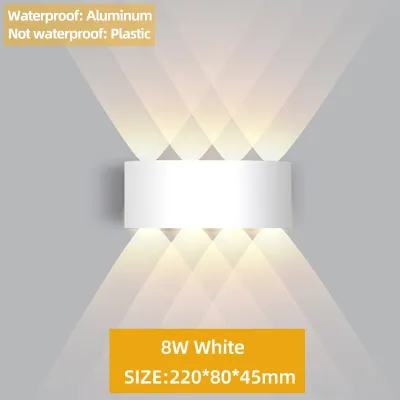
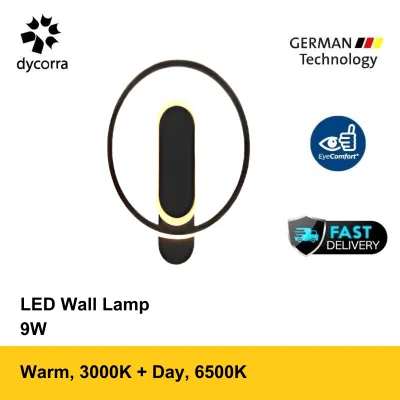
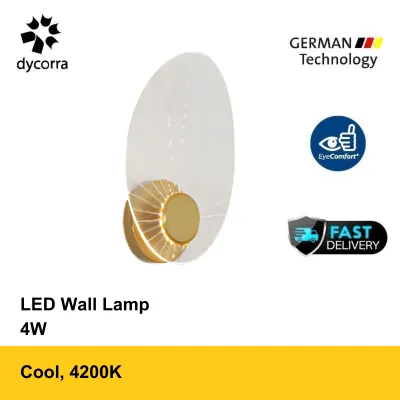
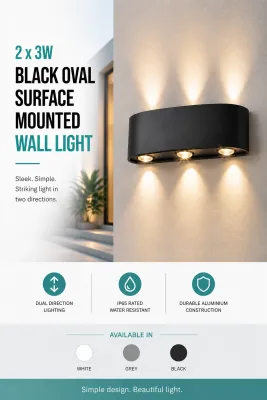
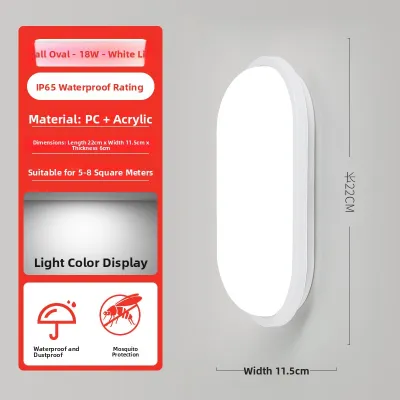
Prices are valid at publication and may change. Please refer to the product page for the latest price.
Light output and beam angles play a critical role in how spacious and comfortable a hallway feels. Because corridors are transitional zones rather than active work areas, they do not require intense, high-wattage illumination. A light output of 300 to 500 lumens per fixture is generally sufficient to provide clear visibility without causing discomfort. Bi-directional wall sconces—which cast light both upward and downward—are particularly effective for narrow spaces. By washing the walls with light, these fixtures draw the eye vertically, making low ceilings feel higher and narrow corridors feel visually wider.
Color temperature is another essential factor that defines the mood and functionality of your transition spaces. For private condo foyers or hallways that lead directly into bedrooms, warm white light (2700K to 3000K) is highly recommended because it creates a cozy, relaxing, and hospitable atmosphere. Conversely, for main utility corridors or high-traffic pathways where clear visibility is paramount, neutral white light (4000K) offers a crisper, cleaner illumination that enhances safety and helps you spot obstacles easily.
Finally, you must consider environmental factors and Ingress Protection (IP) ratings. Many HDB flats feature semi-outdoor common corridors, and some indoor hallways are located near open windows where they are exposed to high humidity and wind-blown rain during monsoon seasons. In these environments, standard indoor fixtures can suffer from moisture ingress, leading to short circuits or premature corrosion. For any corridor exposed to the elements, look for wall lights with at least an IP44 rating, which certifies that the fixture is protected against water splashes from all directions and solid objects larger than 1mm.
Which Wall Light Brand Categories Fit Your Hallway?
Because specific product availability and brand lineups frequently evolve, categorizing wall lights into distinct brand tiers helps you narrow down your options based on budget, design goals, and practical needs. Each category offers unique advantages and trade-offs that suit different areas of a Singapore home.

Premium and Designer Brands
Premium and designer brands focus heavily on architectural integration, exceptional material quality, and superior light performance. These brands typically feature a high Color Rendering Index (CRI) of 90 or above, which ensures that the colors of your walls, paintings, and decor items appear vibrant and true to life. They utilize upscale, durable materials such as solid brass, brushed aluminum, hand-blown glass, or slip-cast ceramics, making the fixtures look like sculptural art pieces even when they are turned off.
These high-end fixtures are best suited for prominent focal points, such as private condo lift lobbies, spacious entry foyers, or wide hallways where the lighting design is intended to make a strong visual statement. However, premium brands come with specific limitations. They require a much higher initial investment, and many models feature proprietary integrated LED modules or specialized drivers. If a component fails after the warranty period, sourcing replacement parts can be challenging and expensive, often requiring you to order directly through authorized local design showrooms.
Reliable Everyday and Commercial Brands
For high-traffic, standard hallways where utility, durability, and cost-effectiveness are the main priorities, reliable everyday and commercial brands are the ideal choice. These brands focus on standardized components, high energy efficiency, and long operational lifespans. They often design fixtures that accommodate standard, user-replaceable bulbs (such as GU10 or E27 LED bulbs) or utilize highly dependable, widely compatible integrated LED drivers.
These practical fixtures are perfect for standard HDB corridors and utility walkways. Because these areas experience frequent, prolonged use, having a system that is easy to maintain is incredibly valuable. If a bulb burns out or a driver fails, you do not need to replace the entire fixture or wait weeks for specialized parts. Instead, you can easily purchase a cheap, compatible replacement at local hardware stores or lighting shops in popular districts like Balestier or Jalan Besar, keeping maintenance simple and affordable.
Smart and Sensor-Integrated Brands
Smart and sensor-integrated brands cater to modern homeowners seeking automated convenience and enhanced energy efficiency. These brands specialize in fixtures equipped with built-in passive infrared (PIR) motion sensors, dusk-to-dawn photocells, or wireless chips that connect directly to smart home ecosystems. Instead of searching for a wall switch in the dark, the lights automatically turn on when they detect movement and dim or turn off after a set period of inactivity.
This automation is highly beneficial for night-time navigation, particularly in households with young children, elderly family members, or pets who may struggle to find light switches in the dark. It also prevents lights from being left on accidentally, reducing your monthly electricity bills. Before choosing a smart brand, however, you must verify the technical prerequisites. Many smart wall lights require a constant power supply (meaning the physical wall switch must remain on) and may require a compatible smart home hub or a strong, stable Wi-Fi connection in your corridor to function reliably.
Comparing Wall Light Brand Categories for Different Layouts
To help you determine which brand category best fits your home’s layout and your lifestyle, the table below compares the three options across key practical dimensions.
| Brand Category | Best Corridor Type | Key Features | Typical Maintenance Needs | Ideal User Profile | Relative Cost |
|---|---|---|---|---|---|
| Premium & Designer | Wide condo foyers, private lift lobbies, accent walls | High CRI (90+), bespoke materials, architectural designs | Specialized driver or module replacement via authorized distributors | Design-focused homeowners seeking a luxury visual statement | High |
| Reliable Everyday | Standard HDB corridors, utility hallways, high-traffic paths | Standardized bulbs/drivers, high energy efficiency, long lifespans | Simple, low-cost bulb or driver swaps using widely available local parts | Practical homeowners prioritizing durability and low-cost upkeep | Low to Moderate |
| Smart & Sensor-Integrated | Night-time transit paths, family hallways, smart homes | Motion sensors, dusk-to-dawn automation, smart ecosystem integration | Firmware updates, sensor cleaning, smart hub configuration | Tech-savvy households, families with children or elderly members | Moderate to High |
How to Verify Brand Quality and Electrical Safety
Because wall lights are connected directly to your home’s electrical system, verifying safety and build quality is paramount before making a purchase. In Singapore, electrical accessories and lighting control gear are regulated. Always check that the brand’s products carry the Enterprise Singapore Safety Mark, which certifies that the fixture has been tested and approved for local use. Ensure the light is rated for Singapore’s standard electrical supply of 230V and a frequency of 50Hz. Importing uncertified fixtures from overseas e-commerce platforms can lead to frequent flickering, premature driver failure, or serious electrical hazards.
Additionally, you should assess the material build quality of the fixture, particularly how it manages heat. Singapore’s warm and humid tropical climate can accelerate the degradation of electronic components. LED wall lights generate heat at the back of the diode, which must be dissipated efficiently to prevent damage. High-quality brands construct their fixtures with solid aluminum or metal heat sinks rather than cheap, thin plastic housings. A robust heat sink keeps the LED junction temperature low, preserving the brightness of the light and extending the overall lifespan of the internal driver.
Finally, pay close attention to warranty terms and after-sales support. Reputable brands typically offer a warranty of at least one to five years on their fixtures and integrated drivers. To ensure your warranty is valid and easily claimable, buy your wall lights from authorized physical showrooms, local distributors, or verified official stores on reputable online marketplaces. Avoid purchasing grey-market or unbranded products that offer no local customer support, as finding replacement parts or resolving technical issues can be incredibly difficult once the transaction is complete.
Installation Rules and Safety Boundaries for HDB and Condos
Installing wall lights in Singapore residential properties requires adherence to strict safety standards and building regulations. Any electrical work that involves running new wiring, extending existing circuits, or modifying your home’s main distribution board must be performed by an Energy Market Authority (EMA) licensed electrical worker (LEW). While a direct, like-for-like replacement of an existing wall light can sometimes be performed by a competent homeowner, safety must always come first. Always isolate the power supply at the main circuit breaker before touching any wiring, and follow the manufacturer’s installation instructions precisely.
When mounting fixtures, you must also comply with HDB renovation guidelines regarding structural integrity. Drilling or hacking into load-bearing concrete walls, columns, or shared structural walls between units is strictly prohibited without official permit approvals. For standard concrete walls, use a suitable masonry drill bit and high-quality wall plugs to secure the mounting bracket. If you are installing wall lights on drywall partitions—which are common in newer condominium layouts—ensure the wall can support the weight of the fixture. Heavy or high-protrusion lights should be anchored directly into the internal metal or timber wall studs, or secured using specialized heavy-duty hollow-wall anchors.
If your installation involves creating a clean, minimalist look with concealed wiring in solid concrete walls, this process requires professional concrete chasing (cutting grooves into the wall). This work must be done by trained professionals to avoid damaging structural steel reinforcement bars or existing utility conduits. If the manufacturer’s installation instructions conflict with your home’s existing wiring setup, or if you are unsure of your wall’s load capacity, stop the installation immediately and consult a qualified professional or a licensed electrician.
Frequently Asked Questions (FAQ)
Do I need a licensed electrician to install corridor wall lights in an HDB?
Yes, for any installation that goes beyond a basic, direct replacement of an existing fixture. If your project requires running new electrical cables behind the wall, installing a new wall switch, or altering your flat’s electrical circuits, Singapore law mandates that you hire an EMA-licensed electrical worker. Hiring a licensed professional ensures that all wiring complies with local safety standards, preventing potential electrical fires and ensuring your home remains compliant with housing regulations.
What is the best color temperature for hallway wall lights?
For main transit corridors where safety and clear visibility are the primary concerns, a neutral white light of around 4000K is highly recommended because it provides bright, crisp illumination. For private entrance foyers, lift lobbies, or hallways leading directly into bedrooms, a warm white light of around 3000K is ideal. Warm white creates a softer, more inviting transition that helps you wind down as you move through your home.
Can I use outdoor-rated wall lights for indoor corridors?
Yes, outdoor-rated wall lights with higher IP ratings (such as IP44 or IP65) can safely be installed indoors. This is highly practical for semi-outdoor HDB common corridors or hallways located near open windows that are frequently exposed to wind-blown rain and high humidity. However, keep in mind that outdoor-rated fixtures are often bulkier, heavier, and more expensive than standard indoor models, so they may not be necessary for fully enclosed, air-conditioned indoor hallways.

Community discussion
Share your experience or ask a question. Comments are reviewed before publication.