
Corridors in Singapore homes often serve as the physical connective tissue of the household, linking bedrooms, living spaces, and entryways. Yet, these transitional zones are frequently overlooked when it comes to lighting design. Installing the right wall lighting can transform a dark, narrow hallway into a warm, inviting pathway while enhancing safety and spatial perception. To achieve this balance, homeowners must select fixtures that offer both reliable build quality and long-term value.
Finding the ideal wall lighting for your corridor involves navigating a crowded market of international manufacturers and local boutique showrooms. The right choice depends on your home’s architectural layout, your aesthetic preferences, and your budget. By focusing on reputable brands that guarantee electrical safety, energy efficiency, and durable materials, you can ensure your investment stands the test of time.
Defining the Ideal Corridor Wall Light for Singapore Homes
Corridors in typical Singaporean residential properties, such as Housing & Development Board (HDB) flats and private condominiums, present unique architectural challenges. These hallways are often narrow, with standard widths frequently ranging between 1.2 and 1.5 meters. Because space is limited, selecting low-profile or flush-mount wall lights is essential. Fixtures that protrude too far into the walking path can become physical obstructions, making it easy for residents to accidentally knock into them while carrying groceries, moving furniture, or navigating the home in the dark.
Products mentioned in this guide
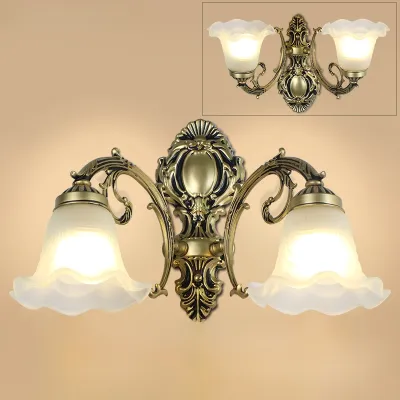
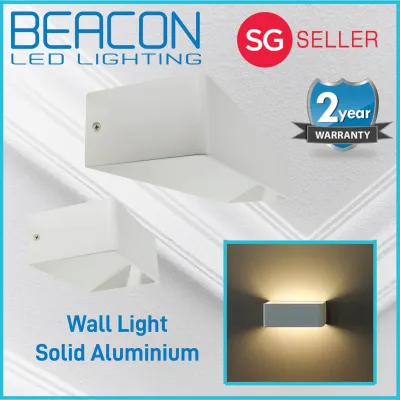
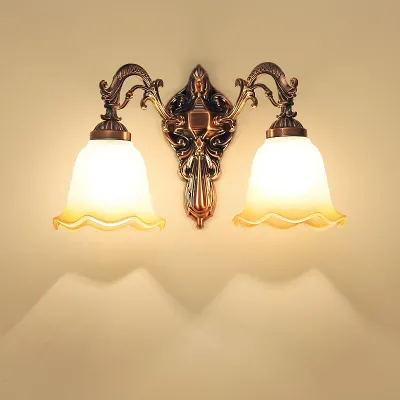
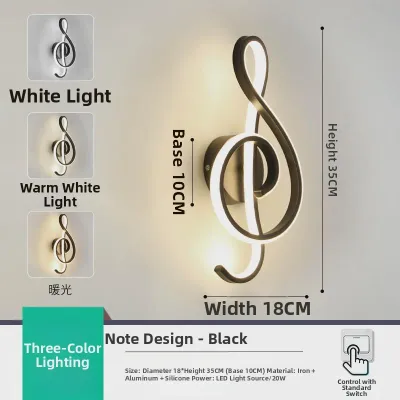
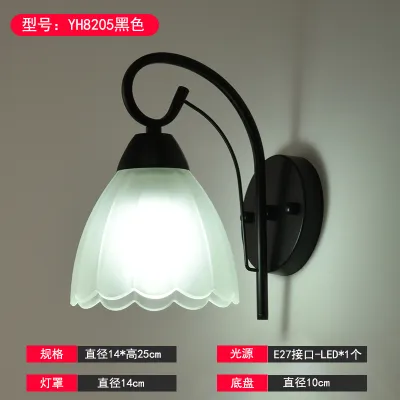
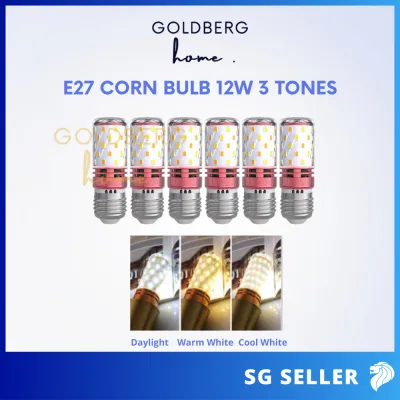
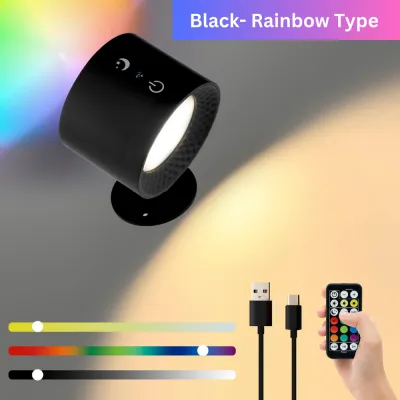
Prices are valid at publication and may change. Please refer to the product page for the latest price.
To maintain a safe and comfortable walkway, look for wall lights with a slim profile, ideally projecting less than 10 centimeters from the wall surface. These compact designs hug the wall closely, providing ample illumination without compromising the physical clearance of your corridor. By prioritizing flush-mount designs, you preserve the functional width of the hallway while creating a clean, streamlined aesthetic that complements modern interior designs.
Glare control is another critical factor when lighting a confined space. Because corridor walls are close to the walking path, an exposed light bulb can shine directly into your eyes, causing uncomfortable glare and temporary visual discomfort. To prevent this, choose fixtures with shielded light sources or integrated frosted diffusers. These designs soften the light output, distributing it evenly across the space without creating harsh hotspots or blinding glare.
The way light is distributed also plays a major role in how spacious your corridor feels. Wall-washing techniques, which direct light evenly across the wall surfaces, can make a narrow hallway feel significantly wider by drawing the eye outward. Alternatively, up/down lighting fixtures project light toward both the ceiling and the floor. This dual-direction illumination creates an illusion of vertical height and eliminates dark corners, making the entire corridor feel more open and airy.
Given that corridor lights are often left on for extended periods—sometimes throughout the night as a safety guide—energy efficiency and durability are paramount. Opting for integrated light-emitting diode (LED) fixtures ensures minimal electricity consumption and a long operational lifespan. Choosing models compatible with motion sensors or smart home systems can further optimize energy use, ensuring the lights only activate when someone is actively using the corridor.
Recommended Wall Light Brands for Quality and Value
Navigating the diverse lighting market in Singapore requires understanding the balance between upfront cost, manufacturing quality, and long-term reliability. When shopping for corridor wall lights, brands generally fall into two primary categories: established international manufacturers and local specialist showroom brands. Each category serves different homeowner needs, from basic utilitarian functionality to highly customized, design-forward aesthetics.

Choosing a reputable brand ensures that the fixture’s internal components, such as the LED driver and heat sink, are built to last. High-quality drivers prevent flickering and premature failure, which are common issues in unbranded, budget fixtures. Furthermore, reputable brands offer clear warranty terms and accessible customer support, providing peace of mind for your home improvement investment.
To source these reliable brands, homeowners can explore authorized online retailers, official brand webstores, and physical lighting showrooms. While online marketplaces offer convenience, visiting physical showrooms allows you to assess the build quality, material finishes, and actual light output of the fixtures in person before making a purchase.
Established International Lighting Brands
For homeowners who prioritize consistent manufacturing standards, rigorous safety testing, and hassle-free performance, established international brands like Philips and Panasonic are excellent choices. These global giants have spent decades refining their lighting technologies, resulting in highly reliable products that deliver consistent light output and superior energy efficiency. Their wall lighting solutions are engineered to meet strict international safety standards, making them a safe bet for any Singapore home.
One of the primary advantages of choosing an international brand is the assurance of high-quality components. These brands use premium LED chips and robust drivers that maintain their brightness and color accuracy over thousands of hours of use. This high lumen maintenance means your corridor will remain brightly lit for years without the gradual dimming often seen in cheaper, generic alternatives. Additionally, these manufacturers typically offer standard multi-year warranties, ensuring that any rare manufacturing defects are resolved quickly and without extra cost.
Another practical benefit is the availability of replacement parts and compatible accessories. If a component like an integrated LED driver eventually fails after several years of use, finding a compatible replacement from a major brand is straightforward. This ease of maintenance extends the overall lifespan of your lighting setup, saving you the cost and hassle of replacing the entire fixture.
International brand fixtures are particularly well-suited for minimalist, modern, or utilitarian HDB corridor designs. Their product lines often feature clean, unobtrusive aesthetics that focus on functional performance rather than ornate decoration. If your goal is to achieve reliable, high-quality illumination that blends seamlessly into your home’s architecture, these established brands offer outstanding value.
Local Specialist Showroom Brands
If you want to inject more personality, unique textures, and design-forward aesthetics into your home, local specialist showroom brands are an excellent alternative. Singapore has a vibrant ecosystem of local lighting specialists, with many physical showrooms concentrated in traditional lighting districts such as Balestier Road, Geylang, and Jalan Besar. These specialists curate their own house brands or import exclusive designer collections that cater specifically to local interior design trends.
The main strength of local showroom brands lies in their curated aesthetic variety. Whether you are aiming for a cozy Scandinavian look, a raw industrial vibe, a warm Japandi feel, or a sleek contemporary style, these showrooms offer wall lights that serve as statement pieces. They often feature premium material finishes, such as brushed brass, matte black anodized aluminum, hand-blown glass, or natural plaster, which can elevate the overall design of your corridor.
In addition to aesthetics, local specialist brands offer highly personalized customer service and localized warranty support. When you purchase from a physical showroom in Singapore, you can speak directly with lighting consultants who can advise you on compatibility, light placement, and installation requirements. If a fixture experiences an issue, you can resolve it directly through the local showroom, avoiding the long shipping delays and communication barriers associated with overseas online sellers.
These specialized fixtures are ideal for homeowners looking to elevate private condominium corridors, HDB lift lobbies, or entrance foyers. By selecting a wall light with a refined finish and a unique silhouette, you can transform a simple transitional hallway into a sophisticated gallery-like space. This approach allows you to balance functional lighting with your personal interior design vision, adding distinct character to your home.
Essential Specifications to Compare Before Purchasing
To select the perfect wall light for your corridor, you must look beyond aesthetics and compare key technical specifications. Understanding these parameters ensures the fixture you choose will perform well in your specific space and meet your daily practical needs.
Color Temperature and Color Rendering Index (CRI)
Color temperature is measured in Kelvins (K) and determines the warmth or coolness of the light. For residential corridors, the two most common choices are 3000K (Warm White) and 4000K (Cool White). A 3000K light source creates a cozy, welcoming, and relaxed atmosphere, making it ideal for evening use and matching the warm tones of living areas. In contrast, a 4000K light source provides clear, crisp, and functional visibility, which is highly practical for daytime use, cleaning, or highlighting wall art. Alongside color temperature, check the Color Rendering Index (CRI). A CRI of 80 or higher is recommended for home corridors to ensure that paint colors, wood grains, and decor look natural and vibrant under artificial light.
Beam Angles and Light Distribution
The beam angle of a wall light dictates how the light spreads across your corridor walls. Directional wall lights, such as narrow-beam up/down sconces, project distinct cones of light onto the wall, creating dramatic shadows and highlighting architectural textures. This is a popular choice for creating a modern, dramatic look. On the other hand, omnidirectional wall lights feature frosted or spherical diffusers that distribute light evenly in all directions. This style maximizes overall visibility and safety, making it the preferred option for households with elderly family members or young children who require clear, unobstructed sightlines.
Smart Features and Automation
Integrating smart features into your corridor wall lighting can significantly enhance convenience and energy savings. Built-in passive infrared (PIR) motion sensors are highly practical for hallways, as they automatically switch the lights on when someone enters the space and turn them off after a set period of inactivity. This eliminates the need to fumble for light switches in the dark and ensures lights are never left on accidentally. Some advanced models also feature dusk-to-dawn photocells, which prevent the lights from turning on during the day when natural light is sufficient. Dimmable wall lights allow you to adjust the brightness levels, enabling you to set a low-intensity glow at night to act as a gentle guide light.
Physical Dimensions and Projection Depth
Before making a final purchase, always measure your corridor carefully and check the physical dimensions of the wall light. Pay close attention to the projection depth, which is the distance the fixture extends outward from the wall. For narrow Singaporean hallways, keep the projection depth below 10 to 12 centimeters to maintain a clear, unobstructed path of travel. Ensure the height and width of the fixture are proportional to your wall space, avoiding oversized designs that can overwhelm a compact corridor.
Installation Safety and Compliance Checklist
Installing wall lights involves working with electrical wiring, which requires strict adherence to safety standards and local regulations in Singapore. Ensuring your fixtures are compliant and safely installed protects your home from electrical hazards and fire risks.
Voltage Compatibility and Safety Certification
Singapore’s standard domestic electrical supply operates at 230V and 50Hz. Before purchasing any wall light, especially if ordering from international online retailers, verify that the fixture’s voltage rating is fully compatible with this standard. Additionally, look for products that carry recognized safety certifications, such as the Enterprise Singapore Safety Mark. This mark indicates that the product has undergone rigorous testing and complies with local safety standards, reducing the risk of short circuits, electrical fires, or shocks.
Regulatory Boundaries for HDB and Condominiums
It is crucial to understand the regulatory boundaries regarding where you can install or modify lighting. For HDB flats, the common corridor outside your main door is public property managed by the local Town Council. Homeowners are strictly prohibited from installing personal lighting fixtures, running exposed wiring, or modifying the existing common corridor lights without prior written approval. For private condominiums, similar restrictions apply to shared hallways and private lift lobbies, which are governed by the estate’s Management Corporation Strata Title (MCST) guidelines. Always check your estate’s specific by-laws before planning any external modifications to ensure compliance with fire safety and building aesthetic regulations.
Hiring a Licensed Electrical Worker (LEW)
In Singapore, any electrical work that involves laying new wiring, adding new lighting points, or modifying your home’s main distribution board (DB) must be performed by a Licensed Electrical Worker (LEW). This is a legal requirement under the Energy Market Authority (EMA). Hiring an LEW ensures that the new electrical points are properly grounded, circuit breakers are correctly rated, and the installation complies with the Singapore Standard SS 638 (Code of Practice for Electrical Installations). Attempting to run new concealed or surface-mounted wiring yourself poses severe safety risks and can void your home insurance coverage.
Safety Boundaries for Like-for-Like Replacements
If you are performing a simple like-for-like replacement of an existing wall light—where the wiring and mounting bracket are already in place—you may choose to do it yourself, provided you take strict safety precautions. First, isolate the power supply by turning off the corresponding circuit breaker at your main distribution board (DB), rather than just turning off the wall switch. Use a reliable, non-contact voltage tester to verify that the wires are completely dead before touching them. Always read and follow the manufacturer’s specific installation instructions for the new fixture. If the instructions conflict with your existing home wiring, if the wires are unidentified, or if you encounter older wiring colors that do not match modern standards, stop immediately and consult a qualified professional.
Frequently Asked Questions (FAQ)
Can I install a new wall light in my HDB corridor without hacking the walls?
Adding a completely new wall light to an HDB corridor usually requires running new electrical wiring from an existing power source. If you want to avoid the mess, cost, and structural approvals associated with hacking concrete walls, there are several practical alternatives available.
One common solution is to use surface-mounted PVC casing (also known as wire trunking) to route the new wiring neatly along the surface of the wall. An LEW can install this trunking quickly, and it can be painted to match your wall color, making it relatively unobtrusive.
For a completely wire-free installation, you can opt for high-capacity battery-operated or rechargeable LED wall lights. Many of these modern fixtures come with built-in motion sensors and magnetic mounts, allowing you to install them easily using strong adhesive tape or simple screws. This is an excellent, damage-free option for renters or those looking for a quick, budget-friendly lighting upgrade.

Community discussion
Share your experience or ask a question. Comments are reviewed before publication.