
Strategic selection and placement of wall-mounted mirrors can visually double the footprint of a compact Singapore home. In high-density urban environments like HDB flats and modern condominiums, floor space is at a premium. Integrating a wall mirror is one of the most effective, non-structural design techniques to combat claustrophobia, maximize natural light, and introduce depth. By choosing the right style and positioning it thoughtfully, you can transform a dark, narrow layout into an open, airy sanctuary.
Achieving this spatial illusion requires more than simply hanging any reflective surface on a blank wall. It demands a careful evaluation of scale, frame profiles, glass quality, and secure mounting techniques. Understanding how different mirror styles interact with your home’s existing architecture and lighting is key to making an informed decision. This guide breaks down the essential criteria for selecting spatial-enhancing mirrors and outlines safe installation practices for Singaporean walls.
Selection Criteria: Choosing Mirrors for Compact Spaces
Selecting a mirror for a small apartment requires a deliberate balance between scale and visual weight. Homeowners often make the mistake of choosing small, scattered mirrors to avoid overwhelming a tight room. However, multiple small frames break up reflections and segment the wall, which actually increases visual clutter and makes a room feel more confined. A single, generously scaled or intentionally oversized wall mirror acts as a visual portal, extending the room’s boundaries and creating a convincing illusion of depth.
Products mentioned in this guide
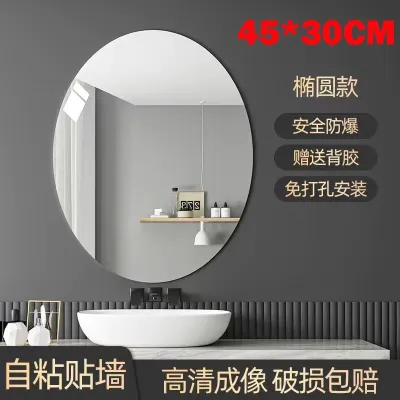
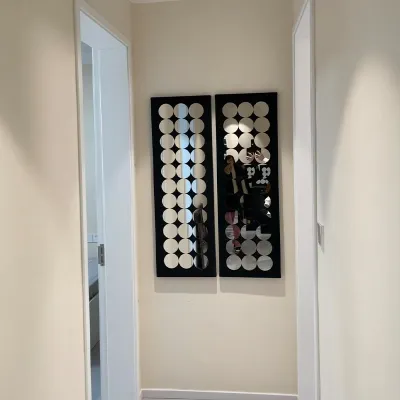
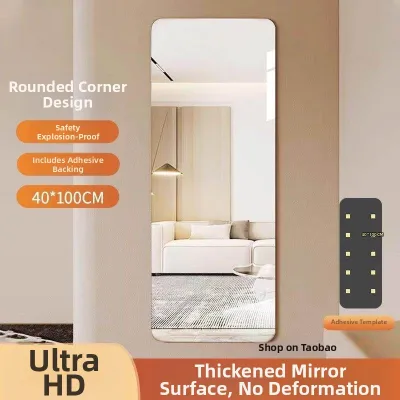
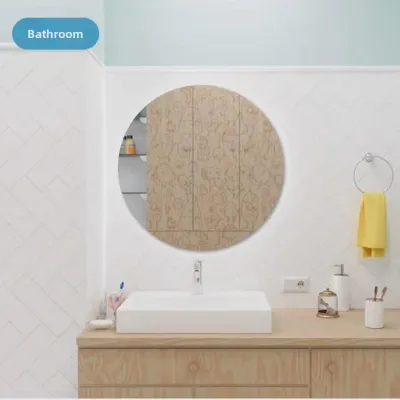
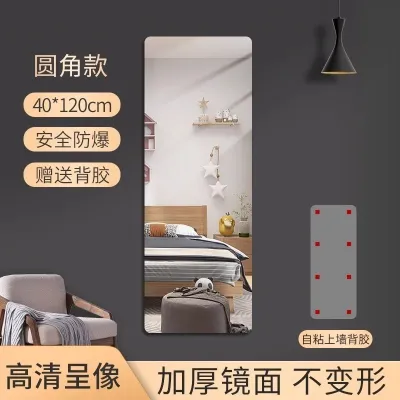
Prices are valid at publication and may change. Please refer to the product page for the latest price.
Frame design plays a critical role in how heavy a mirror feels within a room’s decor. Bulky, ornate, or dark wooden frames draw immediate attention to the mirror’s physical perimeter, emphasizing the wall’s limits. For a space-enlarging effect, minimalist frames are highly recommended. Frameless mirrors blend seamlessly into the background, while ultra-slim metal borders in matte black, brass, or brushed aluminum provide a clean edge without adding visual drag. Light-toned wood frames, such as oak or ash, work exceptionally well in Scandinavian or Japandi-themed interiors, offering a soft transition between the glass and the wall.
Shape is another powerful tool to manipulate spatial perception. Tall rectangular mirrors are highly effective in standard HDB layouts because they draw the eye upward, emphasizing vertical clearance and making low ceilings feel higher. Round or oval mirrors, on the other hand, are perfect for breaking up the rigid, boxy lines of modern apartments. Placing a circular mirror above a console table or sofa softens sharp architectural corners and introduces an organic, flowing energy that makes tight spaces feel more relaxed.
Glass quality is the final, non-negotiable criterion. Low-cost mirrors often utilize thin glass sheets that are prone to minor warping, resulting in a distorted reflection that causes eye strain and cheapens the look of your home. To maintain a premium, expansive feel, prioritize high-quality, distortion-free glass with a thickness of at least 4mm to 6mm. Opting for copper-free silver mirrors is highly beneficial in Singapore’s humid climate, as these are highly resistant to silver oxidation—the process that causes unsightly black edges over time.
Recommended Mirror Styles to Enlarge Small Apartments
Different mirror styles offer unique functional and aesthetic benefits. To choose the right option for your apartment, consider how each style manages light, interacts with your furniture, and fits your installation limitations.

Large Frameless and Slim-Frame Mirrors
- Best For: Living rooms, dining areas, and windowless communal spaces.
- Why It Works: These minimalist designs are engineered to bounce maximum light around a room. By eliminating heavy borders, the mirror surface extends right to the edge, mimicking the appearance of a real window or an open doorway. When positioned alongside a dining table, a large frameless mirror reflects the entire dining setup, creating a grand, double-depth effect that instantly elevates the dining experience.
- Limitations: Without a frame to anchor them, these mirrors can look cold, clinical, or overly plain if they are not balanced correctly. To prevent a sterile look, pair them with warm-toned lighting, such as warm-white LED strips, or place them above textured wooden sideboards and near soft indoor foliage.
Geometric and Asymmetrical Decorative Mirrors
- Best For: Foyers, entryways, and narrow transitional corridors.
- Why It Works: Arched, pebble-shaped, or intersecting geometric mirrors function as striking wall art while serving a practical spatial purpose. Their irregular contours and organic shapes draw the eye and create perceived depth by breaking up flat, monotonous walls. They distract the brain from the physical boundaries of tight entryways, making the transition into your home feel more welcoming and open.
- Limitations: Intricate shapes, multi-panel designs, or segmented glass pieces have more edges and crevices where dust can accumulate. Keeping these decorative pieces pristine requires regular dusting and careful cleaning with microfiber cloths to prevent smudges from dulling their spatial effect.
Modular and Stick-On Mirror Tiles
- Best For: Custom feature walls, covering structural pillars, or renter-friendly temporary upgrades where drilling is restricted.
- Why It Works: Modular stick-on wall mirrors (镜子贴墙) offer exceptional flexibility. They allow you to design custom configurations that fit awkward architectural niches, such as the sides of a household shelter or structural columns. Because they are lightweight and applied directly to the surface, they are easy to transport, handle, and install incrementally without professional help.
- Limitations: The seams between individual tiles can break up the reflection, causing minor alignment distortions if your wall surface is not perfectly flat. Additionally, adhesive mounting strictly limits the weight of the tiles; over time, high indoor humidity can degrade standard adhesive backings, requiring high-quality, moisture-resistant mounting tapes to prevent the tiles from peeling off.
Strategic Placement to Maximize the Illusion of Space
Where you place your mirror is just as important as the style you choose. Proper placement determines how light is distributed and what visual elements are amplified within your home.
Positioning a mirror directly opposite a window is the most effective way to brighten a dark apartment. This layout captures incoming natural light and bounces it deep into the interior, illuminating dark corners. It also reflects the outdoor view—whether it is a lush green landscape or a dynamic city skyline—effectively acting as an extra window that connects your indoor living space with the outdoors.
Narrow hallways and corridors can easily feel claustrophobic, but strategic mirror placement can alter this perception. Hanging a series of horizontal mirrors along one side of a narrow passage visually widens the corridor, making it feel less like a tunnel. Alternatively, placing a tall vertical mirror at the far end of a hallway creates an illusion of endless depth, drawing the eye forward and making the transit space feel significantly longer.
Placing a large mirror behind a dining table or a living room console is a classic design technique. This layout doubles the visual depth of the room by reflecting the opposite wall and any overhead light fixtures. The reflection multiplies the ambient glow of pendant lights or chandeliers, creating a warmer, more festive atmosphere during meals and social gatherings.
However, you must be highly intentional about what your mirror reflects. Pointing a mirror at a cluttered kitchen counter, a messy laundry rack, or a chaotic open storage shelf will double the visual noise, making your apartment feel more cramped and disorganized. Always aim your mirrors toward clean, minimalist walls, beautiful light fixtures, or outdoor views to maximize the sense of order and openness.
Safe Installation Guidelines for HDB and Condo Walls
Installing heavy glass objects on your walls requires a strict adherence to safety protocols to prevent structural damage or personal injury. Before beginning any installation, always consult the mirror manufacturer’s instructions and check the product’s weight limit. If the instructions conflict with your wall type, or if you are unsure of the structural integrity, stop and hire a qualified professional handyman.
First, identify the type of wall you are working with. Most structural walls in Singapore HDB flats and condominiums are made of solid concrete or precast panels, which are incredibly strong but require a rotary hammer drill and specialized masonry drill bits. Conversely, internal partition walls are often constructed from drywall or gypsum board. Drywall cannot support heavy loads on its own; you must use specialized toggle bolts or locate the internal timber or metal studs using a stud finder to anchor your mirror securely.
Next, choose the appropriate mounting method based on the mirror’s weight:
- Heavy Decorative Mirrors: For mirrors weighing more than 5 kilograms, always use mechanical fasteners. This involves drilling into the concrete wall, inserting plastic or metal wall plugs (anchors), and securing the mirror with heavy-duty screws or dedicated mounting brackets. Never rely solely on adhesive tape or glue for heavy glass.
- Lightweight Modular Tiles: For lightweight acrylic or small glass stick-on tiles (镜子贴墙), high-quality double-sided foam tape or specialized mirror adhesive is acceptable. Ensure the wall surface is thoroughly cleaned, dry, and free of loose paint or dust before application to guarantee a strong bond.
Finally, prioritize safety boundaries. If you are drilling into a wall, always isolate the power at your main distribution board (DB box) first to eliminate the risk of drilling into hidden electrical conduits. If your installation involves working at height, handling oversized glass sheets, or drilling near complex utility lines, do not attempt a DIY installation. Hiring a professional handyman ensures the mirror is mounted safely, protecting your household and preserving your home’s structural integrity.
Frequently Asked Questions (FAQ)
Can I use adhesive tape for heavy decorative mirrors?
No, you should never use adhesive tape or glue as the sole mounting method for heavy glass mirrors. Adhesives are strictly suitable for lightweight acrylic mirrors or small, modular tiles (typically under 1.5 kilograms per piece). Heavy decorative mirrors require mechanical fasteners, such as screws and wall anchors, to secure them safely to the wall. Over time, Singapore’s humid climate can degrade adhesive bonds, causing heavy glass to detach and fall, posing a severe safety hazard to household members. Always follow the manufacturer’s mounting guidelines.
What is the ideal height to hang a wall mirror in a small hallway?
The general rule of thumb is to hang a wall mirror at eye level, which means centering the middle of the mirror approximately 1.5 meters (150 centimeters) from the floor. In a narrow hallway, you may want to adjust this height slightly depending on the height of the occupants and the surrounding furniture. Ensure that the mirror is high enough to capture a full head-and-shoulders reflection without awkwardly cutting off the top of the head. For vertical mirrors, positioning the top of the mirror closer to the ceiling can also help draw the eye upward, maximizing the perception of vertical space.

Community discussion
Share your experience or ask a question. Comments are reviewed before publication.