
Finding a reliable waterproof led light for your HDB corridor or hallway involves balancing robust ingress protection against Singapore’s high humidity with a design that complements your interior space. Because HDB common areas and entryways are subject to unique environmental conditions, choosing a fixture with the right IP rating, materials, and light distribution is essential. This guide explains how to evaluate technical specifications, match fixtures to your layout, and ensure a safe, compliant installation.
Understanding Moisture Risks in HDB Corridors and Hallways
Singapore’s tropical climate brings persistent high relative humidity, often hovering above 80 percent year-round. In enclosed or semi-enclosed HDB corridors, this moisture-laden air frequently becomes trapped due to limited natural cross-ventilation. When warm, humid air encounters cooler surfaces—such as concrete walls cooled by adjacent air-conditioned living spaces or kitchens—condensation inevitably forms. Over time, this microscopic moisture buildup penetrates standard indoor lighting fixtures that lack proper protective seals.
Standard non-waterproof lights are highly vulnerable to moisture ingress. When humid air enters the fixture’s housing, it leads to the rapid oxidation of internal copper wiring, driver degradation, and premature LED chip failure. The visible symptoms of this damage include persistent flickering, dimming, and eventually, short circuits that can trip your home’s main distribution board (DB) box. Investing in moisture-resistant or waterproof LED fixtures is a practical way to prevent these hazards and avoid frequent, costly replacements.
Products mentioned in this guide
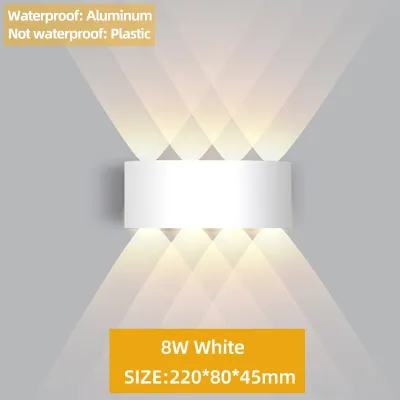
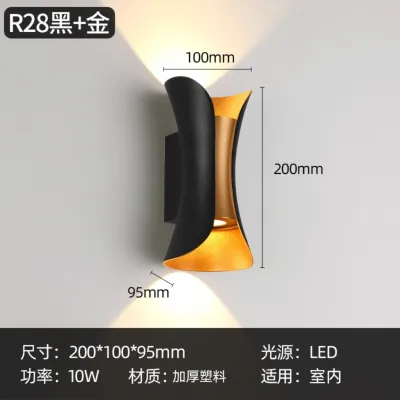
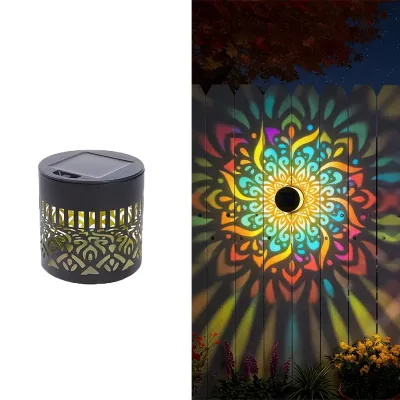
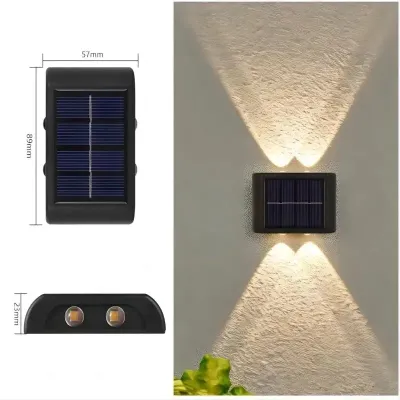
Prices are valid at publication and may change. Please refer to the product page for the latest price.
Essential Specifications for Your Waterproof LED Light
To safeguard your home’s electrical system and ensure long-term reliability, you must verify several key technical specifications before purchasing any wall light.

IP (Ingress Protection) Ratings
The Ingress Protection (IP) rating consists of two digits. The first digit (0 to 6) measures protection against solid objects like dust, while the second digit (0 to 9) measures protection against liquids. For indoor HDB hallways subject to high humidity or kitchen-adjacent condensation, an IP44 rating is typically the recommended baseline, as it protects against splashing water from any angle. If your corridor is semi-open and exposed to driving rain during monsoon seasons, upgrading to an IP65 or IP66 rating (which offers dust-tight protection and resistance to water jets) provides a much safer buffer.
Brightness and Beam Angle
Hallway lighting must provide sufficient illumination for safe navigation without creating uncomfortable glare. A light output of 400 to 800 lumens per fixture is generally ideal for residential corridors. The beam angle dictates how this light is dispersed. A wide beam angle (110 degrees or more) offers broad, diffused illumination that fills the space evenly. Conversely, a narrower beam angle (such as 24 to 36 degrees), often found in directional or adjustable up-and-down wall sconces, projects focused columns of light that highlight wall textures and architectural features.
Color Temperature
Choosing a color temperature is largely a matter of conditional preference and spatial intent rather than a measure of light quality. Warm white (2700K to 3000K) creates a soft, welcoming ambiance that is highly suited for relaxing entryways and transitional zones. Neutral white (4000K) mimics natural daylight and provides clean, crisp visibility, making it an excellent choice for functional, high-traffic corridors. Cool white (6000K and above) offers maximum contrast and task-oriented clarity, though some homeowners find its stark appearance less inviting for domestic spaces.
Material and Finish
The housing of your fixture must withstand the corrosive effects of Singapore’s humid air. Look for high-quality materials such as cast aluminum with an anti-corrosive powder coating, polycarbonate (PC), or marine-grade stainless steel. Avoid cheap, untreated ferrous metals, which will quickly rust and stain your HDB walls.
Electrical Compatibility and Certification
Ensure the fixture is rated for Singapore’s standard mains voltage of 220V-240V AC at 50Hz. Always check for the Safety Mark certification issued by Enterprise Singapore, which indicates the product has been tested and declared safe for local domestic use. Additionally, verify whether the fixture uses integrated LEDs or replaceable bulbs (such as GU10 or E27 bases), as this affects future maintenance and wattage limits.
Matching Fixture Designs to Your Hallway Layout
The physical layout of your HDB hallway directly influences how light behaves. Factors such as ceiling height, corridor width, and the presence of natural light from nearby windows determine which fixture design will perform best.
Narrow and Enclosed Corridors
In tight, narrow HDB corridors, spatial economy is paramount. Standard protruding wall lights can become physical obstacles, easily bumped by family members carrying groceries or moving furniture. To prevent this, select slim-profile or flush-mount fixtures with a depth of less than 10 centimeters.
Utilizing up-and-down wash lighting is a highly effective design technique for these spaces. By casting light simultaneously toward the ceiling and the floor, these fixtures draw the eye vertically, creating a visual illusion of height that makes narrow passages feel significantly more spacious and less claustrophobic. For uniform illumination without dark spots, space these fixtures approximately 1.5 to 2 meters apart, depending on their lumen output.
Open Foyers and Transitional Hallways
Wider entryways and transitional foyers offer more creative freedom, allowing you to integrate decorative wall sconces that complement your overall interior design theme, whether it is minimalist, industrial, or mid-century modern. In these larger spaces, fixtures with frosted or milky polycarbonate diffusers are highly beneficial, as they soften the light output and eliminate harsh, distracting shadows.
If your foyer transitions between bright daytime natural light and dark evening hours, consider installing dimmable LED fixtures. Ensure you verify the dimming method—such as traditional leading-edge/trailing-edge triac dimmers or modern smart protocols like Zigbee—to guarantee compatibility between your wall switch and the light’s internal LED driver.
Installation and Electrical Safety Guidelines
Installing fixed wiring or mounting new electrical fixtures in damp, humid environments requires strict adherence to safety protocols to prevent shock, fire, or structural damage.
In Singapore, any work involving fixed electrical wiring, the creation of new circuits, or structural modifications must legally be performed by a Licensed Electrical Worker (LEW). Attempting to wire these fixtures yourself not only violates local regulations but also risks voiding your home insurance and product warranties.
Before any physical inspection, mounting, or wiring begins, always isolate the power supply by turning off the appropriate circuit breaker at your home’s main distribution board (DB) box. Use a reliable, calibrated non-contact voltage tester to verify that the wires are completely dead before touching them.
When mounting the fixture, first check the load-bearing capacity of your HDB wall. Concrete walls require heavy-duty masonry drill bits and appropriate wall plugs (rawl plugs) to ensure the fixture remains securely anchored over time.
To maintain the fixture’s waterproof integrity, extreme care must be taken when handling the protective gaskets and silicone seals during assembly. Ensure the rubber gaskets are seated perfectly flat within their designated grooves before tightening the housing screws. Over-tightening can pinch or tear the seal, while under-tightening can leave gaps; both scenarios allow humid air to bypass the protection and enter the electrical chamber. If the manufacturer’s instructions conflict with your specific setup, or if you are working at height or near potential heat sources, stop immediately and consult your LEW.
Maintenance Tips for Humid Environments
Even the highest-quality waterproof fixtures require periodic maintenance to ensure they continue to perform optimally in Singapore’s humid climate.
Conduct a routine visual inspection of your wall lights every three to six months. Look closely for any signs of internal condensation behind the lens, discoloration of the housing, or fine cracks in the silicone seals.
When cleaning the fixture, always turn off the power supply first. Wipe the exterior housing and diffuser gently using a clean, dry, or slightly damp microfiber cloth. Avoid using harsh chemical solvents, alcohol-based cleaners, or abrasive scrubbing pads, as these substances can degrade the protective anti-corrosive coatings and accelerate the breakdown of the waterproof rubber seals.
If you observe water droplets trapped inside the light, or if the seals appear dry, cracked, or brittle, do not attempt to dismantle the delicate internal LED driver or bypass the wiring. This indicates that the waterproof barrier has been compromised, and you should contact the manufacturer or a qualified professional to repair or replace the unit.
Frequently Asked Questions (FAQ)
Can I use outdoor-rated wall lights inside my HDB hallway?
Yes, you can safely install outdoor-rated wall lights inside your HDB hallway. Technically, an outdoor fixture with a higher IP rating (such as IP65) offers superior protection against moisture and dust, which is highly beneficial in humid transitional spaces. However, keep in mind that outdoor fixtures are often designed with a bulkier, more rugged aesthetic that may not match your indoor decor. They may also carry a higher price tag, representing an over-specification for areas that only experience ambient humidity rather than direct rain exposure.
Do waterproof LED wall lights consume more electricity?
No, waterproofing does not increase a fixture’s electricity consumption. The IP rating refers solely to the physical protection of the outer housing against solid particles and water ingress. The energy consumption of the light is determined entirely by the wattage of the LED chip and the efficiency of the internal driver. A 10-watt waterproof LED wall light will consume the exact same amount of electricity as a standard 10-watt indoor LED light while providing similar energy savings over traditional incandescent bulbs.

Community discussion
Share your experience or ask a question. Comments are reviewed before publication.