
Why Wireless Wall Lamps Work Well for Corridors
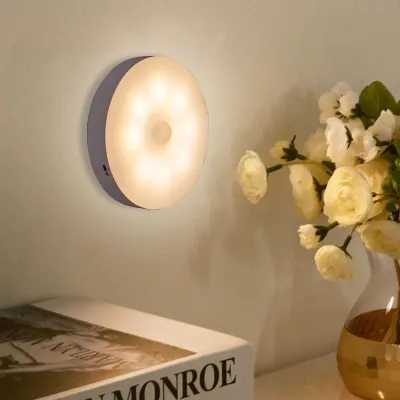
Corridors and hallways in Singapore residential properties, such as Housing & Development Board (HDB) flats and private condominiums, often present a distinct spatial challenge. These architectural transitional spaces frequently lack pre-wired electrical points, leaving them dim or entirely dark during the night. Installing traditional wired lighting in these areas usually requires extensive concrete hacking, electrical conduit installation, and professional wiring services, which can be costly and require regulatory considerations. A wireless wall lamp solves these issues by offering a versatile, battery-powered alternative that can be positioned precisely where illumination is needed without any structural modifications.
The aesthetic benefits of a wireless wall lamp are particularly noticeable in narrow Singaporean hallways. Without unsightly external casing, surface-mounted conduits, or trailing extension cords, these fixtures maintain a clean, minimalist profile that preserves the visual width of tight spaces. Many modern units feature slim, low-profile designs that do not protrude excessively from the wall, reducing the risk of accidental contact as residents walk past.
Additionally, integrating motion-sensor technology into these wireless fixtures ensures that energy is used efficiently. Because corridors are transitional zones rather than living spaces, continuous illumination is rarely necessary. Motion-activated sensors trigger the light only when someone enters the space and automatically shut off after a set period, preserving battery life while providing instant, hands-free illumination for late-night trips to the kitchen or bathroom.
Products mentioned in this guide
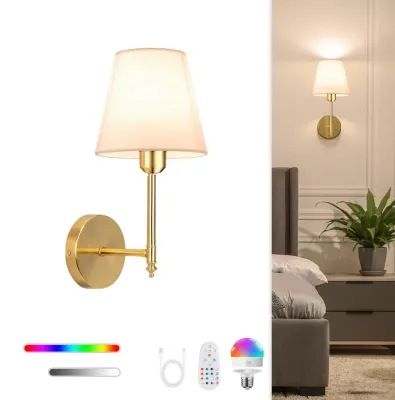
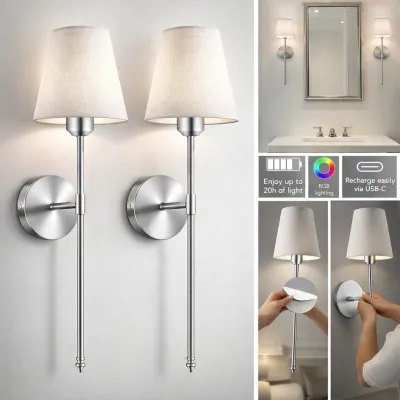

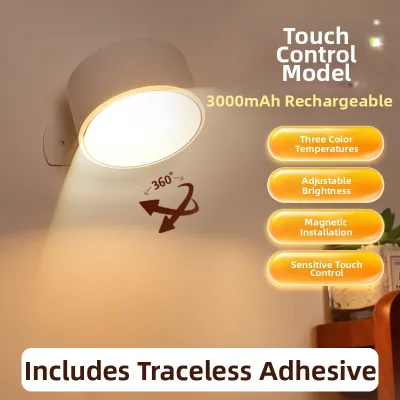
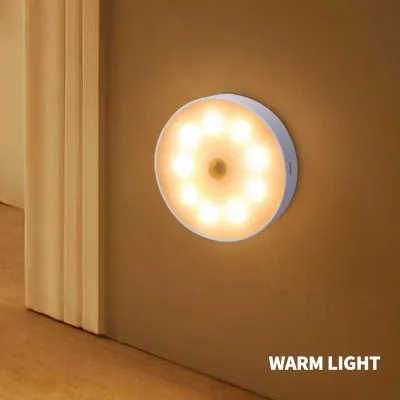
Prices are valid at publication and may change. Please refer to the product page for the latest price.
What to Look for in a Wireless Corridor Wall Lamp
Illumination and Sensor Technology
When selecting a wireless wall lamp, evaluating the light output and optical characteristics is essential to ensure the space is adequately illuminated without causing discomfort. Light output is measured in lumens, and for a typical residential corridor, a range of 50 to 150 lumens per fixture is generally sufficient to guide movement safely. Excessive brightness in a narrow hallway can cause intense glare, especially when waking up in the middle of the night. Color temperature is another key specification to verify; warm white light (around 2700K to 3000K) is a common preference for creating a soft, welcoming ambiance, whereas cool white light (4000K to 5000K) might be preferred by those who prioritize high visual clarity.

The performance of a motion-activated corridor light relies heavily on its sensor technology. Most reliable wireless wall lamps utilize Passive Infrared (PIR) sensors, which detect changes in infrared radiation caused by human movement. To ensure seamless operation, check the manufacturer’s specified detection angle and range. A detection angle of 120 degrees and a range of 3 to 5 meters are standard configurations that allow the lamp to activate before you fully step into the dark zone. Additionally, an integrated ambient light sensor is highly beneficial, as it prevents the lamp from turning on during daylight hours, thereby conserving battery power.
Power Source and Battery Life
Power configuration directly determines the long-term maintenance requirements of a wireless wall lamp. Rechargeable lithium-ion batteries are generally more cost-effective and environmentally friendly than disposable alkaline batteries (such as AA or AAA cells). When choosing a rechargeable model, look for fixtures that utilize a USB-C charging interface, which offers faster charging times and compatibility with standard household chargers.
It is critical to evaluate manufacturer battery life claims with a degree of skepticism. A claim of “up to six months of battery life” is typically based on specific laboratory testing conditions, such as 8 to 10 daily activations lasting 15 seconds each. If your corridor experiences heavy foot traffic, or if you have pets that trigger the sensor frequently, the actual interval between charges will be significantly shorter. To simplify the recharging process, prioritize lamps featuring a magnetic detachable design. This mechanism allows you to easily pull the light body off its wall mount for charging while leaving the base adhesive or screw bracket completely undisturbed.
Build Quality and Humidity Resistance
Singapore’s tropical climate presents unique environmental challenges for indoor electronic devices. The high relative humidity, which often exceeds 80% year-round, can accelerate the degradation of internal circuitry and low-quality materials. For corridors located near open windows, main entrance doors, or service yards, look for wireless wall lamps constructed from durable materials like high-grade ABS plastic or anodized aluminum alloys, which resist yellowing, corrosion, and structural weakening over time.
If your corridor is semi-outdoor, exposed to occasional wind-blown rain, or prone to high condensation, verifying the fixture’s Ingress Protection (IP) rating is necessary. An IP20 rating is suitable only for dry, fully enclosed indoor spaces. For areas with potential moisture exposure, seek a rating of IP44 or higher, which indicates protection against water splashes from any direction. Additionally, check the manufacturer’s operating temperature and humidity guidelines to ensure the device is rated for Singapore’s warm, humid climate.
Reliable Brand Categories for Wireless Wall Lighting
Smart Home Ecosystem Brands
Smart home ecosystem brands, including Philips Hue, Xiaomi, and Yeelight, offer wireless wall lamps that can be integrated into broader home automation networks. These brands are highly suitable for homeowners who want to coordinate their corridor lighting with other smart devices. For example, you can configure a routine where the wireless corridor lamp activates automatically when a smart digital door lock is unlocked at night, or sync it with smart bedroom sensors.
Control is typically managed via dedicated mobile applications or voice assistants, allowing you to adjust brightness levels, set operational schedules, and monitor battery status remotely. However, these advanced features come with specific limitations. Smart wireless lamps generally command a higher price point compared to standalone units. Furthermore, you must verify the communication protocol of the specific model; some require a dedicated smart hub or gateway (such as a Zigbee bridge) to enable full smart functionality, while others rely on direct Bluetooth or Wi-Fi connections which may consume more battery power.
Dedicated Lighting and Hardware Brands
For homeowners who prioritize optical precision, visual comfort, and high-quality materials over smart connectivity, dedicated lighting and hardware brands are an excellent choice. These brands focus on the fundamental physics of lighting, often incorporating advanced lens designs that minimize direct glare and distribute light evenly along the floor path. They frequently offer products with a high Color Rendering Index (CRI), typically CRI 90 or above, which ensures that wall colors, artwork, and decorative elements in the corridor are represented accurately and vibrantly.
These fixtures are particularly well-suited for main corridors where aesthetic presentation is a priority. Because these brands focus on hardware refinement, their wireless lamps usually feature robust physical switches, high-quality motion sensors, and premium finishes like brushed metal or matte polycarbonate. The primary trade-off is the lack of smart home integration; these lamps operate as standalone devices, relying entirely on their built-in sensors and manual controls without app-based customization.
Value and Utility-Focused Brands
Value-focused brands, widely available on major e-commerce platforms in Singapore, offer highly practical and cost-effective wireless wall lighting solutions. These products are ideal for secondary hallways, dark closets, service yards, or for tenants living in rental properties who require a non-permanent lighting solution without a significant financial commitment. These lamps are typically compact, lightweight, and designed for rapid installation.
While these budget-friendly options provide excellent utility, buyers should carefully scrutinize certain specifications before purchasing. The reliability of the motion sensors can vary, sometimes leading to delayed activation or false triggers. Additionally, the lithium-ion batteries used in entry-level products may experience faster capacity degradation over several charge cycles. It is also important to inspect the quality of the included adhesive mounting pads, as low-grade adhesives can fail under Singapore’s humid conditions, causing the lamp to fall and sustain damage.
Installation, Maintenance, and Safety Tips
- Wall Surface Compatibility: Proper mounting is critical to ensure your wireless wall lamp remains securely attached over time. In Singapore, residential walls are commonly made of painted concrete, drywall, or ceramic tiles. If you choose adhesive mounting, ensure the surface is thoroughly cleaned with isopropyl alcohol to remove dust and grease before application. Be aware that strong adhesives can damage drywall paper or peel away low-quality paint finishes when removed. For heavy fixtures or textured concrete surfaces, screw mounting is the most reliable method. If drilling is required, always verify that the drilling path is clear of hidden water pipes or electrical conduits.
- Mounting Height and Placement: To maximize the effectiveness of the motion sensor and ensure even light distribution, mount the wireless wall lamp at an appropriate height. For general corridor illumination, a mounting height of 1.5 to 1.8 meters above the floor is recommended, as this keeps the light source close to eye level without causing direct glare. Alternatively, if you are using the lamps as low-level path lights, positioning them 0.3 to 0.5 meters above the floor provides excellent step illumination. Ensure the sensor has an unobstructed line of sight down the hallway, away from large decorative items or doors that could block its detection field.
- Battery and Charging Safety: When recharging lithium-ion battery-powered lamps, safety should be your primary concern. Always use the manufacturer-provided charging cable or a high-quality alternative that matches the recommended voltage and current specifications. In Singapore, ensure that any USB power adapter or wall charger you use carries the Enterprise Singapore Safety Mark, which indicates compliance with local safety standards. Avoid leaving rechargeable light units plugged into a charger indefinitely if the manufacturer instructions indicate they lack overcharge protection. Regularly inspect the light body for signs of battery degradation, such as swelling, unusual heat during operation, or a rapid loss of charge.
- Routine Maintenance: To keep your wireless wall lamps operating at peak performance, establish a simple routine maintenance schedule. Dust and airborne oils can accumulate on both the light diffuser and the PIR sensor lens over time. A dirty sensor lens can significantly reduce motion detection range and sensitivity, while a dusty diffuser will dim the light output. Every few months, gently wipe these surfaces with a dry or slightly damp microfiber cloth. Avoid using harsh chemical solvents or abrasive cleaners, which can scratch the plastic lenses or degrade protective coatings.
Frequently Asked Questions (FAQ)
Can wireless wall lamps provide enough light for a dark corridor?
Yes, modern LED wireless wall lamps can provide sufficient illumination for safe navigation through a dark corridor, though they are not intended to replace high-output wired ceiling fixtures. A standard wireless lamp emitting 50 to 150 lumens is highly effective for orienting your path and preventing trips. To achieve balanced illumination throughout a long or winding hallway, it is best to install multiple low-output units spaced evenly (typically 1.5 to 2 meters apart) rather than relying on a single bright light source, which can create harsh shadows and uncomfortable glare.
How do I maintain the battery life of a rechargeable wall lamp?
To prolong the lifespan of the built-in lithium-ion battery, avoid letting the battery drain completely to 0% before recharging. Instead, plug the device in for a charge as soon as you notice the light output beginning to dim. Keep the lamp away from direct heat sources, such as areas exposed to intense afternoon sun through windows, as elevated temperatures accelerate battery degradation. Additionally, adjust the sensor’s active duration to the shortest practical setting (typically 15 to 30 seconds) to minimize unnecessary power draw.
Are wireless wall lamps safe to use in humid areas near the entrance?
Standard indoor wireless wall lamps are not waterproof and should not be exposed to direct rain, heavy condensation, or splashing water. If you plan to install a lamp near a main entrance, an open window, or a semi-outdoor corridor, you must verify the product’s IP (Ingress Protection) rating. A rating of IP44 or higher is recommended for these transitional zones to ensure the internal electronics are protected against moisture. If the manufacturer instructions state the product is rated only for indoor use (typically IP20), keep the fixture well away from external openings to prevent moisture-induced short circuits or corrosion.

Community discussion
Share your experience or ask a question. Comments are reviewed before publication.