
Illuminating a dark HDB hallway no longer requires messy electrical hacking or unsightly plastic casing. The most practical solution for Singapore homeowners is installing rechargeable LED wireless wall lights equipped with magnetic mounts and passive infrared (PIR) motion sensors. These fixtures bypass the structural limitations of concrete walls, offering a drill-free, wire-free way to illuminate dark transition zones safely.
Why Wireless Wall Lights Solve HDB Corridor Lighting Challenges
Singapore Housing & Development Board (HDB) flats, whether older resale units or brand-new Build-To-Order (BTO) apartments, are built using precast reinforced concrete. This robust construction makes structural modifications incredibly difficult. If you want to add a traditional wired sconce, you face a dilemma: hire a licensed electrical worker to hack the concrete walls—which requires structural checks and patching—or run surface-mounted PVC trunking. Trunking is functional but disrupts the clean, minimalist lines that modern interior designs demand.
Wireless wall lights offer a modern alternative. Powered by internal batteries, these fixtures require zero hardwiring. They mount directly to concrete, plaster, or wood surfaces using non-invasive methods, allowing you to bypass HDB renovation guidelines and electrical permits entirely. This is an absolute lifesaver for tenants who want to personalize their living space without losing their security deposit, as well as BTO owners who want to avoid the high costs of electrical wiring works, which can easily range from S$80 to S$150 per new lighting point.
Products mentioned in this guide
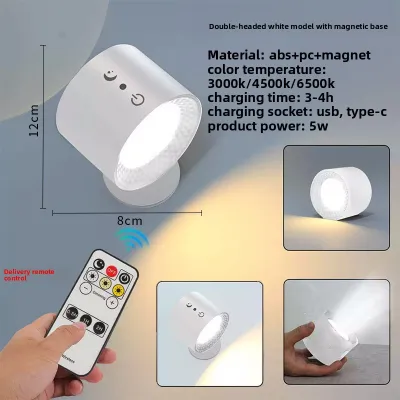
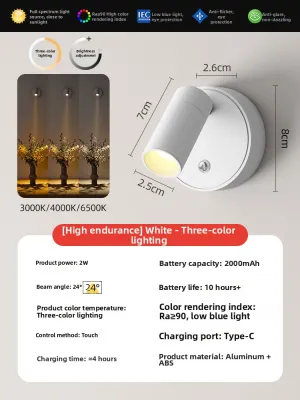
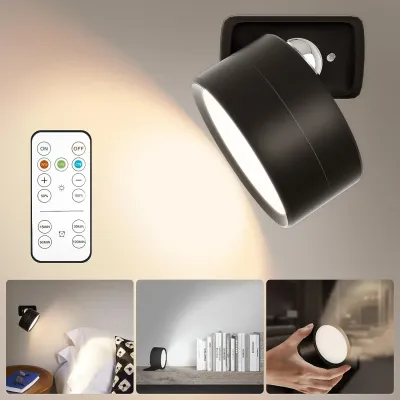
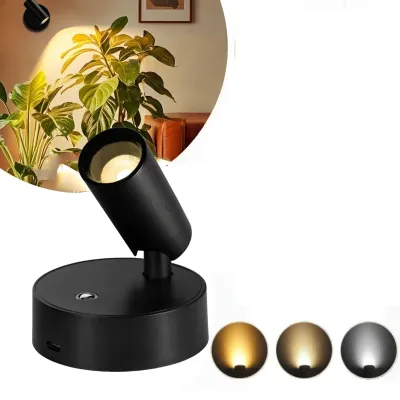
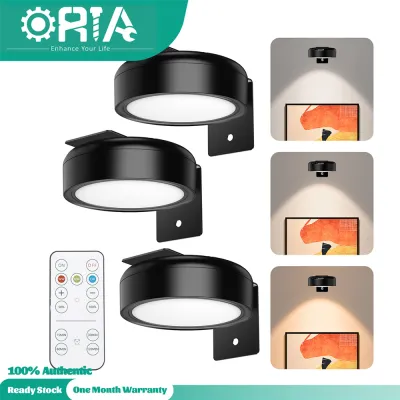
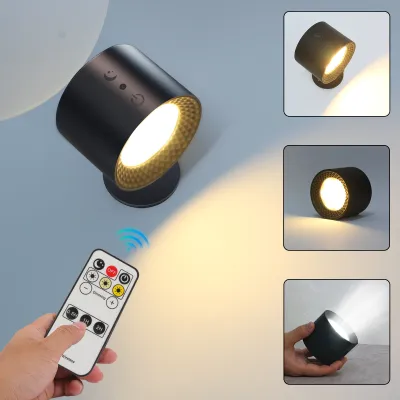
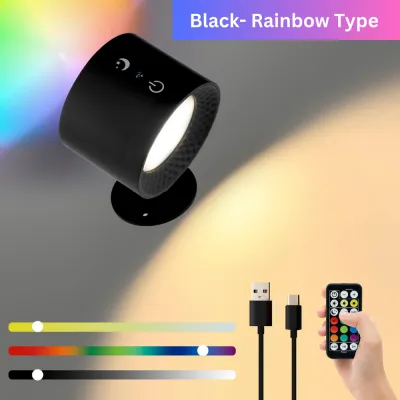
Prices are valid at publication and may change. Please refer to the product page for the latest price.
Adding layered lighting to your hallway also provides significant aesthetic and functional benefits. BTO and resale corridors often feel like dark tunnels due to a lack of natural light. Introducing wall sconces creates a high-end, layered lighting effect, transforming a decorative walkway into a warm, welcoming architectural feature.
Essential Features for Hallway Wireless Wall Lights
Selecting the right fixture requires balancing convenience, functionality, and performance. Because these lights are self-contained, you must evaluate how they are powered, how they detect presence, and how they distribute light.

Battery Types and Charging Convenience
When shopping for wireless wall lights on online marketplaces or local lighting shops, you will encounter two primary power configurations: built-in rechargeable lithium-ion batteries and replaceable dry-cell batteries (such as AA or AAA alkaline cells).
For high-traffic transition spaces like corridors, rechargeable lithium-ion batteries are highly recommended. These batteries typically range from 1,200mAh to 4,000mAh in capacity. A quality 2,000mAh battery operating on motion-sensor mode (triggering 10 to 15 times a night) can easily last between two to four months on a single charge. This drastically reduces long-term operational costs compared to alkaline batteries, which must be discarded and replaced frequently, generating chemical waste.
Look specifically for fixtures that feature a USB-C charging port. USB-C has become the standard charging interface in Singapore, meaning you can easily use your existing smartphone or tablet charger to power up your lights. Always verify the manufacturer’s recommended charging voltage (typically 5V DC) to prevent damaging the internal battery management system.
The physical design of the light is just as important as its battery chemistry. Avoid fixtures that require you to unscrew the entire base from the wall every time the battery dies. Instead, opt for models with a detachable magnetic design. These fixtures consist of a slim metal plate that adheres permanently to the wall, while the light head itself contains a powerful neodymium magnet. When the battery runs low, you simply pull the light head off the wall, plug it in near an electrical outlet, and snap it back into place once fully charged.
Motion Sensors vs. Manual Controls
How your lights turn on determines how useful they will be in your daily routine. For hallway navigation, Passive Infrared (PIR) motion sensors are the superior choice. PIR sensors detect changes in infrared radiation, which is emitted as heat by human bodies and pets. When you step out of your bedroom in the middle of the night, the sensor instantly registers your presence and illuminates the path, turning off automatically after 15 to 30 seconds of inactivity. This hands-free operation is incredibly convenient when carrying groceries or guiding elderly family members and young children safely through the home.
Manual controls, such as physical toggle switches, touch-sensitive panels, or infrared remote controls, serve a different purpose. If your primary goal is to create a warm, continuous ambient glow during dinner parties or movie nights, manual controls are ideal. They allow you to keep the lights on indefinitely without worrying about them shutting off when nobody is moving.
The ideal compromise is a hybrid fixture that offers three switch positions: “ON” for continuous manual illumination, “OFF” for storage or daytime conservation, and “AUTO” for motion-sensor activation. Some premium models also feature adjustable light-sensing thresholds, ensuring the motion sensor only triggers when the hallway is genuinely dark, thereby conserving battery power during bright daylight hours.
Brightness and Color Temperature for Navigation
Choosing the correct light output is critical in the confined spaces of an HDB corridor. Traditional ceiling downlights can be intensely bright, but wall-mounted lights are positioned closer to eye level. To avoid visual discomfort, look for wireless wall lights that deliver between 50 and 150 lumens. This range is bright enough to clearly illuminate trip hazards, such as stray shoes or toys, without causing painful glare when your eyes are dark-adjusted.
Color temperature is measured in Kelvins (K) and dictates the warmth of the light. For residential hallways, stick to warm white (2700K to 3000K) or neutral white (3500K to 4000K). Warm white light mimics the gentle glow of incandescent bulbs, creating a cozy, welcoming atmosphere that feels premium and relaxing. It also has a lower blue-light content, which is crucial for maintaining healthy sleep hygiene.
Avoid cool white light (5000K to 6500K) in sleeping zones and corridors. Cool white light stimulates the production of cortisol, a hormone that promotes alertness, which can make it difficult to fall back asleep after a midnight trip to the bathroom or kitchen. Save cool white lighting for task-oriented areas like home offices or kitchen prep counters.
Strategic Placement and Safe Installation in HDB Flats
Proper installation ensures your lights perform effectively while protecting your home’s surfaces. You must consider both the physical placement and the mounting method to ensure long-term safety.
Optimal Heights and Spacing for Narrow Walkways
Proper placement of your wireless wall lights ensures even illumination and a balanced aesthetic. For general ambient lighting, the standard mounting height for wall sconces is between 1.5 and 1.7 meters above the finished floor level. This positions the light source roughly at eye level for the average adult, preventing you from looking directly down into the light source while casting a soft, decorative wash of light upward and downward along the wall.
If you are installing low-level path lights or step lights, mount them much lower—approximately 30 to 45 centimeters above the floor, just above the skirting board. This low-level positioning is highly effective at casting a gentle pool of light directly onto the floor, mimicking the high-end footlights found in luxury hotels and modern commercial spaces.
To determine spacing, measure the total length of your corridor. In a typical HDB layout, hallways are relatively short, ranging from 3 to 5 meters. To eliminate dark spots and shadow zones, space your lights approximately 1.2 to 1.8 meters apart. Always prioritize placing fixtures near high-risk transition zones. These include the immediate exit of bedroom doors, the threshold of the common bathroom, and the dark corner of an L-shaped corridor where visibility is naturally restricted.
Wall-Safe Mounting Methods
Before mounting any fixture, check the manufacturer’s packaging for specific weight limits and mounting instructions. Because wireless wall lights do not rely on heavy internal transformers, they are generally lightweight, making them perfect candidates for damage-free adhesive mounting.
The most popular mounting method is using heavy-duty, double-sided acrylic foam tapes, such as 3M Command strips. These adhesives create an incredibly strong bond with smooth, non-porous surfaces. However, standard HDB concrete walls are typically coated with matte emulsion wall paint. Aggressive adhesives can bond so strongly to the paint that any attempt to peel them off will rip the paint and plaster right off the concrete, leaving unsightly patches that require puttying and repainting.
To prevent this damage, consider alternative mounting surfaces. If your hallway features built-in carpentry, such as a laminate shoe cabinet or a wooden feature wall, mount the adhesive base onto these surfaces instead. If you must mount on a painted wall, apply a layer of painter’s masking tape to the wall first, then apply the heavy-duty adhesive onto the masking tape. The masking tape has a lower tack and can be peeled away safely later using a hair dryer to gently soften the adhesive.
For those who prefer a permanent, rock-solid installation, traditional screw mounting is the safest option. Use a digital wall scanner to check for hidden electrical conduits or water pipes before drilling. Drill a shallow hole using a 5mm masonry bit, insert a plastic wall plug, and secure the magnetic mounting bracket with a standard screw. This method is highly recommended for heavier metal-bodied sconces that could fall and damage expensive vinyl or tile flooring if an adhesive bond fails under Singapore’s humid climate conditions.
Maintaining Your Wireless Corridor Lights
To keep your wireless hallway lighting system operating reliably, establish a simple, proactive maintenance routine. Because these lights are battery-powered, they will eventually run out of charge. To avoid being left in the dark, mark a recurring reminder on your calendar every two to three months to check and recharge all fixtures, or choose models that feature a subtle red flashing LED indicator when the battery drops below 15%.
Keep the sensor lenses clean. Over time, airborne dust, cooking grease from the kitchen, and household lint will settle on the translucent plastic dome of the PIR sensor. This accumulation blocks infrared energy, drastically reducing the sensor’s detection range and causing it to respond sluggishly or fail to turn on altogether. Once a month, wipe the sensor dome and the light diffuser lens with a clean, dry microfiber cloth. Avoid using wet wipes, glass cleaners, or abrasive chemical solvents, which can scratch the delicate plastic optics or seep into the internal electronics.
Finally, periodically inspect the physical mounting connection. Singapore’s high relative humidity can slowly degrade the adhesive strength of double-sided tapes over time. Every few months, give the mounted base a gentle tug to ensure it is still firmly anchored to the wall. If you notice any peeling or wobbling, remove the base, clean the wall surface with isopropyl alcohol to remove oil and dust, and apply a fresh piece of high-quality mounting tape to prevent the fixture from falling.
Frequently Asked Questions (FAQ)
Can I mount wireless lights on my HDB household shelter door?
Yes, and in fact, wireless magnetic lights are the absolute best solution for this specific scenario. The household shelter (commonly referred to as the bomb shelter) in an HDB flat is built with thick, reinforced concrete walls and a heavy, airtight steel door designed to protect residents during emergencies. HDB renovation guidelines strictly prohibit any form of hacking, drilling, or screwing into the shelter door, frame, or walls, as this compromises the structural integrity and pressure-sealing capabilities of the shelter.
Because the household shelter door is made of solid steel, you do not need to drill or even use sticky adhesives. You can purchase wireless wall lights that feature built-in magnetic backings. These fixtures will snap directly onto the exterior or interior of the steel door instantly, providing clean, compliant, and highly functional lighting without violating any HDB regulations.
Will motion sensors trigger falsely in narrow HDB hallways?
False triggers are a common issue in narrow HDB corridors, but they can be easily managed. PIR sensors operate by detecting moving heat sources. In a confined space, an oscillating fan nearby, a sudden draft of warm air from an open service yard window, or a roaming family pet can easily trigger the sensor, causing the light to turn on unnecessarily and draining the battery.
To prevent false triggers, pay close attention to the positioning of the light. Avoid placing the sensor directly opposite an air conditioning vent, a refrigerator exhaust, or a window where drafts are common. If your pets are triggering the lights at night, mount the fixtures slightly higher and angle the sensor upward, or apply a small piece of opaque electrical tape over the bottom half of the sensor lens. This effectively blocks the sensor’s downward field of view, preventing it from detecting movement close to the floor while still responding perfectly to passing adults.

Community discussion
Share your experience or ask a question. Comments are reviewed before publication.