
Selecting a blue porcelain vase involves balancing distinct design styles with objective standards of ceramic craftsmanship. Whether you are drawn to the intricate, historical motifs of traditional Chinese ware or the clean, muted tones of contemporary European design, understanding how these pieces are made is the key to finding a lasting investment. By evaluating the clay composition, firing temperatures, and decoration methods, you can confidently identify high-quality pieces that elevate your living space.
In modern homes, these ceramics serve as excellent design anchors. They bridge the gap between historic charm and contemporary simplicity, working exceptionally well in bright, airy interiors. Understanding the nuances of each style and quality marker allows you to choose a piece that not only complements your furniture but also stands the test of time as a collectible work of art.
Exploring Popular Blue Porcelain Vase Styles
Blue porcelain is one of the most versatile decorative mediums in interior design. The interplay between cobalt blue pigment and white clay creates a visual contrast that can either command attention as a bold focal point or blend softly into a room’s background. The specific shade of blue—ranging from intense, deep indigo to a soft, dusty slate—along with the pattern’s density, dictates how much visual weight the vase will introduce to your decor.
Products mentioned in this guide
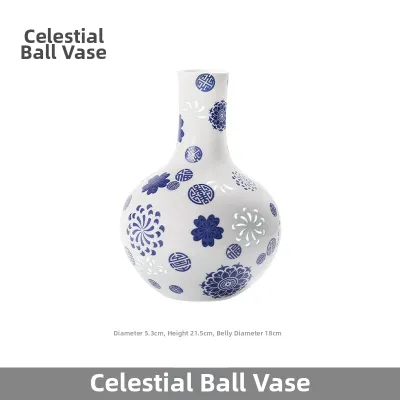
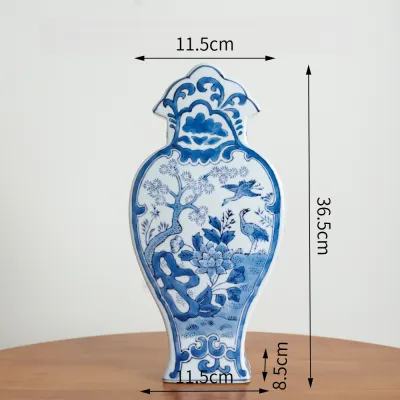
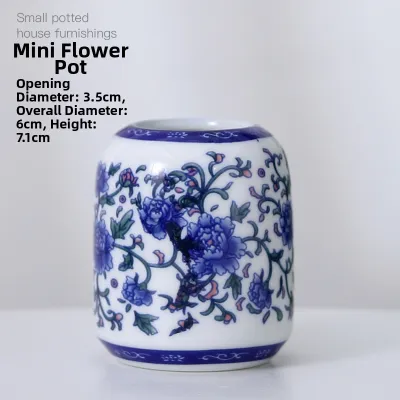
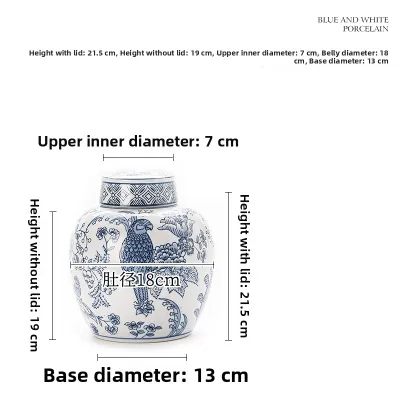
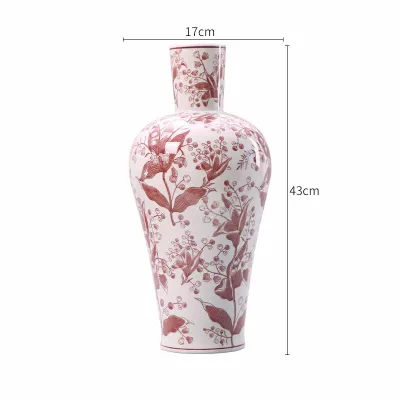
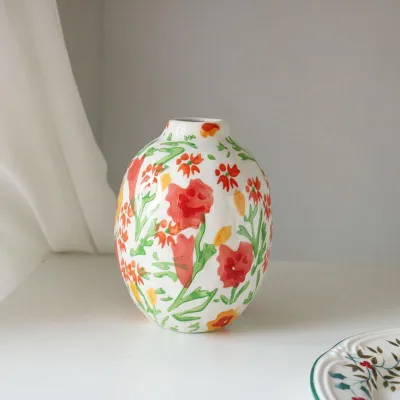
Prices are valid at publication and may change. Please refer to the product page for the latest price.
Traditional Chinese Blue-and-White (Qinghua)
Traditional Chinese blue-and-white porcelain, historically known as Qinghua, represents the pinnacle of classical ceramic art. Originating centuries ago and reaching its aesthetic peak during the Ming and Qing dynasties, this style relies on a striking contrast of rich cobalt blue painted onto pure white clay. The pieces are finished with a glossy, transparent glaze and fired at exceptionally high temperatures to achieve a glass-like surface.
Typical patterns on Qinghua vases are rich with symbolism and narrative depth. You will often find intricate floral vines, such as peonies representing wealth or lotuses representing purity, alongside sweeping landscapes, mythical dragons, and geometric border patterns like the ruyi or key fret. These detailed designs make traditional vases highly commanding visual anchors, perfect for adding a sense of history, heritage, and worldly sophistication to both classic and modern rooms.
Modern Minimalist
Modern minimalist blue porcelain vases strip away historical complexity to focus entirely on pure form, texture, and subtle color transitions. This style is designed to complement contemporary, uncluttered spaces where negative space and clean lines are highly valued. Instead of busy narrative patterns, these vases celebrate the beauty of the silhouette itself.
Common design elements include sleek geometric shapes, such as perfect cylinders, spheres, and sharp-angled teardrops. Decoratively, they often feature abstract, single-stroke brushwork, soft gradient glazes that fade from deep cobalt to crisp white, or solid, uniform blue finishes in matte or high-gloss. Some modern designs also leave portions of the vase unglazed, exposing the raw, textured biscuit clay to create a tactile contrast against the smooth, blue-glazed sections.
Scandinavian-Inspired
Scandinavian-inspired blue porcelain brings a sense of cozy functionality and organic simplicity to home decor. This style moves away from the high-contrast, vivid cobalt blues of traditional ware, opting instead for a more muted, nature-inspired palette. You will frequently see dusty blues, slate gray-blues, denim tones, and soft ice blues that evoke the cool light of Nordic landscapes.
Shapes in this category tend to be organic, soft, and slightly asymmetrical, often mimicking the gentle curves of hand-thrown pottery. Glazes are predominantly matte, semi-matte, or satin, which diffuse light softly rather than reflecting it sharply. These understated pieces are designed to blend seamlessly into relaxed interiors, pairing beautifully with light-toned woods like oak and birch, neutral linen textiles, and simple botanical sprigs.
How to Identify Quality Brands and Craftsmanship
When searching for the best quality blue porcelain vase, it is essential to look beyond marketing labels and brand names. True quality in ceramics is rooted in material science, firing precision, and the skill of the artisan. High-quality porcelain is made from refined kaolin clay mixed with quartz and feldspar, fired at temperatures ranging from 1,200°C to over 1,400°C, which vitrifies the clay and makes it incredibly dense, durable, and resonant.

Recognizing Renowned Origins
One of the most reliable indicators of baseline quality is the geographic origin of the porcelain. Certain regions have spent centuries perfecting their clay recipes, glaze formulas, and firing techniques, establishing global standards of excellence.
- Jingdezhen, China: Known globally as the "Porcelain Capital," Jingdezhen has produced imperial ceramics for over a thousand years. True Jingdezhen porcelain is celebrated for being white as jade, bright as a mirror, thin as paper, and resonant as a bell.
- Historic European Houses: Regions with a rich ceramic heritage, such as Delft in the Netherlands (famous for Delftware) or historic German and Danish porcelain manufactories, are renowned for their strict quality control and preservation of traditional hand-painting techniques.
Evaluating Decoration Techniques
How the blue design is applied to the vase plays a massive role in its artistic and monetary value. Understanding the difference between hand-painted artisan work and mass-produced printing is crucial.
- Hand-Painted Underglaze: This premium technique involves an artist painting the cobalt pigment directly onto the unfired, porous clay before dipping the piece in glaze. Under close inspection, hand-painted vases show natural variations in brushstroke thickness, subtle shading where the pigment pools darker, and organic irregularities that give each piece unique depth.
- Decal Transfers: Mass-produced vases often use printed decals applied to the ceramic surface. Decals lack the depth of hand-painted work; the patterns look perfectly uniform, flat, and may show tiny dot-matrix patterns under magnification or visible seams where the edges of the transfer meet.
Assessing the Clay and Glaze
There are several physical checks you can perform to evaluate the structural integrity and material quality of a porcelain vase before purchasing.
- The Translucency Test: Hold a thin-walled porcelain vase up to a strong light source, such as a smartphone flashlight. High-quality kaolin porcelain is semi-translucent, allowing a warm, soft glow to pass through the clay body. Lower-quality clay mixtures or thick stoneware will remain completely opaque.
- The Resonance Test: Gently tap the rim or body of the vase with your fingernail or a small wooden spoon. High-fired, structurally sound porcelain will produce a clear, high-pitched, ringing sound that resonates for a second or two. A dull, flat thud suggests a lower firing temperature, inferior clay, or hidden structural micro-cracks.
- Tactile Glaze Inspection: Run your fingers slowly over the entire glazed surface. A high-quality glaze should feel incredibly smooth, glassy, and uniform. Feel for defects such as pinholes (tiny popped bubbles from the kiln), rough unglazed patches, or unintended crazing (fine spiderweb cracks in the glaze, which are only acceptable if they are part of an intentional crackle-glaze design).
Verifying Authenticity Marks
Always inspect the underside of the vase’s base for maker’s marks, brand stamps, or artist signatures. Reputable brands and studios stamp or paint their official insignia clearly on the unglazed foot ring.
Cross-reference these marks with official manufacturer catalogs or historical registries to verify authenticity. High-end pieces will have crisp, centered, and perfectly applied marks, whereas counterfeit or low-quality replicas often feature blurry, smudged, or historically inconsistent stamps.
Matching Vase Styles to Your Interior Space
To make a blue porcelain vase truly shine, it must harmonize with the scale, lighting, and layout of your room. In modern apartments and landed homes alike, thoughtful placement ensures the vase enhances the surrounding decor rather than cluttering it.
Living Rooms and Entryways
Your entryway and living room are high-visibility zones that benefit from bold, welcoming design statements. These spaces are ideal for showcasing large, traditional blue-and-white floor vases, such as classic temple jars or baluster vases.
Placing a substantial traditional vase on an entryway console table or in an empty living room corner creates an immediate visual anchor. The intricate cobalt patterns contrast beautifully against neutral walls, establishing an elegant, curated tone the moment guests step inside.
Shelving and Bookcases
Bookcases, floating shelves, and display cabinets can easily look cluttered if filled with too many small, unrelated items. To create a clean, sophisticated look, opt for modern minimalist blue vases.
Group these contemporary vases in odd numbers, such as three or five, using the “rule of threes” to create visual balance. Select pieces with varying heights and shapes—for example, pairing a tall, slender cobalt cylinder with a round, gradient-glazed globe—to build a dynamic, sculptural shelfscape that breaks up the straight lines of your books.
Dining and Bedside Tables
Dining tables and bedside stands are intimate surfaces where comfort, relaxation, and conversation are the priorities. For these areas, Scandinavian-inspired or smaller, muted blue vases are highly recommended.
A soft, dusty blue bud vase on a bedside table adds a calming pop of color that promotes a restful atmosphere. On a dining table, ensure the height of the vase and its floral arrangement remains below eye level—typically under 30 centimeters—so it does not block sightlines or interfere with cross-table conversations during meals.
Proportion and Scale
Always match the physical dimensions of the vase to the furniture it rests upon. A tiny vase will look lost and insignificant on a large, heavy oak dining table, while an oversized jar will overwhelm a delicate glass side table.
As a general guideline, the height of your vase should represent roughly one-third to one-half of the vertical clearance of the space it occupies. Additionally, ensure the base of the vase is wide and heavy enough to remain stable, preventing it from feeling top-heavy when styled with tall branches or heavy floral arrangements.
Pre-Purchase Checklist for Blue Porcelain Vases
Before finalizing your purchase, especially when browsing online home decor stores, running through a practical checklist will help you avoid functional issues and shipping disappointments.
- Verify Dimensions and Neck Opening: Do not rely on photos alone; measure your intended display space carefully. Check the diameter of the neck opening; a very narrow neck is excellent for holding a single dramatic branch but cannot accommodate a full bouquet, while an exceptionally wide neck will require a large volume of flowers to avoid looking sparse.
- Check Base Flatness and Protect Furniture: Because porcelain is fired on an unglazed foot ring to prevent it from sticking to the kiln shelf, the bottom of the vase can sometimes be slightly rough. Inspect the base upon arrival; if it feels abrasive, apply small adhesive felt pads or place the vase on a decorative fabric coaster to prevent scratching your wooden, marble, or glass tabletops.
- Confirm Waterproofing and Interior Glaze: If you plan to style the vase with fresh flowers, verify that the interior is fully glazed. Some decorative or antique-style porcelain pieces are left porous or unglazed on the inside, which can allow water to slowly seep through the clay body, creating condensation that can ruin wooden furniture surfaces.
- Review Shipping and Return Policies: Ceramics are highly fragile and susceptible to damage during transit. Read the retailer's packaging standards to ensure they use molded foam or double-boxing, and confirm their return policy regarding breakage; always inspect the package immediately upon delivery and document the unboxing process with photos if you suspect any damage.
Frequently Asked Questions (FAQ)
How do I clean and maintain a blue porcelain vase?
For routine maintenance, dust the exterior of your blue porcelain vase weekly using a clean, soft, dry microfiber cloth. If the vase accumulates fingerprints, smudges, or water spots, wipe it gently with a soft cloth dampened with warm water and a few drops of mild, pH-neutral dish soap. Avoid using abrasive scrubbing pads, steel wool, or harsh chemical cleaners, as these can scratch or dull the delicate glaze over time. Always dry the vase thoroughly with a soft towel, paying close attention to the unglazed base to prevent moisture from being trapped against your furniture.
Can I use a decorative porcelain vase for fresh flowers?
Yes, but you should always verify its water tightness before placing it on valuable furniture. While high-fired porcelain is naturally dense, minor micro-cracks in the glaze or an unglazed interior can allow water to slowly seep through the clay. Perform a simple 24-hour water test by filling the vase and letting it sit in your kitchen sink or on a dry towel to check for leaks or condensation. If the vase is not fully waterproof, or if you want to protect the interior from being stained by plant food or decaying stems, simply insert a small glass or plastic liner inside the porcelain vase to hold the water and flowers safely.

Community discussion
Share your experience or ask a question. Comments are reviewed before publication.