
To bring the warm, organic essence of bohemian design into your home, selecting the right vases and planters is one of the most effective decorating decisions you can make. These vessels do far more than hold botanical displays; they introduce tactile textures, earthy tones, and a relaxed, artisanal character that softens the clean lines of modern urban apartments. Whether you are styling a cozy flat or a spacious condominium, the right planters can instantly transform your space into a peaceful sanctuary.
Finding the perfect boho-style vessels in Singapore requires balancing aesthetic preferences with practical considerations. Our tropical climate, high humidity, and typical indoor layouts influence how materials wear over time and how plants thrive. By focusing on authentic natural materials such as raw clay, woven rattan, and textured ceramics, you can establish a grounded, nature-inspired environment that stands the test of time.
Defining the Boho Decor Aesthetic for Vases and Planters
The bohemian aesthetic is celebrated for its free-spirited, eclectic, and nature-centric approach to interior styling. When applied to vases and planters, this style translates into pieces that feel collected, storied, and deeply connected to the earth. Instead of the uniform, mass-produced look common in minimalist decor, boho-style vessels celebrate individuality and organic beauty.
Products mentioned in this guide
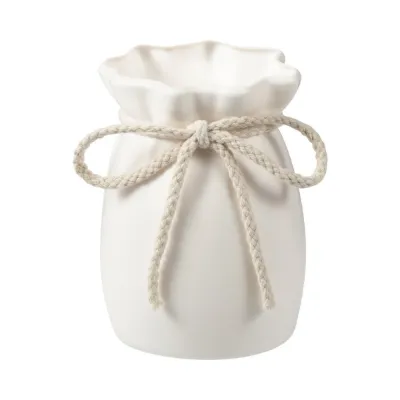
Prices are valid at publication and may change. Please refer to the product page for the latest price.
The core visual pillars of boho decor rely heavily on an earthy color palette. Warm terracotta, muted sage greens, rich mustard yellows, soft ochres, and a spectrum of warm neutrals ranging from cream to deep charcoal form the foundation. These colors evoke the natural landscape, helping to establish a soothing, organic atmosphere inside your living spaces. When arranged together, these tones create a harmonious, sun-drenched palette that feels both vibrant and relaxing.
Shape and form play an equally critical role in defining this style. Unlike the symmetrical, highly polished silhouettes found in industrial or ultra-modern design, boho vessels embrace organic imperfection. You will frequently encounter asymmetrical contours, hand-pinched edges, and gentle curves that mimic forms found in nature. These irregular shapes catch the light unevenly, adding depth and shadow to your shelves and tabletops.
Texture is the defining element that elevates a simple pot into a statement boho piece. Raw, unglazed surfaces, visible brushstrokes, ribbed details, and woven fibers provide a tactile contrast that catches the eye. These rich textures celebrate artisanal craftsmanship, highlighting the beauty of handmade techniques where no two items are completely identical. The tactile quality of these materials invites touch, making your home feel more welcoming and lived-in.
In Singapore’s urban landscape, where high-rise living is the standard, these vessels serve as essential grounding elements. They bridge the gap between indoor spaces and the natural world, creating a seamless visual transition that brings the outdoors inside. By choosing vessels that emphasize natural origins, you can counteract the coldness of concrete and glass, creating a personal oasis of calm.
Key Factors to Consider Before Buying
Selecting a beautiful vase or planter is only the first step; ensuring it functions correctly within your specific living environment is vital for both your plants and your home’s structural integrity. Before making a purchase, it is important to run through a practical checklist of functional requirements.

Drainage and Plant Health
If you plan to house live plants, drainage is non-negotiable for long-term plant health. Many highly decorative boho planters are sold without drainage holes at the bottom. Planting directly into these vessels can trap water at the roots, leading to root rot—a common issue in Singapore’s humid climate where soil dries out slower indoors.
For pots lacking drainage, use them as cachepots. Keep your plant in its plastic utility pot and place it inside the decorative planter, removing it when watering to let excess moisture drain completely before putting it back.
Weight and Structural Limits
Boho-style ceramic, stone, or heavy clay pots can be surprisingly heavy, even before you add damp soil and a plant. If you plan to place these pieces on floating wall-mounted shelves, hanging macrame hangers, or delicate glass coffee tables, always verify the weight limits of both the surface and the vessel.
For high-rise balconies or ceiling-suspended hangers, secure mounting is critical. Always check the manufacturer’s instructions for wall anchors and hanging hardware, and consult a qualified professional if you are drilling into concrete ceilings or external walls to prevent hazardous falls.
Size Proportions
A successful botanical arrangement relies on matching the vessel’s dimensions to its contents. For live plants, ensure the planter’s volume accommodates the root ball with a bit of room to grow; a pot that is too small restricts growth, while one that is too large holds excess moisture, increasing rot risks.
For dried florals like pampas grass, palm spears, or eucalyptus, look for vases with a narrow opening and a heavy, stable base. This prevents top-heavy arrangements from tipping over while keeping the stems clustered together for a full, dramatic look.
Indoor vs. Outdoor Suitability
Singapore’s tropical climate—characterized by intense midday sun, heavy downpours, and high relative humidity—presents a challenging environment for certain materials. Porous, untreated materials like raw clay, delicate plaster, or natural woven rattan can degrade rapidly if left exposed to the elements on an open balcony or patio.
Direct sunlight can fade painted finishes, while persistent moisture can cause natural fibers to rot or mold. Always check the manufacturer’s care instructions to verify if a piece is rated for outdoor use, or keep these delicate materials safely inside your air-conditioned or well-ventilated indoor spaces.
Popular Materials for Boho Planters and Vases
The material of your vase or planter dictates not only its visual style but also its durability, weight, and maintenance needs. Understanding how different materials interact with light, water, and air will help you choose the best options for your home.
Terracotta and Raw Clay
Unglazed terracotta and raw clay are quintessential boho materials, instantly recognizable by their warm, reddish-brown hues and rustic appeal. One of the greatest functional benefits of unglazed clay is its exceptional breathability. The porous walls allow air and moisture to pass through, promoting healthy root aeration and preventing waterlogged soil. This makes terracotta an excellent choice for moisture-sensitive plants like succulents, cacti, and monsteras.
Over time, unglazed clay naturally develops a unique patina. This includes efflorescence—a powdery white mineral deposit left behind as water evaporates through the clay walls. While some prefer a pristine look, boho design embraces these markings as a sign of natural aging and rustic character.
However, raw clay is inherently fragile. It can chip or crack easily if knocked against hard surfaces, and it is sensitive to sudden physical impacts. When handling large terracotta pots, always lift them from the base rather than the rim to avoid structural damage.
Woven Rattan, Seagrass, and Wicker
Woven planters bring an instant layer of tropical warmth and casual texture to any room. Made from natural plant fibers, these baskets are incredibly lightweight, making them easy to reposition around your home whenever you want to refresh your layout. They are perfect for softening the hard edges of modern furniture and adding a relaxed, coastal-boho vibe.
Because natural fibers are highly susceptible to moisture damage, you must never add soil or water directly into a woven basket. Exposure to dampness will quickly lead to mold, mildew, and rot, compromising the structural integrity of the weave.
To use these safely, always insert a heavy-duty waterproof plastic liner or a plastic drip tray at the bottom of the basket. Keep your plant in its standard plastic nursery pot, and place it inside the basket on top of the liner. This setup allows you to enjoy the organic aesthetic of woven fibers without risking water damage to your floors or the basket itself.
Textured and Matte Ceramics
For a contemporary twist on the boho aesthetic, textured and matte ceramics offer a refined yet organic option. Modern boho ceramic vases often feature matte glazes, ribbed or carved surfaces, and asymmetrical, sculptural silhouettes. These pieces work beautifully as standalone art objects even when they do not hold flowers.
Ceramics are generally heavier and more durable than raw clay, but they still require careful handling to prevent chipping or cracking. When selecting ceramic pieces, look for those featuring reactive glazes. During the firing process, these glazes react to heat in unpredictable ways, resulting in unique color gradients, speckles, and textures that ensure your vase is truly one of a kind.
Matte ceramic finishes do not reflect light harshly, allowing the subtle contours and natural shadows of the vessel’s shape to take center stage. This soft, diffused look integrates seamlessly into cozy, bohemian-inspired living rooms and bedrooms.
Where to Shop for Boho Decor in Singapore
Finding unique boho-style homeware in Singapore involves exploring a mix of retail avenues, ranging from physical boutiques to online platforms and local nurseries.
Local Boutique Home Decor Stores
Independent boutique home decor shops are excellent places to source curated, high-quality boho pieces. These retailers often partner with independent artisans and small-batch pottery studios globally, offering exclusive designs that you won’t find in mass-market furniture outlets. Visiting their physical showrooms allows you to feel the textures and inspect the weight of the vessels firsthand before making a purchase.
Online Marketplaces
If you prefer the convenience of online shopping, general e-commerce platforms and online marketplaces offer a vast selection of boho-style vessels. To narrow down your search, use specific search terms such as “handmade ceramic vase,” “terracotta planter,” “macrame hanging pot,” or “woven seagrass basket.”
When purchasing fragile items online, always check the seller’s reviews specifically for packaging quality and shipping damage. Review the store’s return and refund policies for broken items to ensure you are protected if a piece arrives damaged.
Specialty Plant Shops and Nurseries
Singapore is home to numerous excellent plant nurseries and specialty botanical shops, particularly around areas like Thomson Road, Bah Soon Pah Road, and various suburban neighborhoods. These nurseries do not just sell plants; they often stock extensive collections of aesthetically pleasing planters, including rustic terracotta, glazed ceramics, and woven baskets. Shopping at a nursery allows you to test how a plant looks inside a specific pot before buying both.
Artisan Markets and Pop-ups
For truly unique, locally crafted pottery, keep an eye on weekend artisan markets, makers’ markets, and community craft fairs held across Singapore. These events provide a platform for local ceramicists to showcase their handmade wares. Purchasing from these markets allows you to support local artists while acquiring a distinctive, storytelling piece for your home.
Styling and Caring for Your Boho Vases
Integrating your new vases and planters into your home decor requires a thoughtful approach to styling and ongoing maintenance to keep them looking their best.
Styling Techniques
When styling a mantel, shelf, or dining table, apply the rule of odd numbers. Grouping vases in clusters of three or five creates a more natural, visually pleasing arrangement than even-numbered groupings. To add depth and visual interest, vary the heights, shapes, and textures of the vessels within each group. For example, pair a tall, smooth matte ceramic vase with a medium-sized ribbed terracotta pot and a small, round woven basket.
Complement your boho vessels with appropriate botanical elements. For planters, trailing plants like pothos, heartleaf philodendron, or string of pearls look stunning cascading over the edges of a shelf or hanging planter. For dry vases, opt for architectural botanicals such as dried palm spears, fluffy pampas grass, or preserved eucalyptus stems, which enhance the organic, low-maintenance charm of the boho style.
Routine Maintenance
Keeping your vessels clean preserves their beauty and extends their lifespan. For woven rattan or seagrass baskets, avoid water entirely during cleaning. Instead, use a soft, dry brush or a vacuum cleaner with a brush attachment on a low setting to gently remove dust from the crevices of the weave.
For matte ceramics and glazed pots, wipe them down periodically with a soft, damp microfiber cloth. Avoid using harsh chemical cleaners or abrasive scrubbing pads, which can scratch or alter the delicate matte glaze.
Stain Prevention
Porous materials like unglazed terracotta and raw clay can naturally seep microscopic amounts of moisture, even if they do not leak water directly. To protect your valuable wooden tables, marble countertops, or laminate shelves from unsightly water rings and scratches, always place a protective barrier underneath your pots. Use cork coasters, felt pads, or decorative ceramic saucers to catch any condensation or accidental spills, keeping both your furniture and your planters in pristine condition.
Frequently Asked Questions (FAQ)
Can I use a woven basket directly as a planter?
No, you should never put soil or water directly into a woven natural fiber basket. Because materials like rattan, seagrass, and wicker are highly organic, direct contact with moisture and soil will quickly lead to rot, mold, and structural failure. Always use a waterproof plastic liner or keep your plant in its plastic nursery pot with a drainage tray underneath inside the basket.
How do I remove water stains from unglazed terracotta?
Unglazed terracotta naturally absorbs minerals from water, leaving behind white powdery stains known as efflorescence. To remove these, create a mild solution of equal parts water and white vinegar. Gently scrub the affected areas with a soft-bristled brush, then rinse the pot thoroughly with clean water. Allow the pot to dry completely in a well-ventilated area before repotting your plants.

Community discussion
Share your experience or ask a question. Comments are reviewed before publication.